

Nobody walks up to a bar intending to annoy the bartender.
But on a busy Friday night, when drinks are flying, tickets are piling up, and dozens of customers are competing for attention, certain seemingly harmless phrases can instantly make a bartender brace for what’s coming next. Most aren’t offensive—they’re just so overused, unrealistic, or time-consuming that bartenders hear them dozens of times every shift.
Behind the bar, seconds matter. A simple request can slow service, derail a workflow, or signal that an order is about to become far more complicated than it needs to be.
Here are 12 phrases bartenders say they secretly dread hearing—and what to say instead.
“Make it strong, can you?’’
Customers often think they get a better deal when ordering a “stronger” drink, but standard pour sizes and recipes determine a drink’s makeup. The average pour cost that most bar operators aim for usually ranges between 18% and 24%. A liquor cost of 37.5% is considered very high according to binwise
A deviation compromises consistency and significantly affects the establishment’s bottom line. Imagine a bartender, already juggling multiple orders, has to field this. It creates a needed pause, making them stop for just one second in the rhythm and workflow.
This tiny interruption, coming dozens of times during a busy shift, cumulatively slows service for all customers, potentially reducing the total drinks served and tips earned.
“Surprise me!”
While fun in concept, “surprise me” orders take up much-needed time, especially during peak hours. A custom cocktail typically adds 1-2 minutes to a bartender’s service time compared to a standard drink.
This little delay piles up; in a 3-hour rush, a bartender might lose 15-30 minutes of productive serving time, directly impacting potential sales, which can average $500-$1000 per hour in a busy establishment.
When you say “surprise me,” you’re basically asking them to be a mixologist on the spot, creating a specialty drink when speed and efficiency are crucial. This makes mental load and physical delay, which ties into the entire pace of service.
“Is this gluten-free/keto/vegan?”
Dietary restrictions are becoming increasingly common. A small fraction of the menus at fast-casual and full-service restaurants is targeted to customers with dietary restrictions, according to a study in PubMed Central.
Bars adapt by listing their ingredients or offering specific allergen menus, but repeatedly asking about standard cocktail ingredients, often right there in plain print, takes an average of 30-60 seconds per inquiry. And when bartenders handle dozens of those interactions an hour, each interaction represents potential sales lost.
You approach the bar, having already looked over the drinks menu. Rather than looking under the “Ingredients” part for the gin and tonic, you immediately ask if it contains gluten. This makes the bartender stop, remember ingredient lists, or even check bottles themselves when that information is readily available.
“Can I get a glass of water and then some ice for it?
Customers frequently ask for water, which is a free service, but also request ice in a separate request. Water and ice account for 5-7% of a bar’s total utility costs. An ice machine consumes high rates of electricity. With every trip and each other item requested, it takes more labor time. This starts to impact the average cost per patron served, subtly eroding profit margins.
Suppose the bartender has poured a glass of water, turned to serve another guest, and you call them back for ice. This introduces an unnecessary step for them, as they return to your order instead of efficiently handling the next one. This minor inefficiency will multiply as several customers make similar requests piecemeal.
“What’s good here?”
Asking “what’s good here” is an unfair burden on the bartender. Upscale eateries actually increased their cocktail menus from an average of 14 in 2014 to 19 items in 2024, says Restaurant Dive.
Consider a bartender trying to manage multiple drink orders simultaneously. Your open-ended question requires an impromptu consultation, forcing them to interrupt their rhythm, make small talk, and recommend drinks. This bottleneck delays service for everyone else who’s patiently waiting for their precisely ordered beverage.
“I need one more before last call!
Bars have strict licensing laws about last call and serving hours; the fines range from several hundred dollars to thousands per incident. When guests demand another drink past the announced previous call, the bartender faces a serious legal and financial dilemma.
Accommodation of such a request significantly risks substantial penalties and/or possible suspension of the license, thereby affecting the very viability of the operation.
You see the lights of the bar blink, “last call” gets called out, and minutes later, you rush up, demanding just one more drink. The bartender has begun closing procedures and is legally prevented from serving more drinks.
This places them in a difficult position, and they have to refuse you while attending to other tasks involved in closing and possibly also handling an angry customer.
“Just put it on my tab”
Opening a tab requires securing a credit card brief, which, while necessary, is for financial security. According to Chargebacks911, in 2024, 72% of merchants reported an increase in friendly fraud chargebacks, and the risk is even higher for high-traffic venues such as bars and clubs. Setting up a tab in advance secures the bar’s earnings and makes transaction processing easier.
You order a round of drinks and casually say, “Just put it on my tab,” without reaching for a card. At this point, the bartender has to interrupt his process, explain the policy, and wait for the card.
This little exchange takes a few precious seconds away from making drinks and, more importantly, secures the establishment’s payment against potential financial losses.
“Can you make me a complex, off-menu cocktail?’’
Mixologists design fancy drinks, but multi-component, off-menu cocktails are labor-intensive. Making a custom drink involves special, non-standard ingredients and usually an extra step or two in preparation, adding 2-3 minutes to the process. That is a tremendous amount of work to decrease overall service throughput, and often, a bar operates with tight liquor costs, about 20% of sales.
Save this article
You order a forgotten speakeasy cocktail muddled with herbs, shaken with egg whites, and served with an obscure liqueur that few others ever order.
The bartender must rummage for ingredients, measure carefully, and shake or strain extra, ultimately devoting a disproportionate amount of time to one drink. This delays the orders of everyone else who is waiting for standard, quicker pours.
“What’s in this?”
People often ask about the ingredients right after watching them being added, as if they weren’t paying attention at all. The bartenders explain it briefly, but repeating it creates unnecessary redundancy. Each of those minor questions chips away at the bartender’s time to serve newer customers or to remove abandoned, empty glasses from the counter.
You stand at the bar, observing the bartender measure and mix ingredients for your Old Fashioned. The moment they slide it across, you lean in and ask, “What exactly went into this?” The bartender, having just precisely assembled it, now must verbally recount the process, essentially performing the same service twice.
“Can I pay with multiple cards?”

Splitting checks across multiple cards definitely accommodates groups, but it adds a lot of complexity and extra time to process various transactions for a single order. Every transaction, including swiping the credit card, entering the PIN, and printing a receipt, takes about 15-30 seconds.
For a tab requiring four separate payments, this is an additional minute or two, which can significantly slow service during peak periods when every second counts for revenue generation.
A group finishes their round and, when the bill comes, would like it split three ways. The bartender has to stop whatever they are doing, manually calculate individual totals, and run three separate transactions. This ties up the point-of-sale system, preventing it from ringing in new orders or closing out other tabs during precious moments of service flow.
“Can I charge my phone?”
Bartenders are there to serve drinks, not be an electronics charging station. Sure, some bars have charging ports, but that’s not common. Managing customer phones introduces a liability, as the establishment is not responsible for lost or damaged personal property. Bartenders are concerned with drink orders and customer safety, and phone charging falls low on the list of requests, as it is disruptive.
Your phone battery dips into the red, and you confidently hand it over to the bartender, asking them to plug it in behind the bar.
This request sends them on a mission to find a suitable outlet, stash your device where you know not, and possibly create a tripping hazard in the process. Such requests take up valuable time and attention from their real work: mixing drinks and managing the bar.
“Can I get a shot for the whole bar?”
While generous gestures are appreciated, buying a round for “the whole bar” often creates logistical and financial complications. A typical bar may hold 50-100 guests. Suddenly preparing dozens of unpaid shots strains resources, including glassware and liquor, which carry a cost of goods sold of 15-25%. This unplanned, large order totally disrupts the rhythm of service and can quickly overwhelm a single bartender.
You’re feeling extra jolly and say, “Shots for everyone!” The bartender, who’s already working a queue, is now tasked with pouring more than 30 shots, often without clarity as to who’s paying for what upfront. That essentially shuts down any other services, creates a massive order backlog, and puts immense pressure on a system designed for quick, individual transactions.
Key Takeaways
There’s more to navigating the social landscape of a bustling bar than ordering a drink. Mastering silent codes saves time and respect, since efficiency and good manners ensure smooth service. By avoiding these mistakes, you streamline service, improve the bartender’s workflow, and enhance the bar’s operational vitality.
Mindful interactions directly translate into quicker service for all, a more harmonious atmosphere, and, quite simply, a better experience. Becoming a more considerate customer benefits your wallet and the bartender’s, ensuring smooth sailing for everyone.
More articles:
- Why you’re being asked to tip for almost everything now
- They’re not loud—but Gen X is quietly running the economy
- 12 things that used to be free but now cost money
- 10 money habits boomers see as normal that can lead to financial trouble
Tipping is getting excessive: 12 things you shouldn’t tip for
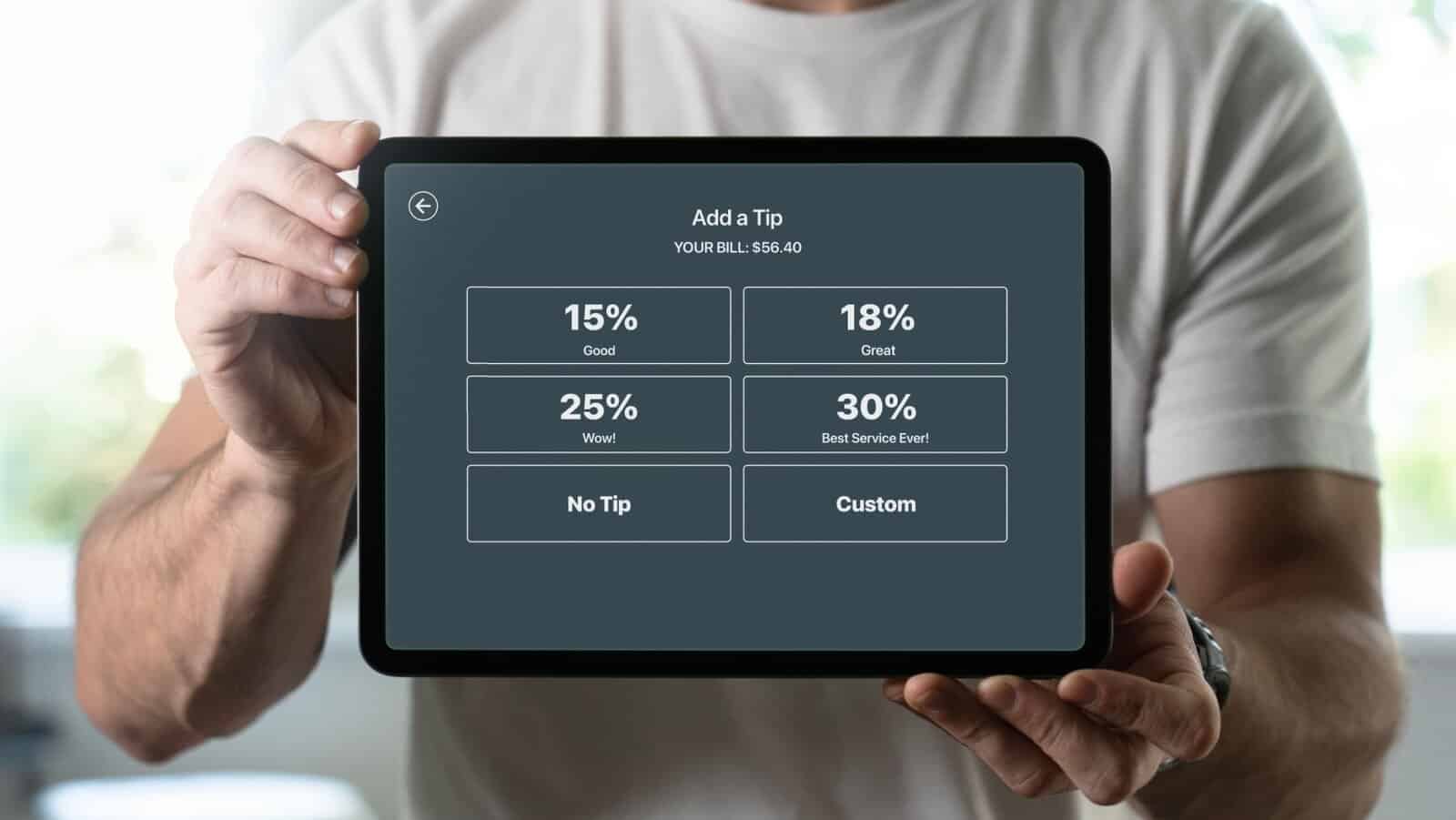
As digital payment systems expand tipping prompts into everyday transactions, many consumers are questioning where gratuity expectations should reasonably end. In fact, around 60% of people say they’re fed up with being asked to tip in more situations, and many admit they’ve tipped when they didn’t think it was warranted, according to a nationwide study of 1,000 U.S. consumers by Popmenu, a leader in restaurant technology that works with more than 10,000 restaurants.
It used to be simple: you sat down for a meal, a waiter brought your plate, and you left a little something extra for the effort. These days, it feels like every screen you touch is asking for a percentage of your money before you even get a chance to blink. Learn more.
Tipping isn’t just politeness. You might actually be getting played

Tipping often feels like a small, voluntary gesture, a quiet way to reward good service. Yet in many cases, it is less spontaneous than it seems. Research from the National Bureau of Economic Research suggests that tip prompts and default percentages can significantly influence how much people leave.
This effect persists even when service quality remains the same. What feels like generosity can be subtly guided by design. Learn more.





