

Buying your first place is exciting until the lawn starts fighting back, and most of the damage comes from well-meaning habits you can actually fix.
Buying a home is a thrill, but the reality of maintaining that patch of green often hits harder than an unexpected property tax bill. You picture yourself sipping lemonade on a pristine lawn, yet you might end up sweating over a patchy, brown mess that refuses to cooperate with your efforts. It is easy to underestimate the amount of work required to keep a yard looking like the ones in magazines.
Most new owners rush into the garden center without a plan, grabbing colorful blooms and heavy bags of fertilizer that might not even suit their soil type. This enthusiasm often leads to costly mistakes that can take seasons to fix, turning your dream yard into a source of stress rather than relaxation. Avoiding these common errors is the key to saving money and keeping your sanity intact during the growing season.
Scalping The Grass Too Short

Cutting the grass down to the dirt might seem like a smart way to save time on future mowing, but it actually stresses the turf significantly. When you chop off too much of the blade, the grass cannot absorb enough sunlight to feed its roots. This weakens the lawn, making it more susceptible to weeds and diseases that are difficult to control later.
A general rule of thumb is to never remove more than one-third of the grass blade in a single mowing session. Keeping the grass a bit taller helps shade the soil, which retains moisture and prevents weed seeds from germinating. You will find that a slightly shaggier lawn is often greener and healthier than one that is buzzed tight against the ground.
Overwatering The Greenery

Many people assume that more water equals a happier plant, so they drag the hose out every single day to soak the flower beds. Drowning your plants is just as dangerous as letting them dry out, as it can rot their delicate root systems. Roots need oxygen just as much as they need water, and soggy soil prevents them from breathing properly.
According to the EPA, up to 50 percent of commercial and residential irrigation water use is wasted due to evaporation, runoff, or overwatering. You should aim to water deeply and less frequently to encourage roots to grow down in search of moisture. This method builds a stronger, more drought-resistant yard that can survive the hottest days of summer without constant attention.
Ignoring Soil Health Needs

You cannot build a sturdy house on a weak foundation, and you certainly cannot grow a great garden in poor dirt. Most rookies skip the soil test and go straight to planting, with no idea whether their soil is acidic or alkaline. Without this knowledge, you are essentially gardening blindfolded and hoping for the best results.
A simple soil test costs very little and provides a precise recipe for what your yard needs. Based on the results, adding lime or sulfur can unlock nutrients that were previously unavailable to your plants. It is much cheaper to amend the soil before you plant than to replace dead, expensive shrubs later.
Planting Without A Plan

It is tempting to buy every pretty flower you see at the nursery, but impulse buying leads to a chaotic and unmanageable landscape. You need to consider the mature size of the plant, not just how cute it looks in the little plastic pot. That tiny sapling could turn into a monster that blocks your windows and cracks your foundation in a few years.
Group your plants by sunlight and water needs so you do not have a cactus next to a thirsty fern. Planning your layout ensures that every plant receives the resources it needs without competing with its neighbors for survival. A little bit of foresight prevents the heartache of digging up dead plants that were doomed from the start.
Mulching The Wrong Way
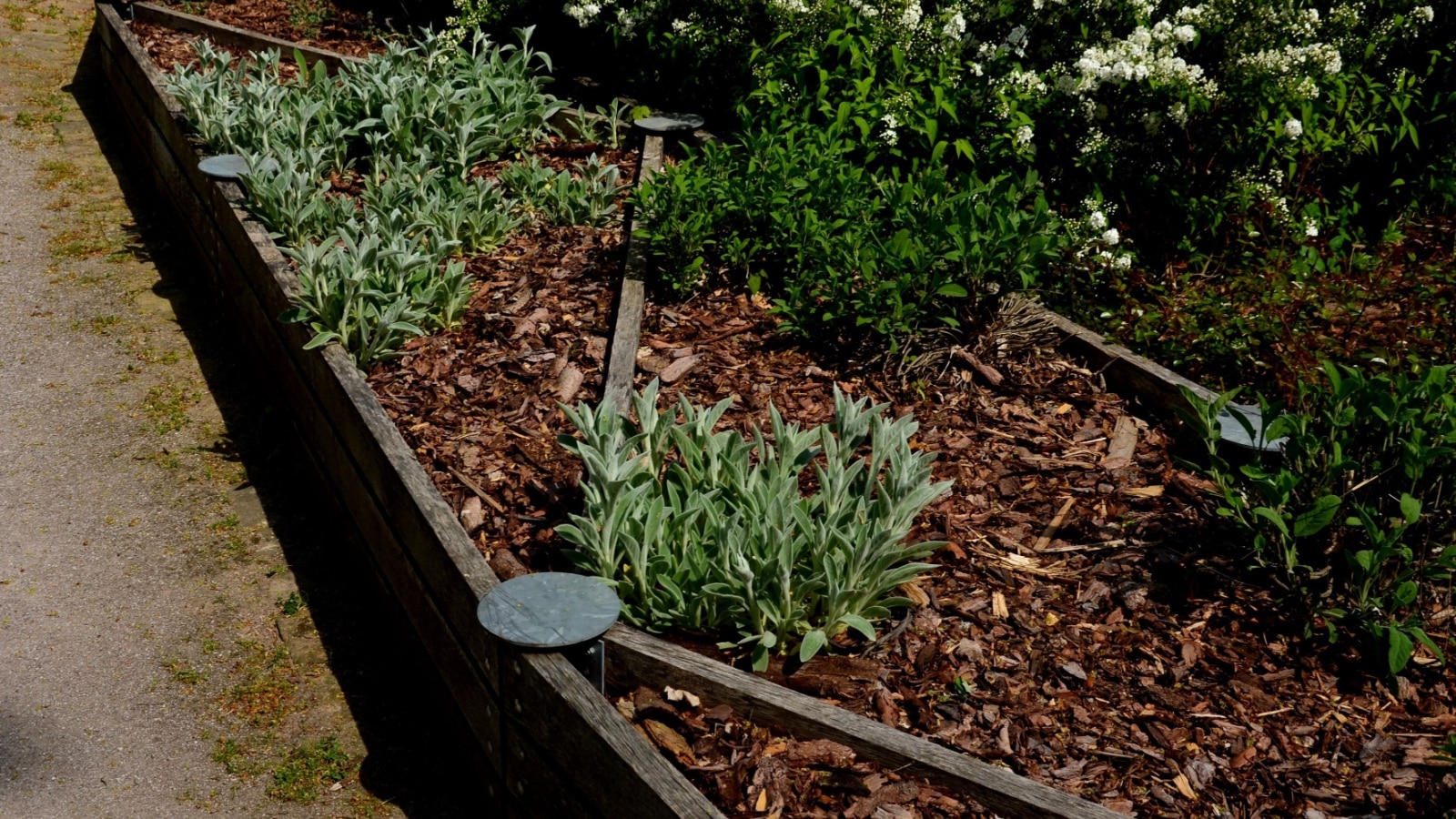
Mulch is fantastic for suppressing weeds and retaining moisture, but piling it up against tree trunks is a major mistake. Creating a “mulch volcano” around the base of a tree traps moisture against the bark and invites rot and pests. This practice can slowly kill a healthy tree by suffocating the root flare where the trunk meets the ground.
Spread the mulch in a donut shape, leaving a few inches of breathing room around the trunk itself. A layer about two to three inches deep is plenty to protect the soil without smothering the roots underneath. This simple adjustment allows air to circulate and keeps the tree healthy for decades to come.
Neglecting Mower Maintenance

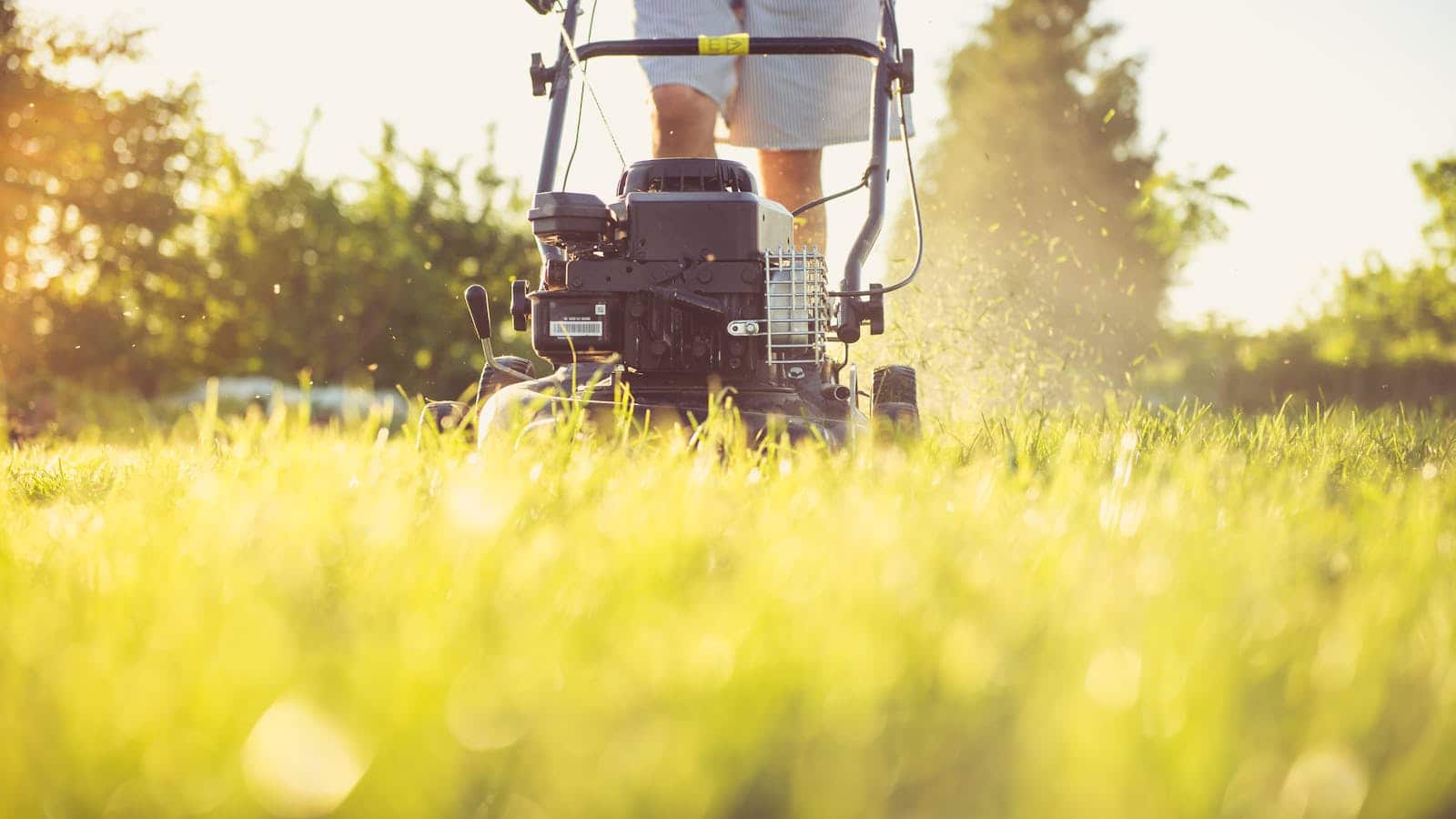
Using a lawnmower with dull blades is like trying to cut a steak with a spoon; it tears the grass instead of slicing it cleanly. Ragged tips on grass blades turn brown quickly and provide an entry point for fungal diseases. You might think your lawn is drying out, but it is actually suffering from a bad haircut.
Sharpen your mower blades at least once a season, or more often if you have a large yard with rocks or branches. According to CaroMont Health, approximately 80,000 people are treated in emergency rooms annually for injuries related to lawn mowers. Keeping your equipment in top shape not only protects your grass but also ensures the machine is safer for you to operate.
Fertilizing At Bad Times

Save this article
Throwing down fertilizer when the grass is dormant or stressed by heat is a recipe for a chemical burn. Applying high-nitrogen products during the peak of summer heat can scorch the lawn and encourage rapid weed growth. Timing is everything, and feeding your lawn at the wrong moment does more harm than good.
Wait for the cooler temperatures of spring or fall when the grass is actively growing and hungry for nutrients. The National Association of Realtors reports that standard lawn care service has a massive 217 percent return on investment. Proper feeding schedules give you that lush look without wasting money on products that wash away or burn the turf.
Overlooking Native Plants
New homeowners often gravitate toward exotic species that look unique but require extensive care to survive in a foreign climate. Native plants are adapted to your local climate and pests, so they require far less water and fertilizer. By ignoring them, you are creating extra work and fighting a losing battle against nature.
Some native plant species in the United States have been lost. Incorporating these local species helps restore the ecosystem and attract beneficial pollinators such as butterflies and bees. Your yard will be more resilient and easier to maintain if you work with nature rather than against it.
Forgetting Fall Cleanup

Leaves looking pretty on the ground in October can turn into a suffocating wet blanket for your grass by December. If you leave a thick layer of leaves on the lawn all winter, it blocks sunlight and traps moisture, which promotes snow mold. The grass beneath will likely be dead or severely damaged by the time spring arrives.
You do not need to rake every single leaf, but you should mulch them with your mower or clear the heavy piles. Chopping the leaves into dime-sized pieces allows them to decompose and feed the soil naturally. This keeps the lawn breathable while returning valuable organic matter to the earth.
Disregarding Hardiness Zones

Each plant comes with a label that lists its hardiness zone, indicating the coldest temperature it can survive. Ignoring this number is the quickest way to kill a plant, as a tropical bush will not survive a Michigan winter. You might fall in love with a specific flower, but if it is not rated for your zone, it is an annual, not a perennial.
Check the USDA Hardiness Zone Map before you make any purchases to ensure your plants will come back next year. The U.S. landscaping market reached $ 153 billion in 2024, partly because people frequently replace plants that die. Buying the right plant for the right place helps you avoid becoming a repeat customer for the wrong reasons.
Watering At Night

It might seem convenient to water the garden after work when the sun goes down, but this habit encourages fungal growth. Water that sits on leaves overnight without evaporating creates an ideal environment for mildew and disease. Your plants need time to dry off before the temperature drops and the dark sets in.
The best time to water is early in the morning when the air is cool, and the sun is just coming up. Morning watering allows the moisture to soak down to the roots before the heat of the day evaporates it. This schedule hydrates the plants effectively while keeping the foliage dry and healthy.
Underestimating Curb Appeal

Many rookies think the backyard is for them, and the front yard is just for show, so they neglect the front until they want to sell. Curb appeal is not just about vanity; it reflects the home’s overall condition to neighbors and prospective buyers. A messy front yard can signal that the inside of the house is likely neglected as well.
According to the National Association of Realtors, 92 percent of realtors recommend that sellers improve their curb appeal before listing a home. Even simple tasks like edging the driveway and trimming bushes can significantly enhance your property’s appearance. Consistent maintenance prevents a massive, expensive overhaul when you eventually decide to move.
Disclaimer – This list is solely the author’s opinion based on research and publicly available information. It is not intended to be professional advice.
Like our content? Be sure to follow us.
How Total Beginners Are Building Wealth Fast in 2025—No Experience Needed

How Total Beginners Are Building Wealth Fast in 2025
I used to think investing was something you did after you were already rich. Like, you needed $10,000 in a suit pocket and a guy named Chad at some fancy firm who knew how to “diversify your portfolio.” Meanwhile, I was just trying to figure out how to stretch $43 to payday.
But a lot has changed. And fast. In 2025, building wealth doesn’t require a finance degree—or even a lot of money. The tools are simpler. The entry points are lower. And believe it or not, total beginners are stacking wins just by starting small and staying consistent.
Click here, and let’s break down how.





