Small kitchen habits you don’t even notice could be the real reason your meals never taste as good as they should.
Cooking should be fun, not frustrating. The kitchen is where flavors come alive, but it’s also a place where tiny missteps can quietly sabotage your meals. Most of us don’t even realize we’re doing it, using a favorite shortcut, skipping a small step, or rushing through prep time. Yet those seemingly harmless habits can flatten flavors, ruin textures, and leave you wondering why dinner never tastes quite like you imagined.
Think about it: have you ever followed a recipe to the letter but still ended up with food that tasted…off? It’s rarely about bad luck. It’s usually about hidden habits we’ve picked up along the way. The good news is that once you recognize them, you can fix them with minor changes. Let’s explore some of the most common mistakes that may be preventing your food from reaching its full potential.
Overcrowding your pan

If you add too much food to the skillet at once, it steams rather than forming a beautiful golden crust. Think of it like cramming too many people into an elevator; it’s crowded, sweaty, and no one’s at their best. Cooking in batches may take a few extra minutes, but your taste buds will thank you.
Using dull knives

A dull knife isn’t just annoying; it makes chopping herbs and slicing tomatoes a battle. Instead of a clean cut, you end up with bruised basil and squished produce. A sharp knife glides through food, making prep faster, easier, and oddly satisfying, almost like ASMR for home cooks.
Washing raw chicken

Here’s where science chimes in: rinsing raw chicken sprays bacteria around your sink and counters. The USDA has been warning against this for years. Cooking chicken to the right temperature — 165°F — kills germs. Washing it makes your kitchen riskier.
Ignoring your cutting boards

Mixing raw meat, veggies, and fruits on the same board without cleaning is a recipe for cross-contamination. According to the CDC, one in six Americans gets sick from contaminated foodborne illness each year, and dirty cutting boards are often to blame. Keep a separate board for meat and another for produce; it’s a small change with a big payoff.
Not letting meat rest

Cutting into steak right off the grill? You’re draining all the juiciest parts. Even a brief five-minute rest keeps the steak flavorful and tender, rather than dry and tough. Think of it like letting a shaken soda can settle before opening; you avoid a mess and keep the good stuff inside.
Over-seasoning too early

Adding all your salt at the start can make food taste flat by the end because it gets lost during cooking. Season gradually, taste often, and let your dish build layers of flavor. Salt is powerful, but timing is everything.
Forgetting to preheat your oven

Sliding a cake or pizza into a cold oven is a fast way to ruin it. Preheating allows heat to distribute evenly from the start, which matters for both texture and flavor. Skipping this step often means soggy bottoms or uneven bakes.
Using the wrong oil for high heat
Save this article
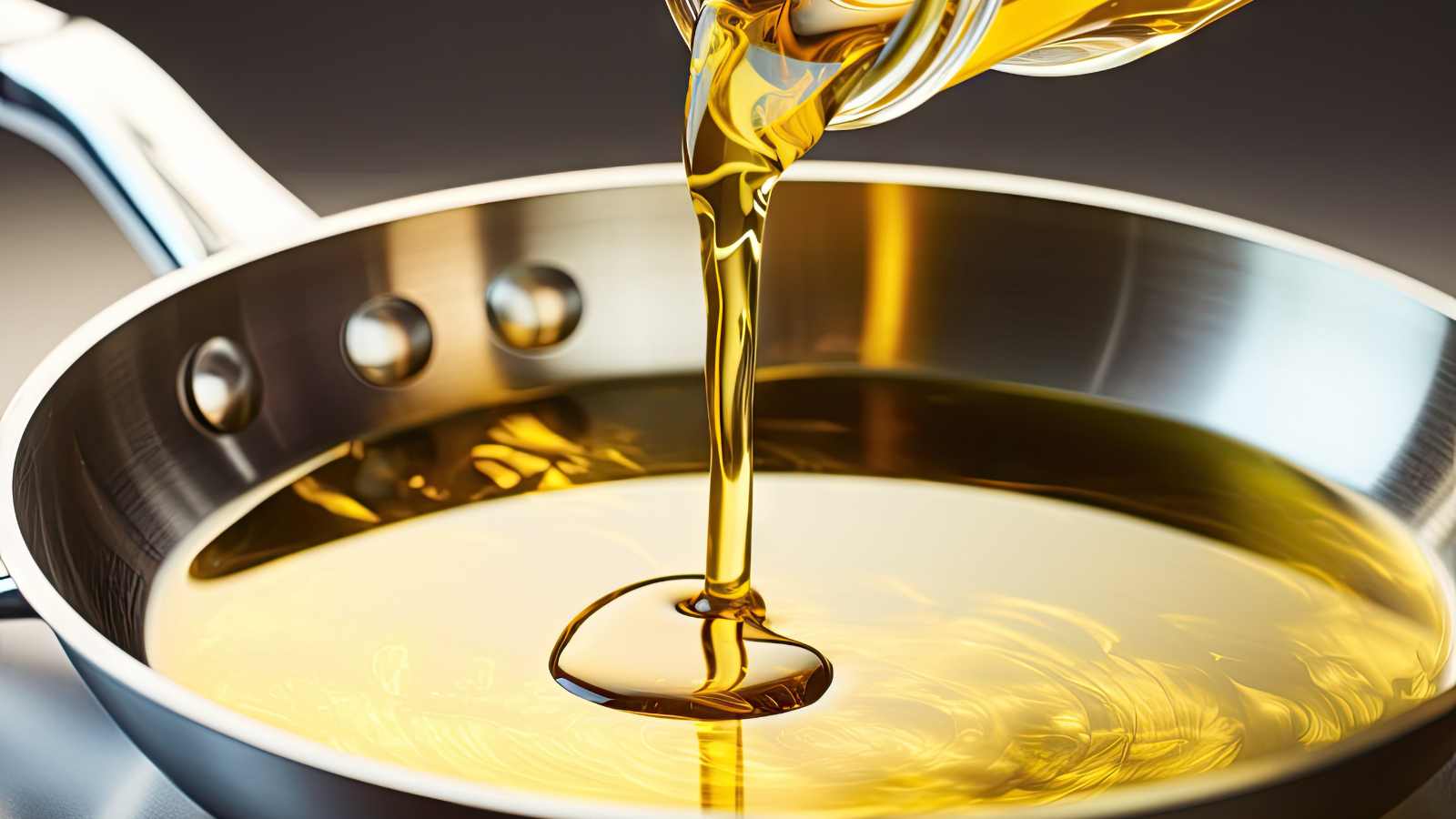
Not every oil can handle the same heat. Olive oil, for example, smokes at around 375°F, while avocado oil can reach temperatures of up to 520°F. Push oils past their smoke point and they taste bitter, break down, and release harmful compounds. Choose the right oil for the job, and your food won’t suffer.
Tossing garlic in too soon

Garlic burns faster than almost anything in the pan. Once it turns bitter, it’s impossible to hide. Add garlic after your onions have softened or closer to the end of cooking. That way, you get flavor without the harsh aftertaste.
Neglecting to taste as you go

Seasoning blind is like painting with your eyes closed. Even pros taste constantly. As chef Samin Nosrat put it, “Salt and acid are your compass.” Adjusting along the way separates a bland dish from one that sings.
Storing tomatoes in the fridge

Tomatoes lose their flavor and texture when exposed to cold temperatures. Refrigeration destroys the enzymes that give tomatoes their signature taste. Keep them on the counter, and you’ll notice the difference immediately.
Rushing pasta cooking

Draining pasta before it’s truly al dente means you’ll end up with mush once it’s added to the sauce. And don’t dump all the pasta water down the drain; that starchy liquid helps sauces cling and makes them silky. Italian grandmothers everywhere agree: pasta water is gold, and food scientists back them up.
Ignoring expiration dates on spices

Spices don’t spoil like milk, but they do lose their punch. Ground spices typically lose their potency after a year or two. If your paprika looks pale or your cinnamon barely smells, it’s time to refresh. Fresh herbs can transform a dish you thought you knew by heart.
Disclaimer – This list is solely the author’s opinion based on research and publicly available information. It is not intended to be professional advice.
Like our content? Be sure to follow us.
How Total Beginners Are Building Wealth Fast in 2025—No Experience Needed

How Total Beginners Are Building Wealth Fast in 2025
I used to think investing was something you did after you were already rich. Like, you needed $10,000 in a suit pocket and a guy named Chad at some fancy firm who knew how to “diversify your portfolio.” Meanwhile, I was just trying to figure out how to stretch $43 to payday.
But a lot has changed. And fast. In 2025, building wealth doesn’t require a finance degree—or even a lot of money. The tools are simpler. The entry points are lower. And believe it or not, total beginners are stacking wins just by starting small and staying consistent.
Click here and let’s break down how.