

There’s a certain nostalgia that creeps in when people say, “Things just aren’t like they used to be.” You hear it at family barbecues, in comment sections, even at the checkout line when the price of milk makes someone gasp. America has changed—a lot—and for some, it feels less hopeful, less connected, and more chaotic than ever.
But behind that feeling are real shifts in economics, culture, and community that have shaped how people see the country today. For instance, the Bureau of Labor Statistics (BLS) reports that food and beverage prices are 25.82% higher in 2025 than in 2020, averaging about 4.7% inflation per year.
Here are 13 more changes that help explain why the country feels so different today.
The middle class isn’t what it used to be

For decades, the middle class was the backbone of the American dream, but that backbone’s been aching. According to Pew Research, the share of adults in middle-income households has fallen from 61% in 1971 to about 50% today. Wages haven’t kept up with inflation, and essentials like housing and healthcare cost far more than they used to.
The result? A growing number of Americans feel like they’re running faster just to stay in place. That financial squeeze is reshaping what “comfortable living” even means.
Technology replaced simple pleasures
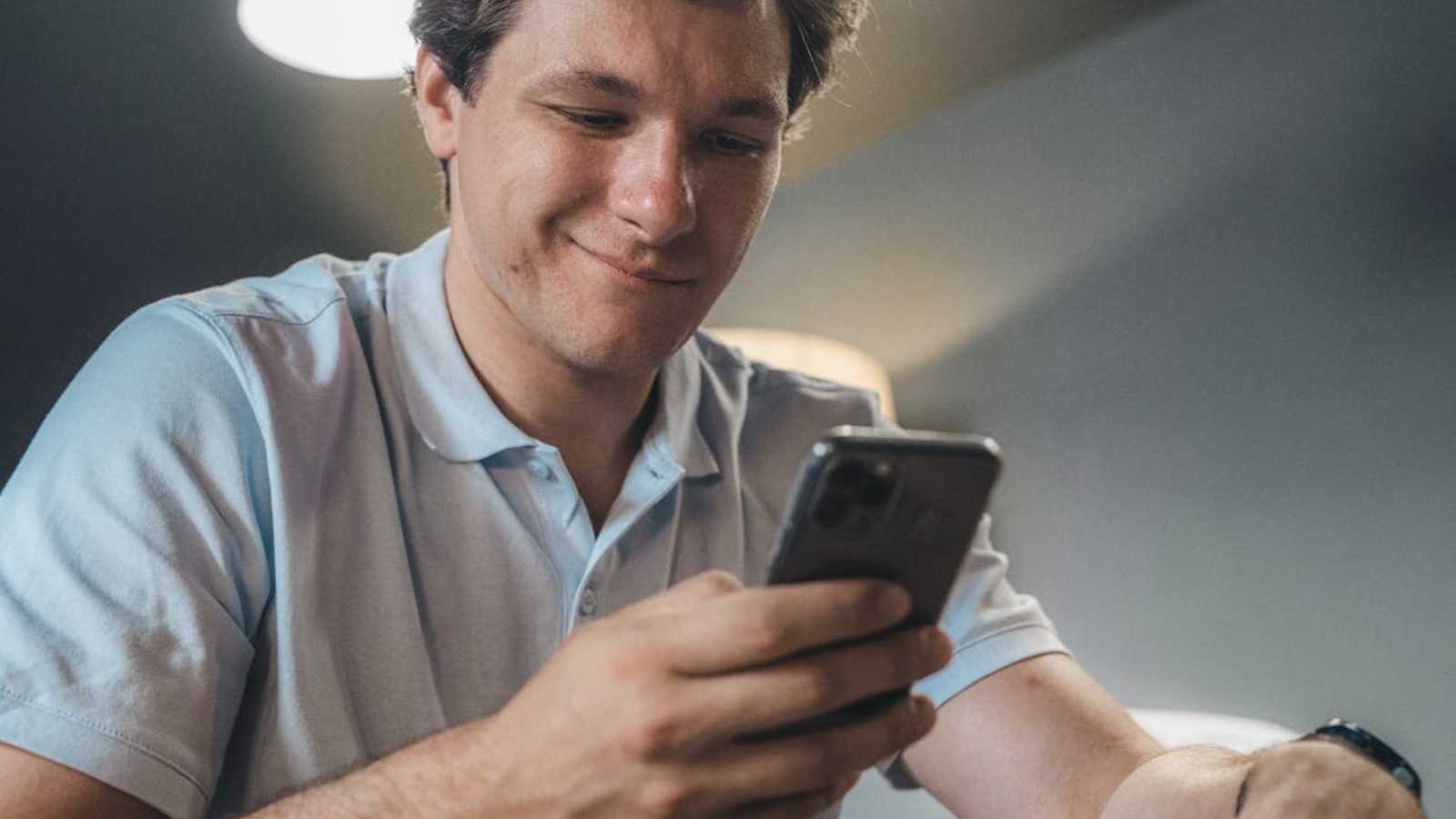
When was the last time you were flipping through radio stations, chatting with strangers, or writing letters? Those small moments of humanity have quietly faded.
Screens now dominate nearly every part of daily life, with the average American spending over seven hours a day on digital devices. It’s convenient, sure—but also a little numbing. The charm of simplicity got traded for constant stimulation.
The American dream feels uncertain

For decades, Americans believed hard work could guarantee success. Now, that belief feels more fragile.
The gap between the ultra-wealthy and everyone else has widened, and economic mobility has stalled. It’s not that people stopped believing—it’s that the dream feels further away than it used to.
Also on MSN: 13 things America once loved but now ignores
Communities aren’t as connected anymore

There was a time when neighbors borrowed sugar, chatted over fences, and actually knew each other’s names. Now, only about one in four adults (26%) report knowing all or most of their neighbors, data shows.
Social media replaced small talk, and the front porch gave way to scrolling feeds. The irony is that we’ve never been more “connected” yet felt more alone. Somewhere along the way, local belonging faded into digital noise.
Small towns are disappearing

Many once-thriving small towns now feel hollowed out. Younger generations move to cities for work, leaving behind aging populations and shuttered main streets.
With fewer businesses and fewer jobs, the local heartbeat slows. For those who grew up there, it’s painful to watch their hometowns fade into memory.
The education system feels broken

Public education was once a source of national pride, but now it’s a growing source of frustration. Teacher shortages, funding cuts, and rising tuition costs have all taken a toll.
Many teachers are leaving the profession due to burnout and low pay. Parents feel the strain too, as quality education often depends on zip code. It’s hard to feel hopeful when the foundation of the future feels shaky.
Everything feels more expensive

It’s no surprise that people feel nostalgic when their dollar doesn’t stretch like it once did. The average cost of living has jumped 21.7% since 2020, according to Investopedia.
Groceries, rent, gas—it all adds up fast, and paychecks haven’t caught up. Even small luxuries now feel like splurges. The American dream used to be about getting ahead; now, for many, it’s just about getting by.
Politics feels more divisive

Americans used to debate issues over dinner; now, entire families avoid the topic altogether. Political polarization has reached record highs, with both sides viewing each other more negatively than ever. It’s not just disagreement—it’s distrust.
Save this article
The tone of national conversation has shifted from compromise to combat. It’s exhausting, and people miss when discussions didn’t always end in arguments.
Homeownership feels out of reach

Owning a home was once the ultimate symbol of success. Today, it feels more like a luxury. A Forbes report notes that the average home price in the U.S. topped $400,000, while mortgage rates hover near 7%.
Millennials and Gen Z are entering a market their parents would barely recognize. The white-picket dream hasn’t disappeared—it’s just moved a lot further down the road.
Work-life balance has eroded

Many Americans are working longer hours but feeling less fulfilled. The rise of remote work blurred boundaries between job and home life, and burnout is now considered a national trend.
Research shows that around 62% of U.S. employees feel disengaged or exhausted by their work. The old idea of clocking out and truly relaxing has become rare. People long for slower days when “off the clock” actually meant off.
Trust in institutions has collapsed

Trust in the government and the media has taken a major hit. Gallup polls show that confidence in major U.S. institutions is at its lowest point in nearly 50 years.
Scandals, misinformation, and corruption have eroded public faith. People feel let down by those who were supposed to lead and protect them. When trust disappears, so does the sense of unity.
Healthcare costs are overwhelming

Getting sick in America can be financially terrifying. Even with insurance, deductibles and co-pays can drain savings in an instant.
According to KFF research, 41% of adults have medical debt—and one in five have skipped or delayed care because of cost. It’s a system that feels more like a maze than a safety net. People remember when healthcare felt like a right, not a privilege.
Climate anxiety is reshaping daily life

For many Americans, climate change isn’t an abstract issue—it’s personal. Rising heat waves, droughts, and floods have become part of everyday life in states like California and Florida.
The majority of Americans say they feel anxious about the planet’s future. It’s hard to dream big when even the weather feels unpredictable. That low hum of worry is shaping how younger generations see tomorrow.
Key takeaways

America hasn’t lost its soul—it’s just evolving in complicated ways. The nostalgia many people feel is really a longing for stability, fairness, and community.
Economic pressures, shifting values, and digital overload have changed how people live and connect. Still, beneath all the challenges, the hope for a better, kinder America hasn’t vanished—it’s just waiting for its next reinvention.
Disclaimer – This list is solely the author’s opinion based on research and publicly available information. It is not intended to be professional advice.
Disclosure: This article was developed with the assistance of AI and was subsequently reviewed, revised, and approved by our editorial team.
Are you living the American dream? Here are the top 21 signs you’ve made it

Are You Living the American Dream? Here are the Top 21 Signs You’ve Made It
If there is one collective vision that unites all Americans, it is the concept of the American Dream. Deep within our hearts, we all long to carve out our distinctive portion of this cherished ideal—a home with a white picket fence, financial stability, and the freedom to pursue our passions.
20 odd American traditions that confuse the rest of the world

20 Odd American Traditions That Confuse the Rest of the World
It’s no surprise that cultures worldwide have their own unique customs and traditions, but some of America’s most beloved habits can seem downright strange to outsiders.
Many American traditions may seem odd or even bizarre to people from other countries. Here are twenty of the strangest American traditions that confuse the rest of the world.





