

America’s always been a little obsessed with what’s “in”—until it suddenly isn’t. One minute, we’re crowding around TV trays for family dinners or proudly stacking phone books by the landline; the next, those same things feel like ancient relics. Some trends make us wistful, others make us wonder what on earth we were thinking.
I still remember my dad beaming as he unboxed our first VHS player—now my phone does everything that bulky black box ever could, plus a thousand extras. Back in 2000, VHS rentals brought in a whopping $7.68 billion, according to the Video Software Dealers Association (VSDA). Let’s stroll through the quirky, surprising, and sometimes bittersweet things America once adored but now quietly leaves in the past.
Family dinners around the table

There was a time when 6 p.m. meant everyone gathered for meatloaf, mashed potatoes, and a conversation that lasted until dishes were cleared. In the 1950s, nearly all American families ate dinner together most nights.
Today, between late work shifts, screens, and soccer practice, that number has dropped dramatically to about 30%. The family table was more than a meal—it was a ritual. Now, dinner often looks more like takeout containers, and everyone is scrolling in silence.
Milk delivery

In the mid-20th century, hearing the clink of glass bottles at dawn meant your milkman had arrived. Fresh, local, and personal, it was part of the neighborhood rhythm. By the 1970s, supermarket convenience made deliveries obsolete.
But fun twist—milk delivery is making a quiet comeback thanks to sustainability trends and reusable glass packaging. It’s one old habit America might actually want back.
Drive-in movie theaters

Once the pinnacle of Friday night fun, drive-ins drew over 4,000 locations nationwide during their 1950s heyday. Couples flirted, families piled into station wagons, and kids played on swings beneath giant screens.
But the rise of multiplexes and streaming changed everything—by 2024, fewer than 300 drive-ins remain in the U.S. Still, a few die-hards keep them alive, offering retro charm that makes you forget about buffering and subscription fees.
Home-cooked Sunday dinners

For generations, Sunday meant gathering with extended family for roast chicken, potatoes, and stories that lasted hours. It wasn’t fancy, but it was sacred. Today, between gig work, relocation, and packed schedules, that tradition is fading fast.
Roller rinks

If you grew up in the 70s, 80s, or even early 90s, roller rinks were where friendships formed, crushes bloomed, and disco lights ruled. They were the original social networks—offline and loud. But after a steady decline, only about 1,000 rinks remain nationwide.
Still, Gen Z’s love for retro trends and TikTok dance moves might keep a few rinks spinning. Because honestly, nothing beats the feeling of coasting to “September” with wind in your hair.
Also on MSN: 7 nostalgic 80s household items everyone wants to see again
Phone books

For decades, those thick yellow bricks were found in every kitchen drawer and on every office shelf. People flipped through them to find plumbers, pizza joints, or the number of their crush’s parents.
Over 500 million copies of phone books (including both White and Yellow Pages) were printed each year in the U.S. during the 1990s. Environmental concerns hastened the decline of print directories, with 70% of Americans rarely using them and over $59 million spent annually on their disposal and recycling.
Now, most of us haven’t touched one in years—unless we’re using it as a makeshift doorstop. Google took its place so completely that an entire generation doesn’t even know what “letting your fingers do the walking” means.
Magazines and mail subscriptions
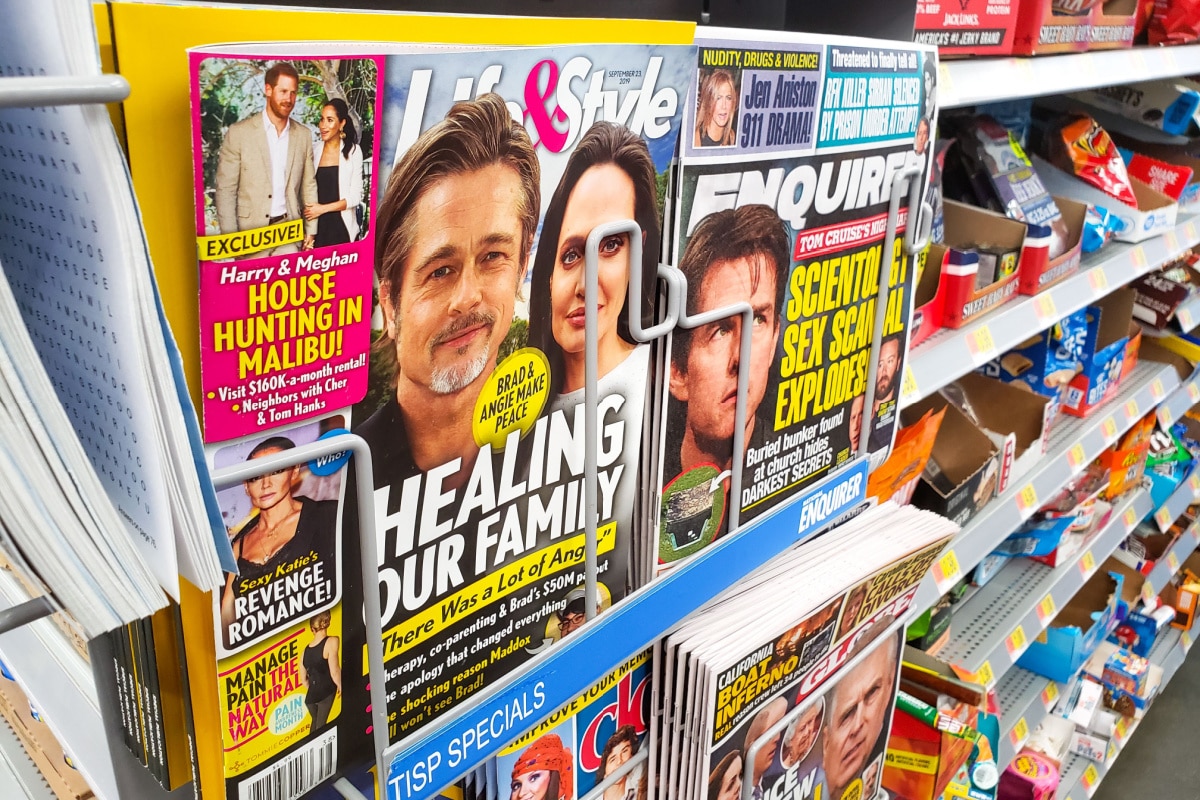
Before smartphones, nothing beat flipping through glossy pages on a Sunday afternoon. Magazines like Life, TIME, and Reader’s Digest shaped American culture and living rooms across the country.
But the internet changed attention spans and advertising dollars. Sure, you can scroll through digital versions—but it’s just not the same as getting ink on your fingers and dog-earing pages.
CD collections

Save this article
There was a time when organizing your CD tower was practically a personality test. You could tell a lot about someone by how much space they gave to Nirvana or Mariah Carey.
In 2024, 32.9 million CDs were shipped in the U.S.—a sharp drop from over 100 million a decade earlier and more than 900 million around the year 2000, per Statista. Streaming made music infinite but also a little less personal.
Malls as social hubs

The mall wasn’t just for shopping—it was the place to be. Teenagers wandered food courts with Orange Julius in hand, adults browsed department stores, and the Christmas season felt magical. At its height in the 1980s, America had over 2,500 enclosed malls.
Today, fewer than 700 remain open, many half-empty, Business Insider reports. Online shopping, changing fashion habits, and social media have replaced the ritual of “mall culture.” However, anyone who remembers it still feels a pang of nostalgia when they walk past a shuttered Sears.
Department stores

Macy’s parades once symbolized prosperity and family tradition. Shopping was an event—people dressed up, rode escalators like amusement rides, and got gift-wrapped packages with real ribbons.
But the department store empire has fallen hard: JCPenney, Sears, and others closed hundreds of locations in the last decade. Online retail and fast fashion have taken their place.
Paper maps

There was a real art to folding a paper map without tearing it—or losing your patience. Road trips once meant navigating highways with nothing but a Rand McNally atlas and some hopeful guessing.
Today, 93% of drivers rely on GPS, and 83% say they would get lost without it, making map-reading a lost skill. Sure, Google Maps never gets coffee stains, but it also doesn’t feel like an adventure.
Handwritten letters

There’s something timeless about seeing someone’s handwriting—the loops, the smudges, the thought behind every word. Letters were once how people fell in love, stayed in touch, or shared family news.
Now, most communication happens in quick texts and emojis. Emails are faster, but they’ll never have the magic of opening an envelope that someone took time to seal with care.
Community block parties

There was a time when everyone knew their neighbors, and summer meant closing off the street for barbecue, music, and kids on bikes. It wasn’t about perfection—just connection. Today, most Americans can’t even name the people living next door.
In 2022, a Pew study found that only 28% of U.S. adults say they regularly socialize with their neighbors, and just 31% know all or most of them. Maybe it’s time to bring that back—because community doesn’t happen online; it happens when someone offers you another burger off the grill.
Key takeaways

America’s love stories with its trends say a lot about how we’ve evolved—and what we’ve lost along the way. Technology made life faster, but sometimes that speed leaves our hearts a little behind.
Maybe the point isn’t to bring everything back, but to remember what made those things special in the first place: time, connection, and care. Because some of the best things we ever loved didn’t need an upgrade—they just needed us to slow down and notice them.
Disclaimer – This list is solely the author’s opinion based on research and publicly available information. It is not intended to be professional advice.
Disclosure: This article was developed with the assistance of AI and was subsequently reviewed, revised, and approved by our editorial team.
14 Boomer Habits That Are Making a Comeback

14 Boomer Habits That Are Making a Comeback
As trends in lifestyle and culture ebb and flow, certain habits from previous generations resurface, influencing new generations in unexpected ways. The boomer generation is now seeing many of its beloved practices and preferences re-emerge, often taking on a modern twist that appeals to today’s youth.
These 14 resurgent boomer habits reflect nostalgia and a growing appreciation for simplicity and authenticity in an increasingly changing world.





