

The stuff our parents let us do without blinking would have child-protective services on speed dial today.
Parenting standards have shifted so dramatically over the last few decades that looking back feels like watching a horror movie. We survived a childhood filled with secondhand smoke and unmonitored street play that would have modern neighbors calling the police in a heartbeat. It is wild to realize that the freedom we enjoyed as kids is now legally defined as child endangerment.
Most of these behaviors were not malicious, but simply the accepted norms of a time before constant surveillance and safety regulations. Parents loved their kids just as much, but they expressed it by letting them roam wild rather than hovering over every move. Recognizing these differences helps us understand why our own parenting styles feel so heavy and managed by comparison.
Waiting In The Car Alone
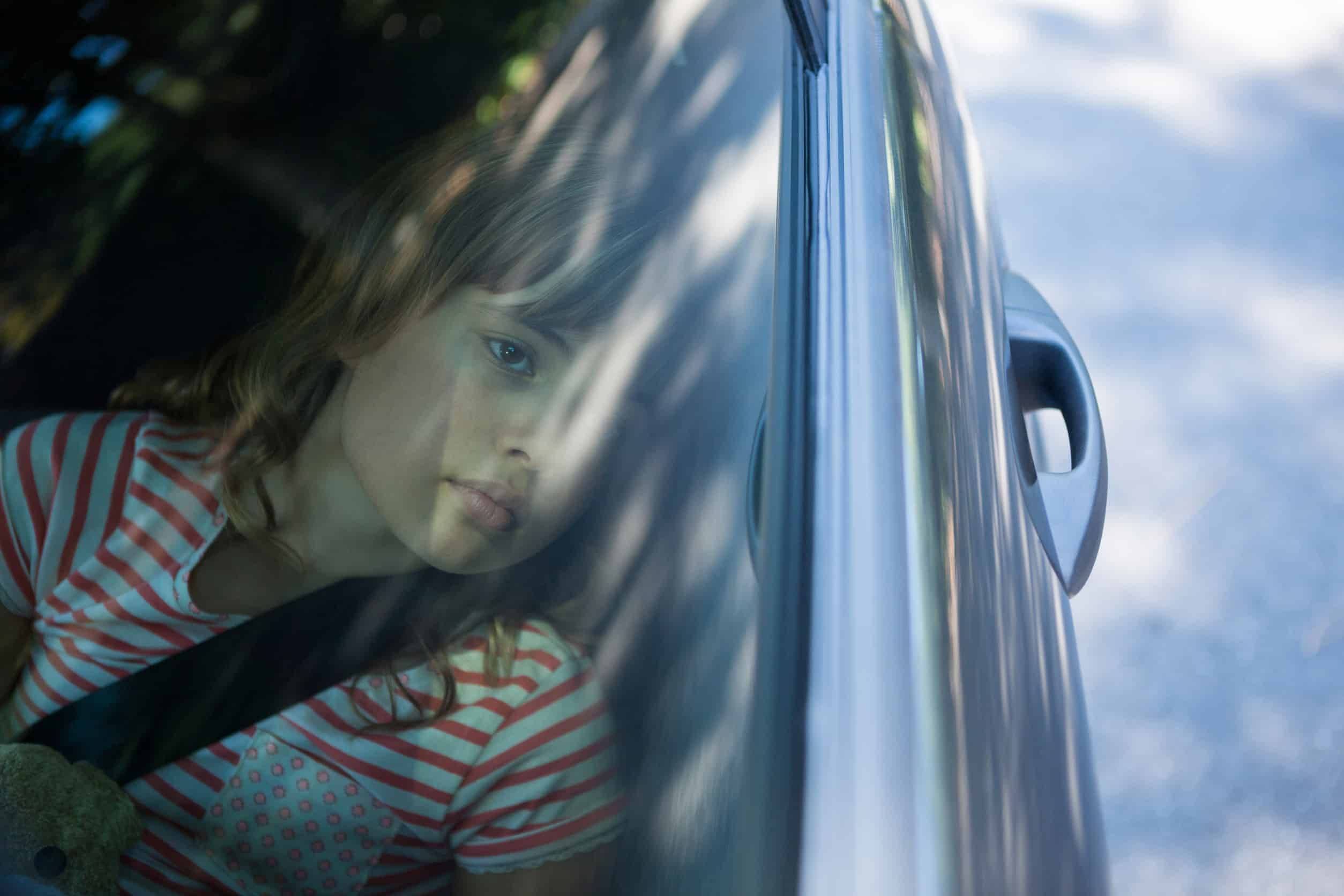
It was perfectly normal for a mom to park the station wagon and run into the grocery store for “just a minute” while the kids waited behind. We sat in the stifling heat or cold with the windows cracked a tiny bit for air. Leaving a child unattended in a vehicle today is a fast track to getting arrested for child endangerment.
We occupied ourselves by fighting with siblings or pretending to drive while the keys dangled in the ignition. There were no iPads to keep us quiet, so we just sweated it out until our parents returned with the groceries. This practice was an everyday convenience that has rightly become a major taboo due to safety concerns.
The Latchkey Generation

Coming home to an empty house was a rite of passage for millions of children as young as seven or eight. We wore our house keys on shoelaces around our necks and were responsible for locking the door and getting a snack. This independence was born of necessity, as families needed two incomes to support household budgets.
Being alone for hours taught us self-reliance, but it also meant we handled emergencies without adult help. A study by the widely cited Hillman report noted that in 1971, 80 percent of 7 and 8-year-olds walked to school alone, a number that plummeted to 9 percent by 19901. That solitude forced us to grow up fast because there was nobody else around to fix our problems.
Smoking With The Windows Up

The family car was often a rolling smoke chamber where parents puffed away on cigarettes with the kids strapped in the back. Passive smoke was just a fact of life, and complaining about it usually earned you a scolding rather than fresh air. Subjecting a child to that level of carcinogens now is seen as a severe physical health hazard.
Health data eventually revealed the devastating impact this had on young, developing lungs. According to the CDC, secondhand smoke exposure contributes to over 40,000 deaths among non-smoking adults and 400 deaths in infants each year. We breathed in that gray haze for years without anyone realizing the long-term damage it was causing.
Riding In The Bed Of A Truck

If a friend’s dad had a pickup truck, the coolest seat was not inside the cab but out in the open cargo bed. We would bounce around on the metal floor as the car hit highway speeds with absolutely nothing holding us in. One sharp turn or sudden stop could have easily turned a fun ride into a fatal tragedy.
The wind in your face felt like freedom, but the physics of the situation were terrifyingly dangerous. Laws prohibiting this are now strictly enforced in most states to prevent horrific ejections during accidents. It is a miracle that so many of us survived these high-speed trips without being thrown onto the pavement.
Using Sunburn As A Base Tan

Sunscreen was rarely applied, and when it was, the SPF was laughably low compared to modern standards. Getting a blistering sunburn was often considered just the first step in building a “healthy” summer tan. Ignoring skin protection is now viewed as a negligent failure to protect a child from future cancer.
Parents would even apply baby oil to speed up the cooking process while we played at the beach for six hours straight. The consequences of this ignorance are visible today in rising medical statistics. Melanoma rates have tripled since the 1970s, a direct result of our cultural obsession with tanning.
Zero Supervision Play

“Be home when the streetlights come on” was the only rule that governed our social lives after school. We roamed neighborhoods, explored drainage pipes, and built forts in the woods without any adults knowing exactly where we were. That level of free-range parenting would likely spark a neighborhood alert and a police visit today.
We resolved our own conflicts and patched up our own scrapes because there was no referee to intervene. This autonomy built character, but it also left us vulnerable to serious risks that parents today work hard to avoid. The world felt bigger then because we were allowed to get lost in it without a tracking device.
10-Year-Old Babysitters

It was standard practice to pay a neighborhood fifth-grader a few dollars to watch your toddler for the entire evening. These children were barely old enough to look after themselves, let alone be responsible for the life of an infant. Entrusting a baby to a child is now seen as a reckless decision that invites disaster.
We took the job seriously to earn that pocket money, but we were woefully underqualified for emergencies. If something went wrong, we just had to figure it out or call the restaurant where the parents were dining. Looking back, it is shocking that so many parents trusted pre-teens with such a massive responsibility.
No Car Seats Or Seatbelts
Save this article
Safety in the car was practically nonexistent, with mom’s arm flying out during stops serving as the only restraint system. Babies were often held in laps, and toddlers roamed the back seat as if it were a mobile playroom. Failing to secure a child in a moving vehicle is now illegal and socially unacceptable.
The shift in safety culture was slow but eventually backed by undeniable data. Seat belt usage in the United States was only around 11 percent in 1983, a statistic that seems insane given current laws. We treated cars like living rooms on wheels rather than the heavy machinery they actually are.
Physical Discipline

Spanking was the default method of correction for everything from talking back to spilling a glass of milk. Teachers, neighbors, and parents all felt entitled to use physical force to straighten out a misbehaving child. Hitting a child is now widely recognized as harmful and can lead to intervention by social services.
The “wooden spoon” or the belt were constant threats that hung over our heads. Research has since shown that physical punishment leads to increased aggression and mental health issues rather than better behavior. Fear was used as a teaching tool, damaging the trust between parent and child.
Dangerous Lawn Darts

One of the most popular backyard games involved throwing heavy, metal-tipped spikes into the air to see where they would land. Jarts were sold as a fun family activity despite being obviously lethal weapons. Giving kids sharp projectiles to throw at each other is a level of negligence that defies logic.
The government finally stepped in after too many tragedies made the danger impossible to ignore. The Consumer Product Safety Commission banned lawn darts in 1988 after they were linked to 6,100 emergency room visits and three deaths. We literally played with weapons in the backyard and called it a game.
Waiting Outside The Pub

It was not uncommon for parents to stop for a drink and leave the kids in the car with a bag of chips and a soda. We would watch the door, waiting for them to stumble out so we could finally go home for dinner. Prioritizing alcohol over a child’s safety and hunger is a clear form of emotional and physical neglect.
This behavior normalized drinking and driving while making children feel like secondary accessories to their parents’ social lives. It created a weird dynamic in which the kids were often the most sober and alert in the vehicle. That specific type of loneliness in a parking lot is a memory that sticks with you forever.
Cooking Without Supervision

Latchkey kids often had to start dinner before the parents got home, meaning we were using gas stoves and ovens at a very young age. Seven-year-olds were frying baloney or boiling pasta without any adult in the house to help. Leaving a young child alone with an open flame is a fire hazard that no modern parent would risk.
We learned to cook out of necessity, but the risk of burns or house fires was extremely high. It was just another chore on the list that we had to manage to help the family function. Surviving those culinary experiments without burning the house down was a stroke of pure luck.
Emotional Distance

The adage that “children should be seen and not heard” created a culture where emotional needs were frequently ignored. Fathers were often distant authority figures rather than nurturing caregivers, and feelings were rarely discussed. Ignoring a child’s emotional development is now understood as a damaging form of psychological neglect.
We were expected to bottle up our struggles and present a happy face to the world, regardless of what was happening. A supportive conversation was a rare gift that many of us had to wait until adulthood to find. We learned to hide our true selves because vulnerability was treated as an inconvenience.
Key Takeaway

Reflecting on these practices is not about demonizing our parents, but about acknowledging how much we have learned since then. We have traded the freedom of the saving plan era for the safety of the modern world. The goal is to find a balance that keeps kids safe without losing their independence entirely.
Safety is an investment that pays off in healthy, happy children who reach adulthood in one piece. While we might miss the wild days of riding in truck beds, we sleep better knowing our kids are buckled up. We can appreciate the resilience of the past while being grateful for the protections of the present.
Disclaimer: This list is solely the author’s opinion based on research and publicly available information. It is not intended to be professional advice.
Disclosure: This article was developed with the assistance of AI and was subsequently reviewed, revised, and approved by our editorial team.
Like our content? Be sure to follow us
Gentle Parenting: How To Raise Happy and Confident Children

Gentle Parenting: How To Raise Happy and Confident Children
Gentle parenting is a philosophy gaining traction among parents seeking a more positive, connected approach to raising their children. It moves away from traditional, punishment-based methods and instead focuses on building a strong foundation of empathy, respect, and communication.





