

The end of reflexive apologies isn’t about defiance—it’s about balance. Women are learning to honor their worth without shrinking, and society is finally being asked to catch up.
For generations, women have been conditioned to apologize for things that don’t warrant one. They apologize for speaking their minds, for taking up space, for having big emotions, and for simply being themselves. It’s a habit deeply ingrained, a reflex born from a societal expectation to be agreeable, to shrink, and to avoid confrontation at all costs. But the tides are turning.
There’s a quiet revolution happening. Women are shedding the weight of undeserved apologies, reclaiming their voices, and standing in their power. They are no longer saying “sorry” for their ambition, their choices, or their existence. This shift is not about being rude or unapologetic in a negative sense; it’s about a fundamental recognition of self-worth and a refusal to compromise one’s own well-being for the sake of others’ comfort. It’s about being bold, authentic, and utterly a person in your own right.
Taking Up Space

The classic scenario: You bump into someone in a crowded hallway and automatically blurt out “sorry.” But why? You have a right to be there, to occupy that square footage. Women are finally stopping the reflex to apologize for their physical presence, whether it’s in a room, on a sidewalk, or even at a meeting table. We are done shrinking ourselves to fit into smaller, more convenient packages. We have put aside self-effacement, and we’re standing tall.
Being Ambitious

For a long time, an ambitious woman was viewed as pushy or aggressive. We were told to tone it down, to be less visible. Those days are gone. Today, women are unapologetically chasing their goals, whether in leadership positions, a corner office, a startup, or a creative project. We are not sorry for our drive, our late nights, or our hunger for success.
Expressing Their Feelings

We’ve been told to be “the good girl,” not to be too emotional or too loud. But bottling up emotions is a recipe for disaster. Women are now openly expressing joy, sadness, anger, and everything in between without feeling the need to say sorry for their feelings. Our emotions are a valid part of our human experience, not a flaw to be corrected.
Saying No

The word “no” can feel like a verbal landmine, especially for women who are taught to be helpful and accommodating. We’d say “yes” to things we didn’t want to do and then apologize for not being enthusiastic. Now, we’re reclaiming our time and energy. We’re saying “no” to extra work, to social gatherings we don’t want to attend, and to anything that doesn’t align with our priorities, and we are not sorry about it.
Their Body

Our bodies are our homes, and they come in all shapes, sizes, and abilities. For too long, women have been apologizing for not fitting a narrow beauty standard. Whether it’s apologizing for a full figure, stretch marks, or a bad hair day, that era is over. According to a survey conducted by The Mental Health Foundation, 19% of women reported feeling more confident in their bodies. It might be a low number, but women are learning to love ourselves, flaws and all, and we are not sorry about the bodies we live in.
Prioritizing Themselves

Mothers, wives, daughters, and friends often put the needs of others before their own. We’d feel guilty for taking a moment for ourselves, and we would apologize for it. We’d say sorry for a bubble bath, a coffee date alone, or a day spent doing nothing. But self-care isn’t a luxury; it’s a necessity. It’s the oxygen mask principle—you must put yours on first. Taking care of ourselves is a powerful and non-negotiable act.
Being Single

The narrative has long been that a woman is incomplete without a partner. We’d apologize for our single status as if it were a temporary condition or a personal failing. Today, many women are thriving in their single lives. They are not waiting for someone to complete them; they are complete in themselves. A PsyPost report cites a study that found single women report being very happy with their lives, regardless of whether they are in a relationship, more so than men. We are done apologizing for our relationship status.
Asking For a Raise

Save this article
The gender pay gap is a real and persistent problem. Women are often hesitant to ask for more money or better opportunities. We’re worried about appearing greedy or ungrateful. But we are a valuable part of the workforce, and our contributions deserve to be compensated fairly. The time for apologies is over; the time for fair wages is here. We negotiate.
Ending A Relationship

Women often feel a sense of failure or guilt for ending a relationship, especially a long-term one. We might apologize for “giving up” or for “not trying harder.” But sometimes, a relationship has run its course, and it is the right and healthy thing to do to walk away. Breaking up isn’t a failure; it can be a brave act of self-preservation.
Being Smart

How many times have you heard a woman start a sentence with, “I’m probably wrong, but…” or “This might be a stupid question…”? This is a conditioned apology for having a thought, an idea, or an opinion. We are done with this habit. Our intelligence is not a thing to be hidden or diminished. We are brilliant, and we deserve to be heard.
Her Opinions

Having a different opinion or point of view is what makes conversations vibrant and dynamic. Yet women often feel the need to preface their opinions with an apology. “Sorry, but I disagree…” But what if we just said, “I disagree”? It’s a simple shift that makes a world of difference. We are done apologizing for having a voice and a mind of our own.
The State Of Their Home

Remember the mad dash to tidy up before a friend comes over, followed by a flurry of apologies for the mess? It’s a silly ritual. A home is a place for living, not a sterile showroom. There will be messes, toys on the floor, and dishes in the sink. We are finally giving ourselves a break and inviting people in just as they are.
Being A Loud Laugher

A friend of mine, a petite woman, has the most booming laugh you’ve ever heard. For years, she would cover her mouth and apologize for it. “Sorry, I have a really loud laugh,” she’d say. But it’s the most joyful sound in the world, a deep, belly-shaking roar that brings a smile to everyone’s face. We’re finally letting our laughs and our joy be as big as they want to be. According to research from UCLA Health, laughing can boost your mood and relieve stress by as much as 37%. Go on, have a good laugh, and don’t you dare apologize for it.
Disclaimer – This list is solely the author’s opinion based on research and publicly available information. It is not intended to be professional advice.
How Total Beginners Are Building Wealth Fast in 2025—No Experience Needed

How Total Beginners Are Building Wealth Fast in 2025
I used to think investing was something you did after you were already rich. Like, you needed $10,000 in a suit pocket and a guy named Chad at some fancy firm who knew how to “diversify your portfolio.” Meanwhile, I was just trying to figure out how to stretch $43 to payday.
But a lot has changed. And fast. In 2025, building wealth doesn’t require a finance degree—or even a lot of money. The tools are simpler. The entry points are lower. And believe it or not, total beginners are stacking wins just by starting small and staying consistent.
Click here and let’s break down how.
5 Easy Steps to Change Any Habit
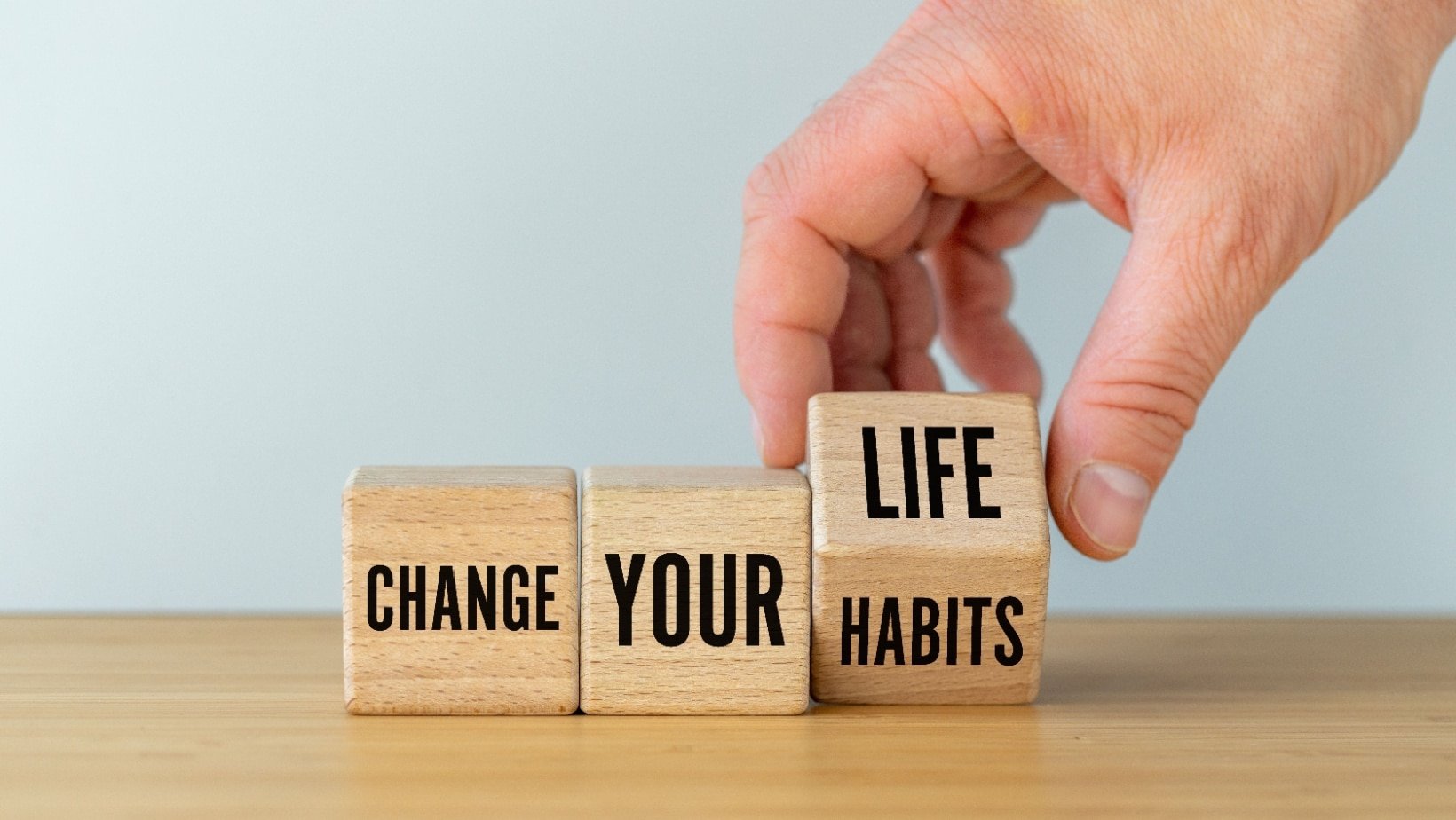
5 Easy Steps to Change Any Habit
We all click on them with the hope that just THIS time the secret to changing a bad habit or adopting a healthy one will be revealed and we’ll finally be able to stick to that diet, stop that one or ten things that might in the moment make us feel temporarily good but really just make us fat, unhealthy, sad, mad or just frustrated with ourselves.





