
Walmart sits at the center of America’s grocery economy, capturing more than one-fifth of all U.S. grocery spending (21.2%) and serving roughly 270 million customers each week, according to Numerator and Progressive Grocer.
While shopping there can feel convenient and budget-friendly, not all products on the shelves are created equal.
Research from the National Institutes of Health shows that ultra-processed foods now make up more than half of the average American’s daily calories, and many supermarket staples are loaded with added sugars, sodium, and unhealthy fats.
Even items marketed as “healthy” or “low-cost” can contribute to hypertension, obesity, and chronic inflammation when consumed regularly. Experts warn that being mindful about which products you put in your cart can make a big difference for long-term health.
To help you shop smarter without sacrificing convenience, here are 14 foods cardiologists and nutritionists say you should avoid buying at Walmart.
Pre-Cut Fruit

Pre-cut fruit loses its natural protective barrier, allowing bacteria to spread across the exposed surface. CDC food-safety guidance consistently flags cut produce as higher risk than whole fruit.
Shelf life also drops sharply, which means sweetness, texture, and vitamin retention decline faster during transport and display.
Bagged Salad Kits

Leafy greens remain one of the most recall-prone food categories in the United States. FDA outbreak investigations repeatedly link packaged salads to E. coli and listeria because large processing batches distribute contamination widely.
Inflation has pushed more shoppers toward value salad kits, but quality perception still trails whole-head lettuce and fresh greens.
Store-Brand Apple Juice

Shelf-stable juice depends heavily on global concentrate sourcing. Past testing and recalls across the industry have shown how trace contaminants can slip through complex supply chains.
Parents increasingly respond by shifting toward low-sugar refrigerated juices and whole fruit, a trend tracked by IRI in post-pandemic beverage data.
Fresh Seafood in Low-Turnover Stores
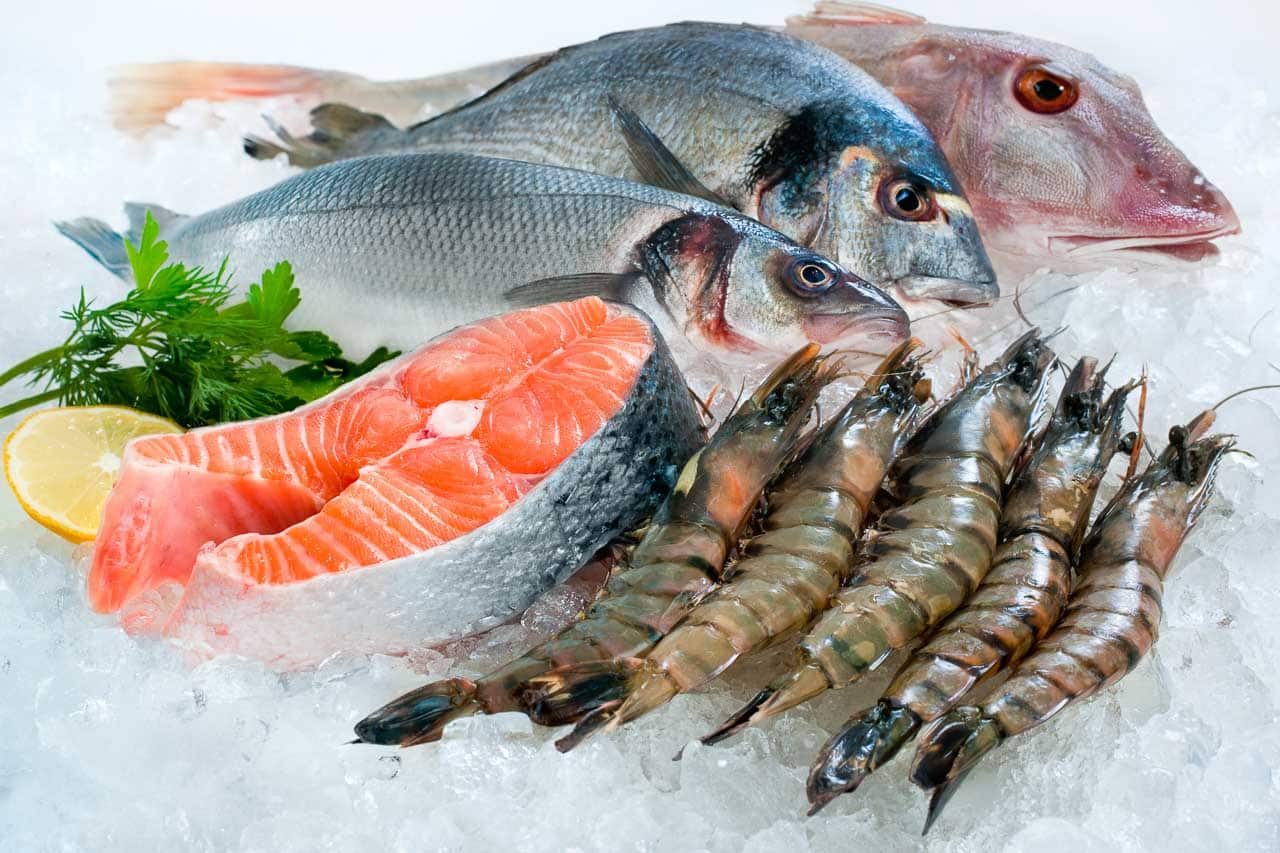
Seafood remains the most temperature-sensitive protein in retail. The FDA stresses strict time-and-temperature control to prevent spoilage and histamine formation.
Locations with slower sales cycles struggle to match the freshness of specialty fish counters or coastal markets.
Discount Ground Beef Rolls

Large value chubs appeal to budget shoppers, yet ground beef exposes more surface area to oxygen and bacteria than intact cuts. USDA research shows it deteriorates faster in both flavor and safety once opened.
The savings shrink if portions are not immediately frozen.
Frosted Bakery Cakes

Many big-box bakery cakes arrive frozen and are finished in store. That production model supports low prices and visual consistency, but texture and butter content often lag behind scratch-baked supermarket or local bakery alternatives.
Premiumization in the bakery category, documented by Circana, shows consumers trading up for better ingredients on special occasions.
Rotisserie Chicken Late in the Day
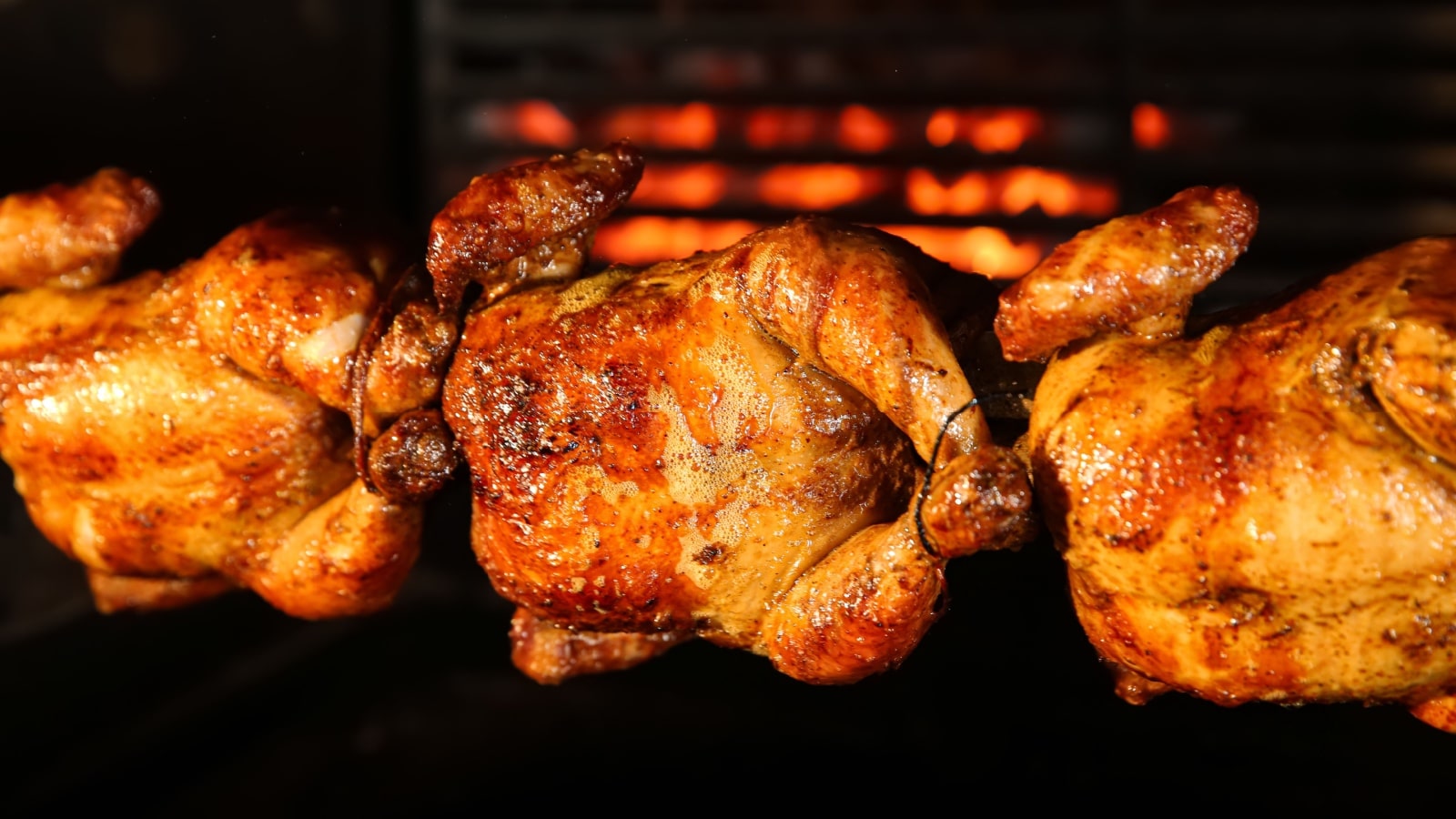
Hot-hold time directly affects moisture retention and food safety. USDA food-holding guidelines emphasize strict time limits, and chickens sitting for extended periods lose both juiciness and flavor.
Early batches consistently outperform end-of-day purchases.
Bulk Frozen Dinners

Ultra-processed frozen meals typically carry heavy sodium loads. The American Heart Association recommends a daily cap of 2,300 milligrams, yet many single trays deliver more than half that amount.
NIH research on ultra-processed foods also links frequent consumption to higher calorie intake and weight gain.
Value Ice Cream Tubs

Lower-cost ice cream often contains more stabilizers and incorporates more air to reduce ingredient expense. That formula produces a lighter texture and faster melt compared with premium brands. P
ost-pandemic shoppers are increasingly “trading up” in ice cream, according to dairy industry sales data, favoring smaller containers with higher butterfat.
Out-of-Season Fresh Berries

Berries travel thousands of miles when out of season, and cold storage reduces aroma compounds and natural sugars. USDA post-harvest studies show measurable losses in flavor and firmness during extended transit.
Seasonal buying delivers better taste and longer fridge life.
Deli Sliced Meats

The CDC identifies deli meats as a leading listeria risk for older adults and pregnant women because slicing equipment and moist storage environments allow bacterial growth.
Pre-packaged sealed options often provide more consistent safety control.
Prepared Sushi in Low-Traffic Locations

Fresh sushi depends on same-day turnover. Slower stores extend display time, which affects both texture and food-safety margins.
Consumer demand for restaurant-quality grab-and-go sushi continues to rise, but performance varies widely by location.
Cheap Cooking Oils in Clear Plastic
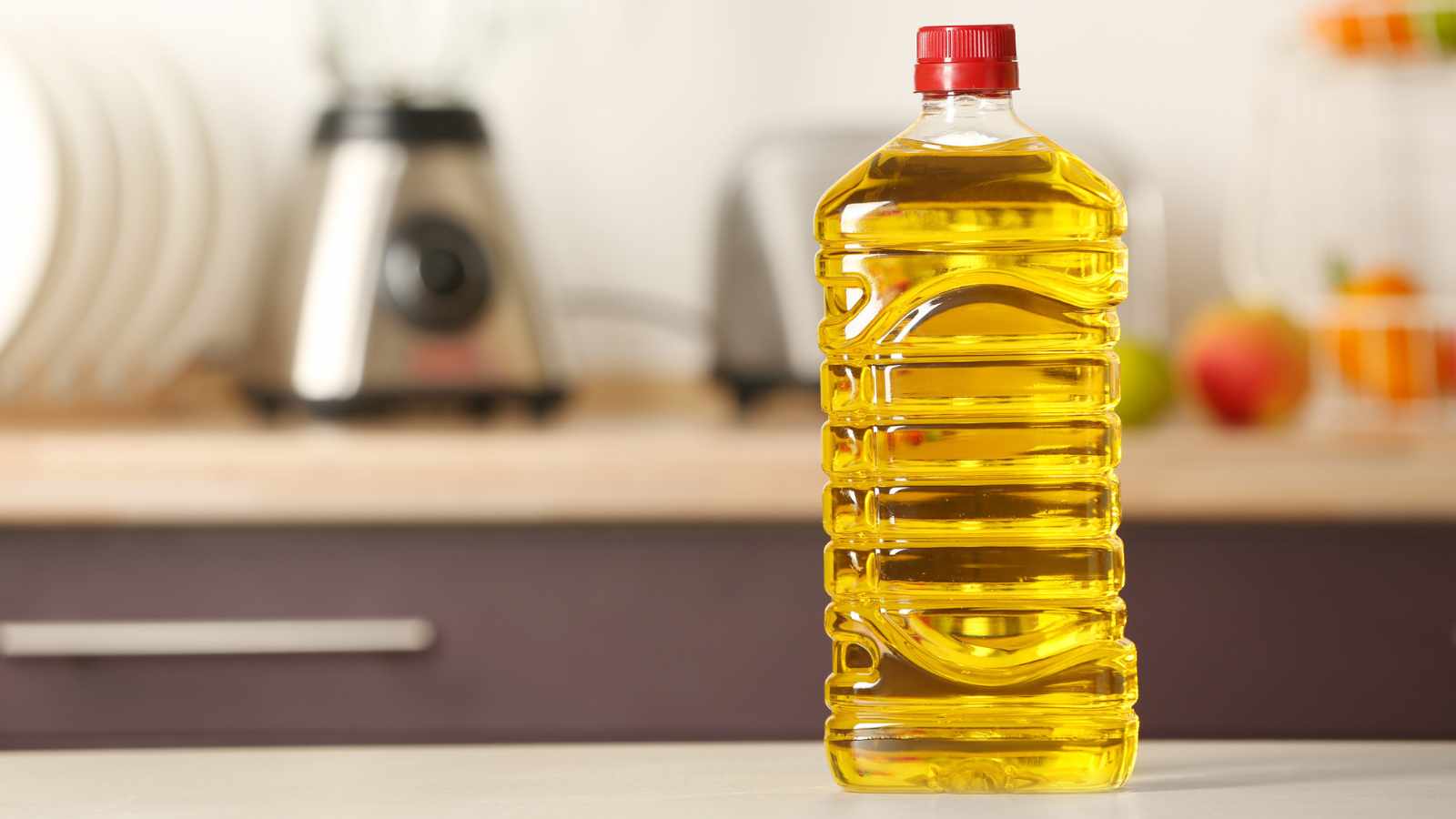
Light and heat accelerate oxidation in cooking oils. Food-chemistry research shows that degraded oils lose antioxidants and develop rancid flavors faster.
Dark bottles or high-turnover inventory better protect quality.
Giant Bags of Chips

Supersized snack bags look economical, yet exposure to air after opening rapidly stales the product. USDA food-waste data shows snack foods are frequently discarded before finishing, erasing the per-ounce savings.
Key Takeaways

- Walmart dominates on price, but quality varies most in highly perishable and ultra-processed categories.
- Food safety events are usually supplier-driven, yet high-volume retailers feel the impact fastest.
- Private label growth reflects inflation-era shopping habits and long-term behavioral change.
- Smart shoppers split trips: Walmart for shelf-stable value, other grocers for peak fresh quality.
Disclosure: This article was developed with the assistance of AI and was subsequently reviewed, revised, and approved by our editorial team.
Disclaimer: This list is solely the author’s opinion based on research and publicly available information. It is not intended to be professional advice.
Like our content? Be sure to follow us.