The real cost of groceries isn’t in the price tags—it’s in the unnoticed habits that shape them.
Many people head into the grocery store with the best intentions and leave wondering how their bill got so high. It’s easy to assume you’re saving money because you’re not eating out, but your habits in the aisles often say otherwise. Overspending isn’t just about luxury items. It’s about patterns that quietly add up.
Every small choice has a cost. Buying in bulk can backfire. Deals aren’t always deals. Even loyalty cards can lure you into spending more. You don’t have to become a coupon-cutting expert to fix it, but you do need to pay attention to what’s draining your wallet each week. Here’s where your grocery habits might be hurting your budget more than helping.
Prioritizing Convenience Over Cost

Pre-cut fruits, bagged salads, and ready-made meals cost significantly more than whole versions. You’re often paying double or more for time-saving packaging. If you take five extra minutes to chop your own vegetables, you’ll see a noticeable difference in your total spend.
Ignoring Unit Prices
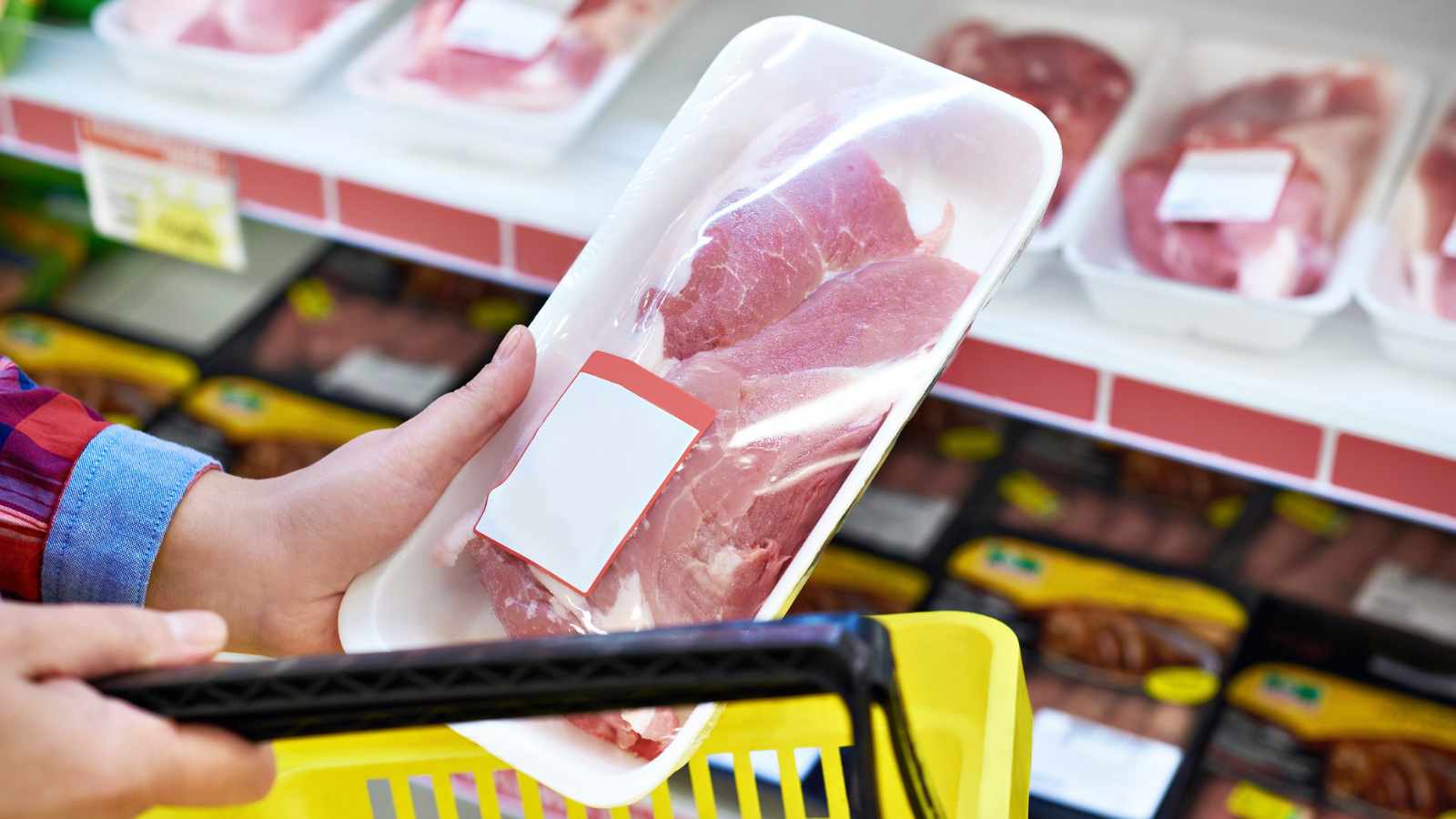
It’s not about how much the item costs, but how much you’re getting per ounce or gram. Unit pricing helps you compare similar products instantly, yet many shoppers overlook it. This is how premium brands sneak higher prices past you. Pay attention and you’ll spot overpriced items fast.
Always Buying the Biggest Size

Bigger isn’t always cheaper. Bulk purchases only save you money when you use everything before it goes bad. A USDA report estimated that American households waste nearly 31% of the food they buy. If you’re tossing expired yogurt or stale chips, you’re not saving; you’re spending more to throw them out.
Shopping Without A Plan

Walking into a store without a list often leads to impulse buys. You grab items you already have at home, or forget ingredients that force an extra trip later. A simple meal plan keeps you focused, cuts down waste, and helps you buy only what you need. Shoppers with a list save up to 23% per trip, according to an article by Mymoneycoach.
Falling For “Buy One, Get One” Deals

BOGO offers seem like easy wins, but they usually encourage you to take home items you weren’t planning to buy. Unless it’s something you already use often, you’re just stretching your budget to store more clutter. Retailers understand how to leverage urgency and volume to influence consumer behavior.
Sticking To One Store No Matter What

Loyalty can be expensive. Not all stores price items the same. One store may offer cheaper produce, while another may offer better deals on pantry items. Shopping around strategically pays off.
Shopping While Hungry

You’ve probably heard this before, but data backs it. Studies have found that people who shop hungry tend to buy more high-calorie food and spend significantly more overall. Hunger reduces your self-control and drives cravings that translate into impulsive choices.
Falling For Product Placement Tricks

Eye-level shelves are filled with higher-margin items. Cheaper or store-brand products are often placed lower or higher on the shelf to make them less visible. Even the checkout lane is packed with tempting last-minute grabs. Stores are designed to get you to spend more. Recognize the layout and shop with intention.
Not Checking Expiry Dates

Save this article
Grabbing items without checking expiration dates often means tossing things before you even open them. Stores sometimes place older stock at the front of the store. Reach for the back or take a glance to avoid wasting money. This is especially important for dairy, meat, and bread.
Skipping Frozen And Store-Brand Alternatives

Many people assume that fresh means better, but frozen fruits, vegetables, and meats are just as nutritious and often more affordable. Store-brand items are often manufactured in the same facilities as name-brand products. You’re usually paying more for a label; smart swaps like these lower your weekly costs without lowering quality.
Buying Items Just Because They’re On Sale

A discount doesn’t make it a need. Sales can trick you into buying things you normally wouldn’t. You may think you’re saving, but spending $15 on something you don’t use is still a waste. Keep asking: Would I buy this at full price?
Not Using A Price Tracking App

Prices shift often. You save more when you know where to get the best deal. Apps like Flipp and Basket help you compare prices across nearby stores. This lets you plan smarter and avoid overpaying for the same item just because it’s closer or more convenient.
Avoiding Manual Checkout Lanes

Self-checkout may seem faster, but many people rush and make mistakes, including duplicate scans, incorrect prices, or unscanned items that are later discovered. Taking a moment at a staffed checkout lets you ask questions, catch errors, and even hand over coupons you might forget otherwise.
Letting Loyalty Points Dictate Your Spend

Rewards programs can push you to buy more just to hit point milestones. You end up spending extra to “earn” small perks. Determine whether the savings are genuine or if you’re shopping more due to a loyalty scheme. Some programs are helpful, but not if they control your decisions.
Disclaimer – This list is solely the author’s opinion based on research and publicly available information. It is not intended to be professional advice.
Like our content? Be sure to follow us.
How Total Beginners Are Building Wealth Fast in 2025—No Experience Needed

How Total Beginners Are Building Wealth Fast in 2025
I used to think investing was something you did after you were already rich. Like, you needed $10,000 in a suit pocket and a guy named Chad at some fancy firm who knew how to “diversify your portfolio.” Meanwhile, I was just trying to figure out how to stretch $43 to payday.
But a lot has changed. And fast. In 2025, building wealth doesn’t require a finance degree—or even a lot of money. The tools are simpler. The entry points are lower. And believe it or not, total beginners are stacking wins just by starting small and staying consistent.
Click here and let’s break down how.
5 Easy Steps to Change Any Habit

5 Easy Steps to Change Any Habit
We all click on them with the hope that just THIS time the secret to changing a bad habit or adopting a healthy one will be revealed and we’ll finally be able to stick to that diet, stop that one or ten things that might in the moment make us feel temporarily good but really just make us fat, unhealthy, sad, mad or just frustrated with ourselves.