

Sarah, a 68-year-old retiree, found that her savings account was shrinking faster than anticipated, two years into retirement. Her monthly costs seemed manageable—until she discovered how even modest spending was rapidly depleting her nest egg. The Employee Benefit Research Institute’s 2024 Retirement Confidence Survey found that 14% of Americans have less than $1,000 saved for retirement, so cost management is especially critical for retirees.
Unexpected financial issues can arise during retirement, which can take even the most prepared by surprise. It’s essential to keep those expenses low if you’re going to see those savings last through your golden years. Here are 12 costs retirees need to plan for, from hidden fees to lifestyle choices. Keep reading to find out what they are and how you can tackle them head-on.
High-end Cable and Satellite Television Packages

The average monthly cable package is now $217.42 per month. Many retirees lack a clear understanding of the amounts they spend on these subscriptions from their fixed incomes. Individuals who registered for premium TV packages years ago may not realize the significant impact these ongoing costs have on their finances.
Shows can now be enjoyed in more ways than ever before, thanks to modern streaming options that offer a wide range of content and flexibility. Retirees can choose the services they actually want to watch, rather than paying for bundled packages that include undesired channels.
Expensive Gym Memberships

Conventional gym memberships cost an average of $58 a month nationally. Retirees often visit the gym less frequently, but they still pay a premium price for their membership.
Some community centers, YMCA locations, and programs focused on senior fitness offer top-notch facilities for a significantly reduced fee. Most insurance plans offer gym memberships in programs like SilverSneakers, making pricy private memberships unnecessary.
Dining Out Multiple Times a Week

Business Insider notes that over the last decade, restaurant prices have increased by 4.3%. Frequent restaurant meals can quickly decimate retirement budgets. You can save money and have far more control over the nutritional content when you cook at home. Meal planning and batch cooking techniques ensure seniors enjoy variety and convenience without restaurant costs.
New Car Payments

The average new car payment rose to $740 per month in 2024, Automotive research firm Edmunds reported. It’s not only unproductive but also a sad fact that many retirees’ luxury cars and trucks are paid off when a reliable, cheaper one would suit them just fine.
New cars are not always a good investment. Used model cars can often offer just as much transportation value as new cars, without the depreciation and big payments associated with new car purchases. Most certified pre-owned programs include some of the same warranty benefits as new-car purchases.
Excessive Home Maintenance Services

The cost of professional home maintenance services has risen significantly since 2022. CNBC reports that homeowners spent up to $6,000 on average on repairs and maintenance in 2022. When you retire, you’re still holding those full-service lawn care and cleaning contracts, yet you have all the time in the world to do it yourself.
Most of the maintenance is low-skilled work that gives active retirees a way to stay fit. A cost-efficient approach is one where you utilize the company’s professional services only for the most significant projects and carry out smaller tasks on your own.
Premium Gasoline When Regular is Sufficient

Premium gasoline averages $3.90 per gallon, which is more than regular gasoline, according to the American Automobile Association’s 2024 fuel price analysis. With regular gasoline, most vehicles perform similarly, despite the prevalence of premium gas advertising.
If asked, car manuals will typically indicate the required octane level for optimal vehicle performance. Virtually all passenger car engines run smoothly on regular-grade fuel
Expensive Coffee Shop Visits

The National Coffee Association (NCA)’s consumer insight report reveals that 45% of adults had drunk specialty coffee in the past day, a higher proportion than had consumed regular coffee. Regular coffee shop visits account for 44% of discretionary expenses for retirees trying to manage their budget. Customization is key for brewing at home, and the costs add up to significant savings.
Good coffee machinery will apparently pay for itself in no time at all, and you can avoid those early-morning trips to the coffee shop when you have the perfect coffee machine at home.
Unused Club and Organization Memberships

Retirees may pay for country clubs, professional organizations, or social clubs they are no longer actively involved with. Regular monitoring of membership use enables you to identify when cancellation options or opportunities for negotiation become apparent. Many groups offer special prices for seniors or occasional-use members.
Save this article
Excessive Insurance Coverage

Healthcare insurance premiums account for 73–81% of retirees’ annual health care spending, as reported by T. Rowe Price, which offers a view of how insurance costs stack up relative to overall health care—but not as a percentage of the household budget. Retirees often can wind back their coverage and still be well covered.
Risk needs for insurance typically evolve significantly in retirement as income, asset values, and risk exposures change. Routine coverage consultations with the experienced agents can keep policy levels and costs optimal.
Big Box Groceries for Store Brand Where Quality Is Identical

On average, store brand products are cheaper than name-brand alternatives. As reported by Vision Magazine, which compiled industry research, private-label offerings now typically save consumers 21-59% compared to name brands. Your generic or store brand product is likely sourced from the same manufacturer as the name brand product, providing you with the same quality at a lower price.
Moving to store brands can actually help retirees stretch their fixed incomes, and then save money to spend elsewhere on necessities and pleasures. These changes in spending patterns may lead to a significant and positive improvement in retirement financial stability.
High Use And Premium Service Plans

The typical U.S. residential electricity bill increased from $121 in 2021 to $137 in 2022, representing a nominal 13% rise. But many retirees keep the same service levels and usage patterns in retirement that they had while working — even though they spend more time at home.
Energy savings measures and plan adjustments yield continued benefits. Many utility companies offer senior discounts, and some have energy savings incentive programs specifically designed for retirees.
Expensive Personal Care Services

The cost of personal care services, such as salons, spas, and grooming, has increased since 2020, and Americans spend a monthly amount on these services. These may be areas where retirees can downsize without sacrificing their desired standards of appearance.
Retirees typically have a fixed budget, so it is essential to budget for retirement and manage discretionary spending effectively. Exploring additional sources of income, such as part-time jobs or investing, can also provide that little bit of extra financial security. Many beauty regimens lack the guidance of a beauty salon to confirm their effectiveness or the time needed to perfect them. Basic maintenance skills help stretch out the time between professional visits.
Key Takeaways

In conclusion, effective expense management makes retirement a time of financial security, rather than one of financial fear, allowing for a comfortable living and a purposeful spending experience. The twelve cost categories detailed above are ones in which retirees can easily take back thousands of dollars per year without a degradation in lifestyle or necessary services.
The trick is in differentiating between expenses that can enhance retirement enjoyment and meaningless spending that simply drains savings accounts. Each dollar that you save by cutting expenses is a day of financial freedom and peace of mind in retirement.
Disclaimer – This list is solely the author’s opinion based on research and publicly available information. It is not intended to be professional advice.
16 Grocery Staples to Stock Up On Before Prices Spike Again

16 Grocery Staples to Stock Up On Before Prices Spike Again
I was in the grocery store the other day, and it hit me—I’m buying the exact same things I always do, but my bill just keeps getting higher. Like, I swear I just blinked, and suddenly eggs are a luxury item. What’s going on?
Inflation, supply-chain delays, and erratic weather conditions have modestly (or, let’s face it, dramatically) pushed the prices of staples ever higher. The USDA reports that food prices climbed an additional 2.9% year over year in May 2025—and that’s after the inflation storm of 2022–2023.
So, if you’ve got room in a pantry, freezer, or even a couple of extra shelves, now might be a good moment to stock up on these staple groceries—before the prices rise later.
6 Gas Station Chains With Food So Good It’s Worth Driving Out Of Your Way For
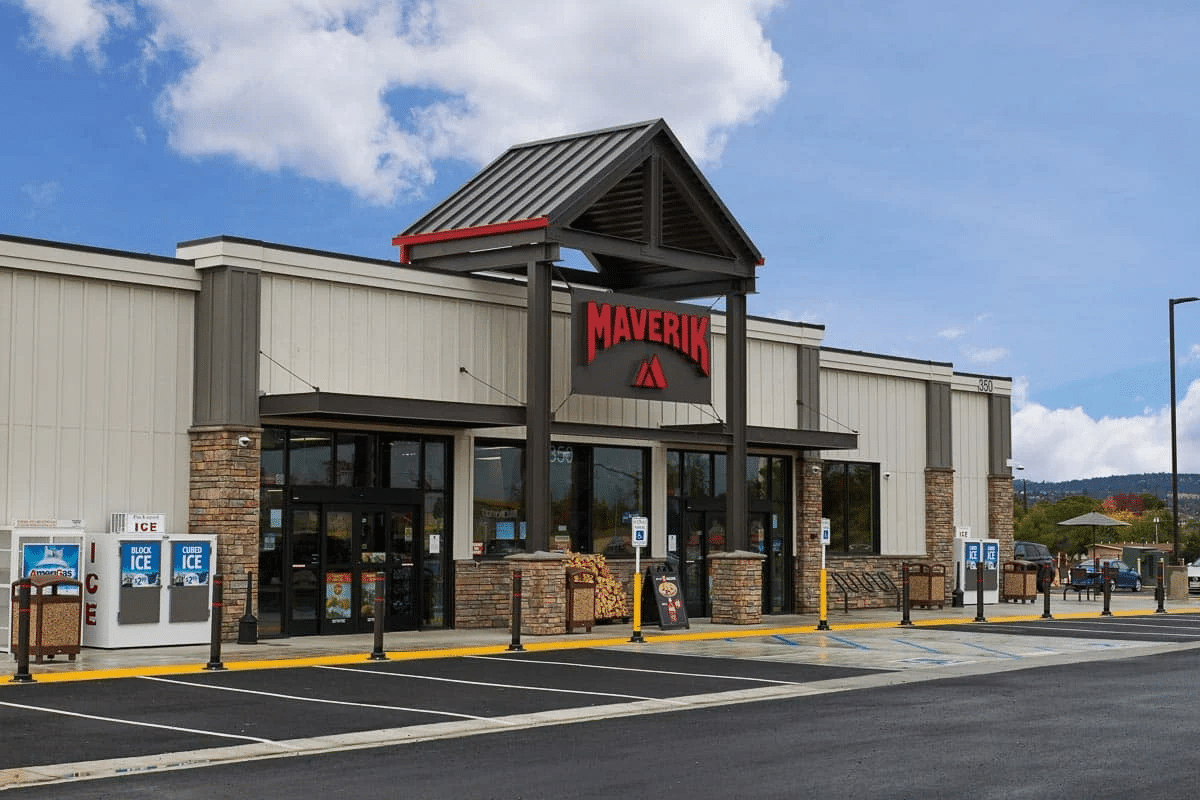
6 Gas Station Chains With Food So Good It’s Worth Driving Out Of Your Way For
We scoured the Internet to see what people had to say about gas station food. If you think the only things available are wrinkled hot dogs of indeterminate age and day-glow slushies, we’ve got great, tasty news for you. Whether it ends up being part of a regular routine or your only resource on a long car trip, we have the food info you need.
Let’s look at 6 gas stations that folks can’t get enough of and see what they have for you to eat.