

In a country that celebrates freedom and individuality, the real challenge for visitors is knowing the unspoken rules that keep things running smoothly.
The United States is a vibrant tapestry of cultures, customs, and quirks. From the bustling streets of New York City to the serene beaches of California, every corner offers something new to discover. It’s a place where individuality thrives, but also where understanding local etiquette can make all the difference. Visitors and even new residents sometimes stumble upon unwritten rules that, while not always obvious, are deeply embedded in the social fabric.
This guide isn’t about legal prohibitions; it’s about the subtle social faux pas that can lead to awkward moments or unintended misunderstandings. Think of it as a friendly heads-up from someone who’s seen it all. By being mindful of these common missteps, you can truly embrace the American experience with grace and ease. So, buckle up, and let’s explore some of those unspoken guidelines to help you blend in like a local.
Jaywalk Recklessly

While it might seem like a harmless shortcut in some cities, darting across the street against a red light or outside a crosswalk can be genuinely dangerous and is often illegal. American drivers, while generally attentive, aren’t always expecting pedestrians to appear from unexpected places. In 2022, at least 7,508 pedestrians were killed in traffic crashes in the U.S., a stark reminder of the risks involved.
Beyond the safety aspect, you might earn a stern look or even a shouted warning from a passing motorist or a police officer. It’s far better to wait a few extra seconds for the light to change or find the nearest designated crossing. Patience, in this case, isn’t just a virtue; it’s a safety measure that keeps everyone on the road and sidewalk safe.
Forget To Tip

Tipping in the U.S. isn’t just a nice gesture; it’s a fundamental part of the service industry compensation structure. Many service workers, from restaurant servers to taxi drivers, rely heavily on tips to make a living wage. A common guideline is to tip 15-20% for good service in restaurants, and a few dollars for other services like rideshares or hotel bellhops.
Failing to tip adequately can be seen as disrespectful and can significantly impact a server’s income. It’s a common misconception for international visitors, but one that’s quickly learned. When budgeting for your trip, always factor in gratuity for these services to avoid any uncomfortable situations.
Ignore Personal Space

Americans generally appreciate a bit of elbow room, even in crowded settings. Standing too close during a conversation can make people feel uncomfortable or even aggressive. Think of it as having an invisible bubble around you that people prefer not to pop without an invitation.
This isn’t about being standoffish; it’s just a cultural norm that values individual boundaries. Backing up a step or two during a chat can make a big difference in how comfortable someone feels. It’s a subtle dance of social interaction, and respecting that personal perimeter is a key step.
Cut In Line

Whether it’s at the grocery store, a theme park, or waiting for a concert, “cutting the line” (or queue-jumping as it’s known elsewhere) is a major no-no. Americans value fairness and order, and seeing someone disregard the established line can quickly ignite frustration. It’s a social contract that everyone implicitly agrees to uphold.
You might receive glares, verbal protests, or even a confrontation if you try to bypass others. It’s always best to find the end of the line and wait your turn patiently, just like everyone else. After all, good things come to those who wait, and less drama certainly qualifies!
Talk Loudly On Your Phone In Public

While some people inevitably do this, it’s generally considered poor etiquette to have loud, prolonged phone conversations in public spaces like restaurants, buses, or waiting rooms. The sound of someone’s personal chat can be disruptive and intrusive to those around them. It’s a quick way to earn exasperated sighs and annoyed glances.
Using headphones or stepping away to a more private area for a call shows consideration for others. Keeping your voice down to a reasonable level ensures you don’t inadvertently become the main attraction in a quiet space. Your fellow citizens will thank you for the peace.
Assume Everyone Owns A Car

While America is famously car-centric, especially outside major metropolitan areas, it’s a mistake to assume everyone drives or has easy access to a vehicle. Many urban dwellers rely on public transport, rideshares, or even bicycles to get around. According to a 2024 study by the American Public Transportation Association, public transit ridership accounted for 7.66 billion trips in the U.S. that year.
Making plans that solely revolve around car travel might exclude friends or acquaintances who don’t drive. Always consider alternative transportation options or offer to carpool if you’re making plans with people whose driving habits you’re unsure of. It’s about being inclusive and understanding varied lifestyles.
Be Overly Pessimistic

Americans generally lean towards optimism and a “can-do” attitude, even when facing challenges. While it’s fine to express genuine concerns, constant negativity or cynicism can be a social damper. People often prefer to focus on solutions or silver linings rather than dwelling on problems.
This isn’t to say you can’t have bad days, but a pervasive gloomy outlook might be a bit jarring in certain social circles. Try to find the positive, or at least approach difficulties with a constructive mindset, to better connect with others. A little bit of cheer can go a long way.
Disregard Flag Etiquette
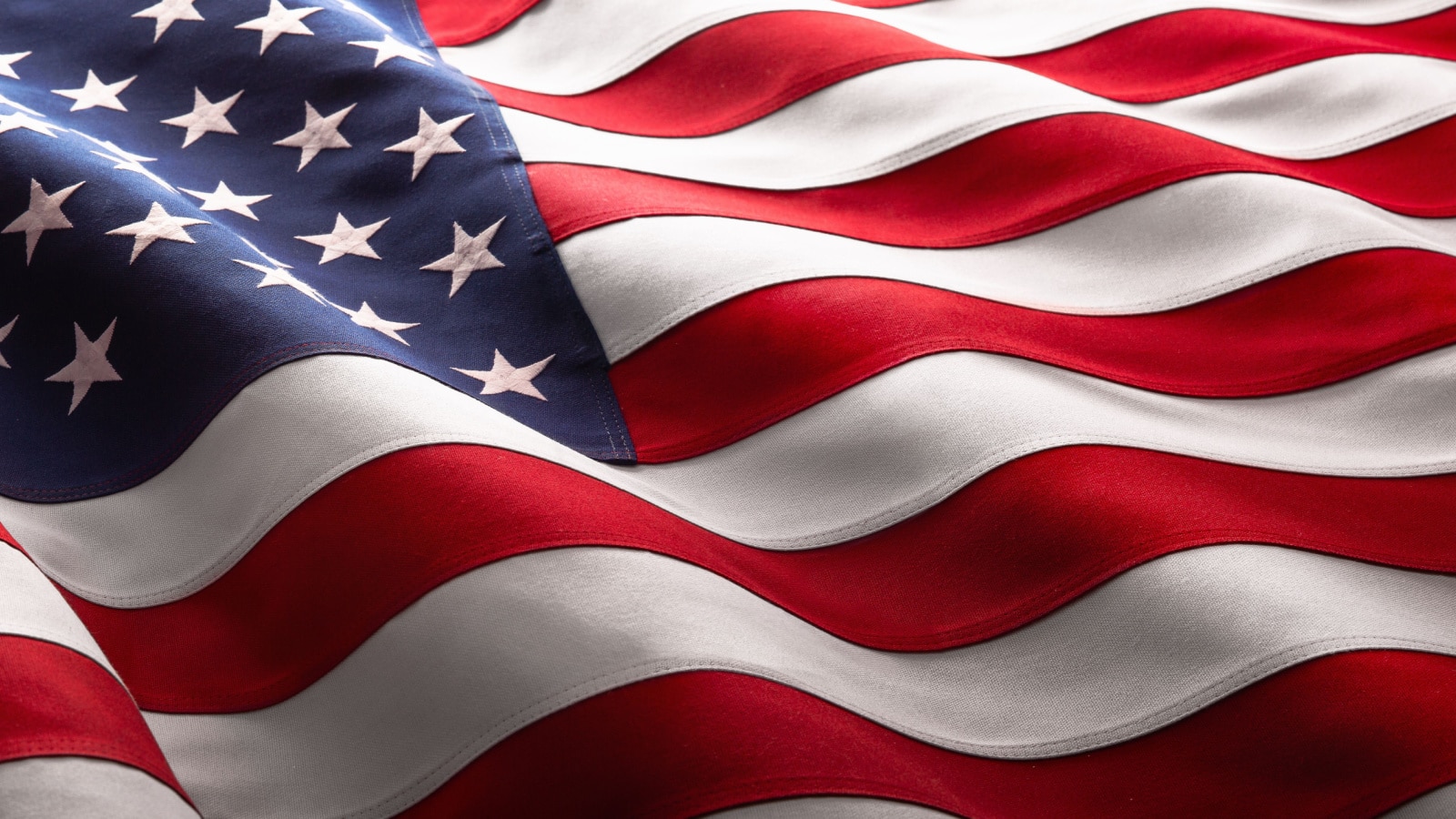
The American flag holds significant meaning for many citizens, and there are specific customs surrounding its display and handling. Allowing the flag to touch the ground, flying it tattered, or using it as clothing are generally considered disrespectful. While not legally enforced for individuals in most cases, it can provoke strong reactions.
Save this article
If you’re displaying a flag, ensure it’s in good condition and flown correctly. Understanding and observing these traditions shows respect for a deeply ingrained national symbol. It’s a small detail that can speak volumes about your awareness.
Show Up Empty-Handed To A Potluck

If you’re invited to a potluck or a casual dinner party, showing up without a dish to share, a bottle of wine, or a small gift for the host is generally frowned upon. It’s a social convention that demonstrates your appreciation and contribution to the gathering. Think of it as bringing something to the table, literally.
Even if the host insists, “just bring yourself,” a small token is always a thoughtful gesture. A simple dessert, a side dish, or even a bouquet of flowers can make a great impression and show you’re a considerate guest. It’s about reciprocity and good manners.
Engage In Political Or Religious Debates With Strangers

While Americans are generally opinionated, launching into deep political or religious discussions with new acquaintances or strangers can quickly become awkward or even confrontational. These topics are often deeply personal and can be highly sensitive, making them poor choices for casual conversation starters. According to a 2023 Pew Research Center study, 61% of Americans say they often find it stressful and frustrating to talk about politics with people they disagree with.
It’s better to stick to lighter topics like hobbies, travel, or local events until you know someone better and can gauge their comfort level. Respecting differing viewpoints and knowing when to steer clear of contentious subjects can save you a lot of social discomfort. Keep it light until you know the waters.
Assume All Regional Accents Are The Same

The United States is a vast country with a remarkable diversity of accents, dialects, and regional speech patterns. Mistaking a Texan’s drawl for a Bostonian’s brogue can be amusing, but also slightly cringeworthy, especially if you try to imitate it. Each region has its own linguistic flavor, reflecting its history and culture.
It’s better to appreciate the variety rather than trying to lump everyone into one category. Asking someone where they’re from is a more respectful way to acknowledge their unique speech without making assumptions. It’s like appreciating different kinds of music; each has its own distinct rhythm.
Ignore Traffic Laws For Bicycles

Cyclists in the U.S., particularly in urban areas, are generally expected to follow the same traffic laws as vehicles. This means stopping at red lights, signaling turns, and riding with the flow of traffic, not against it. Ignoring these rules can be dangerous for both cyclists and other road users and may result in fines.
While some cities are more lenient than others, adhering to traffic regulations makes everyone safer. Treating your bike like a vehicle, rather than a pedestrian, helps maintain order and predictability on busy streets. Safety first, always.
Feed Wild Animals

It might seem like a kind gesture to offer food to squirrels, deer, or birds in parks or wilderness areas, but it’s generally a bad idea. Feeding wild animals can make them dependent on humans, alter their natural behaviors, and even make them aggressive. It disrupts the natural ecosystem and can lead to unhealthy wildlife populations.
Many parks have signs specifically asking visitors not to feed animals for these very reasons. Enjoy wildlife from a distance and let them forage for their own food, which is best for their health and survival. A fed animal is often a dead animal, as the saying goes.
Trash Public Spaces

Littering is not only illegal in most places in the U.S. but also deeply frowned upon. Leaving trash in parks, on beaches, or even just tossing something out of your car window is considered disrespectful to the environment and the community. Americans generally take pride in keeping their public spaces clean.
Always look for a trash can or recycling bin, and if you can’t find one, hold onto your waste until you can dispose of it properly. “Leave no trace” is a widely embraced principle, especially in natural areas, reflecting a collective responsibility to preserve beauty. A clean environment benefits everyone.
Disclaimer – This list is solely the author’s opinion based on research and publicly available information. It is not intended to be professional advice.
Like our content? Be sure to follow us.
How Total Beginners Are Building Wealth Fast in 2025—No Experience Needed

How Total Beginners Are Building Wealth Fast in 2025
I used to think investing was something you did after you were already rich. Like, you needed $10,000 in a suit pocket and a guy named Chad at some fancy firm who knew how to “diversify your portfolio.” Meanwhile, I was just trying to figure out how to stretch $43 to payday.
But a lot has changed. And fast. In 2025, building wealth doesn’t require a finance degree—or even a lot of money. The tools are simpler. The entry points are lower. And believe it or not, total beginners are stacking wins just by starting small and staying consistent.
Click here and let’s break down how.





