
Look, I’m not here to sugarcoat things or throw around feel-good platitudes about women’s health. The reality? We’re living in 2025, and women are still getting the short end of the stick when it comes to healthcare. Sure, we can book a doctor’s appointment with an app and track our periods with fancy tech, but the underlying issues? They’re still pretty shocking.
After digging through the latest research and talking to way too many women who’ve been dismissed by doctors (myself included), I’ve compiled 14 facts that’ll make you rethink everything you thought you knew about women’s health. Spoiler alert: some of these will make you mad, but knowledge is power, right?
Women live 25% more of their lives in poor health

Here’s a fun paradox for you: women live longer than men, but we spend way more of those extra years feeling terrible. According to recent data from the World Economic Forum and McKinsey, women spend significantly more years dealing with disability and chronic illness compared to men, despite our longer lifespans.
Think about it – we’re trading quality for quantity, and honestly? That’s not the flex we thought it was. This disparity isn’t just about genetics; it’s about how our healthcare system approaches women’s health from the get-go.
The kicker? Much of this poor health is preventable or manageable with proper care and attention. But first, we need to acknowledge that living longer doesn’t automatically mean living better.
Women’s heart health remains underdiagnosed and undertreated

This one grinds my gears. According to a major study published in the European Heart Journal, women are 50% more likely to be misdiagnosed after a heart attack compared to men. Why? Because heart attack symptoms in women often don’t match the “classic” male presentation that doctors are trained to recognize.
Women might experience fatigue, nausea, or back pain instead of the dramatic chest-clutching scene you see in movies. As a result, women are diagnosed with heart attacks later than men, often when the damage is already more severe.
According to the American Heart Association, cardiovascular disease is the no. 1 killer of women, responsible for 1 in 3 female deaths each year—more than all cancers combined. Yet, it’s still seen as a “man’s disease.” This misconception is costing women their lives, and it needs to change yesterday.
Cancer is the leading cause of death for women worldwide
I hate to be the bearer of bad news, but cancer accounts for 1 in 6 deaths among women globally. Even more alarming? Women under 50 are nearly twice as likely as men in the same age group to develop cancer. According to the American Cancer Society, the cancer incidence rate in women under 50 has surged. It is now 82% higher than in men of the same age group.
This isn’t just about older women – we’re talking about women in their prime childbearing and career-building years. What are the types of cancers that affect women the most? Breast, cervical, ovarian, and lung cancers are leading the charge.
What gets me is that many of these cancers are highly treatable when caught early. Yet access to screening and early detection varies wildly depending on where you live and what insurance you have. It’s 2025, people – this shouldn’t be a lottery system.
Reproductive health risks remain high and uneven globally
Every year, approximately half a million women die from cervical and breast cancer. Many of these deaths are entirely preventable with early screening and hpv vaccination. Yet access to these life-saving interventions varies dramatically based on geography and socioeconomic status.
In some parts of the world, a simple pap smear or mammogram can be the difference between life and death, but these basic screenings remain out of reach for too many women. It’s a stark reminder that reproductive health is still very much a privilege rather than a right for many women globally.
The hpv vaccine, which can prevent most cases of cervical cancer, has been available for nearly two decades. Yet, vaccination rates remain inconsistent worldwide due to access issues and misinformation.
Menopause affects more than one million U.S. women annually
Every year, over one million American women enter menopause, typically between the ages of 45 and 55. That’s like the entire population of San Jose, California, suddenly dealing with hot flashes, mood swings, and a medical system that shrugs and says, “deal with it.”
Here’s what bugs me: menopause affects literally half the population at some point, yet it remains this weirdly taboo topic. Women are expected to suffer in silence through symptoms that can seriously impact their work performance, relationships, and overall quality of life.
The good news? More companies are finally recognizing menopause as a workplace issue, and research into menopause management is getting the funding it desperately needs. About time, honestly.
Women face significant barriers to quality primary and specialty care

Here’s a reality check: women are diagnosed with chronic diseases several years later than men, even for conditions like diabetes and cancer that affect both sexes similarly. This isn’t because women are healthier – it’s because our symptoms are more likely to be dismissed or minimized.
How many times have you heard a woman say her doctor told her to “just lose weight” or that her symptoms were “probably stress”? This dismissive attitude delays proper diagnosis and treatment, leading to worse outcomes for women across the board.
Access to specialty care is another major hurdle, especially for reproductive health. In many areas, women have to travel hours to see a gynecologist or reproductive endocrinologist, creating additional barriers to getting the care they need.
Mental health conditions hit women hardest

Women are nearly twice as likely as men to develop major depression. Add pregnancy and postpartum into the mix, and about 1 in 5 women experiences mental health challenges during or after pregnancy.
But here’s the thing – it’s not just about hormones (though they don’t help). Women face unique stressors: career-family balance pressures, societal expectations, wage gaps, and let’s be real, the mental load of managing everyone else’s lives while trying to maintain our own.
The silver lining? Mental health awareness has exploded in recent years, and women are more likely to seek help when they need it. Still, accessing quality mental healthcare remains a challenge for many women, especially those in underserved communities.
Chronic stress disproportionately affects women’s health

Save this article
Women experience chronic stress at higher rates than men, and this isn’t just about being “dramatic” or “emotional” (eye roll). Gender-specific factors, hormonal changes, and societal expectations combine to create a perfect storm for anxiety, depression, and stress-related heart conditions.
The mental load of managing households, caring for children, and aging parents, while maintaining careers, creates a unique stress profile for women. Add in hormonal fluctuations throughout our lives, and it’s no wonder chronic stress is such a significant health issue for women.
The good news? Stress management techniques specifically designed for women are becoming more available, from hormone-aware therapy approaches to workplace wellness programs that acknowledge the unique stressors women face.
Research funding for female-specific conditions is shockingly low

Ready for this jaw-dropper? Conditions like PMS, endometriosis, and menopause make up 14% of women’s health burden but receive less than 1% of research funding. Let that sink in for a moment.
We’re talking about conditions that affect millions of women worldwide, yet they’re treated like afterthoughts in medical research. Endometriosis alone affects 1 in 10 women of reproductive age, but it takes an average of 7-10 years to get diagnosed.
This funding gap means women are living with painful, debilitating conditions that could potentially be better treated or even cured if researchers had the resources to study them properly. It’s frustrating and frankly, unacceptable.
Routine health screenings save lives

This one’s pretty straightforward but worth emphasizing: routine screenings for heart health, reproductive health, cancer, bone density, and diabetes can literally save your life. Starting these screenings in early adulthood and maintaining them throughout life is essential.
Yet many women skip or delay screenings due to cost, time constraints, or simply not knowing what they need and when. The American Cancer Society and other organizations have clear guidelines, but healthcare providers don’t always communicate these effectively to patients.
For your information, if you’re unsure about the screenings you need and when, consider asking your doctor for a personalized screening schedule. Don’t let anyone brush off your questions – this is your health we’re talking about.
Menstrual health impacts social, economic, and workplace participation

Here’s a stat that’ll blow your mind: investing in menstrual health reduces workplace absenteeism by 62% and lowers workforce turnover by 23%. Yet period poverty and lack of menstrual accommodation in workplaces remain significant issues.
Many women still can’t afford period products or don’t have access to clean facilities to manage their periods safely. This isn’t just a “women’s issue” – it’s an economic issue that affects entire communities and economies.
Progressive companies are starting to offer menstrual leave and free period products. However, we’re still far from normalizing conversations about periods in professional settings. It’s 2025, and we’re still whispering about tampons like it’s 1950.
Femtech and non-invasive diagnostics are transforming care
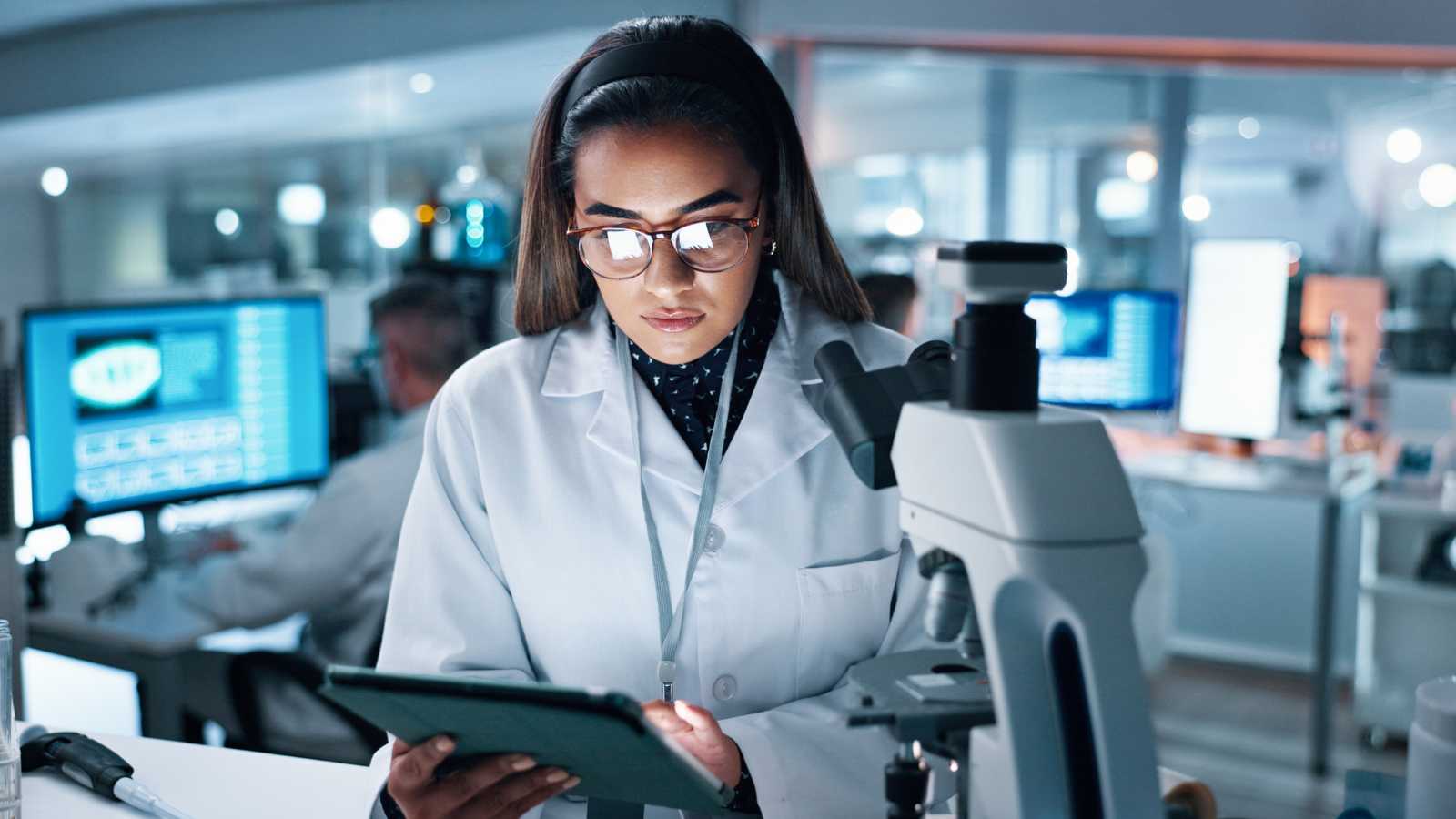
Finally, some good news! AI, mobile apps, and remote wellness monitoring are becoming central to women’s hormonal, reproductive, and mental health care in 2025. Femtech is booming, and honestly, it’s about time.
From apps that can predict fertility windows with incredible accuracy to AI-powered tools that help diagnose conditions like endometriosis earlier, technology is filling gaps that traditional healthcare has left wide open.
Wearable devices can now track everything from sleep patterns during menopause to blood glucose levels during pregnancy. Non-invasive diagnostic tools are making it easier to monitor women’s health without the discomfort and inconvenience of traditional testing methods.
Women spend only 7% of global healthcare budgets on female-specific needs

Despite representing half the population, women spend roughly 7% of their global healthcare budgets on female-specific needs. This underinvestment worsens health gaps and delays progress on conditions that affect only women.
Think about it – we’re literally underinvesting in half the population’s health needs. This isn’t just unfair; it’s economically stupid. When women are healthier, families are stronger, communities thrive, and economies grow.
Increasing investment in women’s health isn’t charity – it’s smart policy that benefits everyone.
Closing the women’s health gap could boost global GDP by $1 trillion

Here’s the kicker that should get everyone’s attention: closing the women’s health gap could boost global GDP by $1 trillion annually by 2040. That’s trillion with a t, people.
Investing in women’s health leads to longer, healthier lives, reduced disease burden, and greater social and economic productivity. When women are healthy, they can fully participate in the workforce, care for their families, and contribute to their communities.
This isn’t just about doing the right thing (though it is that too) – it’s about recognizing that women’s health is fundamental to global economic prosperity and social development.
The math is simple: healthier women = healthier families = stronger communities = better economies. It’s time we started treating women’s health as the economic and social priority it truly is.
In my opinion, these facts paint a pretty clear picture – we’ve got work to do, but we also have more tools and awareness than ever before. The question is: are we ready to use them? 🙂
Disclaimer–This list is solely the author’s opinion based on research and publicly available information. It is not intended to be professional advice.
Like our content? Be sure to follow us





