

When I studied abroad in Europe, I made the rookie mistake of offering my new friends some American snacks I had packed “just in case I got homesick.” You should’ve seen their faces when I pulled out a pack of bright orange cheese puffs and a can of spray cheese. One of them actually asked, “Is that… edible?” I laughed—until I realized they weren’t joking.
Certain American brands enjoy widespread acceptance. It is noteworthy that McDonald’s operates in over 100 countries, and Coca-Cola products are readily available on every continent. However, many popular American food items face significant resistance abroad.
It is essential to consider the contents of the food we consume.
Ractopamine-Fed Pork
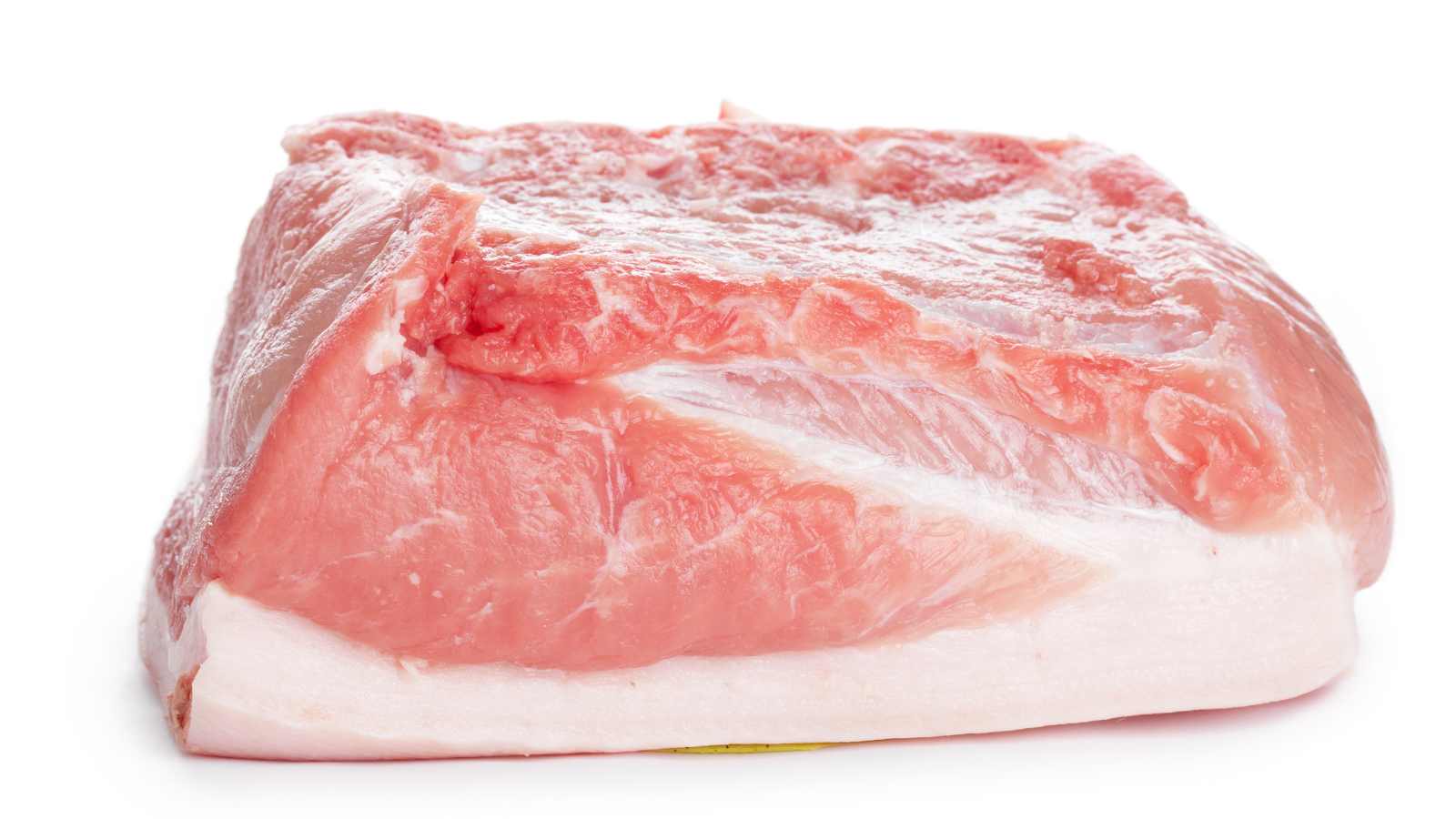
Ractopamine, a feed additive added to pig feed to promote muscle growth, allows producers to maximize their return on investment. Even though it has been approved by the U.S. FDA, over 160 countries, including China, Russia, and the entire European Union, ban pork from animals treated with it. Over 60% of U.S. pigs are fed ractopamine.
Studies of the drug have shown associations with increased heart rate, behavioral issues, and tremors in humans and animals. The UN food safety organisation, the Codex Alimentarius Commission, has failed to reach an agreement on food safety, highlighting the controversy surrounding the issue globally.
China notoriously suspended entire shipments of U.S. pork in recent years after tests detected trace amounts of ractopamine residues, citing food safety violations. The U.S. pork industry maintains that the drug is safe at approved levels, but growing global opposition suggests otherwise.
Chlorine-Washed Chicken

US chicken producers habitually dip killed chickens in a chlorine dioxide solution to destroy pathogens like Salmonella and Campylobacter.
Although the practice is deemed safe by the FDA, the European Union has banned chlorine-washed poultry since 1997. Opponents argue that using chlorine allows producers to take shortcuts in terms of hygiene during rearing and processing.
Chemical washes can “mask unhygienic practices rather than resolve them,” a report by the European Commission has stated. The ban has also been symbolic of Europe’s adoption of the “farm-to-fork” approach, prioritizing cleanliness along the entire production chain.
In a 2018 YouGov survey, 82% of Britons did not wish to see the ban lifted. While Americans consume nearly 100 pounds of chicken per capita annually, the world demands that their poultry be free of chemicals.
Artificial Food Dyes (Yellow 5, Red 40)

Vividly colored American cereals, candies, and drinks owe their color to artificial dyes like Red 40, Yellow 5, and Blue 1, which dazzle consumers, especially children. These petroleum-derived dyes are linked to hyperactivity, allergies, and behavioral issues.
A seminal Lancet study in 2007 confirmed a link between synthetic food dye and hyperactivity in children, prompting the EU to require warning labels on foods containing these additives.
Norway, Austria, and Finland have outlawed some of these dyes altogether. More than 90% of food dyes on the U.S. market are linked to health issues in children, according to the Center for Science in the Public Interest (CSPI). Despite this, the FDA continues to allow their use.
European brands have reformulated products to use natural colorings, such as paprika extract or beet juice, in place of synthetic dyes. Americans, however, must read nutrition labels to uncover the hidden dangers behind those eye-catching colors.
Brominated Vegetable Oil (BVO)

Similarly, brominated vegetable oil (BVO) continues the story of American additives that find themselves on the global chopping block. Brominated vegetable oil, or BVO, is an additive in citrus sodas to keep ingredients from separating into their unfiltered versions; it just looks better on Instagram!
BVO contains bromine, also an ingredient in some flame-retardant materials, and was reported to be concerning to health agencies. BVO has also been banned by the European Union, Japan, and India, where it was reported that the chemical can cause neurological problems and hormone disruption.
A study on rats published by Environmental Health Perspectives referenced that memory loss, tremors, and infertility were associated with BVO. In 2013, under pressure from consumers, PepsiCo announced the removal of BVO from Gatorade.
According to the Environmental Working Group (EWG), more than 80 sodas and beverages are still sold in the United States with BVO in their ingredient lists. It is also worth noting that if bromine is present in your furniture, it’s puzzling that it’s still bubbling in your soda.
Genetically Modified (GMO) Corn

Good luck finding a U.S. cornfield that isn’t packed with GMO corn. It is found in more than 90% of U.S. cornfields, according to the USDA. Engineered to be pest- and herbicide-resistant, it boosts yields but sparks fiery controversy overseas.
Countries including France, Germany, and Austria have banned the planting of GMO corn and its imports. One reason? Studies remain conflicted regarding the long-term health effects, environmental impact, and potential species extinction.
A Pew Research Center survey concluded that 51% of Europeans view GMOs as unsafe to eat. For context, only 39% of Americans harbor such concerns, which prompts considerations of a cultural divide. A limited number of countries mandate GMO labeling.
The United States has gradually begun to increase transparency, primarily through limited disclosures and the implementation of the “Bioengineered” label law. Critics argue that the US regulatory environment is comparatively more lenient; however, international markets are becoming increasingly skeptical.
Potassium Bromate in Bread

Potassium bromate, a flour improver, gives bread that soft, airy texture many Americans love. It’s a U.S. commercial baker’s favorite because it makes dough pliable and speeds up the baking process.
Yet the use of potassium bromate is banned in countries such as the United Kingdom, Canada, Brazil, and the European Union, because it has been classified as a potential human carcinogen by the International Agency for Research on Cancer.
Animal studies show the carcinogenic action of potassium bromate, inducing tumors in the kidney, thyroid, and other organs. In California, it is listed under Proposition 65, as known to cause cancer, to carry warning labels on products containing it. Despite that, the FDA still allows its use, although many bakeries have voluntarily stopped.
Over 100 brands of baked products in the United States still contain potassium bromate, according to the Environmental Working Group. Consumers might be biting into a bagel with much more than cream cheese surprises.
Farm-Raised Salmon (with Artificial Coloring)

Wild salmon get their pinkish hue naturally from eating krill and shrimp, but farm-raised salmon do not. To simulate that flavorful color, U.S. farms often give salmon synthetic astaxanthin or canthaxanthin, colorants banned in some countries unless specifically labeled as such.
The additives can accumulate in fish tissue and potentially affect human hormone levels or damage the retina when consumed in excess, according to a study published in the Journal of Nutrition.
The European Union enforces rigorous labeling requirements for artificially colored fish to ensure that consumers are well-informed. In contrast, legislation in the United States does not impose similar disclosure mandates, leading to situations where salmon may be artificially colored without a clear indication.
While consumers in the United States may prioritize omega-3 fatty acids, they might overlook the presence of synthetic color additives in their dishes. To cater to health-conscious individuals who wish to avoid artificial coloring, it is advisable to seek products labeled as “wild-caught.”
rBGH (Recombinant Bovine Growth Hormone) milk

rBGH is an artificial hormone given to dairy cows to increase milk output, but it’s banned in countries like Canada, Japan, Australia, and across the EU. The hormone increases levels of insulin-like growth factor 1 (IGF-1) in milk, which studies suggest may be associated with an increased risk of breast, prostate, and colorectal cancers.
The American Cancer Society acknowledges ongoing research but has not ruled out the risk of the hormone. Milk produced with rBGH also leads to more infections in cows, which in turn causes increased antibiotic use, a factor contributing to the development of antibiotic-resistant bacteria.
Despite these issues, the FDA still approves the use of rBGH and does not mandate labeling. A majority of large dairies have discontinued the use of rBGH due to consumer pressure, according to the Cornucopia Institute, although it’s still present in many mainstream products.
In countries where the hormone has been banned, milk flows freely, just without the lab-grown boost. Shoppers stateside have to read between the (milk) lines to avoid it.
Azodicarbonamide in Baked Goods

Azodicarbonamide (ADA) is utilized as a dough conditioner in commercial bread-making and also in yoga mats, hence the reference to it as “the yoga mat chemical.”
Prohibited in the UK, Australia, and the majority of Europe, ADA has been connected with respiratory issues, particularly for those workers subjected to it during production. The World Health Organization recognizes it as a respiratory sensitizer, indicating that it has the potential to induce asthma and allergic reactions.
Save this article
In food, it helps give buns and bagels their springy texture, but at what cost? Subway removed ADA from its bread in 2014 after a viral campaign by food blogger Vani Hari (a.k.a. “Food Babe”). However, ADA remains present in many U.S. processed foods, including fast food burger buns and frozen pizza crusts.
The FDA allows it at levels up to 45 parts per million, although concerns exist about breakdown products, such as semicarbazide, a potential carcinogen. On the other side of the ocean, EU regulators haven’t accepted any trace at all since 2005.
Frozen Dinners Containing Propylparaben

Propylparaben is a preservative used in frozen dinners and packaged baked goods to extend shelf life; however, it’s not considered safe by many countries. The European Food Safety Authority banned it in food in 2006, citing its potential to disrupt endocrine function and mimic estrogen.
A 2020 Harvard study linked propylparaben to fertility issues in both women and men. It’s also been associated with lower testosterone levels and reduced sperm quality in animal research. Despite mounting evidence, the FDA allows its continued use in foods without labeling.
This chemical is used in dozens of frozen desserts, snacks, and energy bars, says the Environmental Working Group. It’s safe in small quantities, say U.S. companies, but long-term cumulative exposure remains a concern. Foreign watchdogs are taking no chances, but America continues to reheat its TV dinners with a blind eye.
Olestra in Fat-Free Chips
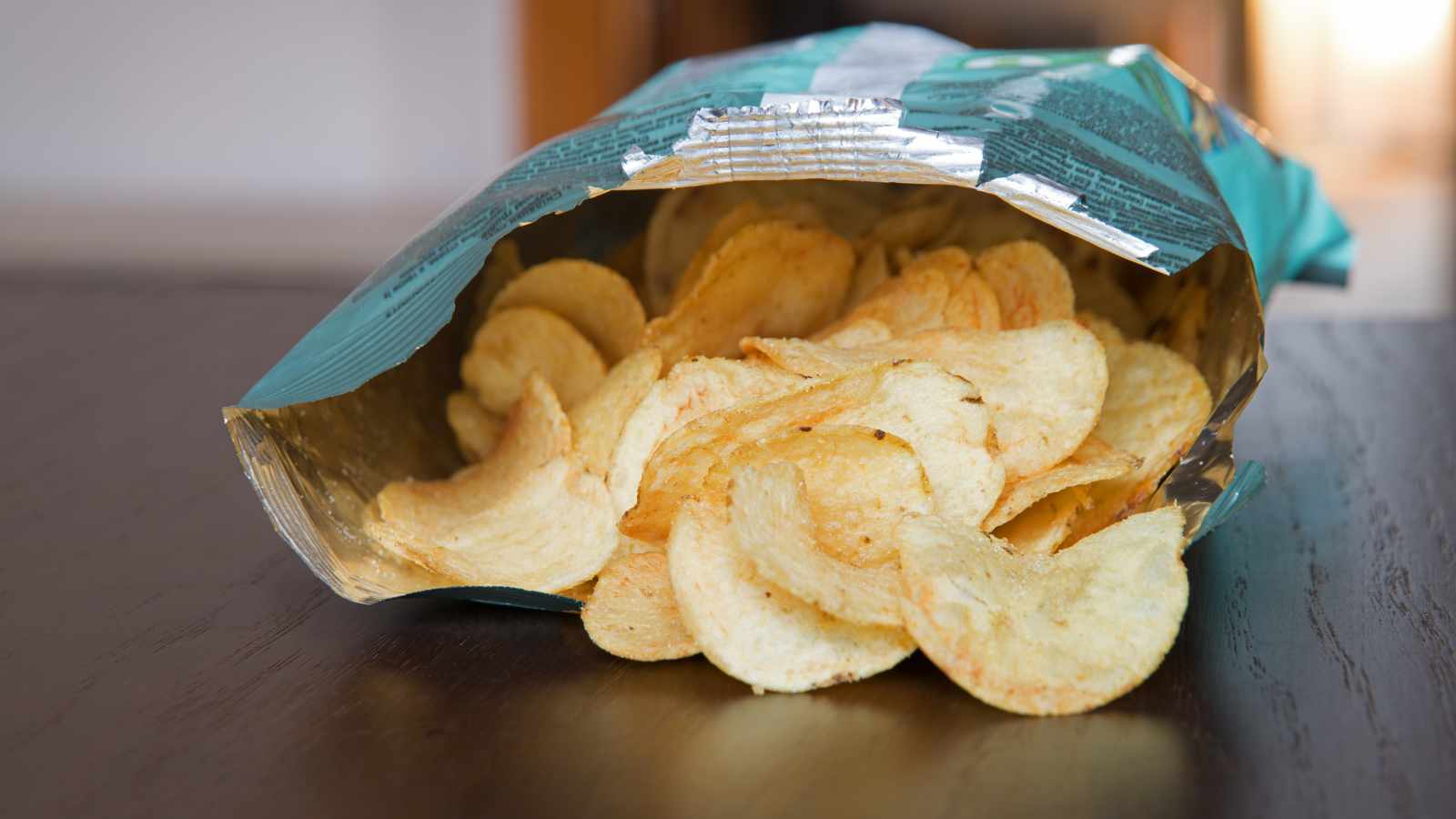
Olestra, an artificial fat substitute, was the diet food star of the ’90s. It was the promise of guilt-free fatty potato chips, but with a price: cramping, diarrhea, and the wonderfully vague “anal leakage” warning label. Banned in Canada and the EU, Olestra interferes with the body’s absorption of fat-soluble vitamins A, D, E, and K.
Additionally, it can reduce the body’s uptake of beneficial antioxidants, according to a study by the Yale School of Public Health. Although U.S. labels once required a bold warning, the FDA relaxed its rules after manufacturers reformulated their products to meet the new standards.
Olestra still appears in reduced-fat chips, such as Lay’s Light, and other specialty diet products. Although sales plummeted after public backlash, the product hasn’t been completely exiled. Foreign countries continue to block their entry, showing a commitment to vigilance over calorie-counting convenience.
High-Fructose Corn Syrup (HFCS)

High-fructose corn syrup (HFCS) is the dominant sweetener found in many American processed foods, appearing in products ranging from ketchup and bread to salad dressing and soda.
Although it is not banned globally, many countries limit or tax its use due to its strong association with obesity, Type 2 diabetes, and nonalcoholic fatty liver disease. A 2012 study published in The Journal of Nutrition revealed that countries with higher HFCS availability had 20% higher rates of Type 2 diabetes.
In contrast, the U.S. agricultural lobby vigorously defends HFCS, while countries like the UK prefer cane sugar in sodas like Coca-Cola. Mexico has imposed taxes on HFCS, and most European countries refuse to import products containing it.
Dr. Robert Lustig, a prominent endocrinologist, has labeled HFCS as “toxic” and views it as a significant contributor to metabolic disruption in Americans. Despite these warnings, the average American consumes approximately 40 pounds of HFCS each year.
Until policies align with scientific findings, HFCS remains a common sweetener in the Standard American Diet.
Skittles (Titanium Dioxide)

While Skittles may allow you to “taste the rainbow,” they are long non-GMO-verified products that contain titanium dioxide.
This bleaching agent is banned outright in France and is being phased out across the EU. Titanium dioxide, a food coloring agent, is used to make foods appear brighter and more opaque. However, it has also recently been questioned whether it can harm DNA.
The European Food Safety Authority’s reviews, concluded in 2021, found that titanium dioxide “can no longer be considered safe as a food additive,” specifically due to its potential for biomagnification in the body and the possibility of altering cellular function within it.
The Food and Drug Administration (FDA) permits the use of titanium dioxide in the U.S. because it is classified as GRAS (Generally Recognized as Safe). This substance is found in thousands of food products in the U.S., many of which are marketed to children.
American Mountain Dew (containing BVO, HFCS, and Yellow 5)

Mountain Dew is not just a sugary beverage; it’s a chemical cocktail in a glass dressed as neon-green. Its original U.S. formula includes high-fructose corn syrup, brominated vegetable oil (BVO), and artificial colors, such as Yellow 5. These have been banned or their use severely limited in many countries.
For instance, BVO has been connected to memory issues and fertility problems, leading to bans in the EU, Japan, and India. PepsiCo reformulated international versions of Mountain Dew to accommodate these bans, but continues to sell the original formula in the U.S.
Another contentious ingredient, Yellow 5, has been linked to causing hyperactivity in children and triggering allergic reactions. A 2013 report by the FDA ranked Yellow 5 among the top food dyes most likely to produce harmful effects in the U.S. Outside the U.S., Mountain Dew is more likely to elicit the ire of regulators.
Breakfast Cereals containing Butylated Hydroxyanisole (BHA)

From Pop-Tarts to Froot Loops to instant oatmeal, BHA is found in a wide range of food products, and the National Toxicology Program has classified BHA as “reasonably anticipated to be a human carcinogen.”
At the international level, this preservative is banned in foods in the European Union, Japan, and Australia due to health concerns. There is a growing body of evidence that BHA disrupts hormone function, and hormones may affect reproductive health.
BHA is still permitted in foods in limited quantities by the FDA, possibly because it remains a cost-effective preservative. California requires food products containing BHA to carry cancer warnings, as mandated by Proposition 65. They are still on the shelves of children’s cereals.
Consumer Reports reports that there are now more than 100 breakfast foods containing BHA in the United States. Other countries, like Canada, have switched from BHA to cleaner, natural preservatives like tocopherols (Vitamin E). American brands still prefer cheap over clean.
Key Takeaways

America’s supermarkets offer a wide variety of foods, but behind the convenience of shopping for individual ingredients in-store lies an ideological battle over food safety regulation. The U.S. system gives the green light to foods unless they can be scientifically proven to be dangerous, which is a reactive regulatory measure.
Some countries in Europe employ the precautionary principle, which prohibits or restricts the use of additives until they can be proven to be safe.
This gap opens a question of fundamental public trust, especially since most Americans believe the government isn’t doing enough to regulate toxic food additives. Despite these concerns, a new wave of consumer awareness is driving demand for transparency and cleaner ingredients.
As younger generations demand healthier alternatives, U.S. food companies may begin copying ingredient lists from Europe to remain viable. This trend is a foretelling of an American shift in food culture.
Disclaimer – This list is solely the author’s opinion based on research and publicly available information. It is not intended to be professional advice.
Disclosure: This article was developed with the assistance of AI and was subsequently reviewed, revised, and approved by our editorial team.
15 foods from the ’60s most Boomers loved with a passion

15 Foods From the ’60s Most Boomers Loved With a Passion
The 1960s were a period of profound social and cultural transformation in America. As the baby boomer generation came of age, they embraced new ideas, fashion trends, and music styles. And when it came to food, some beloved dishes defined this era.
Here are 15 foods from the ’60s that most boomers loved passionately.
12 laws and rules about food in other countries

12 Laws And Rules About Food In Other Countries
Food is more than just nourishment; it’s a reflection of culture, tradition, and, in many cases, the law. Around the world, various countries have established distinct food regulations that may surprise travelers and food enthusiasts alike.
These laws reveal how deeply societies value what ends up on their plates. Here are 12 fascinating food laws and rules from around the globe that show just how diverse and sometimes unexpected our relationship with food can be.





