Subtle and sometimes not-so-subtle changes in memory, concentration, and mental flexibility are common as we age. However, cognitive aging is driven by both non-modifiable factors like genes, hormonal changes, and trauma, as well as modifiable ones such as lifestyle, stress, diet, and cardiovascular disease risk. “We can’t change our DNA or history, but we can target modifiable risks that are powerful drivers of brain aging,” says neurologist David Perlmutter, MD.
Key culprits are dopamine levels, diabetes and blood sugar control, hypertension and vascular health, and sleep. Each has been implicated in large-scale epidemiological studies of cognitive decline or protection. In a longitudinal Brazilian cohort study of over 14,000 adults called ELSA-Brasil, both diabetes and uncontrolled hypertension emerged as some of the strongest predictors of worse memory, verbal fluency, and executive function.
“The biggest contributor to cognitive decline is vascular disease,” says Richard Isaacson, MD, an assistant professor of neurology and founding director of the Alzheimer’s Prevention Clinic at the University of Florida. “The most common question I get from patients is, ‘What should I be eating?’”
As Dr. Isaacson and other neurologists explain: “If it’s good for the heart, it’s good for the brain—especially when it comes to controlling blood pressure, diabetes, and lifestyle habits after midlife.” With that in mind, here are 15 foods your brain will thank you for after 50, and how each of them maps onto the brain health pathways just described.
Fatty fish boosts dopamine and protects vascular health

Fatty fish like salmon, mackerel, and sardines are rich in omega-3 fats essential for neuronal membranes and dopamine signaling. A study published in the Journal of Neurology found that adults who ate fish at least twice a week had a 20% lower risk of cognitive decline.
Omega-3 fats also improve vascular flexibility and reduce the risk of hypertension, a major risk factor for brain aging, as cited in ELSA-Brasil.
Blueberries counteract inflammation linked to diabetes

Blueberries are rich in anthocyanins, the compounds shown to slow brain aging in women over 70 in a Harvard cohort study. They may do so by lowering oxidative stress and thereby reducing inflammation from insulin resistance.
Walnuts enhance dopamine pathways
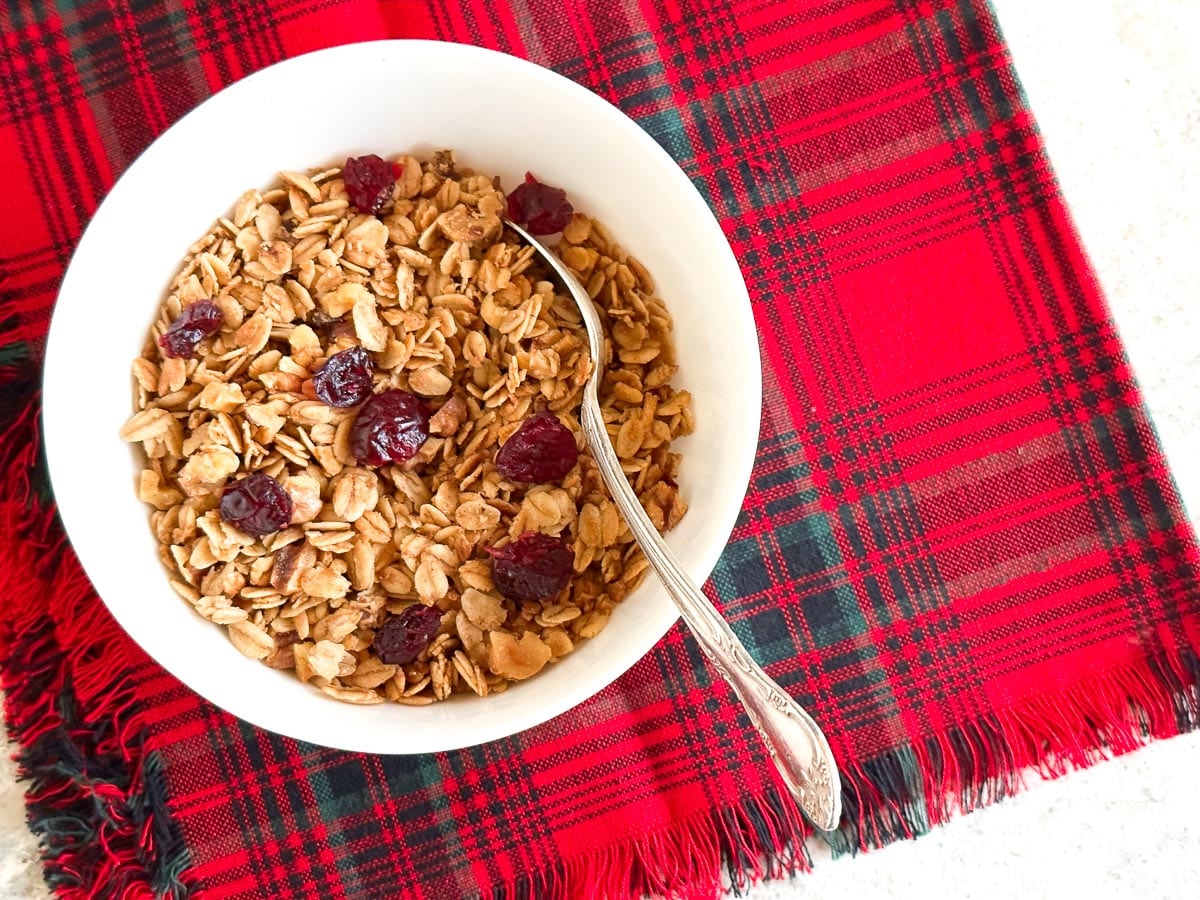
Walnuts provide alpha-linolenic acid (ALA), a plant-based omega-3 linked to support for dopamine-rich brain circuits. According to the National Center for Biotechnology Information, walnuts can “reduce neuroinflammation that damages dopamine systems critical for motivation and memory.”
Regular intake has also been associated with better cognitive test scores in midlife adults.
Spinach slows hypertension-related decline

Leafy greens, such as spinach and kale, provide vitamin K and nitrates that promote vasodilation, or the dilation of blood vessels, which directly lowers blood pressure.
In the Rush Memory and Aging Project, consuming leafy greens daily was associated with slower cognitive decline, equivalent to being 11 years younger.
Olive oil reduces arterial stiffness

Extra-virgin olive oil is a staple of the Mediterranean diet and rich in polyphenols that help lower arterial stiffness. A JAHA (Journal of the American Heart Association) study found that greater arterial stiffness was a predictor of faster decline in memory and verbal fluency.
Olive oil may help mitigate this process by maintaining blood vessel flexibility and reducing oxidative stress.
Eggs support dopamine and memory chemicals

Eggs are rich in choline, a nutrient used to make acetylcholine, a neurotransmitter central to memory. Adequate choline intake is associated with stronger dopamine signaling and sharper executive function.
Pumpkin seeds improve blood pressure regulation
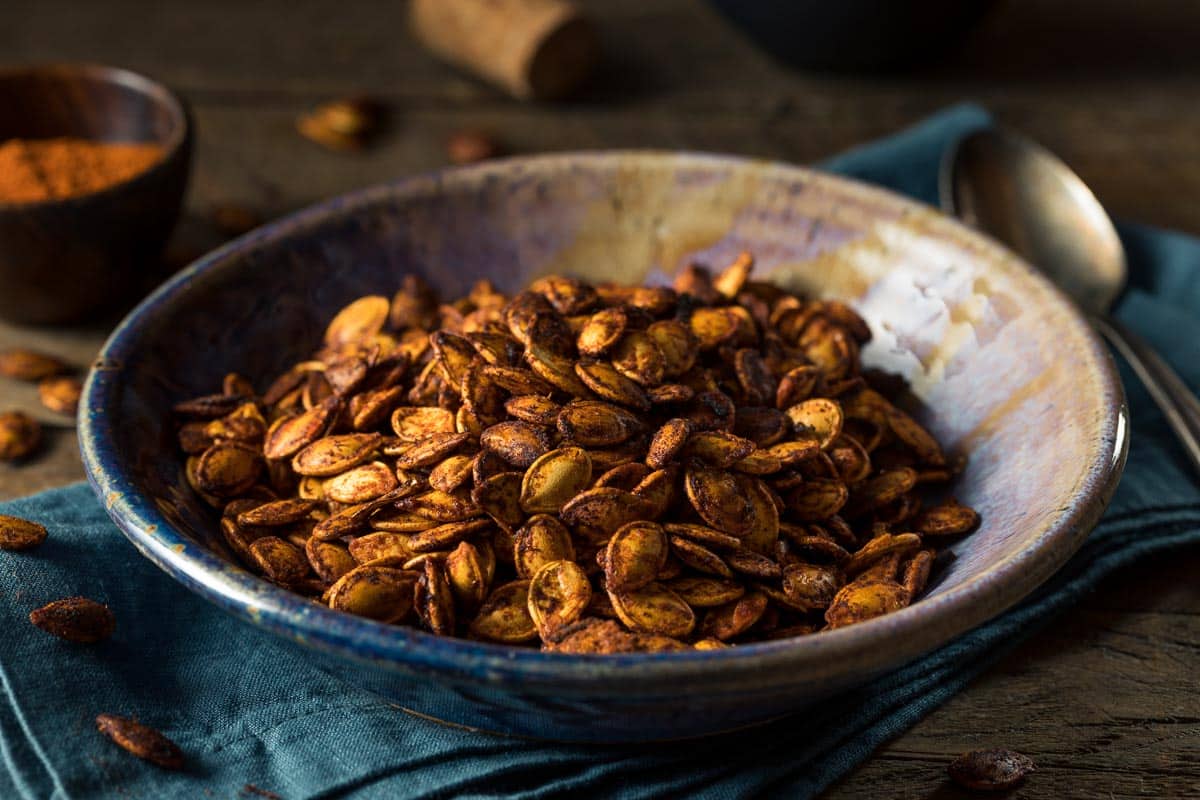
Pumpkin seeds are a good source of magnesium and zinc, minerals that support vascular tone and neurotransmitter balance. Magnesium deficiency, in particular, has been linked to hypertension and cognitive impairment.
A brain performance lab found that middle-aged adults with long-standing hypertension exhibited poorer memory performance, as reported in research studies from the National Library of Medicine, making foods rich in these minerals a valuable preventive measure.
Dark chocolate enhances blood flow and dopamine release

Dark chocolate with at least 70% cocoa solids contains flavonoids that boost blood flow to the brain and trigger dopamine release. A 2018 review in Frontiers in Nutrition found that regular consumption of dark chocolate improved working memory and executive function, particularly in middle-aged adults.
Save this article
Better vascular circulation also supports the health of brain regions that are vulnerable to decline related to hypertension.
Broccoli protects against diabetes-related inflammation

Broccoli’s sulforaphane helps combat oxidative stress and insulin resistance, two key factors contributing to diabetes-related brain decline. The powerful compound may blunt these effects by lowering inflammation and stabilizing blood sugar levels.
Oranges supply vitamin C to combat hypertension damage
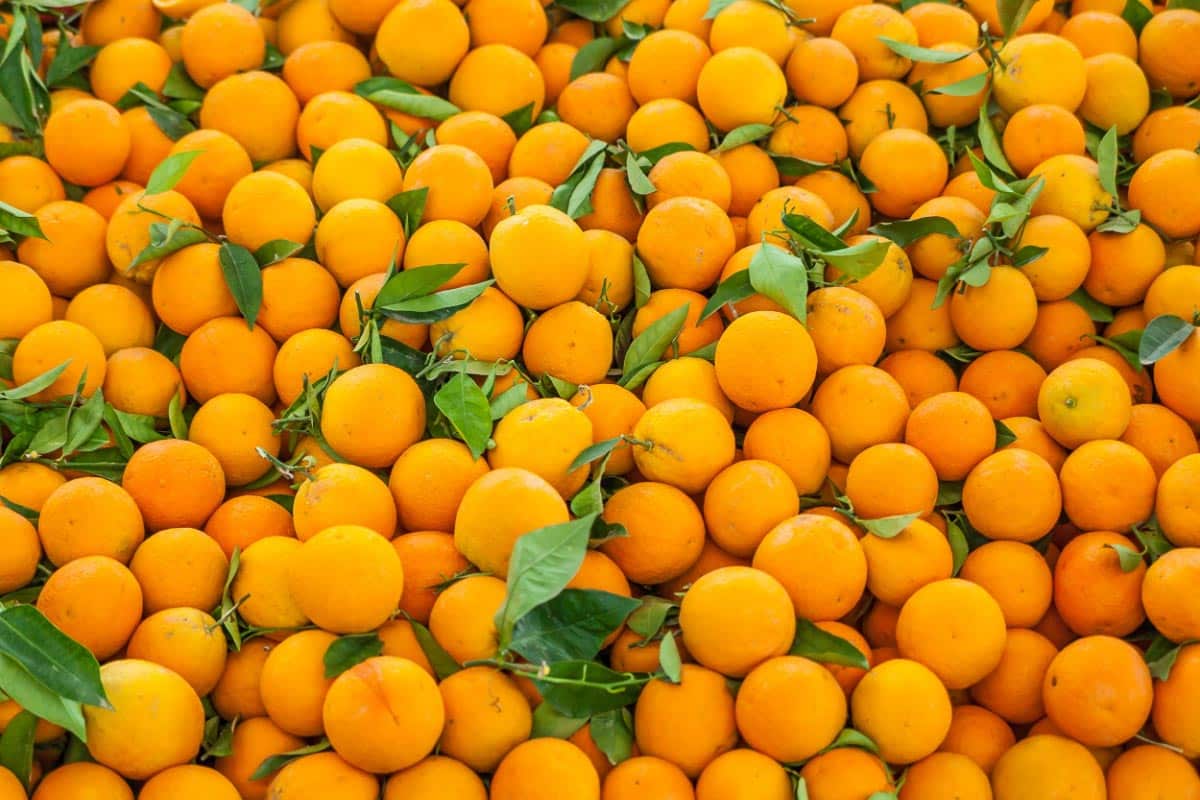
Vitamin C-rich foods, such as oranges, help protect against oxidative damage in blood vessels. Studies published in the National Library of Medicine show people with higher vitamin C intake score better on memory tests and have lower rates of cognitive decline.
Green tea supports dopamine and blood pressure

Green tea contains the amino acid L-theanine, which increases dopamine while lowering stress. It also contains catechins that improve vascular health.
National Institute of Health research studies found that older adults who drank green tea had sharper memories and lower blood pressure, aligning with neurologists’ advice for vascular protection in midlife.
Turmeric reduces inflammation and supports dopamine

Curcumin, the active compound in turmeric, crosses the blood-brain barrier and lowers amyloid plaque buildup. It also reduces vascular inflammation, which is crucial for those with diabetes or hypertension.
A 2018 University of California-led trial found that Theracurmin, a bioavailable curcumin supplement, improved memory by 28% and reduced dementia-related brain proteins (amyloid plaques and tau tangles) over 18 months in older adults.
Tomatoes provide lycopene against vascular aging

Lycopene, a carotenoid found in tomatoes, protects brain cells from oxidative stress associated with diabetes and arterial stiffening. A study published in the British Journal of Nutrition found that higher lycopene intake was associated with a lower risk of neurodegenerative disease.
Since arterial stiffness predicted cognitive decline in ELSA-Brasil, tomatoes are a natural protective food.
Avocados improve blood flow and dopamine function

Avocados supply lutein and monounsaturated fats that enhance cerebral blood flow. A 2017 study by the University of Illinois linked higher lutein intake to better brain connectivity. Improved circulation also helps mitigate the cognitive risks associated with hypertension, a key finding in Brazilian longitudinal data.
Coffee preserves dopamine and lowers diabetes risk

Coffee provides caffeine and antioxidants that protect dopamine-producing neurons. Long-term intake is associated with a lower risk of Parkinson’s and Alzheimer’s, according to neurologist David Perlmutter, MD.
Regular coffee consumption also improves insulin sensitivity, thereby reducing the risk of diabetes, a major cognitive risk factor in Brazil’s ELSA cohort.
Disclaimer – This list is solely the author’s opinion based on research and publicly available information. It is not intended to be professional advice.
16 grocery staples to stock up on before prices spike again
16 Grocery Staples to Stock Up On Before Prices Spike Again
I was in the grocery store the other day, and it hit me—I’m buying the exact same things I always do, but my bill just keeps getting higher. Like, I swear I just blinked, and suddenly eggs are a luxury item. What’s going on?
Inflation, supply-chain delays, and erratic weather conditions have modestly (or, let’s face it, dramatically) pushed the prices of staples ever higher. The USDA reports that food prices climbed an additional 2.9% year over year in May 2025—and that’s after the inflation storm of 2022–2023.
So, if you’ve got room in a pantry, freezer, or even a couple of extra shelves, now might be a good moment to stock up on these staple groceries—before the prices rise later.
Like our content? Be sure to follow us.