Adults over 50 face significantly higher financial losses from identity theft compared to younger folks. According to the Federal Trade Commission Consumer Sentinel Network 2024 Data Book, it indicates that while older adults represented a smaller portion of reported identity theft victims, their total financial losses were disproportionately higher than their number of victims.
That’s not just bad luck; that’s frequently because we cram too much sensitive information into our wallets. Think of your wallet as a treasure chest that criminals really love to discover. The more stuff you fill it up with, the greater the reward if it does get stolen. Smart oldsters are slimming down their wallets, and so should you.
Social security card

Carrying your Social Security card is like handing criminals the master key to your entire identity. In 2024, the FTC’s Consumer Sentinel Network received 6.5 million reports, including over 1.1 million reports of identity theft, with a total of $12.5 billion in reported fraud losses. The AARP dubs this card a “gateway to your identity”.
It warns that seniors are at a special risk of having it stolen. Thieves will take your Social Security number and open credit accounts, file for fake benefits, or even file a phony tax return in your name.
Password lists or pins

Jotting down passwords was a clever idea when we only had three accounts to remember. Now it’s financial suicide on paper.” This is the mistake cybersecurity professionals witness all the time. Purloined wallets with tiny notebooks or scraps of paper on which are written login information that opens up entire digital lives.
Modern password managers, including the ones that come preinstalled on your phone or computer, handle this task leagues more effectively and securely. If you must write something down, write down hints or codes that mean something only to you, never the actual passwords.
Extra credit cards

Traveling with many credit cards doesn’t make you look rich; it makes you look like a target on legs. Experian reports that Americans have an average of 3.7 credit cards in regular use. However, after 50, you should slim that down to just one or two at most in your daily wallet.
Extra cards mean extra risk if your wallet disappears, and frankly, extra headaches when you’re trying to cancel everything. Choose your go-to card with the best fraud protection and leave the rest behind.
Unnecessary receipts

That bundle of wadded-up receipts in your back pocket may be making your wallet fat. Still, it is also making you vulnerable to the almost-invisible thieves who specialize in stealing your identity. Receipts often contain partial credit card numbers, account information, and buying habits, which identity thieves enjoy piecing together.
Only keep receipts for things you might return or need for warranty claims, and even those, take a picture of and discard the paper. Your accountant doesn’t need to know every coffee you bought six months ago, and neither do thieves.
Blank or pre-signed checks

Blank checks in your wallet are basically signed blank contracts that criminals can fill out however they want. Criminals are engaging in mail theft and altering checks through chemical means, a process known as “check washing,” to commit fraud, as detailed by the U.S. Department of the Treasury’s Financial Crimes Enforcement Network
Thieves may write such checks for any amount, forge your signature, or even use the routing information to establish electronic transfers. Pre-signed checks are worse; they require no signature forgery at all. The wise thing to do is only order checks when you need them, and never carry a few in your wallet.
Rarely used membership cards

Virtually no one had to carry a gym membership card, a library card, or the phone number for their favorite rewards club at the drugstore with them at all times. In most cases, they allow you to search for your account by phone number and store your membership information on your phone through an app.
It creates unnecessary bulk to carry cards for every store or club. Some contain personal information, including address details and birth dates, which could facilitate identity theft.
Multiple gift cards

Gift cards are cash that thieves can spend immediately with little to no traceability. U.S. consumers lost approximately $217 million to gift card scams in 2023, according to the Federal Trade Commission.
Keep only the gift cards you plan to use that weekend, photograph the others, and store the numbers digitally at home. A growing number of retailers allow you to add gift card balances to their mobile apps, so the physical cards can be kept in a safe location.
Unused gift cards that have been sitting in your wallet, gathering dust for months, are not benefiting anyone, and you are a prime target for thieves who can sell them online immediately.
Full medical insurance information

Your insurance card contains enough sensitive information to commit medical identity theft. In fiscal year 2024. The Department of Justice recovered over $2.9 billion under the False Claims Act, with healthcare fraud comprising the largest portion, amounting to more than $1.67 billion of that total.
Thieves can also exploit stolen medical data for treatments and prescriptions. To protect yourself, keep a secure photo of your insurance card on your phone and carry only the most necessary information, such as your insurance ID and emergency contact, on a separate card.
Large amounts of cash

Cash is, of course, king, but too much of it just gets you robbed, not just pick-pocketed. Financial gurus will tell you that the most you should bring regularly is what you would be okay with losing between $20 and $50 for most daily outings. Having large amounts of cash also creates a temptation for opportunistic theft from people who may see you paying bills or making a purchase.
Save this article
ATMs are ubiquitous, and mobile payment apps are accepted at most small businesses by now, so there’s no reason you have to walk around with your rent money on you.
Multiple debit cards

Unlike credit cards, debit cards offer limited fraud protection and direct access to your checking account. A report from Security.org found that 62 million Americans experienced fraudulent charges on their credit or debit cards in 2023.
Using multiple ATM cards runs the risk that those funds can be stolen across various accounts. Go with one main card with tight fraud monitoring and leave the others at home. Shut down unused accounts or lock up their cards to make recovery easier if fraud strikes.
Old photographs

Theft of family photos exacerbates the emotional burden of financial hardship, and no insurance can replace sentimental value. The wallet-sized school pictures of grandkids and old family snapshots may be worth next to nothing to a thief, but they’re irreplaceable to you. With digital storage, memories are more secure, and you can share them immediately with your family.
Smartphone photo storage means you have access to thousands of photos, not just a few in a wallet. Today, some services can print out new physical copies, but nothing can replace lost originals.
Completed medical forms

Medical forms contain personal information that identity thieves can use to open accounts, file insurance claims, or commit prescription fraud. According to IdentityTheft.org, medical identity theft occurs when someone uses your personal information to receive medical treatment or to obtain prescription drugs, without your knowledge or consent.
Healthcare providers are also generally not as strict about verifying identities as financial institutions. To err on the side of caution, I recommend storing medical information securely on your phone or in a medical ID app, and keeping only crucial alerts in your wallet on waterproof material.
Password recovery sheets

Those little cards with answers to security questions or password hints can seem like good ideas, but they are gold mines for identity thieves. Questions as mundane as the name of your first pet, your mother’s maiden name, or the street you grew up on are common queries used to reset passwords on accounts, from Gmail to Fidelity, and are giving them away.
Contemporary recovery systems now use two-factor authentication through phone and email, so your written hints are both dated and dangerous. Even codes that people think are “clever” can be straightforward for a criminal to break.
Business cards with sensitive data

Business cards feel innocent enough, but they may be packing more personal information than you think. Telephone numbers, email addresses, and business locations offer scammers a head start on phishing and social engineering.
Thieves are going to be much more likely to open new credit cards in your name or your employee’s name if they have business cards with titles, company hierarchy, and internal contact information. Today’s networking often occurs via LinkedIn connections and digital contact sharing, eliminating the need for physical business cards.
Old IDs and expired licenses

That expired driver’s license from your previous state might seem harmless. Still, it’s actually a goldmine for identity thieves. The FTC states When it’s time to dispose of documents with your personal or financial information, shred them. If you don’t have a shredder, look for a local shred day in your community.
They use old addresses to answer security questions or persuade customer-service personnel that they’re the legitimate account owner. Outdated documents should be destroyed, not lugged around for convenience or nostalgia.
Key takeaway

Your wallet at 50 should be a lean, mean, essentials-carrying machine, not a mobile filing cabinet containing tons of incriminating evidence. The intention isn’t paranoia; it’s intelligent risk management that enables you to live your life without constantly fearing identity theft or financial fraud.
Disclaimer – This list is solely the author’s opinion based on research and publicly available information. It is not intended to be professional advice.
14 things that label you as ‘uneducated’ on social media

14 Things That Label You as ‘Uneducated’ on Social Media
Welcome to the digital world, a place as intriguing as treacherous, where your online persona can instantly charm or alarm others. In this realm, your social media presence is your calling card, a digital mirror reflecting your thoughts, beliefs, and, perhaps, inadvertently, your level of education. Yet, fear not! This guide is here to help you navigate the vast ocean of social media with grace and wisdom.
6 gas station chains with food so good it’s worth driving out of your way for
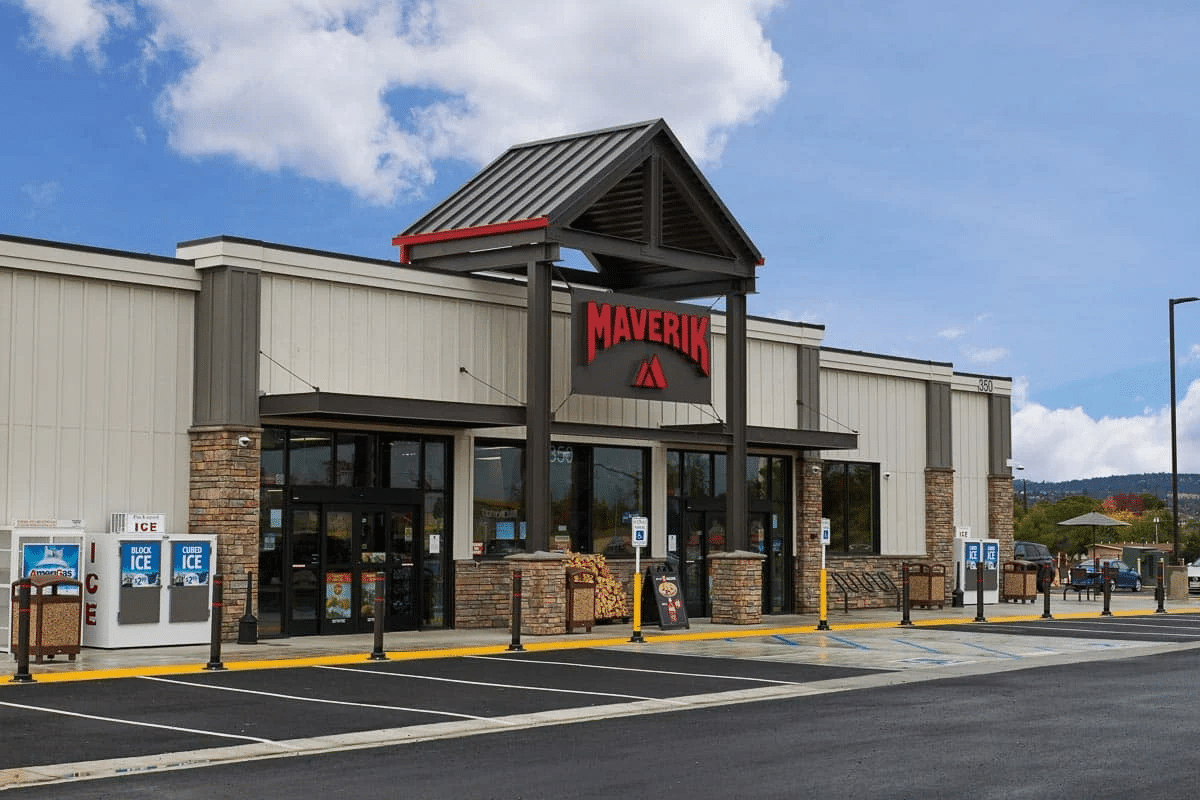
6 Gas Station Chains With Food So Good It’s Worth Driving Out Of Your Way For
We scoured the Internet to see what people had to say about gas station food. If you think the only things available are wrinkled hot dogs of indeterminate age and day-glow slushies, we’ve got great, tasty news for you. Whether it ends up being part of a regular routine or your only resource on a long car trip, we have the food info you need.
Let’s look at 6 gas stations that folks can’t get enough of and see what they have for you to eat.