

Death during sleep often feels like a peaceful mystery to many. Nevertheless, the fact is that some medical and health conditions could bring you silent death when you are asleep. You might not be aware of the fact that approximately 366,807 Americans face sudden cardiac demise annually, with some dying even in their sleep.
Deaths as a result of sleep cannot be classified under any age or situation and affect both newborn babies, young athletes, and even seniors, making it essential to raise awareness. These illnesses do not always come with significant warning signs, and therefore, they may attack at any given time.
Educating yourself on some of the main health problems that may result in a fatal incident during the night will make a difference by enabling you to take the necessary precautions and safeguard yourself and your family members.
Sudden cardiac arrest and heart conditions

Your heart never sleeps, 24 hours a day, even when you’re asleep. So, what happens when it stops beating? It can suddenly come in the form of a cardiac arrest that is usually caused by the irregular beating of the heart, such as ventricular fibrillation or tachycardia, which could happen when a person is asleep.
Both young athletes and adults are vulnerable. Unless you treat heart health seriously, high blood pressure and coronary artery disease may prepare you to fail, literally. Routine exams and exercise can help form a healthy heart.
Sleep apnea

Just think about it: going to sleep, pausing, and restarting your breathing a dozen or so times. That’s what sleep apnea does. It is more widespread than you realize, involving as many as 38 percent of adults throughout the world.
Not doing anything would leave you three or four times more likely to die untimely because of complications such as stress loading your heart. Good news? Treatments like CPAP machines aren’t just lifesaving; they’re sleep-transforming. That deep, unbroken slumber is priceless.
Stroke

A clotted or ruptured blood vessel in the brain may deprive an individual of oxygen, making the stroke the most deceptive cause of death, even when we are asleep. It usually starts with high blood pressure that silently accumulates to a deadly attack.
Taking care of your blood pressure and checking for abnormal symptoms, such as slurred speech or drooping of the face, during the day might save your life at night.
Epilepsy

Sudden unexpected death in epilepsy (SUDEP) is invisible. The rates are about one in a thousand people with epilepsy per year. Most cases involve patients whose conditions weren’t properly managed.
Sticking to medications and openly talking about treatment plans with a neurologist could minimise the risk.
Carbon monoxide poisoning

But what would happen when the risk does not arise in your body but in your home? Carbon monoxide is a non-visible killer that is, in most cases, brought about by malfunctioning heating systems. This silent killer can fill a bedroom within minutes.
Installing CO detectors is not only a piece of safety advice, but it’s also a no-brainer.
Familial dysautonomia and autonomic disorders

Such diseases as familial dysautonomia present rare neurological disorders that have a severe impact on the body, particularly autonomic processes such as heart rate and breathing. These conditions can turn deadly during sleep.
Although remedies are not of complete certainty, noninvasive ventilation, among other things, can serve as a fighting chance to those affected.
Sudden Infant Death Syndrome (SIDS)

Each year in the U.S., the number of babies who die without ever getting out of their sleep amounts to approximately 3,500. SIDS primarily affects infants under 1 year old. The most effective defense? Safe sleep habits.
Newborns should lie on their backs, avoid loose bedding, and not have stuffed animals in the crib. It’s not an overreaction; it’s prevention.
Long QT syndrome

It is a nocturnal killer that, as a genetic disorder, plays havoc with the heart’s beating rhythm. An ordinary syncopal attack during the day may be an indictment of night risk. Being aware of your family health history and discussing screenings with your physician would allow you to identify this problem at an early stage.
Diabetes

During sleep, the drop in blood sugar (hypoglycemia) may cause death, otherwise. There is an increased risk of not taking meals, misuse of drugs, or overdosing on insulin. Keeping this silent killer at bay is possible with the help of daily monitoring of blood sugar levels and extensive cooperation with a healthcare team.
Save this article
Mental health and neurological disorders

Anxiety, depression, and any neurological disorder that can disrupt sleep might not only deny one a good night’s rest, but they also predispose one to mortality risks. Physical health is often influenced by mental health, with interventions or lifestyle modifications being the key factors in overall well-being.
Congestive heart failure

Heart failure increases the risk of developing nighttime complications such as respiratory failure or lethal arrhythmia. This means that the heart makes every effort to circulate, particularly when an individual is asleep, leading to the accumulation of fluids and oxygen deficiency.
Through the use of medications and dietary changes, both the quality of life and survival are greatly improved.
Stroke-induced sleep complications

Here’s a grim feedback loop. Previous strokes can disrupt body performance in sleep, resulting in further strokes or heart health problems. Observation of post-stroke complications is significant in circumventing a repeat disaster.
Obstructive sleep apnea and dementia risk
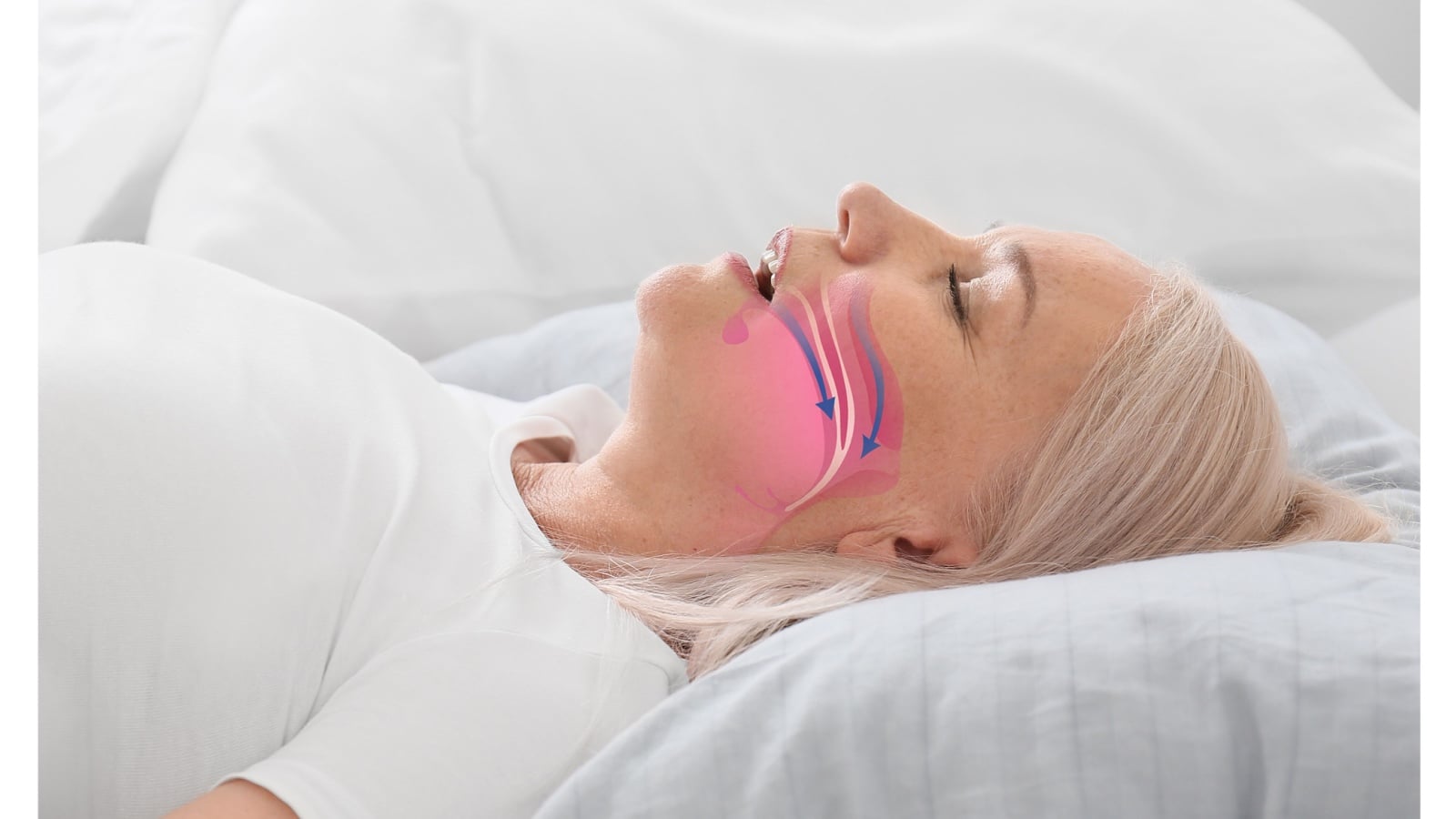
Sleep apnea isn’t “just snoring.” When unmanaged, it can increase the risks of dementia, strokes, and heart disease. All these bring one point home: early diagnosis and treatments make the brain and the body much safer.
In the treatment of sleep apnea, early intervention is not only beneficial to protect your health but also leads to a Pediatric and Young adult cardiac conditionsbetter general quality of life.
Pediatric and young adult cardiac conditions

One can hardly imagine bright kids getting a good night’s sleep and then failing to wake up. Sudden arrhythmic death syndrome (SADS) is an unusual yet notable aspect that creates an emphasis on the vitality of heart screenings in families who have any history of heart anomalies. An early heads-up could mean a life saved.
Respiratory diseases

The process of breathing at night is more perilous than most people think when one is living with chronic obstructive pulmonary disease (COPD) or severe asthma. Oxygen levels drop, and the results can be fatal. Adherence to treatment regimens and reduced triggers to precipitate respiratory symptoms are everything.
Why awareness matters

Such terms are but a mere peep into the array of events to show how life and sleep can come together in another devastating end. The silver lining? Knowledge gives you a chance to act. Listening to health, medical follow-ups, and the development of safe sleeping habits are potent measures to take.
Don’t just sleep on this information. The risk might be on you or your loved one, so you should take action now. Rest shouldn’t just be peaceful; it should be safe.
Disclaimer–This list is solely the author’s opinion based on research and publicly available information. It is not intended to be professional advice.
Disclosure: This article was developed with the assistance of AI and was subsequently reviewed, revised, and approved by our editorial team.
Don’t swipe until you read this: The 7 best credit cards for 2025 ranked by rewards

The 7 Best Credit Cards for 2025 Ranked by Rewards
There’s this moment that sticks with me—standing at a checkout line, swiping my old card like I always did, and thinking, “Wait… why am I not getting anything back for this?” I wasn’t traveling on points. I wasn’t getting cash back. I was spending. Sound familiar?
Look, the truth is, credit cards can work for you—if you choose the right one. And in 2025, you’ve got some advantageous options that can boost your bank account. From travel lovers to grocery haulers, there’s something for everyone.
Let’s break down the best credit cards out there this year—the ones that give back.
16 grocery staples to stock up on before prices spike again
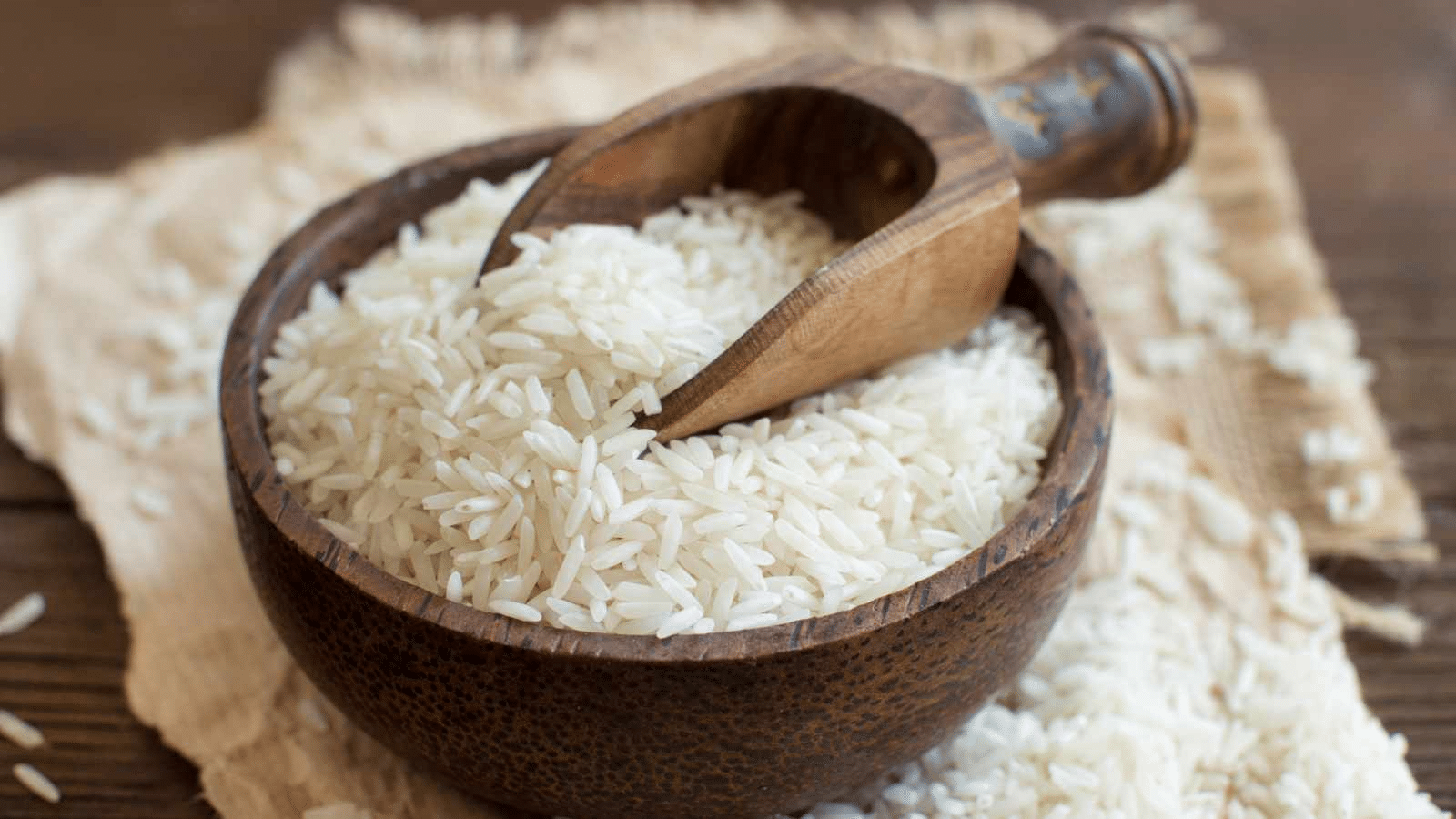
16 Grocery Staples to Stock Up On Before Prices Spike Again
I was in the grocery store the other day, and it hit me—I’m buying the same things I always do, but my bill just keeps getting higher. Like, I swear I just blinked, and suddenly, eggs are a luxury item. What’s going on?
Inflation, supply-chain delays, and erratic weather conditions have modestly (or, let’s face it, dramatically) pushed the prices of staples ever higher. The USDA reports that food prices climbed an additional 2.9% year over year in May 2025—and that’s after the inflation storm of 2022–2023.
So, if you’ve got room in a pantry, freezer, or even a couple of extra shelves, now might be a good moment to stock up on these staple groceries—before the prices rise later.





