

I’ll be the first to admit it, I have a soft spot for salty snacks. Give me a bag of chips or a slice of greasy pizza after a long day, and I’m instantly in a better mood.
But here’s the kicker: those little moments of comfort can quietly add up, and not in a good way. Heart disease is such a dominant killer in the U.S., claiming 919,032 lives in 2023, which is one out of every three deaths, according to the CDC.
With that said, I’ve started to take note of what’s on my plate, not because I want to give up all my favorites, but because I’d rather catch the risks in advance than learn the hard way later. Let’s discuss some everyday foods that we often dismiss, but which really deserve a second thought when it comes to heart health.
Processed meats aren’t as innocent as they seem

Bacon, hot dogs, and deli slices may taste wonderful, but they deliver a sneaky whack of saturated fat and salt. A study found that consuming as few as 50 grams of processed meat a day, approximately one hot dog or two strips of bacon, was associated with a 42% higher chance of heart disease and a 19% increased chance of type 2 diabetes.
The nitrates that make them so fresh aren’t artery-friendly for you, either. We’d like to think of bacon as a “weekend indulgence,” but indulgences add up fast. Honestly, even cardiologists will tell you this is one of the hardest foods to cut back on.
Fried foods really do double the trouble

There’s a reason why fried chicken is so darn irresistible. Crunchy and fat together are a deadly pair. However, using oils with a high content of trans fat increases bad cholesterol (LDL) and lowers good cholesterol (HDL).
According to an analysis reported by Harvard Health, people who ate the most fried food each week had a 28% higher risk of major cardiovascular events compared to those who ate the least. With every additional 114g (approximately 4 oz) serving of fried food per week, the risk of heart disease increases by 2–3%.
Even “air-fried” is not necessarily a freebie if you’re still heavily breading and salting. Sometimes it’s not the chicken, it’s that crunchy coating we can’t resist.
Packaged ramen hides a salty surprise

College students practically live on ramen, but the sodium level is insane. A serving of instant noodles contains up to nearly 1,800 mg of sodium, which is nearly the entire day’s limit in one sitting.
High-sodium foods are also closely linked with hypertension, which puts a strain on the heart and blood vessels. It’s cheap and fast, yes, but your heart is what it really costs. Adding veggies and cutting the seasoning packet in half is at least a gentler option.
Sugary drinks are worse than we admit

That morning, soda or sweet tea might taste harmless, but your heart doesn’t agree. The American Heart Association links sugary drinks to obesity, inflammation, and high blood pressure, three warning signs of cardiovascular disease.
A single 20-ounce soda contains an astonishing 10 teaspoons of sugar, more than twice the daily recommended amount. The American Heart Association recommends that women consume no more than 6 teaspoons of added sugars daily, and no more than 9 teaspoons for men.
It’s not just soda, though; those fancy coffee concoctions with whipped cream can do it too. We might be having dessert without even realizing it sometimes.
Pizza is secretly overloaded with salt

Pizza is often considered the ultimate comfort food, but it’s typically loaded with sodium, saturated fat, and refined carbohydrates simultaneously. A slice of pepperoni pizza can contain up to 700 mg of sodium, and let’s be honest, no one eats only one slice.
Too much sodium contributes to high blood pressure, and that’s one of the biggest risk factors for heart disease. And layer processed meats on top of that, and it’s a double whammy. It’s basically heartache in a cardboard box.
White bread isn’t doing your body any favors

We’ve heard for decades that “whole grains are best,” but it’s still just so easy to take that white, puffy loaf. The problem is that refined grains cause a spike in blood sugar, which can eventually take a toll on your cardiovascular system.
Harvard researchers found that whole grain foods, such as fiber, cut the risk of heart disease by 30%. It’s not about swearing off bread entirely but rather making smarter decisions when you can. Because let’s be real, sandwiches aren’t leaving the menu.
Flavored coffee creamers sneak in extra sugar

It starts with “just a splash,” but those flavored creamers can turn coffee into a sugar bomb. Many brands are packed with added sugars and unhealthy fats, and they add up when you’re pouring them every single morning.
Consumption of added sugars has been shown to raise heart disease risk even among people not considered overweight. The catch is, you don’t even know you are eating it as sugar; it’s just coffee. But after a week, your heart definitely notices.
Red meat in excess is a silent culprit

Steaks and burgers often seem to be the stars of many dinners, but consuming red meat in excess has been linked to higher levels of LDL cholesterol. The issue lies partially with the heme iron, which produces oxidative stress in the body.
The other evil is simply how often we pile it onto our plate without even knowing it. It’s more of a matter of portion control than cutting it out altogether.
Packaged snacks are more dangerous than they look

Save this article
Chips, crackers, and cookies are often our go-to “just one more bite” foods. However, the combination of the three bad guys—refined carbs, trans fats, and sodium—turns them into a heart’s worst nightmare. More than 70% of the sodium Americans consume comes from packaged foods, not the saltshaker, according to the USDA.
The average American consumes 3,400 mg of sodium per day, exceeding the recommended 2,300 mg limit, as reported by the FDA. That means even when you think you’re eating “light,” you may be overloading your system. It’s not that we don’t know any better; it’s that the crunch is irresistible.
Flavored yogurt isn’t the health food we think it is

Yogurt sounds healthy until you flip the cup over and read the label. Too many flavored yogurts contain as much sugar as a candy bar, with 20 grams or more per serving in some. All that insulin rush can lead to insulin resistance and bring on heart disease down the line.
A plain Greek yogurt with fruit is a much better alternative. But of course, the ones with cookie bits and sprinkles are always so, so irresistible.
Energy drinks aren’t just about caffeine

That brief energy kick from an energy drink may be lifesaving in the middle of a late night, but your heart compensates. Most of them contain high amounts of caffeine, sugar, and other additives that can elevate blood pressure and stress your cardiovascular system.
The Mayo Clinic reports that in a 2024 study, over 5,000 patients were examined, including 144 sudden cardiac death survivors, and discovered that 5% had consumed energy drinks prior to their cardiac event. Even when mixed with alcohol (which a lot of folks do), it raises the risk. They can provide “energy,” but your heart sure doesn’t agree.
Canned soups aren’t always the “healthy” choice
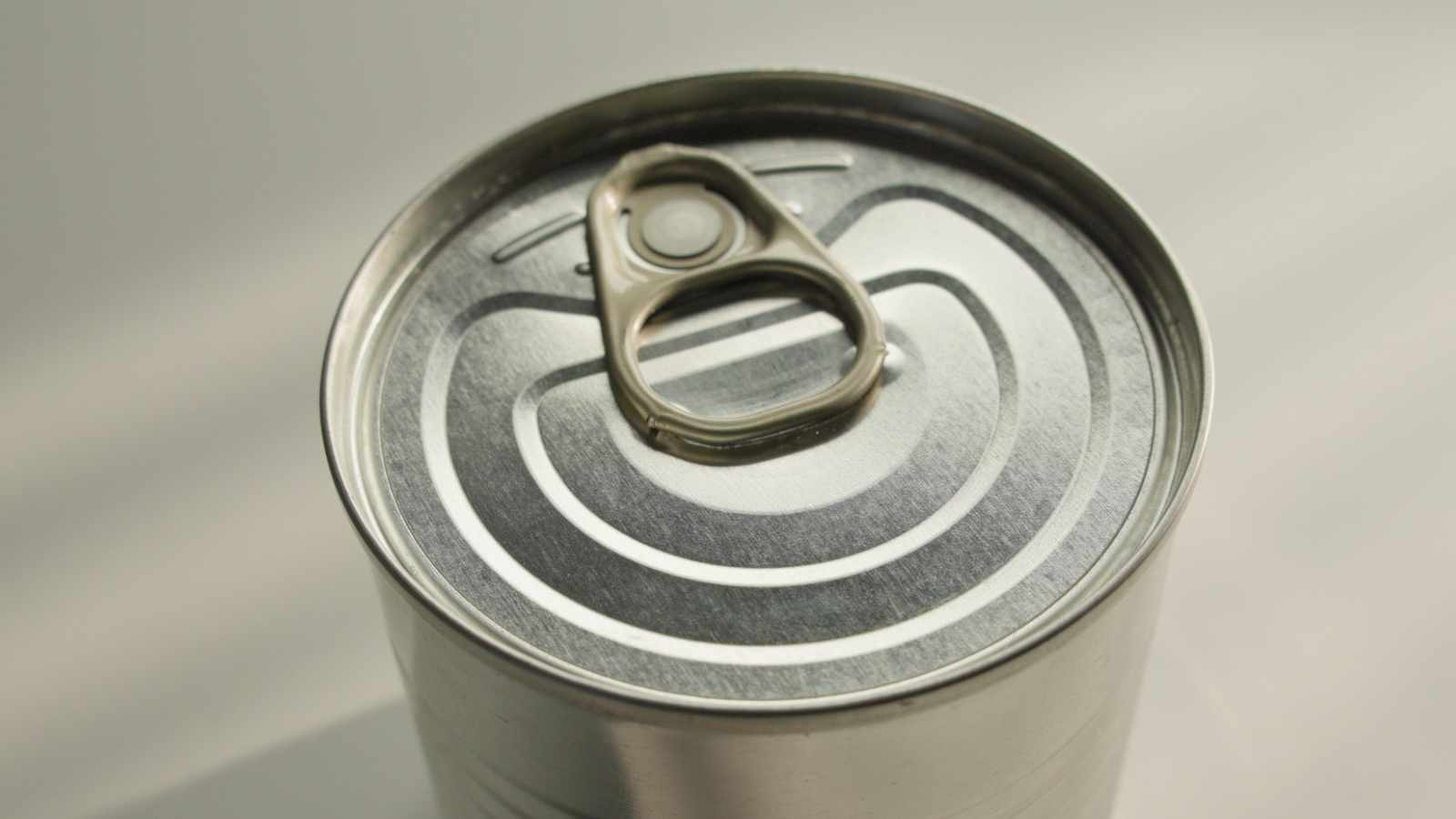
They appear cozy and wholesome, especially on a cold day. However, most canned soups are sodium-rich, and some contain over 1,000 mg per serving. The FDA recommends no more than 2,300 mg of sodium daily, so you can see how fast it adds up.
Excessive sodium intake stiffens arteries and increases the heart’s workload. Homemade soups, however, can be a very kinder option for your heart (and your taste buds).
Fast food combos are the real heartbreakers

That burger, fries, and soda combo is an American staple when eating out, but it’s essentially a checklist of what cardiologists warn against. Sodium? Check. Saturated fats? Check. Refined carbs and sugar? Check.
Based on a 2019 report from the CDC, 36.6% of adults consumed fast food on a given day. It’s not just the one-off drive-thru stop; it’s the fact that it becomes the norm before we can even catch up.
Frozen meals aren’t always as convenient as they seem

They’re touted as quick and nutritious, but frozen meals are usually high in sodium and preservatives. One “healthy” frozen dinner will still contain 900 mg of sodium, which is almost half of your daily quota. Excessive sodium intake over time increases your risk of developing high blood pressure and heart issues.
It’s not that they can’t be convenient, it’s that they’re just not as healthy as the box suggests, it seems. Sometimes what saves us 10 minutes at dinner ends up costing us a whole lot more in the long term.
Key takeaways

Hidden sodium overload is everywhere. Excess salt from pizza, ramen, canned soups, frozen meals, and snacks silently drives high blood pressure, one of the biggest risks for heart disease.
Sugar sneaks in where you least expect it. Sweetened drinks, flavored yogurts, coffee creamers, and energy drinks quietly fuel sugar intake far beyond healthy limits, contributing to inflammation, obesity, and insulin resistance.
Unhealthy fats and processed meats are major culprits. Bacon, hot dogs, french fries, and fast-food meals pack saturated and trans fats that raise bad cholesterol, clog arteries, and overwork the heart.
“Convenience foods” often carry long-term costs. Short-term fixes, such as instant noodles, frozen meals, and flavored snacks, come at a cost in the form of long-term cardiovascular damage.
Disclaimer – This list is solely the author’s opinion based on research and publicly available information. It is not intended to be professional advice.
16 grocery staples to stock up on before prices spike again
16 Grocery Staples to Stock Up On Before Prices Spike Again
I was in the grocery store the other day, and it hit me—I’m buying the same things I always do, but my bill just keeps getting higher. Like, I swear I just blinked, and suddenly eggs are a luxury item. What’s going on?
Inflation, supply-chain delays, and erratic weather conditions have modestly (or, let’s face it, dramatically) pushed the prices of staples ever higher. The USDA reports that food prices climbed an additional 2.9% year over year in May 2025—and that’s after the inflation storm of 2022–2023.
So, if you’ve got room in a pantry, freezer, or even a couple of extra shelves, now might be a good moment to stock up on these staple groceries—before the prices rise later.
6 gas station chains with food so good it’s worth driving out of your way for
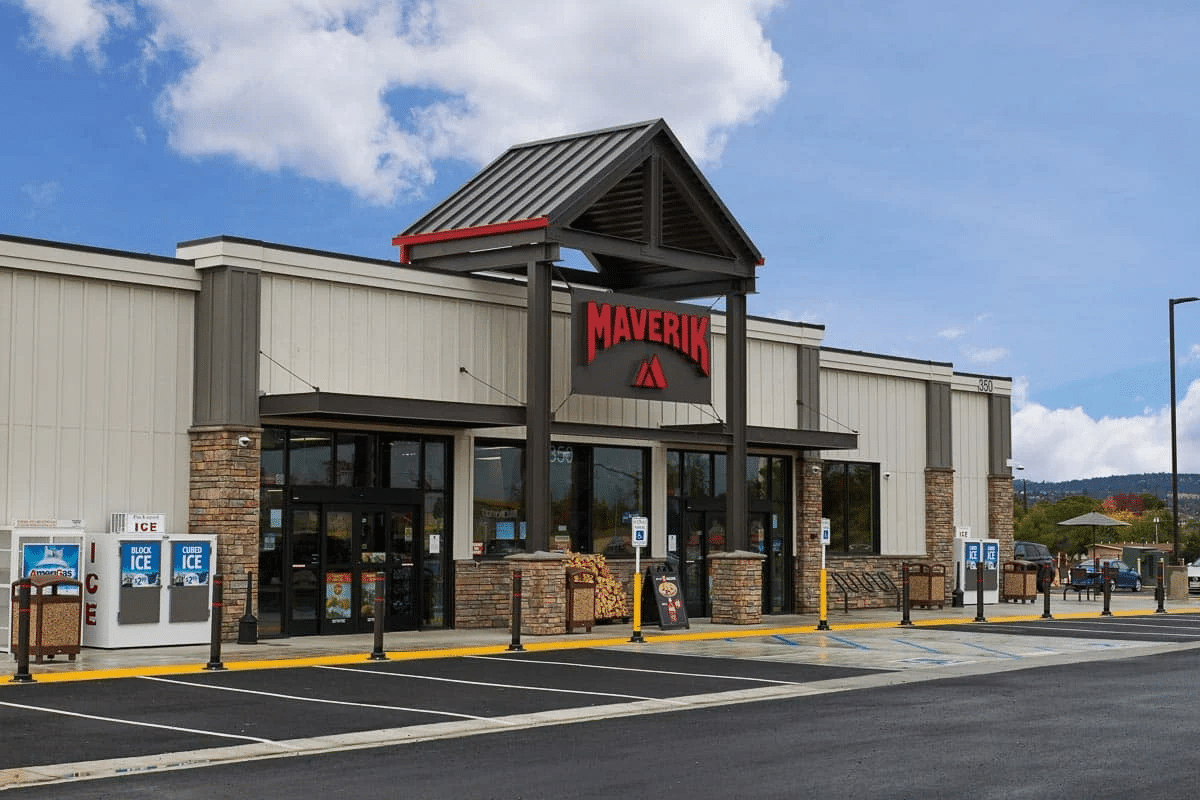
6 Gas Station Chains With Food So Good It’s Worth Driving Out Of Your Way For
We scoured the Internet to see what people had to say about gas station food. If you think the only things available are wrinkled hot dogs of indeterminate age and day-glow slushies, we’ve got great, tasty news for you. Whether it ends up being part of a routine or your only resource on a long car trip, we have the food info you need.
Let’s look at six gas stations that folks can’t get enough of and see what they have for you to eat.