Before streaming, smartphones, and endless notifications, Baby Boomers grew up in a world where small moments defined joy. Research by the Pew Research Center shows that Boomers often rank personal connection, outdoor activity, and offline entertainment as key contributors to life satisfaction.
They experienced moments that younger generations, raised in digital-first environments, rarely encounter. The pace of modern life and the omnipresence of screens have shifted attention spans and sources of enjoyment.
Here are 15 simple pleasures Boomers savored that younger generations might be missing today.
Saturday Morning Cartoons

Before on-demand streaming, kids of the Boomer generation woke up early to watch Saturday morning cartoons on limited TV channels. These mornings created ritualistic anticipation, social bonding with siblings or friends, and a structured sense of fun.
Unlike today’s streaming binge culture, this shared scheduling created community, neighbors discussing favorite episodes or characters at school the next day. Boomers remember these mornings as special, unhurried, and magical.
Handwritten Letters

Boomers grew up exchanging handwritten letters with pen pals, cousins, and friends, often waiting days or weeks for replies. Postal statistics indicate that in the 1960s and 1970s, letter-writing dominated personal communication outside of face-to-face encounters.
This patience fostered anticipation, careful thought, and a tangible connection between sender and recipient. Tactile experience and deliberate phrasing in letters created deeper emotional engagement, something largely replaced by instant messaging or email among younger generations.
Ice Cream Trucks

Summer afternoons featured the jingling melodies of ice cream trucks, signaling an unstructured treat waiting in the neighborhood. Boomers recall lining up with quarters in hand, choosing flavors, and chatting with neighbors.
Local newspapers from the 1960s show that ice cream truck routes were ubiquitous in suburban and urban neighborhoods, providing a sense of community rhythm.
This spontaneous joy created anticipation and delight tied to a simple sensory experience, something that today’s delivery apps and digital entertainment cannot replicate.
Drive-In Movies

Drive-in theaters offered a combination of family time, socializing, and cinematic experience. At their peak in the 1960s, the U.S. hosted over 4,000 drive-in theaters, data shows.
Families and friends enjoyed films under open skies, often bringing blankets, snacks, and portable radios. This form of entertainment emphasized leisure, patience, and physical presence in a shared space.
Boomers associate drive-ins with nostalgia, social bonding, and a slower, more intentional pace of enjoyment.
Sunday Paper Comics

Every Sunday, the newspaper arrived with a colorful section filled with comics, puzzles, and serialized stories. Census and media archives show that newspaper readership was nearly universal among Boomers in their youth.
Comics such as Peanuts, Dick Tracy, and Beetle Bailey were not just entertainment but social conversation starters at school or work.
Younger generations, accustomed to digital content, rarely experience the anticipation of a Sunday morning ritual centered around print storytelling and tangible engagement with a weekly entertainment ritual.
Homemade Ice Cream

Making ice cream at home using hand-cranked machines or simple ingredients offered families not only a sweet treat but a participatory experience.
Historical home economics reports note that home-based cooking projects were common during the 1960s and 1970s, fostering teamwork and sensory engagement.
Boomers recall the tactile pleasure of churning, anticipation as the mixture froze, and the joy of sharing the final product. Modern convenience has largely replaced this hands-on engagement, limiting the sense of satisfaction from creating one’s own dessert.
Backyard Camping
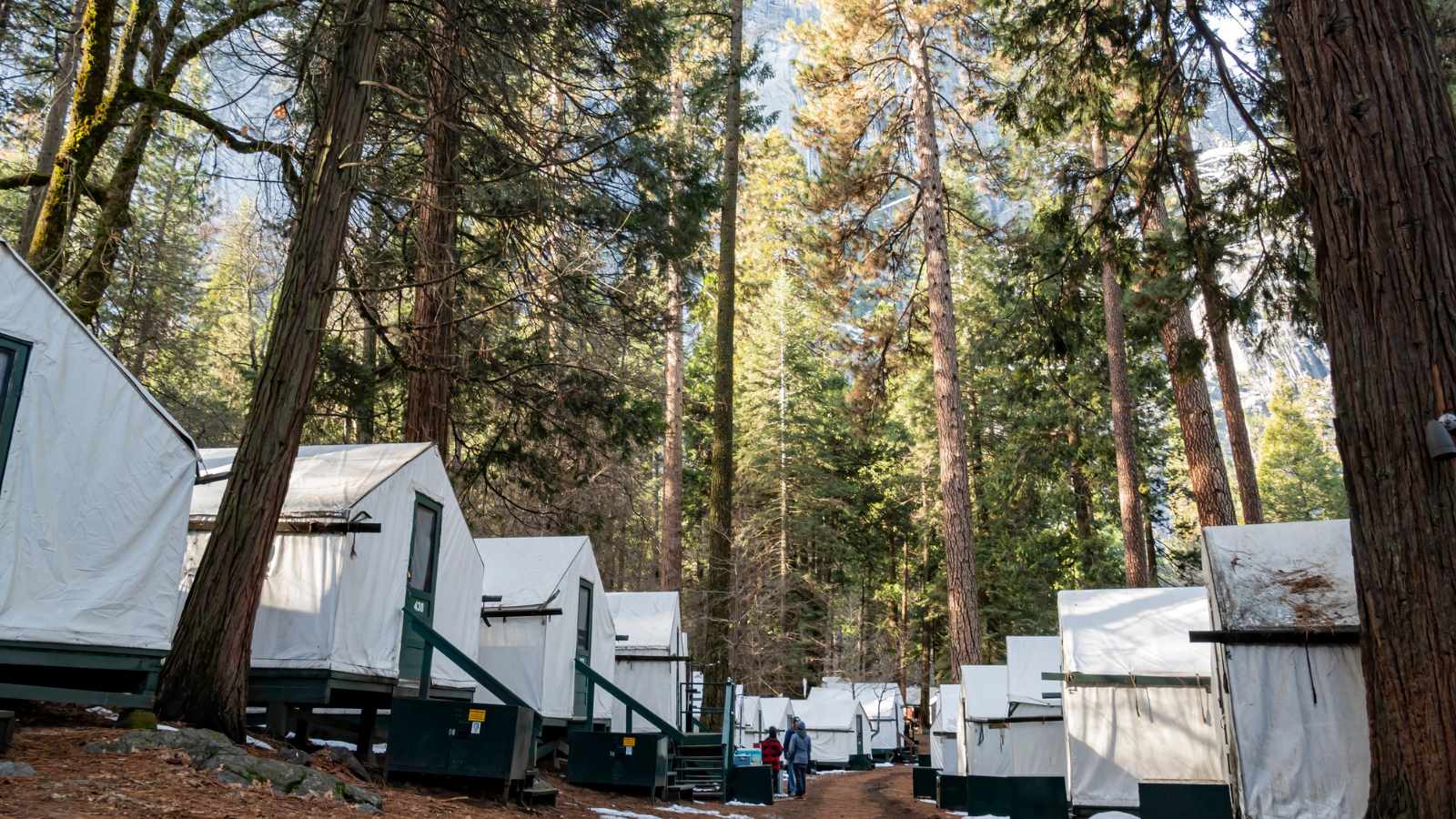
Backyard camping allowed kids to experience nature safely and spontaneously. Boomers spent summer nights under tents or makeshift shelters in their own yards, learning outdoor skills, telling stories, and gazing at stars.
Historical recreation studies highlight that suburban yards became sites for adventure, imagination, and social bonding.
This type of unstructured play encouraged resourcefulness and connection to the natural environment, a practice less common for digital-native generations whose play often occurs indoors or online.
Saturday Dances or Sock Hops

Save this article
High school gyms hosted Saturday dances, sock hops, and community dances, often with live bands or jukeboxes. Sociologists note that these events fostered socialization, personal expression, and community cohesion.
Boomers fondly recall planning outfits, learning partner dances, and building confidence in low-pressure social settings. Digital music streaming and online socialization rarely replicate the anticipation, coordination, and physical presence inherent to these communal events.
Library Visits for Books

Public libraries were key hubs for entertainment and self-directed learning. Census data from the 1970s shows library visitation rates exceeding 50% among children and teens.
Selecting books physically from shelves encouraged exploration, discovery, and tactile engagement with stories. Boomers recall long hours in quiet study or reading corners, building literacy and imagination.
Today, while e-books and audiobooks offer convenience, the sensory experience and community feel of library browsing is largely absent.
Roller Skating Rinks

Roller skating rinks served as both exercise and social hubs for Boomers. Parks and recreational archives indicate that thousands of rinks operated nationwide in the 1960s and 1970s, hosting birthday parties, competitions, and weekend outings.
Music, skating skill development, and peer interaction created a multi-sensory, physical form of entertainment. This structured yet fun activity fostered coordination, socialization, and independence, experiences less common for screen-focused younger generations.
Record Stores and Vinyl Listening

Shopping for vinyl records involved browsing physical stores, listening to samples on headphones, and discussing music with knowledgeable staff or peers. Music industry archives show that independent record stores were cultural hubs, shaping tastes and fostering community.
Boomers remember the ritualistic excitement of purchasing an album, reading liner notes, and sharing discoveries. Digital streaming removes the tactile, exploratory, and social elements that made music discovery a shared cultural practice.
Ice Skating on Frozen Ponds

Natural ice rinks and frozen ponds provided accessible winter fun for Boomers. Historical recreation data show that outdoor skating events were community staples in northern states.
Kids learned skating, built snowmen, and participated in informal games outdoors. Modern indoor skating rinks and artificial surfaces provide convenience but lack the spontaneity, environmental engagement, and neighborhood camaraderie associated with natural ice experiences.
Handheld Board Games
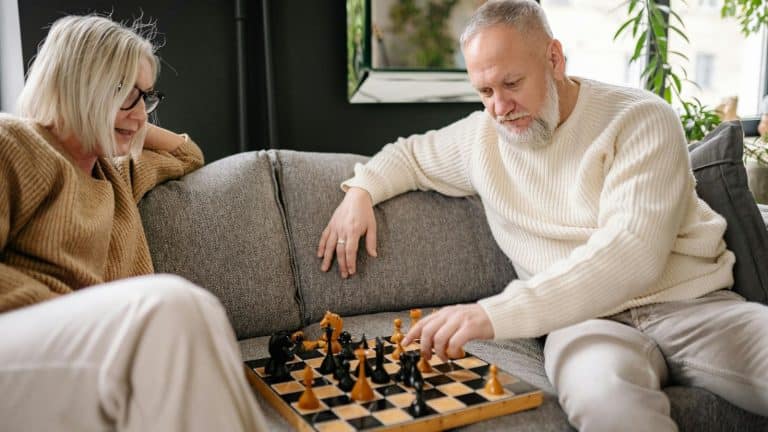
Board games were portable, low-tech social entertainment. Boomers often played Monopoly, Clue, or Scrabble with friends or family for hours, fostering interpersonal skills, strategic thinking, and laughter.
Household surveys from the 1970s show that board games were nearly universal entertainment for children and teens. Digital gaming may offer speed and graphics, but it rarely recreates the tactile, collaborative, and face-to-face engagement of physical board games.
Neighborhood Hide-and-Seek

Outdoor, unsupervised play like hide-and-seek, kickball, or tag dominated free time. Urban planning studies highlight that residential design supports safe outdoor activity, with cul-de-sacs and parks providing play areas.
Boomers recall imaginative, physically active games with friends that reinforced problem-solving, social skills, and resilience. Modern urban safety concerns and digital entertainment have reduced the prevalence of this type of spontaneous outdoor engagement.
Sunday Family Dinners

Weekly family meals were rituals that reinforced connection and communication. Sociologists note that structured family dinners were central to household cohesion, allowing discussions, storytelling, and cultural transmission.
Boomers often recount sharing food, chores, and conversation in ways that fostered emotional bonds. Today’s generation, often navigating busy schedules and individual preferences, rarely experiences the same consistency and social depth of weekly family dinners.
Key Takeaways

• Baby Boomers valued unstructured, social, and tactile experiences.
• Simple pleasures often combined physical activity, anticipation, and interpersonal connection.
• Digital-native generations may lack access to the community, patience, and tactile engagement inherent to these pleasures.
• Reintroducing small, mindful offline rituals can enhance joy and connection today.
Disclaimer: This list is solely the author’s opinion based on research and publicly available information. It is not intended to be professional advice.
Like our content? Be sure to follow us