
Narcissists don’t just crave attention; they often manipulate people around them to maintain control, boost their ego, or deflect blame. Many of their behaviors are subtle, cloaked in charm, or even disguised as concern, but over time, they can erode your confidence and peace of mind. Understanding these tactics is crucial if you’re navigating a relationship — romantic, familial, professional, or otherwise — with someone exhibiting narcissistic tendencies.
These behaviors aren’t accidental. Often, narcissists act with intention, especially when they feel threatened or challenged. They know how to push emotional buttons and exploit vulnerabilities. Here are fifteen tactics narcissists often use to hurt others.
Minimizing Your Achievements

Narcissists can’t stand not being the center of attention. If you land a promotion, save for a big goal, or get public recognition, they’ll downplay it. They might say, “That’s not a big deal,” or shift the focus to their own experiences.
This tactic is meant to dim your shine so they can remain superior. It’s demoralizing, especially when you’ve worked hard for something meaningful. Whether it’s personal growth or financial milestones, narcissists will often make sure the spotlight doesn’t stay on you for long.
Gaslighting to Make You Doubt Reality

One of the most insidious tools narcissists use is gaslighting. This tactic involves manipulating you into doubting your own memory, perception, or sanity. They might say things like “That never happened” or “You’re imagining things,” even when you know the truth. Over time, this creates confusion and a reliance on the narcissist to define reality for you.
According to the National Domestic Violence Hotline, 74% of female survivors reported experiencing gaslighting in abusive relationships. When someone rewrites your reality, it becomes harder to trust yourself.
Love Bombing to Win You Over Before the Fall

Narcissists often begin relationships with an overwhelming amount of affection and flattery, a tactic known as love bombing. This makes their later cruelty more shocking and disorienting. The initial affection isn’t genuine—it’s a setup. Once you’re hooked emotionally, they begin to pull away, criticize, or control.
This sharp shift in behavior creates emotional confusion and dependency. It’s especially damaging when you’ve made life choices, such as joint expenses, based on the illusion of a supportive relationship. The unpredictability is part of their power play.
Triangulation to Stir Jealousy and Insecurity

Triangulation happens when a narcissist involves a third party to manipulate you, often by comparing you unfavorably to others or involving others in private conflicts. For instance, they might say, “Even my friend thinks you’re overreacting,” or mention an ex to spark jealousy.
This tactic drives competition and insecurity, breaking your sense of stability. It’s not just emotionally taxing; it can affect how you see your own worth. In financial relationships, triangulation may lead to reckless decisions or eroded trust regarding shared responsibilities, such as insurance.
Silent Treatment as a Form of Punishment

The silent treatment isn’t just about avoiding communication—it’s a method of control. Narcissists use silence to punish, create guilt, or make you crave their attention. It sends the message that you’re only worth talking to when you comply with their expectations.
Psychologists classify this behavior as emotional withholding, and it can be more painful than open conflict. Being “frozen out” can lead to anxiety and second-guessing, impacting your emotional bandwidth and even leading to missed opportunities for handling serious matters like building an emergency fund.
Projection to Transfer Their Flaws Onto You

Narcissists frequently accuse others of the very things they’re guilty of. If they lie, they’ll accuse you of dishonesty. If they’re being distant, they’ll claim you’re emotionally unavailable. This is called projection, and it’s designed to deflect accountability and confuse you.
It’s a double-edged tactic: you’re too busy defending yourself to notice their actual behavior. This emotional manipulation can delay your personal goals, especially when trying to overcome things like debt or emotional baggage. You end up fixing problems that aren’t yours to begin with.
Hoovering to Reel You Back In

Named after the vacuum cleaner brand, “hoovering” is when a narcissist tries to suck you back into their orbit after a period of withdrawal or breakup. They may send nostalgic messages, fake apologies, or dramatic declarations of love.
It’s a cycle that often repeats until the narcissist finds a new target. Hoovering can lead to financial and emotional setbacks, especially when you’ve already begun to rebuild your life. Reentering the cycle can undermine your efforts to start fresh, such as investing in real estate or reestablishing boundaries.
Shaming You to Shrink Your Confidence

Narcissists often use shame to make you feel small and unworthy. These comments are usually cloaked in sarcasm or disguised as “jokes.” They might criticize your body, career, parenting, or financial choices, often in front of others.
Shame isn’t just uncomfortable; it’s paralyzing. A 2022 study linked frequent experiences of shame with decreased life satisfaction and financial stress. It’s harder to make confident decisions about things like your savings or self-worth when you constantly feel inadequate.
Blame Shifting to Dodge Responsibility

Save this article
Narcissists never take the fall. Whether it’s a missed appointment, financial failure, or relationship breakdown, it’s always someone else’s fault. This tactic keeps them in a victim or superior role, while you carry the emotional burden of their mistakes.
It becomes exhausting to be the scapegoat, and the emotional labor can spill over into other areas of life. You may find yourself second-guessing major financial decisions, like applying for a mortgage, because you’ve been conditioned to expect failure.
Sabotaging Your Goals Subtly

They may not openly tell you not to pursue something, but a narcissist might quietly undermine your goals. This can come in the form of discouraging words, “forgetting” to support you, or creating chaos during key moments of progress.
You may not even realize the pattern until your efforts continually get derailed. This form of sabotage keeps you dependent and distracted. Whether it’s starting a side hustle or opening an ETF, your aspirations get diluted under constant emotional interference.
Creating Chaos to Keep You Off Balance

Narcissists often create drama out of nowhere — a random fight before a big event, a crisis right before a milestone. This chaos isn’t accidental. It serves to keep you emotionally unstable and focused on them rather than your own needs.
The unpredictability forces you into a state of survival mode, where long-term planning takes a back seat. If you’re trying to manage something important, such as credit card debt or career growth, constant conflict can derail your momentum.
Withholding Affection as a Power Move

Affection is currency in a narcissist’s world. When things go their way, they shower you with attention. When they don’t, they shut down physically and emotionally. This push-pull dynamic keeps you guessing and desperate for approval.
This control through affection withdrawal can be deeply damaging over time. It’s a pattern often observed in toxic romantic dynamics, and it can hinder your ability to connect meaningfully with others. The emotional instability also makes it difficult to focus on stability in other areas of your life.
Playing the Victim to Win Sympathy

Whenever they’re held accountable, narcissists flip the script and become the victim. Suddenly, their past trauma or current “stress” explains away all wrongdoing. They count on your empathy to avoid consequences.
While it’s important to recognize true pain, narcissists weaponize it. This tactic can wear you down and make you hesitate to advocate for yourself. Over time, it can affect your sense of justice and influence how you handle conflict in professional settings.
Pathological Lying to Control the Narrative

From white lies to huge fabrications, narcissists lie to manipulate how others see them — and you. They might invent accomplishments, distort events, or deny statements they made. Their lies serve one purpose: to shape the story in their favor.
It’s frustrating and disorienting to confront someone who constantly rewrites history. Over time, this erodes trust and warps your own understanding of truth.
Sabotaging Your Other Relationships

A narcissist wants to be the center of your universe, so they may subtly or openly sabotage your relationships with friends and family. They plant doubts, stir conflicts, or make you feel guilty for spending time with others. Over time, your support system erodes.
This isolation increases their control and reduces your resilience. Without external perspectives, you’re more likely to believe their distorted narratives, making it harder to seek advice on crucial matters like insurance or long-term financial stability.
Disclaimer – This list is solely the author’s opinion based on research and publicly available information. It is not intended to be professional advice.
How Total Beginners Are Building Wealth Fast in 2025—No Experience Needed

How Total Beginners Are Building Wealth Fast in 2025
I used to think investing was something you did after you were already rich. Like, you needed $10,000 in a suit pocket and a guy named Chad at some fancy firm who knew how to “diversify your portfolio.” Meanwhile, I was just trying to figure out how to stretch $43 to payday.
But a lot has changed. And fast. In 2025, building wealth doesn’t require a finance degree—or even a lot of money. The tools are simpler. The entry points are lower. And believe it or not, total beginners are stacking wins just by starting small and staying consistent.
Click here and let’s break down how.
5 Easy Steps to Change Any Habit
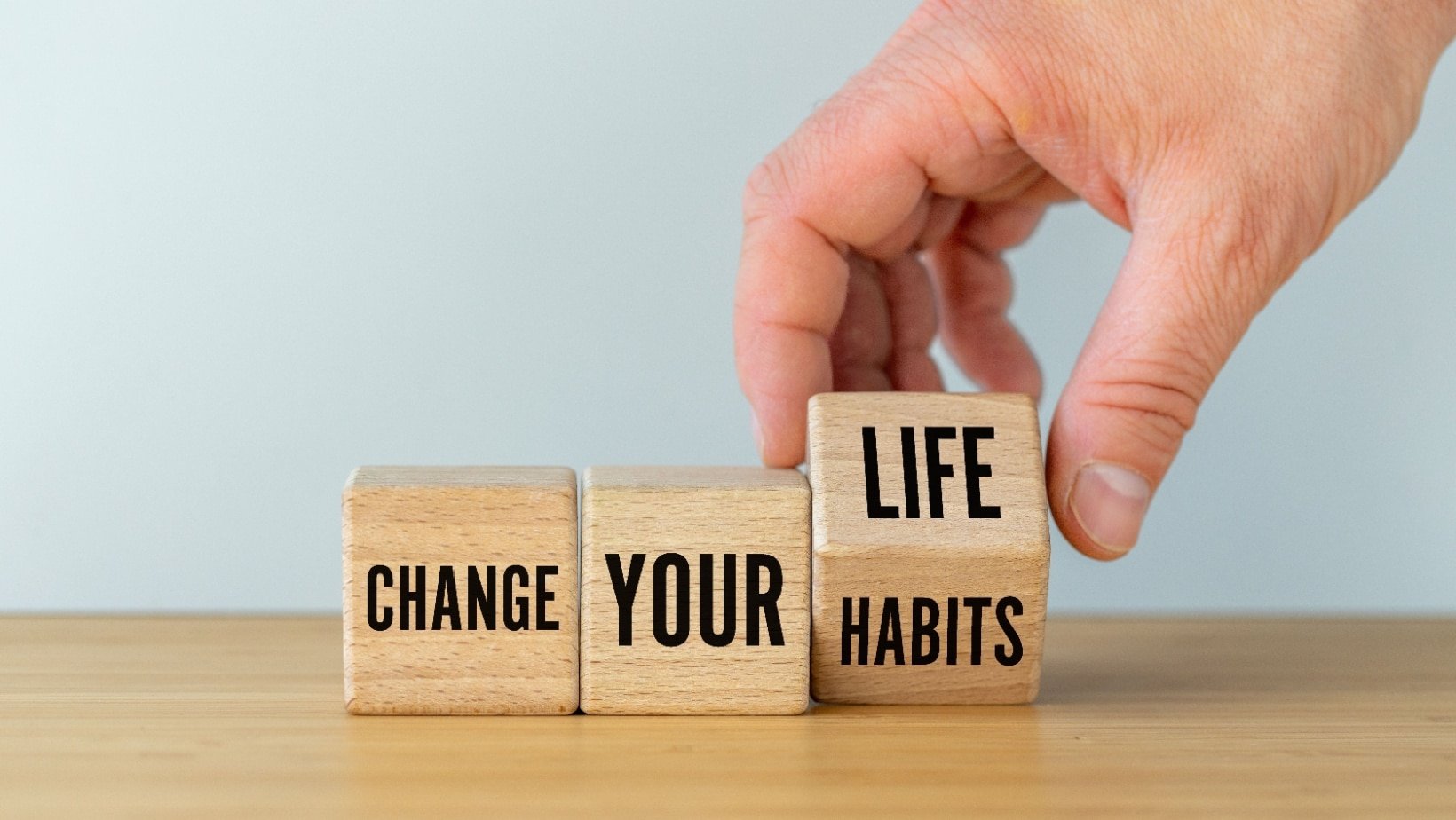
5 Easy Steps to Change Any Habit
We all click on them with the hope that just THIS time the secret to changing a bad habit or adopting a healthy one will be revealed and we’ll finally be able to stick to that diet, stop that one or ten things that might in the moment make us feel temporarily good but really just make us fat, unhealthy, sad, mad or just frustrated with ourselves.





