

Baby Boomers, Americans born between 1946 and 1964, helped shape many of the everyday rituals that defined post-war American life, from family dinners to handwritten letters.
Yet demographic and cultural shifts suggest many of those traditions may fade as younger generations adopt new habits. Surveys show the gap clearly. Roughly 76% of Baby Boomers say they grew up eating dinner with their families regularly, while only 38% of Gen Z report the same experience, according to the Survey Center on American Life.
Meanwhile, church membership in the United States has fallen to about 47% of adults, down dramatically from 70% around the year 2000, according to Gallup data summarized in national religion surveys.
Researchers say generational change, not just technology, is driving the shift. In simple terms, everyday life looks very different now than it did when Boomers were raising families. Here are 15 traditions strongly associated with the Boomer generation that may gradually disappear in the decades ahead.
Nightly Family Dinner

Few traditions symbolize mid-century American family life more clearly than the nightly sit-down dinner. Baby Boomers commonly grew up with structured evening meals where parents and children gathered to share stories and discuss the day.
Research by the Survey Center on American Life shows about 76% of Boomers experienced regular family dinners growing up, compared with only 38% of Gen Z adults who say the same.
Modern schedules, dual-income households, extracurricular activities, and longer commutes, have made coordinated mealtimes harder to maintain. Psychologists often highlight the emotional benefits of family dinners, linking them to stronger parent-child relationships and lower rates of depression among teenagers.
Sociologist Anne Fishel of Harvard Medical School has noted that “the family dinner table is one of the most powerful venues for conversation and connection,” emphasizing that the decline of the practice reflects major changes in how American families structure daily life.
Sunday Church as a Weekly Routine

For much of the 20th century, attending church on Sunday was a central rhythm of American culture. The habit remains meaningful for many Boomers, but younger generations are participating less frequently.
National surveys show a steady decline in religious engagement. Church membership in the U.S. dropped to roughly 47% of adults by 2020, down significantly from earlier decades when most Americans belonged to a religious congregation.
Generational research also shows younger Americans attend services less often than older ones. Cultural analysts link the shift to increasing religious diversity, secularization, and changing attitudes toward organized institutions.
If the trend continues, the weekly ritual of church as a default community gathering could become far less common.
Writing Handwritten Letters

Boomers grew up during a time when handwritten letters were the primary way to stay connected with distant friends and family. Personal stationery, stamps, and carefully written notes were routine parts of everyday communication.
Today the practice has largely been replaced by texting, email, and social media. Surveys show the shift clearly. A CBS News survey found about 31% of Americans wrote a personal letter in the past year, while 15% said they had never written one at all.
Historians say handwritten correspondence once served as both communication and emotional documentation, creating a permanent record of relationships and milestones.
Communication experts now point out that instant digital messaging favors speed and convenience over reflection. While some enthusiasts still value handwritten notes for special occasions, the everyday habit of letter writing appears increasingly rare in modern American life.
Reading a Physical Newspaper Every Morning

The ritual of unfolding a printed newspaper with morning coffee defined daily life for many Boomers. Print journalism dominated the information landscape for decades, with millions of Americans relying on their local paper for news, sports, and community announcements.
Digital technology has transformed that habit dramatically. Online news platforms and social media now deliver headlines instantly on smartphones, reducing the demand for physical papers.
Media analysts note that younger readers are far more likely to consume news digitally than through print editions. The transition reflects both economic and technological changes within journalism, including declining advertising revenue for newspapers and the rise of real-time digital publishing.
Although many newspapers still exist in print form, the daily ritual of reading a physical paper at the kitchen table is increasingly rare outside older generations.
Drive-In Movie Nights

Drive-in theaters were once an iconic part of American entertainment culture. Families piled into cars to watch movies under the stars, often combining the outing with snacks and socializing.
Historical records show drive-in theaters peaked in 1958 with more than 4,000 locations across the United States, making them a defining part of mid-century leisure.
Today only a few hundred remain, reflecting decades of decline due to land costs and the rise of indoor multiplexes and streaming services. Cultural historians say drive-ins thrived in an era when suburban car culture dominated American life.
As digital streaming platforms provide movies instantly at home, the need for large outdoor theaters has diminished. Some communities have revived drive-ins for nostalgia or special events, yet the widespread popularity they enjoyed during the Boomer era appears unlikely to return.
Keeping Printed Photo Albums

Boomers often documented family life through printed photographs carefully arranged in albums or scrapbooks. Film photography required intentional effort, taking pictures, developing film, printing photos, and organizing them chronologically.
Those albums became treasured family artifacts passed between generations. Digital photography has changed that habit dramatically. Smartphones now store thousands of images instantly, often without ever printing them.
Cultural observers say the shift has transformed how families preserve memories. Instead of curated physical albums, photos are stored in cloud storage or social media timelines.
While the number of photographs taken each year has increased dramatically, fewer of them are displayed physically in homes. Historians note that this change alters how families revisit memories, replacing tactile storytelling around photo albums with digital scrolling.
Cooking Large Holiday Meals From Scratch

Boomer households often celebrated holidays with elaborate meals prepared at home using family recipes. Thanksgiving turkeys, homemade pies, and multi-course dinners required hours of preparation and often involved several generations cooking together.
Modern lifestyles increasingly rely on convenience foods, restaurant takeout, or prepared grocery items. Sociologists studying food culture say time constraints, changing work schedules, and urban living have reshaped how Americans cook.
Younger generations still celebrate holidays, but they often simplify menus or outsource portions of the meal to restaurants and grocery stores. As cooking habits evolve, some traditional dishes may disappear unless actively preserved by families or cultural institutions.
Using Landline Phones in the Household

Save this article
Boomer households commonly shared a single landline telephone, often mounted on the kitchen wall. Family members coordinated conversations, waited their turn to make calls, and sometimes stretched the cord across rooms for privacy.
The arrival of mobile phones transformed that experience. Smartphones now allow individuals to communicate anywhere without relying on a shared household device. Telecommunications data show that landline usage has declined sharply as wireless technology expanded.
For younger Americans, a landline may seem unnecessary or even unfamiliar. Cultural commentators say the shift reflects broader individualization in communication. Instead of one central phone that connected the household, each person now carries a personal communication hub in their pocket.
Formal Dinner Parties With Strict Etiquette

Boomers often grew up with highly structured dinner parties involving multi-course meals, formal table settings, and detailed etiquette rules. Hosts planned menus carefully, arranged seating charts, and polished silverware before guests arrived.
Contemporary gatherings tend to be more casual. Potluck dinners, buffet-style meals, and relaxed dress codes have replaced many of the formal conventions that once defined social entertaining.
Sociologists studying hospitality trends say the shift reflects changing cultural values emphasizing comfort and informality. While formal dinner parties still exist, they are less common as everyday social rituals. Younger hosts often prioritize convenience and shared contributions rather than elaborate preparations.
Neighborhood Block Parties

Neighborhood block parties once served as key opportunities for community bonding. Boomers often grew up in suburban neighborhoods where families organized street gatherings, potlucks, and games for children.
Urban development and modern mobility have changed neighborhood dynamics. Many Americans move more frequently for work, reducing long-term relationships with neighbors.
Researchers studying social capital note that community participation has declined in many areas, affecting activities such as neighborhood events and civic clubs. Robert Putnam famously described the trend as Americans “bowling alone,” highlighting how participation in local groups has fallen over time.
Without strong neighborhood ties, large community gatherings may become less common.
Sending Holiday Cards Through the Mail

Holiday greeting cards were once a staple of the American winter season. Families mailed dozens of cards to relatives and friends, often including handwritten notes and family photos.
The ritual required time, postage, and careful record-keeping of mailing lists. Digital communication has simplified the process. Many people now send holiday greetings through social media posts, digital cards, or group messages.
Greeting card companies still report strong seasonal sales, but younger consumers increasingly prefer faster online alternatives. Cultural observers say physical cards offer a personal touch that digital messages lack, yet the convenience of technology continues to reshape the tradition.
Large Extended-Family Reunions

Boomers often organized large family reunions that brought together cousins, grandparents, and multiple generations. These gatherings reinforced extended family networks and shared heritage.
Modern lifestyles, geographic mobility, busy schedules, and smaller family sizes, make organizing such events more difficult. Demographers note that Americans today are more likely to live far from relatives due to work and education opportunities.
As a result, extended family gatherings may occur less frequently. While holidays still bring relatives together, the elaborate reunions that once lasted entire weekends are becoming harder to coordinate.
Reading the Sunday Comics Section
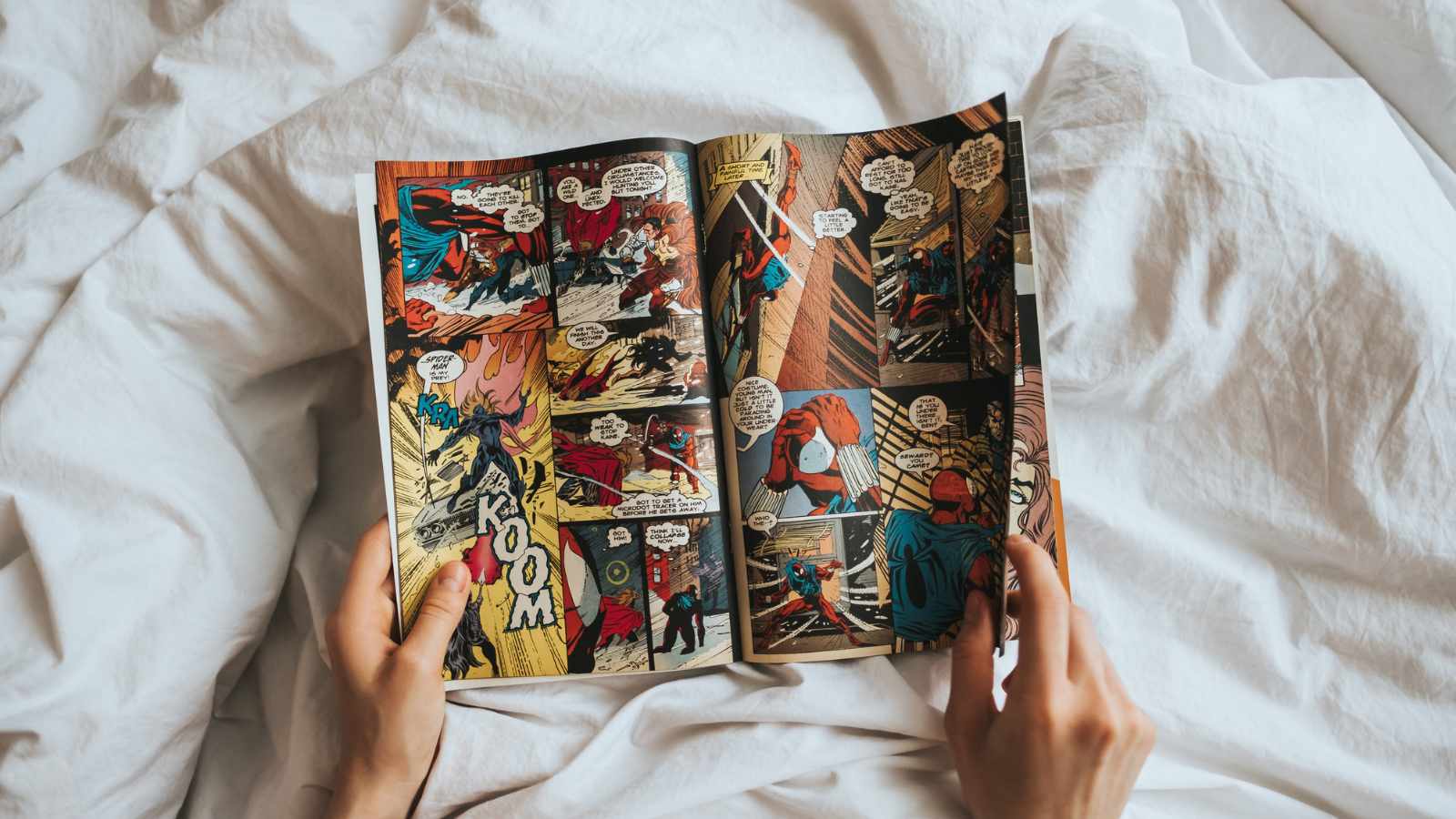
Sunday newspapers once included thick comic sections filled with beloved characters and colorful strips. Families often spread the pages across the living room floor to read together.
As newspaper circulation declined, many publications reduced or eliminated their comic sections. Digital entertainment, video streaming, mobile games, and social media, now competes for attention that comics once held.
Media scholars say comic strips were once a central part of American popular culture, influencing humor and storytelling for decades. Although some comics continue online, the shared ritual of reading them together in the Sunday paper has faded.
Keeping a Personal Checkbook

Balancing a checkbook used to be an essential household skill. Boomers routinely wrote checks to pay bills and recorded each transaction in a ledger. Digital banking has transformed that process.
Online payments, debit cards, and mobile banking apps now automate many financial tasks. According to banking industry reports, electronic payments dominate consumer transactions in the United States, while check usage continues to decline each year.
Financial experts say digital tools offer speed and convenience, but they also change how people interact with money. The practice of manually balancing a checkbook may become a relic of a pre-digital financial system.
Visiting the Library for Research

Boomers grew up conducting research in physical libraries, browsing card catalogs and shelves of books. Libraries served as essential information hubs for students and communities.
Today, search engines and online databases provide instant access to information. While libraries remain important public institutions, their role has evolved. Many now emphasize digital resources, community programming, and multimedia access.
Information scientists say the shift reflects the broader digitization of knowledge. Younger generations often begin research online rather than in physical archives, changing how people interact with books and libraries.
Key Takeaways
Baby Boomers helped shape many of the everyday rituals that defined American life during the second half of the 20th century. Yet generational change, technological innovation, and shifting cultural values are transforming those traditions.
Data show clear trends: fewer Americans attend church regularly, fewer families eat dinner together each night, and digital communication has largely replaced handwritten letters and physical newspapers.
Experts emphasize that traditions rarely disappear entirely, they evolve. Some Boomer-era customs may survive in new forms, revived through nostalgia or intentional preservation.
Still, the habits that once structured daily life for millions of Americans are gradually giving way to new routines shaped by technology, mobility, and changing social expectations.
Disclaimer: This list is solely the author’s opinion based on research and publicly available information. It is not intended to be professional advice.
Like our content? Be sure to follow us





