People often dream of the perfect first dog, until the cute puppy grows into a full-time job they never saw coming.
Bringing a new puppy into your home is supposed to be a dream come true, filled with cuddles and long walks in the park, but picking the wrong breed can quickly turn that dream into a chaotic nightmare. Many new owners underestimate the sheer amount of work required for certain breeds, leading to frustration and mismatches in lifestyle. It is heartbreaking to realize that the cute ball of fluff you fell in love with has needs that go way beyond what you can handle on a daily basis.
Experts constantly warn that choosing a dog based solely on looks or popularity is a recipe for disaster, yet shelters remain full of purebreds that were simply too much for their well-meaning families. Finding a companion that fits your activity level and experience is far more critical than having the coolest-looking dog on the block. Before you sign the adoption papers, you need to know which breeds often prove too difficult for rookies to manage effectively.
Border Collie

These dogs are widely considered the smartest breed on the planet, but that intelligence comes with a frantic need for constant activity that can overwhelm a novice. Collies rank number one in working intelligence, meaning they need a literal job to stay sane. Without a flock to herd or an agility course to run, they will likely herd your children or destroy your furniture.
You might think a daily walk is enough for this breed, but they require high-intensity mental stimulation that most casual owners simply cannot provide. They are intense workaholics who will invent their own chaotic games if you do not give them something constructive to do. Unless you plan to spend hours training every single day, this breed is likely to run circles around you.
Siberian Husky

Huskies are famous for their stunning blue eyes and wolf-like appearance, yet they are also notorious escape artists who can jump fences you thought were secure. They are incredibly independent thinkers who will often choose to ignore your commands if they do not see a good reason to obey. This breed runs on high-octane energy and has a strong prey drive, making off-leash walking a risky gamble.
A major shock for many new owners is the sheer volume of noise these dogs produce, as they prefer howling and “talking” over barking. Huskies are frequently surrendered because people are unprepared for their vocal tantrums and heavy shedding. If you value a quiet home and clean carpets, this beautiful sled dog is absolutely the wrong choice.
Belgian Malinois

Often mistaken for German Shepherds, these dogs are actually lighter, faster, and possess an intensity that is frankly terrifying for an inexperienced handler. The American Kennel Club notes that the Malinois is a preferred breed for Navy SEALs, highlighting a work ethic that is far too intense for a typical suburban family. They are often called “Maligators” because they communicate and play with their mouths, which can be painful.
This breed does not have an “off switch” and requires professional-level training to keep them from becoming reactive or destructive in the home. Owning a Malinois without extensive dog experience is like trying to drive a Formula One race car comfortably through a school zone. They need rigorous structure and hours of physical engagement, or they will dismantle your house.
Akita

The Akita is a powerful and dignified dog from Japan, but their profound loyalty is reserved strictly for its family, making it suspicious of everyone else. These dogs have a strong guarding instinct and can be aggressive toward other dogs, especially those of the same sex. They are not the type to happily greet strangers at the brewery, which can isolate owners who want a social buddy.
Training an Akita requires patience and firm leadership because they are famously stubborn and will walk all over a pushover owner. They act more like cats than dogs in their independence, often refusing to perform tricks just to please you. Their sheer size and strength mean that if they decide to pull on the leash, you are going for a ride.
Dalmatian

Movies made them famous, but Hollywood failed to mention that Dalmatians were bred to run alongside horse-drawn carriages for miles without tiring. Their limitless stamina can make them destructive and jittery if they do not get a serious physical outlet every day. A quick stroll around the block will barely dent their energy levels.
Another challenge is that a significant percentage of Dalmatians are prone to genetic deafness, which adds a layer of complexity to training. They can also be surprisingly guarded with strangers, which is not the friendly personality most people expect from the Disney films. Without proper socialization, their high energy can manifest as nervous aggression.
Rottweiler

Rottweilers are essentially eighty pounds of muscle and devotion, but they require an owner who understands how to manage a powerful guarding breed. According to Forbes Advisor 2022 data, 54% of dog owners regret their choice due to the unexpected difficulty of ownership, a stat that often applies to power breeds like this. If you do not establish boundaries early, a Rottweiler can easily become the one in charge of your household.
While they are incredibly loving to their families, they can misinterpret roughhousing or strangers as threats, leading to serious liability issues. You must be fully committed to positive socialization to ensure their protective nature does not turn into dangerous aggression. This is a lot of responsibility for someone who has never owned a dog before.
Chow Chow

This breed looks like a cuddly teddy bear, yet their personality is often described as aloof, serious, and grumpy. Chow Chows are notoriously difficult to train because they simply do not care about pleasing their owners the way a Golden Retriever does. They bond tightly with one person and can be very snappy if strangers try to pet them without permission.
Their vision is often limited by their deep-set eyes, which can make them easily startled and reactive if approached from the side. They require a handler who respects their boundaries while firmly enforcing the rules, a balance that is hard for beginners to strike. Expecting a Chow to be a social butterfly at the dog park is a setup for failure.
German Shepherd

These dogs are incredibly capable and loyal, but that capability comes with a level of anxiety and drive that can be exhausting to manage. The American Kennel Club ranked German Shepherds fourth most popular in 2023, yet they remain among the most common breeds in shelters. They are prone to separation anxiety and can become destructive if left alone for long periods.
A bored German Shepherd will bark incessantly, chew through drywall, or dig massive holes in your backyard to alleviate their stress. They need a confident leader who can provide mental stimulation; otherwise, their protective instincts can morph into fear-based aggression. This is a lifestyle dog, not a pet you can simply feed and ignore.
Australian Cattle Dog

Save this article
Bred to herd stubborn cattle across harsh terrain, these dogs are tough, tireless, and hardwired to nip at heels to get things moving. If you do not give them a herd to manage, they will likely try to herd your kids, guests, or even your moving car’s tires. Their nipping instinct is genetic and can be extremely difficult for a novice owner to train out of them.
They are often called “Velcro dogs” because they shadow their owners everywhere, which can become annoying if you value personal space. Their high intelligence means they can figure out how to open latches and escape crates if they get bored. You need an active outdoor lifestyle to keep an Australian Cattle Dog happy and well-behaved.
Weimaraner

Known as the “Gray Ghost,” this breed is beautiful but suffers from some of the most severe separation anxiety among canines. They will panic if left alone, often attempting to chew their way out of crates or through doors to get to their owners. This makes them a terrible choice for anyone who works a standard nine-to-five job away from home.
They are high-energy hunting dogs that need vigorous exercise, not just a casual wander around the neighborhood. Weimaraners are clumsy and boisterous, often knocking over lamps or small children without meaning any harm. Their need for constant companionship can feel suffocating for a first-time owner who enjoys independence.
Saint Bernard

The idea of a gentle giant is appealing until you realize that living with a Saint Bernard involves cleaning up gallons of slobber and hair. The annual vet bill for giant breeds like Saint Bernards is significantly higher due to medication dosages. Everything is more expensive with a giant dog, from food to boarding to oversized beds.
Training is non-negotiable because you cannot physically control a dog that weighs nearly two hundred pounds if it decides to pull. They are generally sweet, but their massive size makes them a liability if they jump up on a guest or knock over a toddler. Managing a dog of this magnitude requires spatial awareness that most rookies lack.
Cane Corso
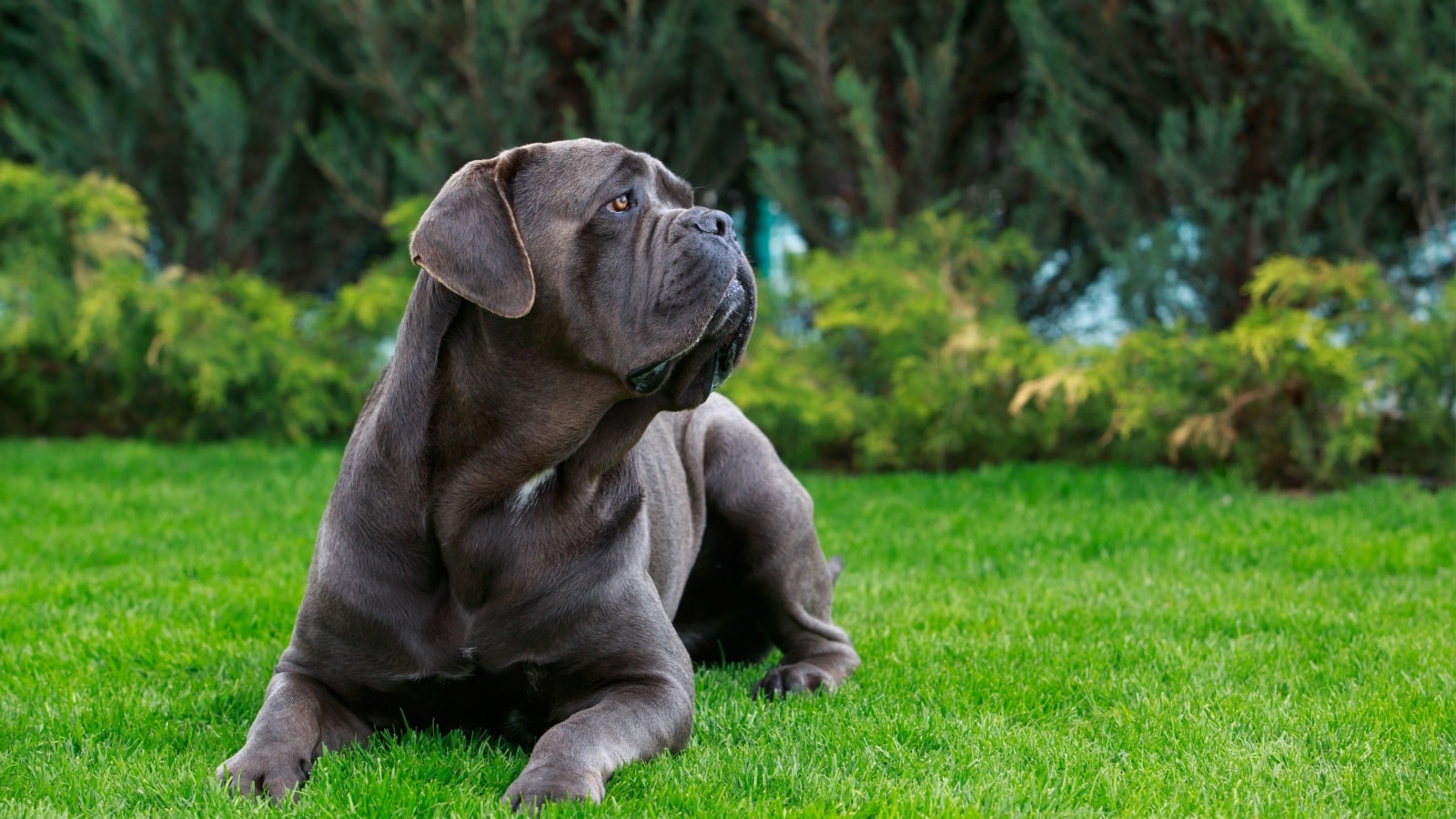
This Italian mastiff is a guardian breed that has seen a massive surge in interest, but it is absolutely not for the faint of heart. Recent AKC statistics show the Cane Corso jumped to the number fourteen spot in popularity, raising concerns among trainers about inexperienced owners handling them. They are dominant, powerful, and suspicious of anything outside their family unit.
Socialization must be a daily activity for the first two years of their life, or you risk becoming liable for failing to allow visitors. A Cane Corso will naturally test your authority, and if you waver, they will take the lead without hesitation. They are serious dogs that require a serious, experienced handler to stay safe.
Jack Russell Terrier

Do not let their small size fool you into thinking they are easy lap dogs; Jack Russells are relentless hunting machines in a tiny package. They have an incredibly high prey drive and will vanish in seconds at the sight of a squirrel or rabbit. You cannot train the hunting instinct out of them, which means off-leash time is rarely an option.
They are known for being vocal, digging up gardens, and picking fights with dogs three times their size. It takes a lot of humor and patience to deal with a dog that has this much personality and stubbornness. If you want a quiet, low-maintenance small dog, look for a different breed entirely.
Great Pyrenees

These majestic white dogs were bred to guard livestock alone in the mountains, making them independent thinkers who do not wait for commands. They are nocturnal by nature and will happily bark at a falling leaf at three in the morning to warn off potential predators. This behavior is fantastic for sheep on a mountain, but a disaster for neighbors in a subdivision.
They are roamers who require high, secure fencing because they consider their territory to be as far as the eye can see. Training them is difficult because they often see no point in sitting or staying just because you asked them to. They do what they want, when they want, which is frustrating for beginners.
Alaskan Malamute

Similar to the Husky but much larger and stronger, the Malamute is a freighting dog designed to pull heavy sleds over long distances. Their incredible strength makes them nearly impossible to walk on a leash if they have not been strictly trained from puppyhood. They are diggers and howlers who can destroy a backyard in a single afternoon.
Malamutes can be aggressive toward other dogs, especially of the same sex, and they have a high prey drive for small animals. Large, powerful breeds are often involved in more severe bite incidents simply due to their size. Handling a dog that can physically overpower you is a danger no novice should court.
Disclaimer – This list is solely the author’s opinion based on research and publicly available information. It is not intended to be professional advice.
Like our content? Be sure to follow us.
How Total Beginners Are Building Wealth Fast in 2025—No Experience Needed

How Total Beginners Are Building Wealth Fast in 2025
I used to think investing was something you did after you were already rich. Like, you needed $10,000 in a suit pocket and a guy named Chad at some fancy firm who knew how to “diversify your portfolio.” Meanwhile, I was just trying to figure out how to stretch $43 to payday.
But a lot has changed. And fast. In 2025, building wealth doesn’t require a finance degree—or even a lot of money. The tools are simpler. The entry points are lower. And believe it or not, total beginners are stacking wins just by starting small and staying consistent.
Click here, and let’s break down how.