

You know that feeling when you’ve finally made a little progress, maybe by cutting back on expenses, getting a small raise, or paying off a bill, only to have life swoop in and take it away? That’s about what tariffs and inflation do, just on a bigger, sneakier scale.
They creep into our grocery carts, fuel pumps, and even our daily coffee without our permission. I remember when I felt like I had a little cushion set aside, but grocery prices jumped, and my kids’ school supplies almost doubled what I spent last year. It was as if my “extra” money had evaporated overnight.
As of 2025, the average American home is paying roughly $3,800 annually in additional costs due to tariffs, according to analysis by The Budget Lab at Yale. Let’s break down exactly how these two forces tag-team our wallets and make financial wins feel like losses.
Groceries cost more without you even noticing
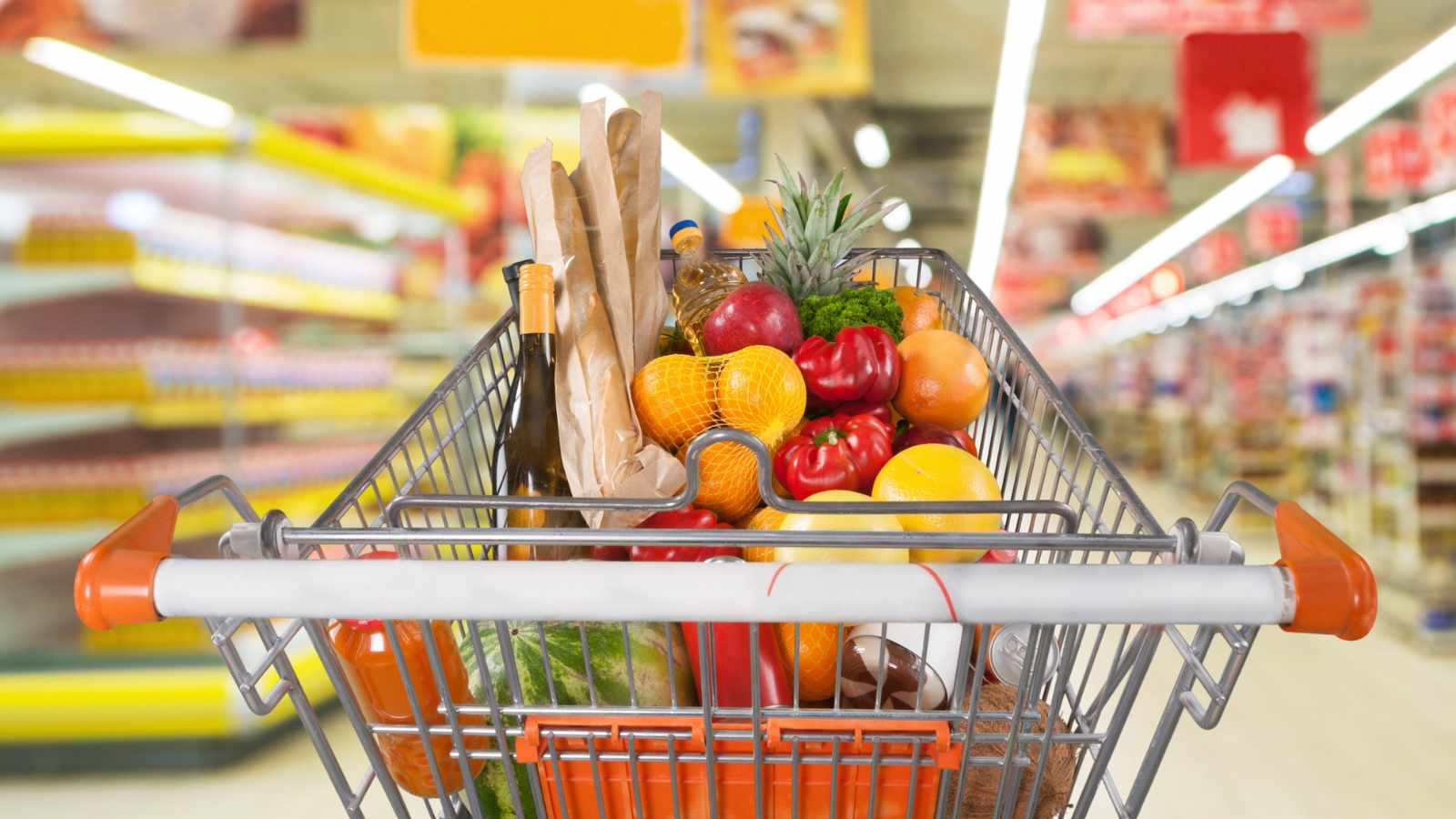
It’s not in your head. Eggs, bread, and milk have actually gotten more expensive. When tariffs increase the cost of imported items, such as wheat or boxes, food prices tend to rise. Throw in inflation, and that $100 grocery trip now barely covers the essentials.
American food prices increased by 23.6% from 2020 to 2024, based on the USDA. So that same fridge that used to feel stuffed now feels suspiciously bare.
Imported goods hit your wallet harder

Clothes, electronics, or even cars most rely on components or materials manufactured overseas. Tariffs on imported items mean those costs are passed on to consumers.
You may not even know it, but that computer you buy next year may cost $150 more for no other reason than trade policy. The same goes for sneakers or that fancy blender you’ve got your eyes on. It’s as if shelling out the extra money is just because the two countries were incompatible.
Credit card debt becomes heavier

Most Americans use credit cards to get by during lean months. However, inflation has the effect of paying more just to cover the cost of basic necessities. Combine that with increasing interest rates, which can sometimes be a countermeasure to inflation, and debt builds up more quickly.
The Motley Fool reports that the total U.S. credit card debt has climbed to a staggering $1.209 trillion, marking a new all-time high. Tariffs can also push businesses to raise prices, meaning you’re borrowing more just to keep up.
Your savings lose their power

It is difficult enough to save money, but inflation makes it worse. If you save $10,000, assuming inflation runs at 3% annually, that money loses its value by nearly a third in 15 years.
It’s discouraging because you’re doing the “right” thing, but still falling behind. Higher tariffs can slow economic growth, resulting in fewer opportunities to invest and accumulate wealth.
Eating out isn’t the little treat it used to be

Getting takeout used to seem like a cheap night off from the kitchen. Restaurant checks now hurt a little more. Increasing food prices and tariffs on foreign ingredients, such as seafood or specialty spices, push up menu costs.
Fast-food prices have increased 60% between 2014 and 2024, more than twice the country’s national rate of inflation over the same period, according to recent FinanceBuzz analysis. That weekend night pizza can start to feel like a luxury instead of a relief.
Your paycheck feels smaller

Even when your salary goes up, inflation often eats away at the gains. A 4% raise sounds nice, but if inflation is running at 5%, you’re technically losing ground. It’s frustrating because you’re working harder yet feeling poorer.
Tariffs add fuel by raising costs for businesses, which may hold back wage growth altogether. That paycheck stretch just doesn’t go as far as it used to.
Hidden fees sneak into services

Inflation doesn’t just affect goods; it also impacts services. Haircuts, car repairs, and childcare become pricier because service industry workers have higher supply costs and labor expenses. If tariffs increase the price of foreign-made auto parts, for example, your mechanic will send that bill directly to you.
One in every three manufacturers and nearly half of the service firms surveyed by the New York Fed simply add all tariff-induced cost increases to customers in the form of price hikes. It’s a quiet domino effect, but one reflected in your bank statement. Even small tasks now come with sticker shock.
Travel turns into a luxury

Air tickets, hotel stays, and even the cost of car rentals all rise during inflation. Import duties on aviation fuel or airplane parts can drive ticket prices even higher.
That holiday getaway now runs several hundred dollars more than budgeted. In reality, U.S. air travel prices increased nearly 43% alone in 2022, Marketplace says. Something that used to be a pleasant treat now feels more like a gamble against one’s bank account.
Gas tanks drain wallets faster

Gas prices can fluctuate, but inflation nudges the overall trend upward. Foreign oil or refined product tariffs can cut those moves even more sharply. In 2022, the national average for gas reached over $5 per gallon for the first time, as per AAA.
That made commuting, road trips, and even Saturday errands a cost-breaker. Filling up feels less like a routine task and more like a negotiation with your wallet.
Household budgets lose all flexibility

At one time, some extra money in the month might have been saved, spent on entertainment, or used for family fun. But with prices increasing due to inflation and tariffs everywhere, that buffer no longer exists.
Today, it’s a matter of paying bills and hoping that nothing unexpected arises. A Bankrate survey recently found 57% of Americans lack funds to cover an unexpected $1,000 expense.
Housing gets harder to afford

Save this article
Mortgages and rent already take a significant chunk out of people’s income, but inflation bites even deeper. Rising construction costs, partially driven by tariffs on steel, wood, and aluminum, push housing costs upward.
At the same time, increased interest rates make it harder to handle mortgages. Based on Zillow, the median rent in the U.S. hit over $2,000. Rents in some metropolitan areas have skyrocketed above the national median.
New York, San Diego, and Miami are just a few examples with median rents exceeding $3,000. Homeownership for many families appears to be an elusive moving target.
Small businesses can’t keep prices low

Your local hangout shop or coffee house can’t be as lax as big corporations. When tariffs raise their costs, they pass them along or cut corners. Inflation turns up the screws even tighter, necessitating tough choices such as cutting servings or laying off staff.
The result? You pay more and receive less, and your favorite local businesses may not survive. Dining locally tastes great, but it also costs you.
Retirement dreams shrink

Inflation steals retirement savings quietly in ways that are not easily recognizable until it’s too late. A nest egg that had been ample ten years ago may quite suddenly be inadequate. Tariffs that slow economic growth can also undermine the stock market, limiting returns on retirement savings.
A PBS News story notes that one in every four U.S. adults 50 or older, almost 25 percent, report that they believe they’ll never retire. That “golden” retirement doesn’t seem so shiny anymore.
Healthcare gets pricier than ever

Medical expenses already are crushing, but inflation makes them expand even more quickly. Tariffs on imported medical gear or medicine just put more fuel on the fire.
Between 2000 and 2021, average U.S. healthcare spending nearly doubled, from approximately $4,800 to over $12,900 per year. For a family, even a routine doctor’s checkup can be stressful financially. It’s a signal that money and health are more connected than we’d care to think.
Student loans feel heavier

For students who are burdened with debt, inflation makes it more difficult to repay. Day-to-day expenses rise, leaving fewer dollars in the budget to address loans. Tariffs can dampen economic growth, reducing job opportunities and wage hikes for younger workers.
According to the Federal Reserve Bank of New York, Americans collectively owe approximately $1.63 trillion in student loan debt as of Q1 2025. Attempting to pay it off while maintaining an inflated cost of living is almost impossible.
The mental stress quietly builds

It’s not just a money issue; it’s a worry about being taken advantage of. Tariffs and inflation breed uncertainty, and uncertainty weighs heavily during those dinner table discussions with family. Money worries are among the leading sources of stress and insomnia.
When every dollar counts, it’s hard to worry about tomorrow, much less enjoy today. And that’s the most devious cost of all, the impact on peace of mind.
Key takeaways

Everyday essentials cost more. Food, gasoline, shelter, healthcare, and dining out are more expensive as tariffs and inflation drive up the cost of goods, eroding household buying power.
Savings and income lose value. Pay cannot keep pace with inflation, while savings and retirement funds are dwindling, diminishing security even for savers.
Debt becomes harder to escape. Credit cards, student loans, and other debt become more burdensome as inflation and interest rates devour more dollars, leaving fewer to apply to their repayment.
Stress and lost opportunities pile up. Families sacrifice vacations, extras, and even emergencies, while small businesses struggle to survive, fueling a cycle of financial stress and mental anguish.
Disclaimer – This list is solely the author’s opinion based on research and publicly available information. It is not intended to be professional advice.
16 grocery staples to stock up on before prices spike again
16 Grocery Staples to Stock Up On Before Prices Spike Again
I was in the grocery store the other day, and it hit me—I’m buying the same things I always do, but my bill just keeps getting higher. Like, I swear I just blinked, and suddenly eggs are a luxury item. What’s going on?
Inflation, supply-chain delays, and erratic weather conditions have modestly (or, let’s face it, dramatically) pushed the prices of staples ever higher. The USDA reports that food prices climbed an additional 2.9% year over year in May 2025—and that’s after the inflation storm of 2022–2023.
So, if you’ve got room in a pantry, freezer, or even a couple of extra shelves, now might be a good moment to stock up on these staple groceries—before the prices rise later.
6 gas station chains with food so good it’s worth driving out of your way for
6 Gas Station Chains With Food So Good It’s Worth Driving Out Of Your Way For
We scoured the Internet to see what people had to say about gas station food. If you think the only things available are wrinkled hot dogs of indeterminate age and day-glow slushies, we’ve got great, tasty news for you. Whether it becomes part of a routine or your only resource on a long car trip, we have the food information you need.
Let’s look at six gas stations that folks can’t get enough of and see what they have for you to eat.





