

The screen door slams behind you as you race into your friend’s house, a chaotic whirlwind of summer freedom. You knew exactly where they kept the good snacks, which couch cushion was the bounciest, and that their parents’ rules were slightly more relaxed than your own. It was a shared, communal childhood, built on a foundation of casual drop-ins and unspoken understandings.
Fast forward to today. The world is no longer the same, nor is parenting. That easy-breezy vibe has been superseded by another set of norms brought about largely by things we had far less concern over at the time, digital privacy, food allergies, and a newfound awareness of personal safety.
A 2023 study by the Pew Research Center highlighted this shift, noting that a majority of parents today describe their parenting style as more “intensive” and “hands-on” than how they were raised.
It’s not about judging the past; it’s about understanding the present. So, let’s take a walk down memory lane and look at the things we all did at our friends’ houses that would get our own kids a serious side-eye today.
The unsupervised pantry raid
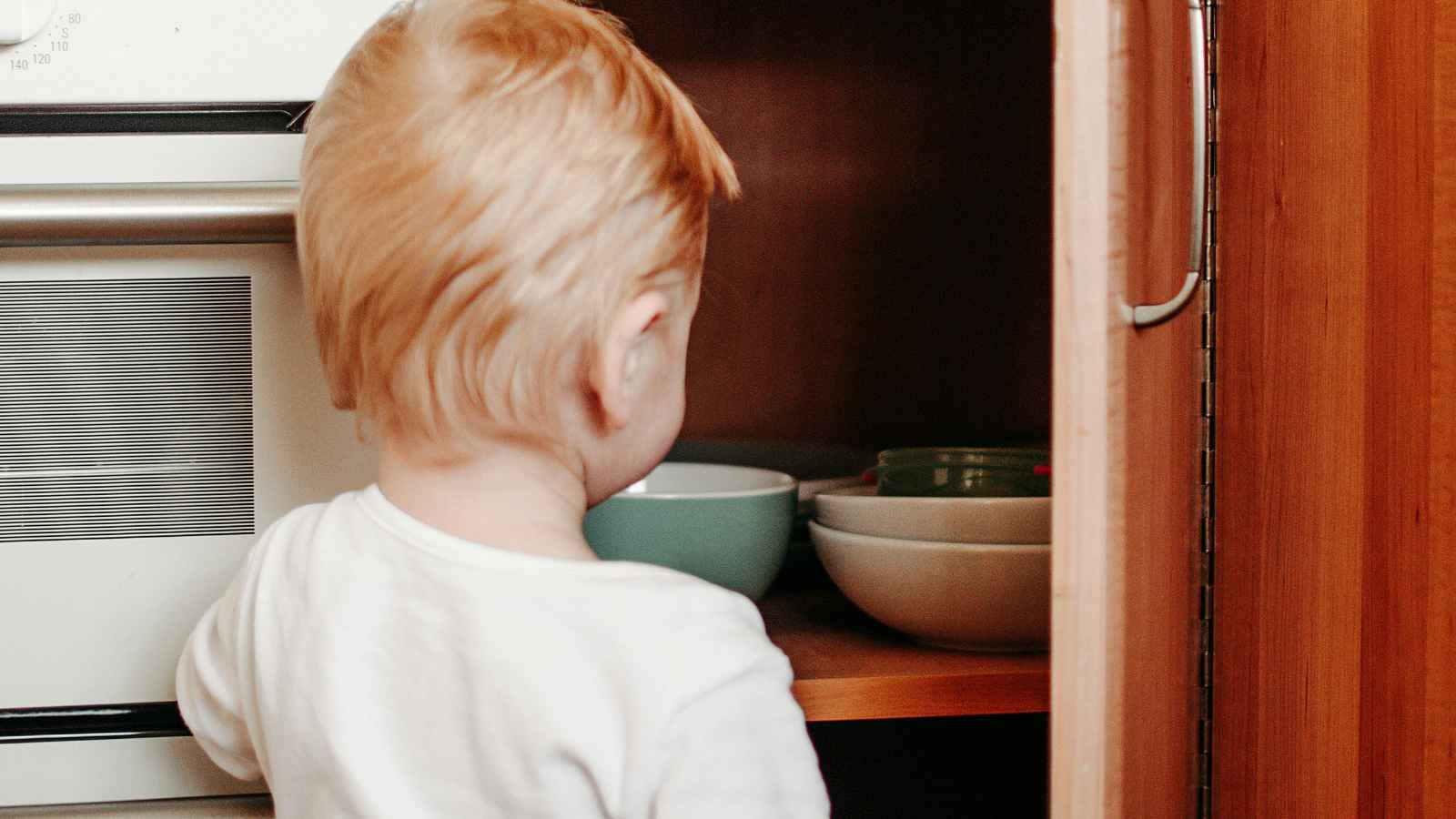
Remember walking into your friend’s kitchen, swinging open the pantry or fridge door, and grabbing a handful of Goldfish or a juice box like you were a member of the family? It was standard procedure. You were hungry, and the food was there. Simple.
Today, that casual act is a minefield of modern parenting anxieties. First, allergies. With nearly 1 in 13 children now having a food allergy, according to Food Allergy Research & Education (FARE), letting a kid forage for themselves is a risk many families can’t take.
Then there’s the cost. The USDA noted another jump in grocery prices in 2024, making that “free” snack a bigger deal for the host family’s budget. Now, the rule is simple: just ask first.
Showing up unannounced

The doorbell used to be the ’80s and ’90s version of a text message. You’d just show up on your friend’s doorstep, maybe with your bike thrown on their lawn, ready for an adventure. It was spontaneous and simple. No plans needed.
In today’s world of jam-packed schedules and dual-income households, an unannounced visitor can feel more like an interruption than a pleasant surprise. Modern family life is highly structured.
Between work, school, and extracurriculars, parents need to manage time carefully. A text ahead of time isn’t just polite; it’s a necessary tool for logistical planning.
Answering their home phone

If you were at a friend’s house and the landline rang, there was a decent chance you’d be the one to pick it up. “Johnson residence, this is [Your Name]!” you’d say, feeling impossibly grown-up. You were practically part of the family, after all.
This is unthinkable now for a few key reasons. First, privacy. We’re far more guarded about who has access to our personal lines. Most parents are concerned about their children’s digital privacy and who they interact with online and on the phone.
Second, who even has a landline anymore? If the home phone rings today, it’s probably a scammer, and nobody wants a 10-year-old giving away family secrets.
Watching R-rated movies without permission

You’re at a sleepover, the parents are asleep, and someone puts on Terminator 2 or Pulp Fiction. It was a coming of age, a secret kept by the friends. You’d go home with a bunch of new curse words and a slightly warped view of the world.
Today, parental controls and content ratings are a much bigger deal. Organizations like Common Sense Media provide detailed breakdowns of every movie, and parents use them religiously. Parents today are much more intentional about the media their children consume.
Letting your kid watch something R-rated at a friend’s house without your express permission would be seen as a major breach of trust.
Making your own chemical-colored snacks

Remember the culinary masterpieces you’d create? A packet of Kool-Aid powder was stirred into a cup of water with a mountain of sugar. Or a Lunchable pizza assembled cold because you couldn’t be bothered with the toaster oven. You were a little chemist, and the kitchen was your lab.
Besides the obvious health concerns about kids mainlining Red Dye No. 40, there’s a bigger issue of kitchen safety. We’re much more aware of the dangers of unsupervised kids using appliances. Plus, with the rise of specific dietary lifestyles—keto, paleo, gluten-free—that pantry is no longer a free-for-all. What you see as a fun snack could be a parent’s carefully planned (and expensive) specialty ingredients.
Just assuming you’re staying for dinner
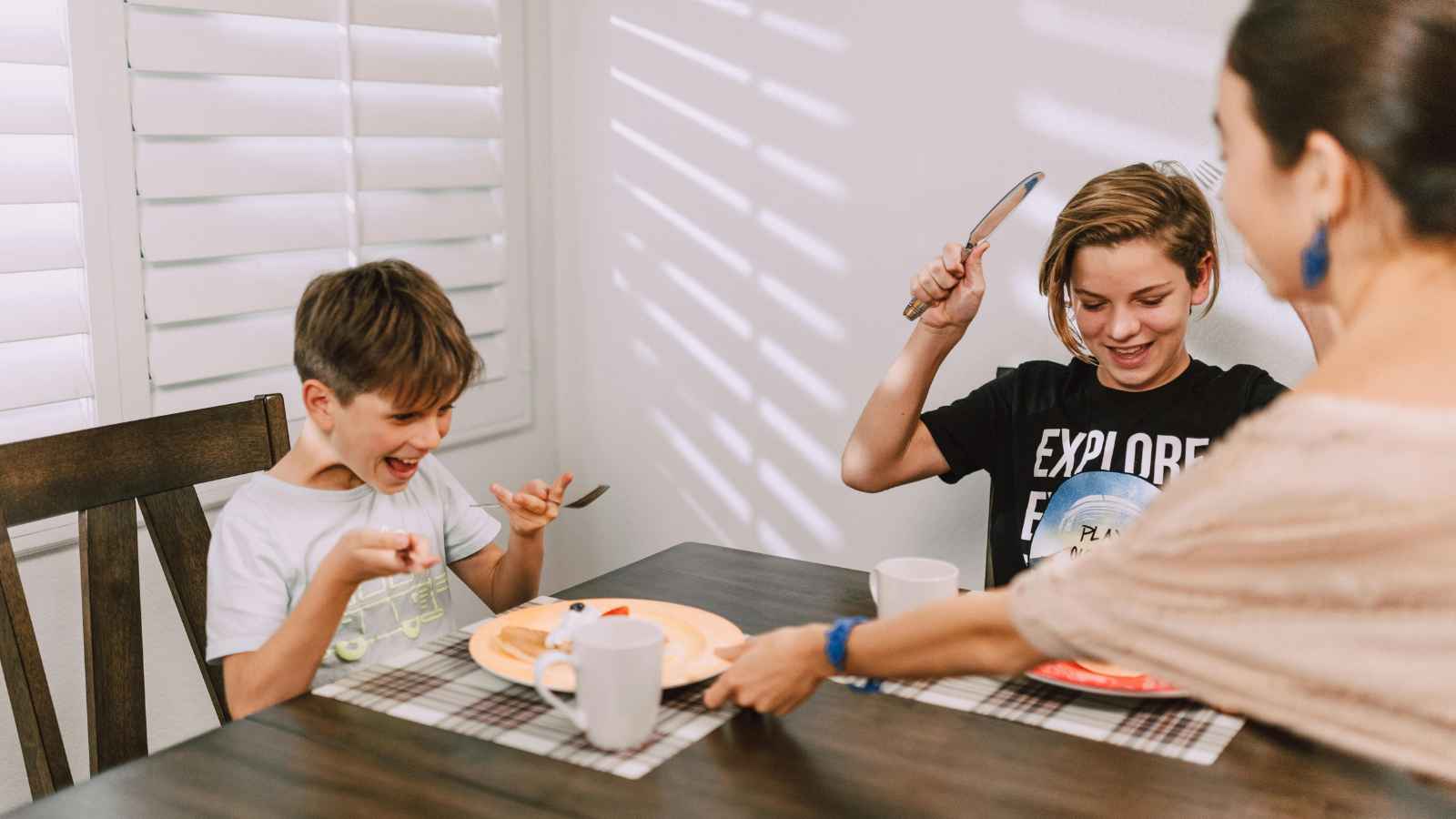
It was the natural progression of a good play session. You’re there, it’s 6 p.m., and your friend’s mom is putting food on the table. Of course you’re staying! She’d just set another plate, no questions asked.
This casual hospitality has faded, largely for practical reasons. With busy schedules, dinner is often planned and portioned precisely. For many families, dinnertime is one of the few moments they have to connect during the day. An unexpected guest, while welcome in spirit, can change the dynamic and logistics. A quick “Is it okay if I stay for dinner?” text from your parent to theirs is the new standard.
Using their family computer
The family computer was a majestic beast, often kept in the living room or a den. If you were at a friend’s house, you’d often hop on to play a game of The Oregon Trail or dial up America Online. It was a shared utility.
Today, a personal device is just that—personal. It’s logged into private social media accounts, banking apps, and work emails. Allowing a visiting child to have free rein on a family computer or tablet poses a significant digital privacy risk that most parents are no longer willing to take.
The ‘Be home by dark’ rule

Childhood used to be a free-range adventure. You’d leave the house in the morning with your crew and roam the neighborhood for hours, building forts, playing street hockey, and exploring. The only rule was to be home when the streetlights came on.
That level of unsupervised play is rare now. While experts like Dr. Peter Gray, a proponent of free play, argue it’s essential for building resilience, parental anxiety has skyrocketed. Today’s play is often structured, supervised, and confined to a backyard or a pre-arranged playdate.
Playing rough in the house

The living room wasn’t just for sitting; it was a wrestling ring. You and your friend would be practicing WWE moves on the couch, using cushions as crash pads. Someone might get a minor injury, but it was all part of the fun. A Gallup poll on American fears found that parental anxiety about their child’s safety remains at a near-record high.
Kids will always be physical. However, the tolerance for that kind of chaos inside the house has nosedived. First of all, furniture is not cheap, and no one wants their couch to be a pretend Royal Rumble casualty. More importantly, there’s a heightened awareness of safety and concussions. What used to be seen as “kids being kids” is now viewed as an unnecessary risk that’s better taken outside or at a trampoline park.
The casual sleepover free-for-all

Sleepovers used to be a chaotic pile of sleeping bags on the floor. Ten kids might be invited, and maybe a few more would just tag along. It was loud, unstructured, and went late into the night.
Modern sleepovers are often smaller and more structured. Why? This is all about encouraging healthy group dynamics and preventing injury. Sleepovers where only one adult is present help to alleviate some stress and ensure even the most introverted guests feel included and safe.
Sharing cups and utensils

Save this article
You’re thirsty, your friend has a soda, so you take a big swig from their can. No big deal. Sharing was caring, right?
The post-pandemic world has made everyone a little more germophobic, and for good reason. We’re acutely aware of how easily viruses spread. The idea of sharing utensils or drinking from the same cup now seems reckless to many parents.
According to the Healthy Handwashing Survey, 80% of Americans report being more conscious of germs than they were five years ago. It’s not a sign of being unfriendly; it’s just the new normal for public health.
Disciplining your friend

If your friend was misbehaving at your house, you might step in with a little “Hey, cut it out!” or even physically stop them from, say, drawing on the walls. You were protecting your turf.
Today, disciplining another person’s child is a major overstep. Modern parenting philosophies, like gentle parenting, emphasize connection and emotional regulation, and parents have very specific ways they want to handle their child’s behavior
Intervening, even with good intentions, can undermine their parenting strategy. The rule now is clear: if there’s a problem, you get the parent.
Snooping around the house

Let’s be honest, we all did it. When your friend was in the bathroom, you might take a peek in their older sister’s room or, the holy grail, the parents’ medicine cabinet. It was a mix of boredom and curiosity.
While this was always wrong, it’s viewed with far more severity today. It’s a massive invasion of privacy that, in the digital age, feels even more violating. Furthermore, with the ongoing opioid crisis and greater awareness of prescription drug abuse, a kid going through a medicine cabinet isn’t just snooping—it’s a serious safety concern.
Not disclosing key information
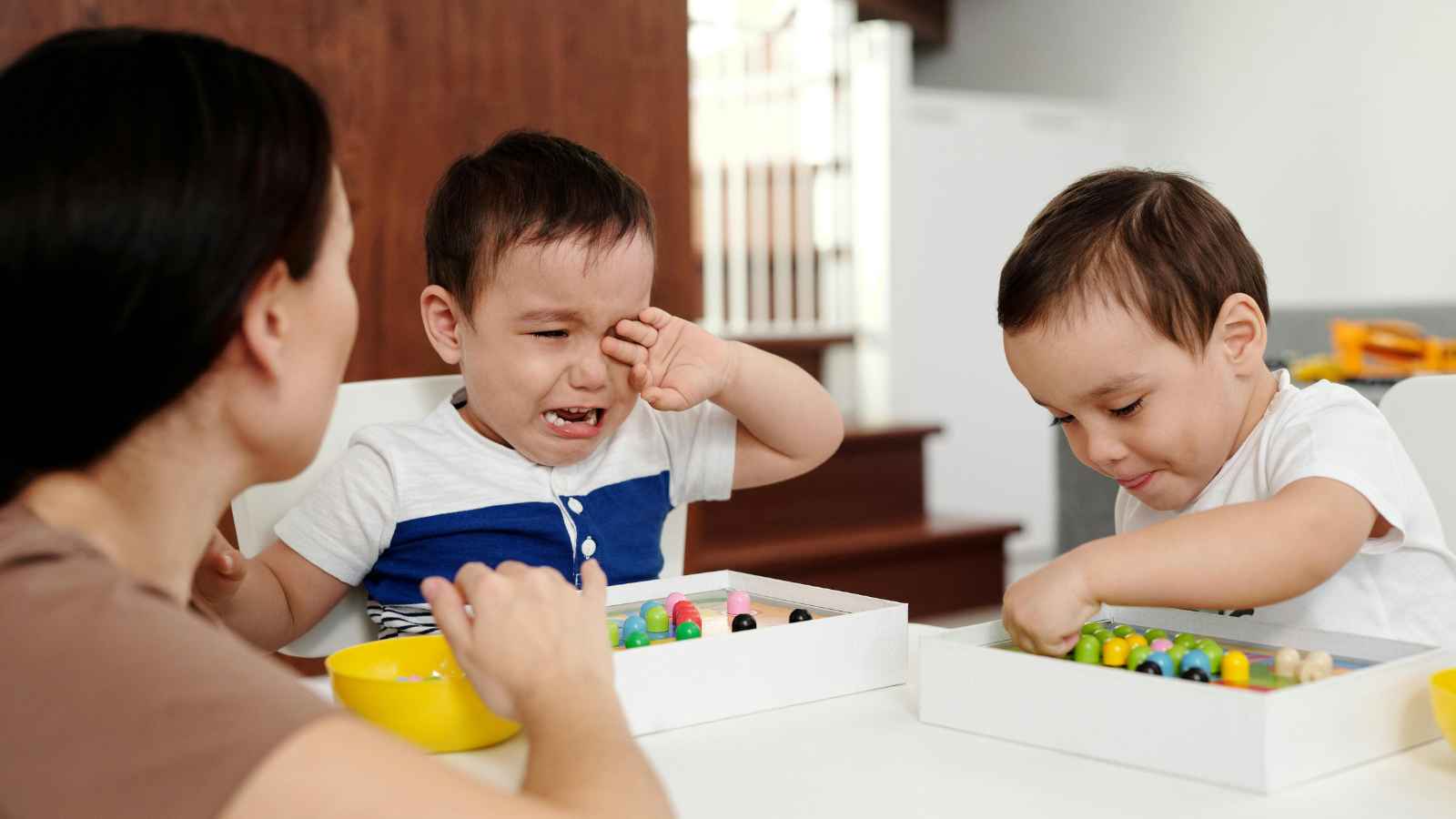
You’d drop your kid off and just… leave. You assumed your friend’s parents knew the basics. But you probably didn’t think to mention your child’s fear of big dogs, their lactose intolerance, or that they need a nightlight to sleep.
Today, a playdate drop-off comes with a full briefing. Parents exchange information about allergies, fears, medical needs, screen time rules, and emergency contacts. It’s a formal hand-off of responsibility.
The American Academy of Pediatrics (AAP) stresses that clear communication is essential for safe childcare. This includes ensuring all caregivers understand expectations and potential risks.
Calling adults by their first names

This one varies by region, but for many, calling your friend’s parents “Mr. and Mrs. Johnson” was non-negotiable. Using their first names was seen as disrespectful.
Interestingly, this trend has almost completely flipped. In many communities, insisting on “Mr.” or “Mrs.” now feels formal and stuffy. Many modern parents prefer to be called by their first names to create a more relaxed, egalitarian atmosphere.
It is a slight change, but it is indicative of a general societal change shifting the treatment of social contact out of strict formality.
Having no filter about their house

Kids say the darndest things, right? Back then, you might have blurted out, “Your house smells funny,” or “Why is your TV so small?” It was seen as a clueless comment from a kid.
While kids still have no filter, parents today are more likely to coach them on social graces and empathy beforehand. Families come from diverse economic and cultural backgrounds; teaching kids not to comment on the state of someone’s home is a lesson in respecting differences.
It’s about ensuring a playdate doesn’t end with a host parent feeling judged or insecure.
Giving out their address or phone number

If a new friend wanted to come over, you might just write down your address or home phone number on a scrap of paper and hand it to them. Information was shared freely because the world felt smaller and safer.
This is a massive red flag today. Teaching kids about digital and physical safety is paramount. Children are explicitly taught never to give out personal information like their address, phone number, or even what school they attend without a parent’s permission. In an interconnected world, protecting personal data begins at a young age.
Key takeaway
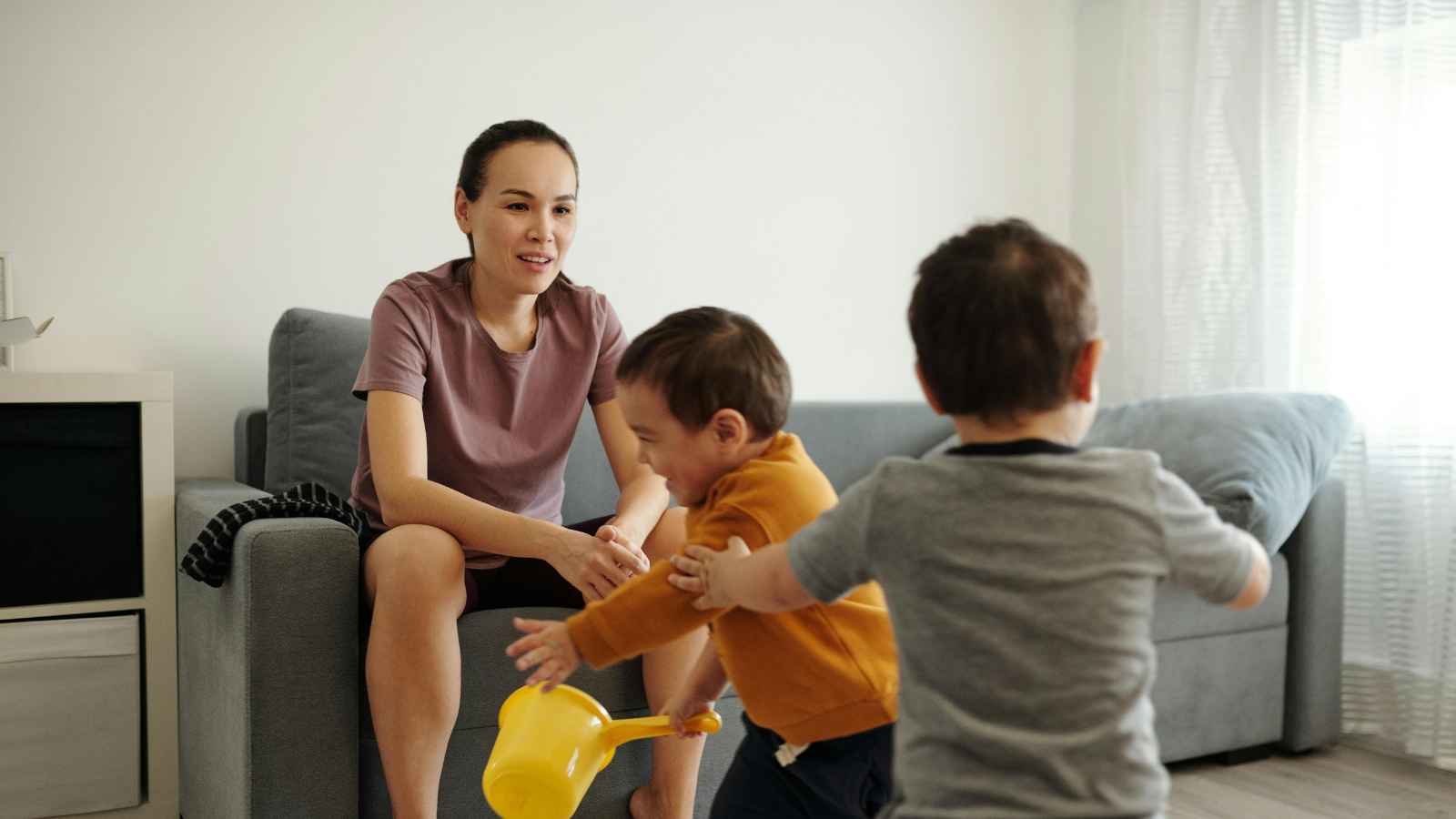
So what’s the bottom line here? It’s not that our parents were negligent or that today’s parents are too uptight. The world has simply evolved, bringing new information and new challenges.
Awareness is Everything: We know more about allergies, mental health, and physical and digital safety than ever before, and parenting has adapted accordingly.
Boundaries are a Good Thing: The shift from casual, communal parenting to a more structured style is really about respecting the privacy, resources, and rules of each individual family.
Communication is Key: The unspoken rules of the past have been replaced by the need for clear, explicit communication. A simple text can solve almost any modern playdate dilemma.
Ultimately, the goal is still the same: for kids to have fun, build friendships, and be safe. We just have a different roadmap for getting there now.
Disclaimer – This list is solely the author’s opinion based on research and publicly available information. It is not intended to be professional advice.
16 Best Jobs for Pregnant Women

16 Best Jobs for Pregnant Women
Pregnancy is a transformative and joyous period in a woman’s life, but it comes with unique challenges and demands. One of the most crucial aspects during this time is ensuring a healthy work-life balance.
Finding the right job during pregnancy is not just about earning an income; it’s about maintaining your health, well-being, and peace of mind.
How Total Beginners Are Building Wealth Fast in 2025—No Experience Needed

How Total Beginners Are Building Wealth Fast in 2025
I used to think investing was something you did after you were already rich. Like, you needed $10,000 in a suit pocket and a guy named Chad at some fancy firm who knew how to “diversify your portfolio.” Meanwhile, I was just trying to figure out how to stretch $43 to payday.
But a lot has changed. And fast. In 2025, building wealth doesn’t require a finance degree—or even a lot of money. The tools are simpler. The entry points are lower. And believe it or not, total beginners are stacking wins just by starting small and staying consistent.
Click here and let’s break down how.





