Few speeches in history have moved hearts and shaped nations like Martin Luther King Jr.’s iconic “I Have a Dream” address. Delivered on August 28, 1963, during the March on Washington for Jobs and Freedom, this 17-minute speech didn’t just echo across the steps of the Lincoln Memorial, it sent ripples through the conscience of a nation and beyond.
A Moment That Captured a Movement

The March on Washington drew more than 250,000 people—Black, white, young, old—all demanding equality. King was the final speaker of the day, and by the time he took the podium, the sun was beating down on a weary crowd. But what came next electrified not only those gathered but also millions watching on television.
The Power of “I Have a Dream”

What made the speech extraordinary was its ability to transform pain into hope. King spoke of justice “rolling down like waters” and a future where children “will not be judged by the color of their skin but by the content of their character.” His words painted a vision so vivid it was impossible to ignore.
Changing the Course of Civil Rights

Within a year of King’s speech, Congress passed the Civil Rights Act of 1964, a landmark law banning segregation and discrimination. The Voting Rights Act followed in 1965, dismantling barriers that kept Black Americans from the ballot box. King’s dream didn’t single-handedly create these laws, but it gave lawmakers—and the nation—the moral imperative to act.
A Global Wake-Up Call

King’s message resonated far beyond U.S. borders. His commitment to nonviolence inspired movements from South Africa’s fight against apartheid to labor and human rights struggles worldwide. The dream became universal; a call for justice wherever inequality existed.
Save this article
The Speech Lives On

Decades later, the “I Have a Dream” speech is still quoted in classrooms, boardrooms, and political arenas. It’s etched in history books and engraved in the American psyche as a reminder of what’s possible when courage meets conviction.
Why It Still Matters Today

Inequality persists, and the dream is still unfinished. But King’s words continue to fuel conversations about racial justice, equity, and unity. Every generation finds new meaning in his vision, proving that a speech can be more than just words; it can be a catalyst for enduring change.
Bottom Line

King’s speech didn’t just change America; it gave humanity a blueprint for hope. It showed that language, when charged with truth and justice, can topple systems, shift attitudes, and light the path toward a more equal world.
Are we up to the task at hand?
10 Famous Last Words in History—Including Amelia Earhart’s Eerie Final Transmission
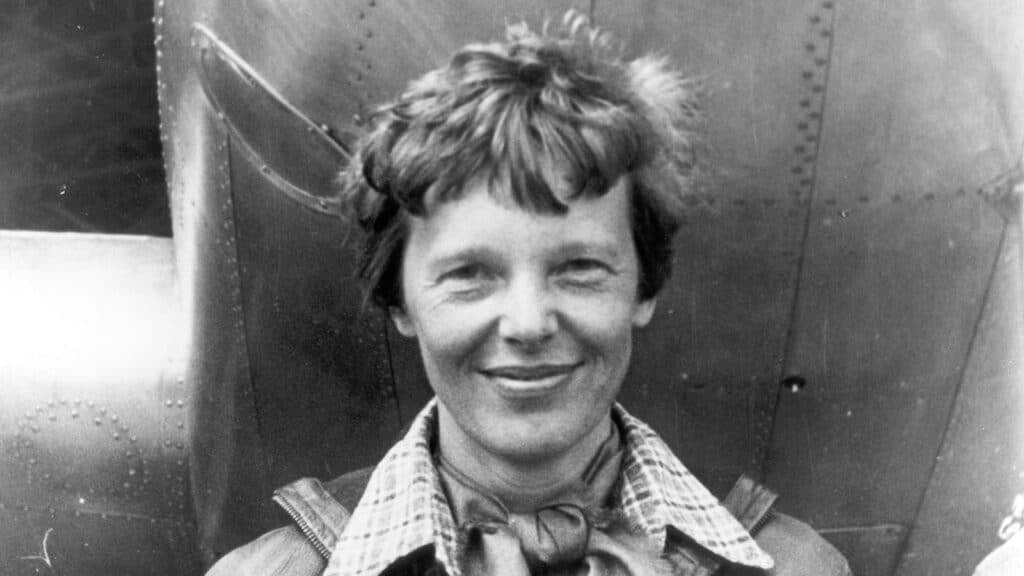
Some words echo through history, not because of what they said, but when they were said.
READ: 10 Famous Last Words in History—Including Amelia Earhart’s Eerie Final Transmission