

Data from the Mayo Clinic shows that increased intake of antioxidant‑rich foods like cherries, nuts, and leafy greens results in greater reductions in inflammatory markers than taking antioxidant pills alone.
Inflammation is a natural response by the body to injury or infection, but chronic inflammation can lead to numerous health problems, such as heart disease, arthritis, and even cancer. While many people turn to supplements to reduce inflammation, certain foods can be just as effective, if not more so. These foods not only help manage inflammation but also provide other essential nutrients for overall health.
Incorporating anti-inflammatory foods into your daily diet can help reduce inflammation naturally, without the need for expensive or unnecessary supplements. Here are seven foods that not only pack anti-inflammatory properties but also offer a wide range of additional health benefits.
Fatty Fish
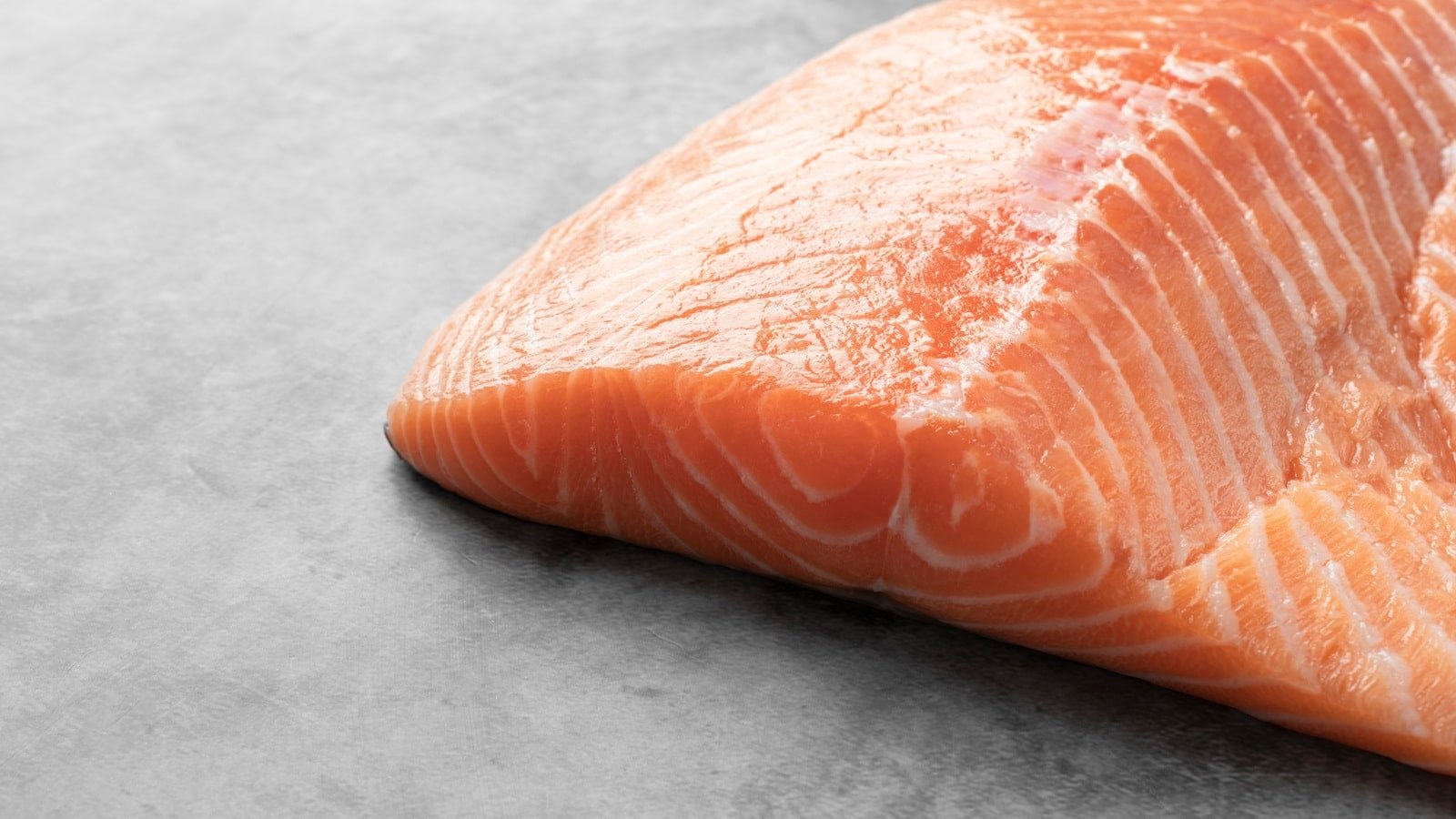
Data from the National Institutes of Health shows that omega‑3 fats in fatty fish like salmon, mackerel, and sardines reduce inflammatory eicosanoids and cytokines, support brain and heart health, and are linked to a lower risk of chronic disease.
Eating fatty fish regularly can help reduce markers of inflammation, such as C-reactive protein (CRP), which is linked to various inflammatory conditions. Aim for at least two servings of fatty fish each week to reap the full benefits of omega-3s.
Turmeric

Turmeric, a bright yellow spice commonly used in Indian cooking, contains curcumin, a compound with potent anti-inflammatory properties. Curcumin has been shown to block the activity of inflammatory enzymes and molecules, such as COX-2 and TNF-alpha, that contribute to chronic inflammation. It has also been linked to reducing symptoms of inflammatory conditions such as arthritis and inflammatory bowel disease (IBD).
Turmeric is best absorbed when paired with black pepper, which enhances curcumin’s bioavailability. Adding turmeric to your meals, smoothies, or even hot drinks like tea can be an easy way to incorporate this powerful anti-inflammatory into your diet.
Berries

Berries, such as blueberries, strawberries, and raspberries, are rich in antioxidants, including flavonoids. These compounds help combat oxidative stress, which contributes to chronic inflammation. Berries also contain vitamin C, fiber, and other essential nutrients that promote overall health and reduce cellular inflammation.
The antioxidants found in berries help protect cells from damage caused by free radicals, which are highly reactive molecules that trigger inflammation. Eating a variety of berries regularly can help lower inflammation and support immune function. Whether fresh or frozen, berries are easy to add to smoothies, oatmeal, or salads.
Also on MSN: Deadly Dosages: 16 Common Supplements That Could Be Fatal in Excess
Olive Oil

Save this article
Olive oil, especially extra virgin olive oil, is a staple in Mediterranean diets and one of the healthiest fats you can consume. It contains oleocanthal, a compound shown to reduce inflammation similarly to non-steroidal anti-inflammatory drugs (NSAIDs), such as ibuprofen. The healthy fats in olive oil also promote heart health and improve cholesterol levels.
In addition to its anti-inflammatory properties, olive oil is rich in antioxidants, such as vitamin E, which help protect against oxidative damage. Drizzling olive oil on salads and vegetables, or using it for cooking, can be an easy way to incorporate this anti-inflammatory food into your diet.
Leafy Greens

Leafy greens like spinach, kale, and Swiss chard are loaded with vitamins, minerals, and antioxidants that help reduce inflammation. These vegetables are high in fiber and packed with phytonutrients, such as flavonoids, that support the immune system and reduce inflammation at the cellular level. They are also excellent sources of vitamin K, which plays a key role in inflammation regulation.
Incorporating a variety of leafy greens into your meals can help keep inflammation in check and provide other health benefits, such as improving bone health and supporting heart function. Eating them raw in salads, adding them to smoothies, or sautéing them as a side dish are great ways to enjoy their benefits.
Ginger
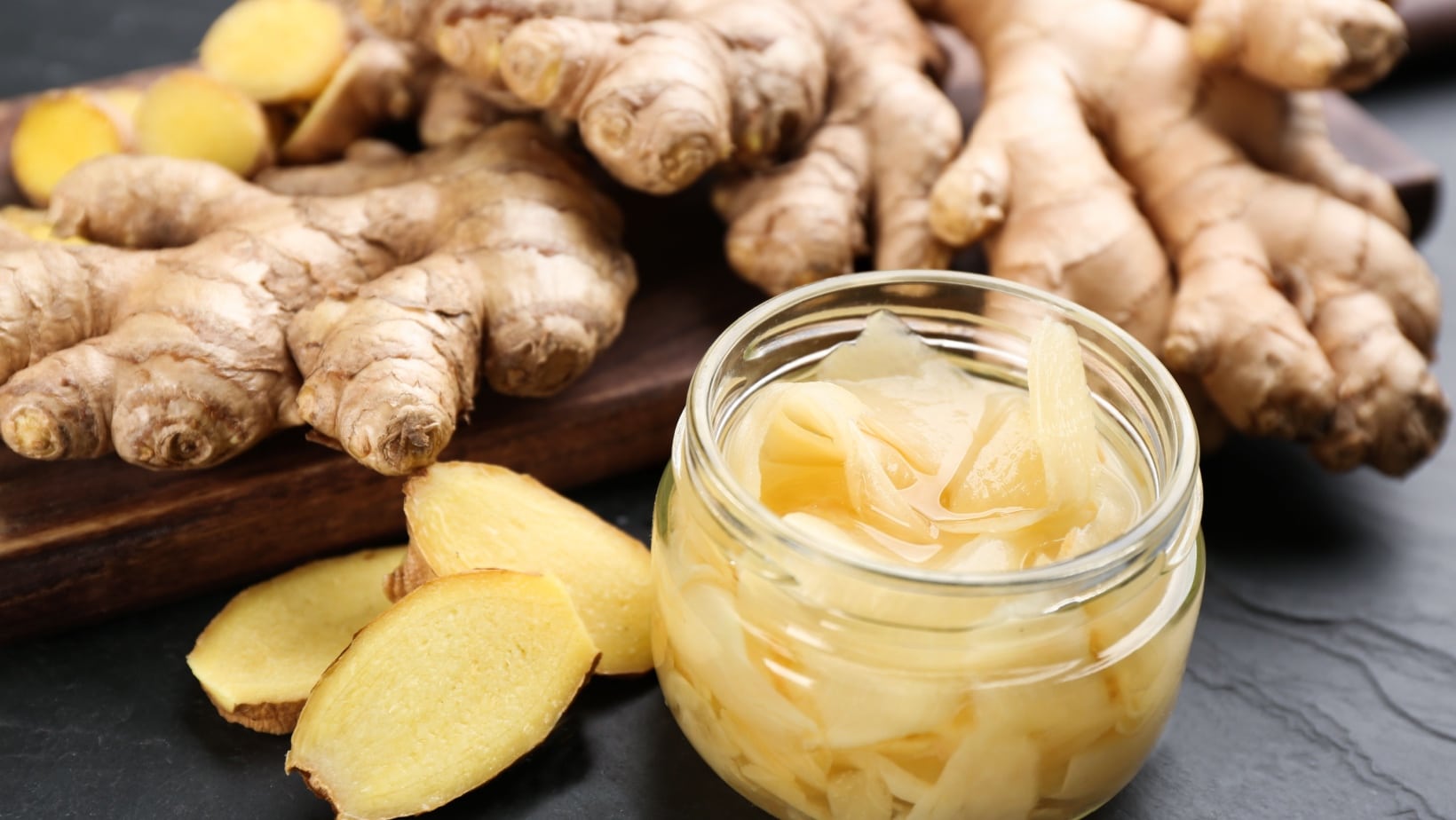
Ginger has been used for centuries as both a spice and a medicine, particularly for its anti-inflammatory properties. It contains compounds like gingerol, which have been shown to inhibit inflammatory pathways and reduce the production of pro-inflammatory cytokines.
Adding fresh ginger to tea, smoothies, or cooked dishes can help reduce inflammation and promote digestive health. For those who don’t enjoy the strong taste of ginger, ginger supplements can be an alternative, but fresh ginger offers the most potent benefits.
Green Tea

Green tea is well-known for its numerous health benefits, and its anti-inflammatory properties are among the most significant. It is rich in polyphenols, particularly epigallocatechin gallate (EGCG), which has been shown to reduce inflammation and inhibit the activity of inflammatory enzymes. Regular consumption of green tea has also been linked to a reduced risk of chronic diseases, such as heart disease and certain cancers.
Drinking green tea regularly can help lower CRP and other markers of inflammation. Additionally, it provides a mild caffeine boost without the jitteriness associated with coffee. Green tea is an easy and refreshing way to support overall health.
Key Takeaway

Many of the foods that help reduce inflammation are also packed with other essential nutrients that support long-term health. Incorporating foods like fatty fish, turmeric, berries, olive oil, leafy greens, ginger, and green tea into your daily routine can be more effective than relying solely on supplements.
These nutrient-dense foods offer natural anti-inflammatory benefits and can help reduce the risk of chronic diseases as we age. Eating a variety of these foods can help support your body’s ability to fight inflammation and maintain overall health.
Like our content? Be sure to follow us





