

Americans are generally familiar with the Bible and hold it in high regard, but confidence in its authority doesn’t always translate into a full understanding.
Only about 14% to 20% of U.S. adults believe the Bible is the literal word of God, meant to be taken exactly as written, a notable drop compared with past decades, according to Lifeway Research.
Meanwhile, nearly half of Americans (49%) see the Bible as inspired by God but not literally true in every detail. Many interpret it as a mix of history, moral lessons, and symbolic stories rather than a strict literal account, Gallup reports.
This difference, between cultural belief and personal understanding, helps explain why so many Bible mysteries persist beneath the surface of everyday faith.
When Did Camels Really Show Up?

Scholars debate the timing of domesticated camels in the ancient Near East. Archaeological evidence suggests camels weren’t common in Abraham’s world until centuries after his time, yet biblical texts mention them as if they were familiar.
This raises questions about history vs. tradition in early Genesis narratives, and where historical detail ends and symbolic storytelling begins.
Who Really Wrote Parts of the Bible?

Experts disagree about authorship of early biblical books like Genesis, Exodus, and Isaiah. The Documentary Hypothesis and modern linguistic analysis suggest multiple authors and redaction layers, not simple single authorship.
Which voices were behind these texts, and how did their perspectives shape Scripture?
Missing Years in Jesus’ Life

The Gospels speak of Jesus’s birth, baptism, and ministry, but almost nothing about his teen and young adult years. That long unrecorded stretch has intrigued scholars and seekers for centuries.
It’s a narrative gap that invites speculation, but the silence itself is part of the mystery.
Contradictions or Complementary Stories?

Apparent contradictions between accounts, like variations in Old Testament genealogies or differing details in Gospel resurrection narratives, have sparked debate.
Some see inconsistency, others see layered perspectives that enrich the overall message. Scholars often disagree on whether such differences are contradictions or complementary angles.
Books That Didn’t Make the Cut

Save this article
The canon (the official list of books in the Bible) wasn’t finalized for centuries. Early Christian communities read widely varied texts, some, like the Gospel of Thomas or Book of Enoch, didn’t become canonical.
Why were some writings excluded, and what do they tell us about early belief?
Was the Flood Literal or Symbolic?

A global flood is a central story in Genesis, but geological, anthropological, and textual scholars debate its scope, considering it literal, regional, or allegorical.
The lack of universal scientific evidence keeps the story in interpretive tension.
Prophecy and Fulfillment — How Literally?
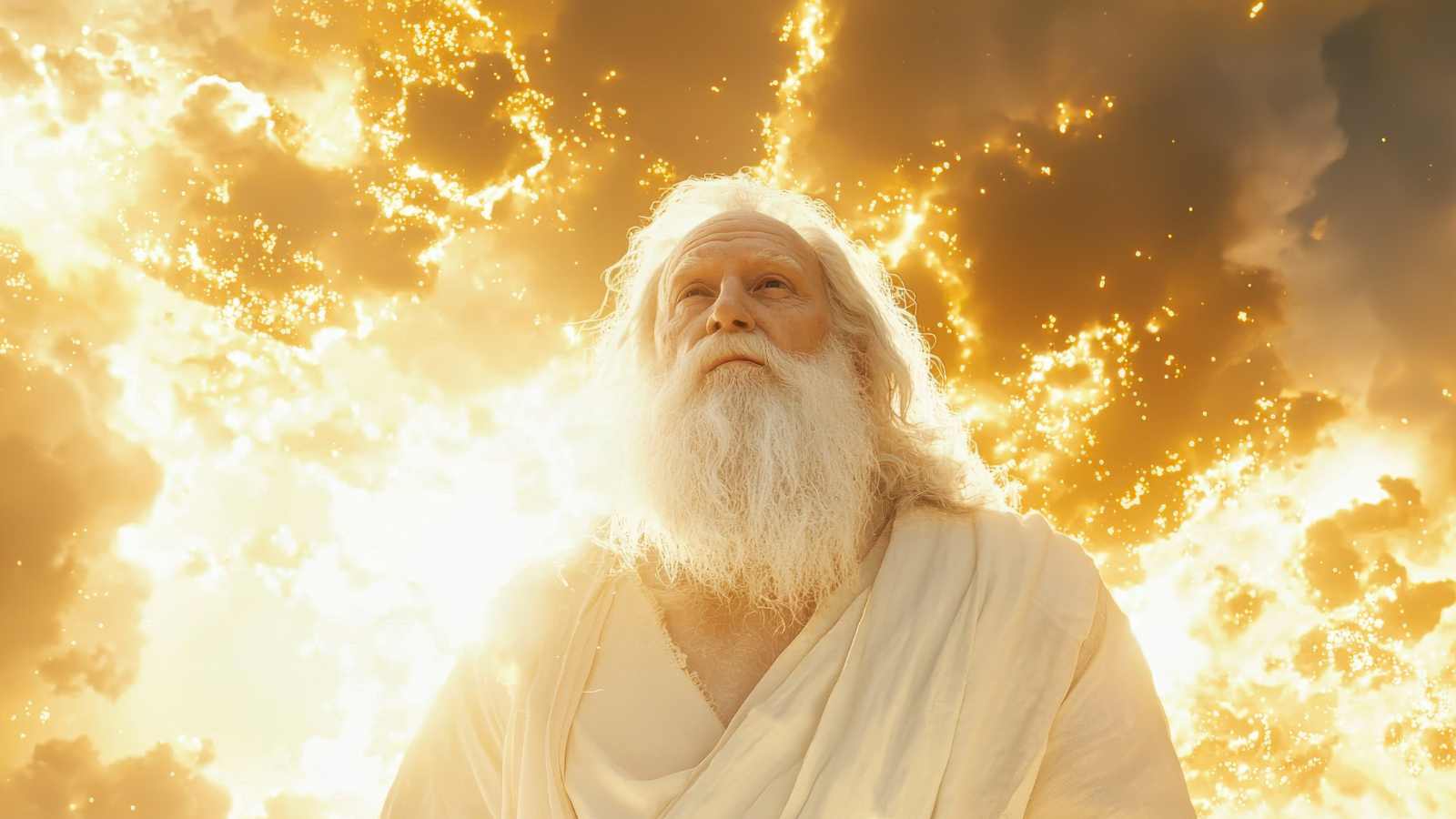
Books like Daniel and Revelation are full of symbolic imagery, timelines, and visions. Scholars differ on whether these prophecies are historical predictions, metaphors, or messages tailored to specific early communities.
The symbolic language doesn’t translate easily, even for long‑time readers.
The Dead Sea Scrolls — What’s Missing?

The Dead Sea Scrolls revealed ancient biblical manuscripts far older than the traditional text, and also non‑canonical writings. Which parts of those early traditions were lost, and why?
What other texts might once have been part of early religious dialogue?
Key Takeaways

- Familiarity isn’t deep knowledge. Millions believe in the Bible’s value, yet fewer than 15‑20% engage with it regularly, which keeps mysteries alive.
- Scholarly debate is normal. Questions about authorship, canon, prophecy, and narrative gaps reflect centuries of critical inquiry.
- Symbolism matters. The Bible isn’t a modern history or science text, interpreting its symbol‑laden language takes nuance.
- Mysteries spark faith and curiosity. Whether you read devotionally or academically, these mysteries invite deeper reflection, not just quick answers.
Disclosure: This article was developed with the assistance of AI and was subsequently reviewed, revised, and approved by our editorial team.
Disclaimer: This list is solely the author’s opinion based on research and publicly available information. It is not intended to be professional advice.
Like our content? Be sure to follow us





