

Traveling through Mexico can feel effortless, from booking boutique hotels to paying for street tacos on the go. Yet money mistakes can quietly turn a dream trip into an expensive lesson. Many travelers focus on flights and itineraries but overlook everyday financial decisions that shape their budget once they arrive. Exchange rates, payment methods, and local banking norms differ from those at home, and misunderstandings can drain funds faster than expected.
The stakes are higher than most people realize. According to data from the Consumer Financial Protection Bureau, international travelers can lose money on each transaction. Losses typically range from 3 to 10 percent when foreign transaction fees, poor exchange rates, and ATM charges are combined.
In Mexico, where cash and cards often coexist, those small missteps add up quickly. Knowing what to avoid helps travelers protect their money and enjoy the country with confidence instead of constant financial stress.
Paying in dollars instead of pesos
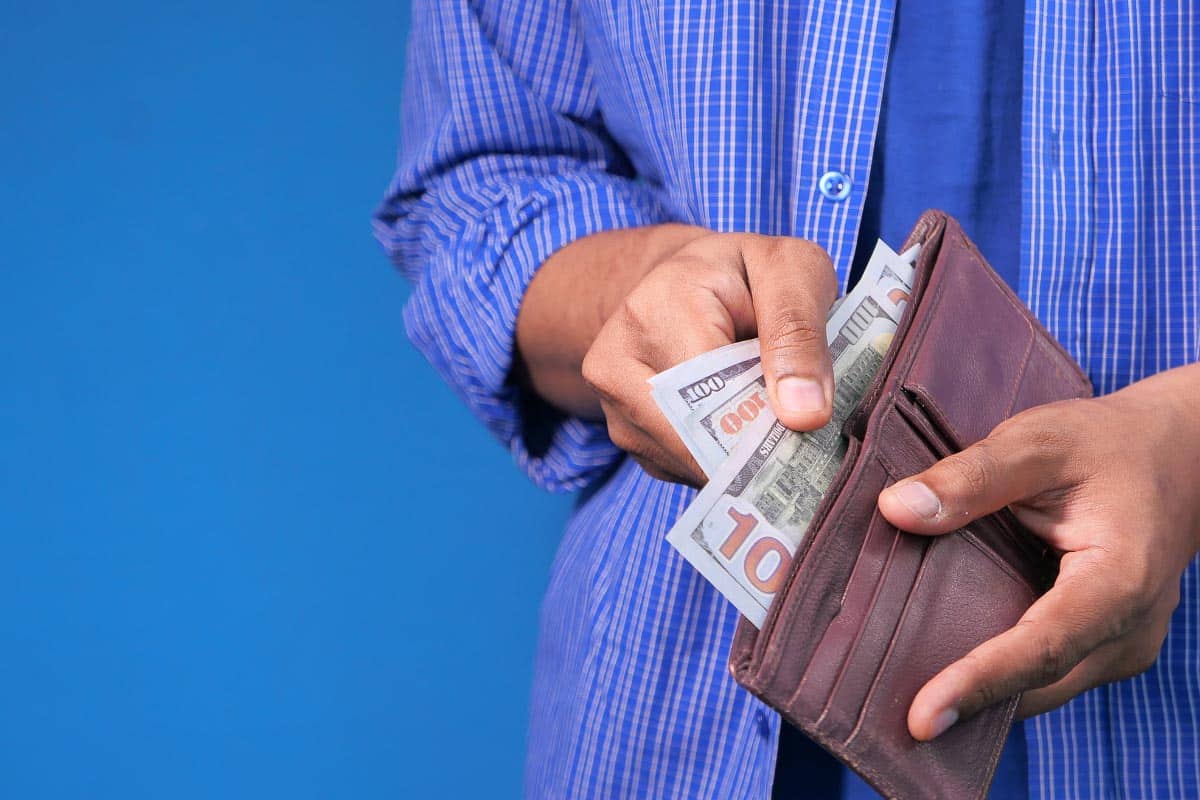
U.S. dollars feel comforting in a foreign place. They feel universal, clean, and immune to confusion. But travel finance guides published by Wise and Nomad Capitalist make clear that tipping or paying in dollars often costs local workers dearly. By the time a restaurant server or hotel cleaner converts small USD bills into pesos, they can lose up to 20 percent to exchange fees and bank handling.
There is also a travel cost. Reports from U.S. bank customers note that converting cash at home often comes with steep flat fees before the trip even begins. The consensus advice across travel money platforms is simple. Withdraw pesos from a reputable Mexican bank ATM, carry small bills, and let the local currency do its job.
Accepting dynamic currency conversion at the terminal

At the moment of payment, card machines across Mexico frequently offer a friendly-looking option. Pay in your home currency and see the charge instantly. This feature, known as dynamic currency conversion, is flagged by Visa and Mastercard consumer advisories as one of the most expensive mistakes travelers make.
Analyses by The Points Guy and MoneySavingExpert document losses of 9 percent or more per transaction when travelers accept DCC instead of paying in pesos. Most banks convert foreign purchases within one to three percent of the mid-market rate. DCC processors keep the difference. The rule is firm. Always choose to pay in pesos. Declining conversion does not cancel the purchase. It protects it.
Letting taxis run up your bill

In major hubs like Mexico City, unofficial taxis still operate alongside regulated options. Travel safety briefings from the U.S. State Department and consumer reports shared on platforms like TripAdvisor document repeated cases of drivers quoting one fare and charging another.
Some of the worst incidents involve portable card readers such as Clip devices. Travelers have reported local rides priced at around 500 pesos, only to later appear as much larger charges. In some cases, these charges reached thousands of pesos or even four-figure euro amounts and were routed through unrelated merchant accounts.
The standing advice from Mexico tourism authorities and seasoned visitors is consistent. Use official airport taxis or ride-hailing apps, agree on fares in pesos before entering the vehicle, and avoid paying for taxis by card unless the platform itself processes the charge.
Ignoring ATM fees and risky machines

Not all ATMs are created equal. Scam alerts published by travel insurers and consumer protection agencies repeatedly highlight skimming risks. These risks are most common in machines placed in convenience stores, on empty streets, or directly in tourist corridors. These machines often stack fees invisibly.
A single withdrawal can include a local bank charge, your home bank fee, and a dynamic conversion markup if you are not careful. Travel finance resources, such as NerdWallet, recommend using ATMs at major banks during business hours and withdrawing larger sums less often. Always decline conversion to your home currency on the screen and read the fee notice before confirming.
Over-tipping the all-inclusive way

Save this article
Tipping norms in Mexico are clear but frequently misunderstood. Travel etiquette guides published by Frommer’s and Lonely Planet offer tipping recommendations. They suggest 10 to 15 percent in restaurants and tours, and roughly 50 to 100 pesos per day for housekeeping, depending on service.
Resort travelers often rely on U.S. dollars. Hospitality industry commentary notes that staff can lose time and money converting small foreign bills and may face extra reporting hurdles under anti-money laundering rules.
Dollar denominations also distort generosity. A five-dollar bill can unintentionally become an outsized tip relative to local wages. Experts urge visitors to tip in pesos for fairness, clarity, and better budgeting.
Falling for tourist prices

Overcharging is not a secret. Travel safety briefings and consumer advocacy sites list it as routine in tourist-heavy zones. Souvenirs marked as handmade are often mass-produced. Tours quoted at inflated rates depend on visitors not knowing local benchmarks.
Restaurants near major attractions sometimes add unexplained charges or swap checks at the time of payment. Veteran Mexico travelers advise a few habits that reduce exposure. Ask for menus with prices. Confirm whether the service is included. Compare costs a few blocks away from the main squares. Be willing to walk. Prices often follow you back down.
Not checking the bill before paying

Scam roundups and travel videos consistently describe restaurants and bars adding unauthorized items, duplicating dishes, or inserting service or music fees without disclosure. In busy districts, servers may present a second, higher bill or rely on handwritten totals that do not match menu prices.
Card payments add another layer of risk. Rushed travelers sometimes miss that a tip has already been entered on the terminal. Travel finance advisors recommend asking for a detailed bill, reviewing it line by line, clarifying service charges, and writing your own tip amount in pesos before handing over your card.
Treating Mexico as cash only or cash never

Some visitors carry only cash out of fear of fraud, then rely on expensive airport exchanges or hotel desks. Others depend entirely on cards, only to encounter foreign transaction fees, dynamic conversion losses, or the reality that small businesses and local transport often accept cash only.
Travel finance sources consistently recommend a hybrid approach. Use a card with no foreign transaction fee and always pay in pesos. Withdraw cash from reputable bank ATMs as needed. Avoid hotel front desks and currency kiosks unless absolutely necessary. Mexico rewards balance, not extremes.
Key Takeaways

Travelers in Mexico often waste money not because the country is expensive, but because they do not understand how payments, fees, and tourist pricing really work.
Those who learn the logic of pesos, ATMs, cards, and tipping norms often discover that Mexico is not a financial trap at all. It is simply a place where attention pays.
Disclaimer – This list is solely the author’s opinion based on research and publicly available information. It is not intended to be professional advice.
Like our content? Be sure to follow us





