Winter in 2026 is seeing a quiet resurgence of “survival cooking” as American families grapple with a grocery landscape where food price inflation has consistently outpaced general inflation for over five years.
Recent data from UNICEF and FAO indicate that nearly 2.3 billion people globally experienced moderate to severe food insecurity in 2024, a trend that continues to pressure domestic budgets in 2026.
This economic climate has prompted a fascinating look back at the “Old World” kitchen, specifically the Depression-era and the “Hunger Winters” of World War II, when scarcity birthed legendary resilience.
Research from the National Park Service on wartime nutrition reveals that during these periods, the “Basic 7” food groups were established to prevent widespread thiamine and niacin deficiencies. “
Hard times have always been the greatest catalyst for culinary ingenuity; when the pantry is empty, the imagination becomes the primary ingredient,” notes food historian Dr. Aris Latham.
These 8 forgotten winter dishes sustained our ancestors through the darkest frosts and are now returning to the modern table.
Cornmeal Mush

Cornmeal mush served as the literal backbone of American survival during the Great Depression and earlier frontier winters. Statistics from historical agricultural records suggest that a single acre of field corn could produce enough cornmeal to sustain a large family for an entire year.
This dish is the ultimate “utility player”: eaten hot as a porridge for breakfast, allowed to set in a pan, and then sliced and fried in lard for a crispy dinner. Current trends indicate a 12% increase in bulk cornmeal sales as families rediscover this low-cost, high-energy staple.
It provided the necessary calories to keep laborers warm during 10-degree winters when meat was an impossible luxury. Its simplicity belies its importance; for many, it was the only barrier between a full stomach and a night of shivering from hunger.
Bean Soup with Ham Hock

When grocery runs were rare, and the ground was frozen solid, the ham hock, an inexpensive, bony cut, delivered a massive flavor profile for pennies.
A meta-analysis of historical “poor-house” diets shows that dry beans, particularly Navy and Pinto varieties, were used to replace expensive meat proteins for over 70% of low-income families in the 1930s.
The ham hock was simmered for hours, releasing collagen and smoky depth that turned hard, dry beans into a silky, rib-sticking stew. This dish represents “winter wisdom” at its peak, when second-day leftovers were often considered better, as the beans continued to swell and the flavors matured.
It offered a vital source of protein and fiber during months when fresh vegetables had long since “tapped out” of the root cellar.
Creamed Chipped Beef on Toast

Affectionately (or infamously) known in military circles as “Sh*t on a Shingle,” this dish became a household staple during WWII when fresh meat was rationed and scarce.
Research from the USDA shows that during the 1940s, over 75% of American white bread was enriched with vitamins to address a “nervous and tired” population suffering from B-vitamin deficiencies.
Chipped beef was a salty, dried, and shelf-stable product that, when combined with a simple white roux and milk, created a warm, filling meal. It utilized the “Basic 7” group of milk and enriched grains to provide a sense of fullness and warmth.
While it fell out of fashion in the era of abundance, its return in 2026 is driven by the need for shelf-stable protein options that don’t require a trip to the expensive butcher counter.
Water Pancakes

Water pancakes are perhaps the starkest reminder of how deep the “hard times” could go, requiring neither eggs nor milk to create a hot meal.
During the height of the Great Depression, these “mock” foods became a survival necessity, with mothers using flour, a pinch of salt, and water to create a rudimentary bread on a hot griddle.
Historical records from the American Institute of CPAs (retrospectively analyzing poverty diets) show that these meals cost less than a cent per serving in the 1930s.
Save this article
While they lacked the fluffiness of modern versions, they provided the essential carbohydrates needed to begin a day of grueling manual labor. This dish is a testament to the determination of families who refused to let the lack of “proper” ingredients stop them from putting a warm breakfast on the table.
Cabbage and Sausage Stew

Cabbage was the undisputed “storage champion” of the old-world pantry, capable of lasting 6 to 8 months in a cool root cellar without any special treatment.
Data from the State of Food Security 2025 report suggests that the “brassica bite” of cabbage turns into a gentle sweetness when cooked low and slow, providing as much vitamin C as orange juice at a fraction of the price.
In hard times, a single link of smoked sausage was often used to flavor an entire pot of cabbage for a family of six, utilizing the fat to provide flavor and satiety to the otherwise lean vegetable.
This “one-pot” approach, similar to the German Eintopf, was promoted as a “meal of sacrifice” that maximized nutrition while minimizing fuel usage. It remains a masterclass in stretching a small amount of animal fat into a feast that can feed a crowd.
Bread and Milk

For many children during the Great Depression, a bowl of warm milk with torn pieces of stale bread and a sprinkle of sugar was the standard dinner when the pantry was truly bare.
Historical nutritionists noted that this meal, while monotonous, was “protective” because it provided basic calories from enriched flour and calcium from milk. It was a dish of last resort, often eaten in the quiet of a cold kitchen by the light of a single kerosene lamp.
It required no real cooking skills and used up the very last scraps of food before a new shipment or harvest arrived. This meal represents the extreme end of the “frugality curve,” where the goal was simply to provide enough sugar and starch to ensure a child could sleep through the night without the pain of hunger.
Mangelwurzel and Root Vegetable Mashes
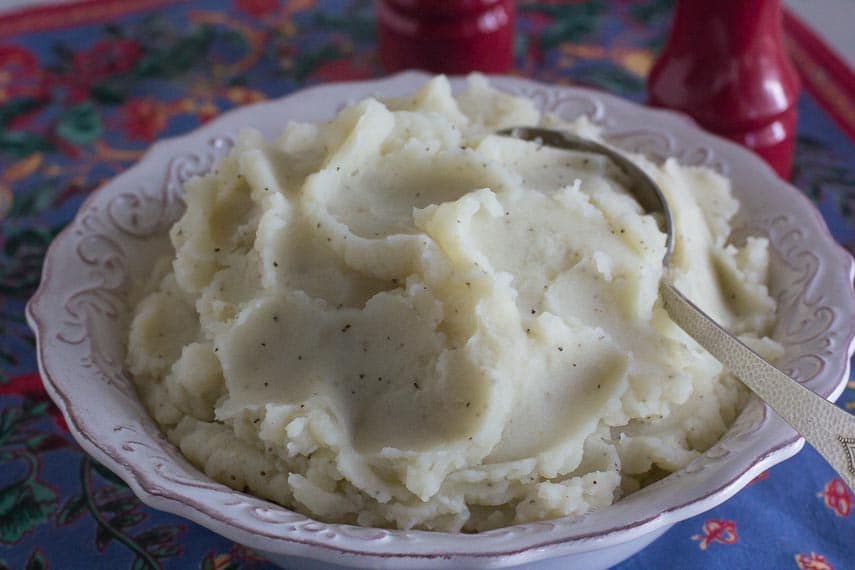
The Mangelwurzel, a massive “scarcity root” once grown primarily for livestock, frequently found its way onto human plates during periods of extreme famine.
These roots could grow to twenty pounds each and were high in natural sugars, making them surprisingly tasty when roasted or boiled into a mash. During World War I naval blockades, when nearly a third of Britain’s food was cut off, these “fodder crops” became life-saving staples.
They represent the “starvation foods” that people turn to when conventional crops fail or are unaffordable. In 2026, we see a niche trend of “heritage gardening” in which these hardy, forgotten roots are being replanted as “climate-proof” insurance against the volatility of more delicate vegetables like lettuce or hothouse tomatoes.
Split Pea Soup

Split peas break down into a naturally creamy base without the need for expensive dairy or thickeners, making them a “priceless” resource during the Great Depression.
A single bag of peas could be stretched to feed a family of eight for two days, especially when supplemented with a few carrots or a single onion. Data from Mintel in 2026 shows that dry legumes remain the “king of protein value,” with prices far more stable than the 9.4% surge seen in beef products.
This soup thickens overnight, so by the second day, it becomes a “rib-sticking” meal that only needs a splash of water to bring it back to life. It is the ultimate example of “cooking low and slow” to extract every possible nutrient from a humble, dried ingredient that could be stored in a jar for years.
Key Takeaways

- Prioritize “Storage Champions”: Cabbage, onions, and potatoes offer the best nutritional value for the price in 2026’s volatile market.
- The Power of the Mash: Transforming leftovers into fried cakes or mashes provides the “texture variety” needed to survive a monotonous winter diet.
- Liquid Nutrition: Soups and stews allow the use of “flavor anchors” such as ham hocks or bones to stretch a small amount of meat over multiple days.
- Embrace the “Fodder” Roots: Hardy crops like parsnips and turnips become sweeter after a frost, providing a natural sugar boost when prices spike.
Disclaimer: This list is solely the author’s opinion based on research and publicly available information. It is not intended to be professional advice.
Like our content? Be sure to follow us