

Data from the journal Circulation shows that people who reach age 50 with multiple healthy habits, such as not smoking, staying active, eating a healthy diet, and maintaining a healthy weight, can live 12 to 20 years longer than those who do not.
As we age, maintaining good health becomes a priority for many of us. While some health issues are inevitable, the habits we form in our 50s can have a profound impact on our well-being later in life. The choices we make at midlife, whether they concern diet, exercise, or mental health, play a significant role in how we age and how long we stay healthy and active.
Starting positive habits at age 50 can help reduce the risk of chronic diseases, improve longevity, and make our later years more fulfilling. Here are eight habits linked to better health at age 80, and why adopting them now can pay off later.
Staying Physically Active

Data from the CDC shows that regular physical activity in midlife, such as brisk walking, swimming, or strength training, lowers the risk of heart disease, stroke, type 2 diabetes, and mobility-limiting disabilities later in life, while also helping older adults maintain strong bones and independent living.
Incorporating both aerobic exercise (like brisk walking or cycling) and strength training into your routine can boost overall health and increase your chances of staying independent as you age. Even small amounts of physical activity can make a big difference in your long-term health and quality of life.
Eating a Balanced, Nutritious Diet

The importance of a balanced diet cannot be overstated. As we age, our metabolism slows, and we may need fewer calories, yet our nutritional needs remain high. A diet rich in fruits, vegetables, whole grains, lean proteins, and healthy fats helps reduce the risk of chronic diseases, manage weight, and support cognitive function.
Adopting healthy eating habits in your 50s, such as reducing processed foods, cutting down on sugar, and prioritizing whole foods, can significantly improve health outcomes by the time you reach your 80s. Foods like leafy greens, berries, and fish high in omega-3 fatty acids are particularly beneficial for heart and brain health.
Prioritizing Mental Health

Taking care of your mental health in your 50s can have lasting benefits on your cognitive function and emotional well-being as you age. Chronic stress, anxiety, and depression can accelerate the aging process and increase the risk of diseases like Alzheimer’s. Adopting stress management techniques like mindfulness, meditation, or yoga can help keep your mind sharp and your mood balanced.
Staying socially connected and engaging in mentally stimulating activities, such as reading, puzzles, or learning new skills, also contributes to long-term cognitive health. Taking steps to maintain your mental well-being is just as important as physical health in ensuring you age well and gracefully.
Maintaining a Healthy Weight
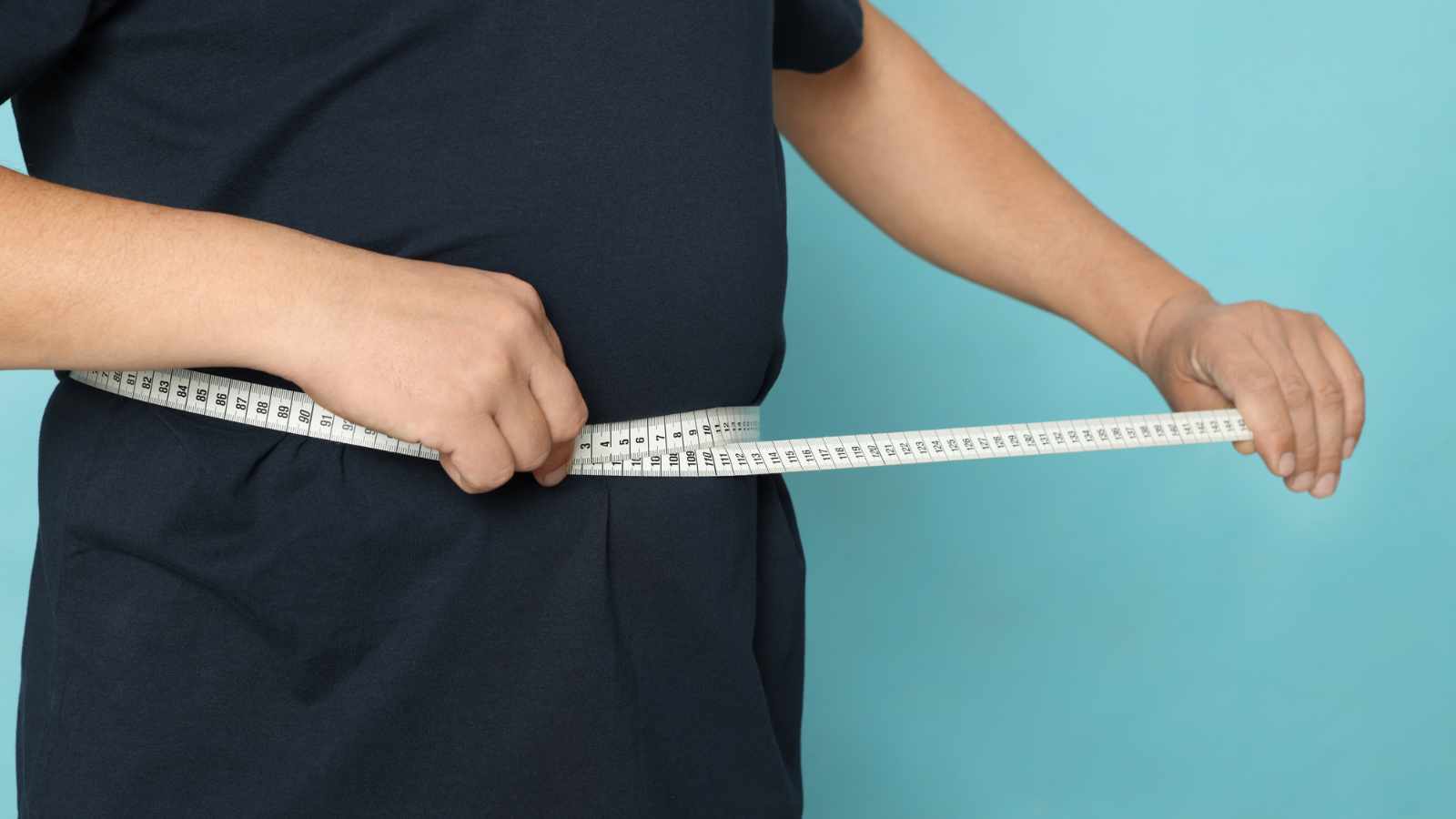
As metabolism slows with age, it becomes easier to gain weight, especially around the midsection. However, maintaining a healthy weight is crucial for preventing a host of health issues, including heart disease, type 2 diabetes, and joint problems. Keeping your weight in check reduces strain on your body and lowers the risk of chronic diseases that can affect your quality of life in your later years.
This can be achieved by staying active, eating a balanced diet, and practicing portion control. Even modest weight loss can significantly improve overall health and reduce the risk of age-related conditions.
Also on MSN: 8 Bodyweight Exercises That Help Prevent Muscle Loss After 50
Save this article
Getting Enough Sleep

Sleep is essential for both physical and mental health. At age 50, many people experience changes in sleep patterns, but getting enough quality sleep is crucial for reducing the risk of heart disease, diabetes, and cognitive decline. Sleep helps with tissue repair, memory consolidation, and emotional regulation, all of which are important for aging well.
Creating a relaxing nighttime routine, minimizing caffeine intake, and maintaining a consistent sleep schedule can improve sleep quality. Prioritizing rest now will help you feel more energized and focused as you grow older, while also supporting long-term health.
Not Smoking

Smoking has a direct and negative impact on health, increasing the risk of lung cancer, heart disease, and stroke. People who quit smoking at age 50 or earlier tend to have better health outcomes later in life than those who continue the habit. Smoking accelerates the aging process, and the longer someone smokes, the higher the chances of developing serious health conditions.
Quitting smoking, or never starting in the first place, can dramatically improve your health as you age. It’s never too late to quit, and even those who have smoked for years can experience immediate benefits to lung function and heart health after quitting.
Regular Health Screenings and Checkups

Regular health screenings are essential for catching potential issues early, when they are more manageable and treatable. In your 50s, it’s crucial to stay on top of preventive care, such as blood pressure checks, cholesterol testing, cancer screenings, and diabetes monitoring. Early detection of conditions like high blood pressure or high cholesterol can prevent more severe complications down the road.
Scheduling annual checkups with your doctor and following through with recommended screenings helps you stay proactive about your health. Taking these steps can help you live longer and with fewer health-related issues, ultimately improving your quality of life as you age.
Staying Socially Connected

Social connections are key to maintaining good mental health as we age. People who have strong social networks tend to live longer, healthier lives and experience lower levels of depression and loneliness. Staying connected with friends and family, or joining clubs or social groups, can keep your mind engaged and your spirits lifted.
Whether it’s through regular social gatherings, volunteering, or staying in touch via phone or social media, nurturing your relationships is essential for emotional well-being. Healthy social connections provide a sense of purpose and belonging, both of which contribute to better overall health and longevity.
Key Takeaways

The habits you form in your 50s can significantly impact your health and quality of life as you age. Regular exercise, a balanced diet, stress management, and maintaining strong social and mental well-being are all key factors in living a longer, healthier life. By adopting these habits now, you can set yourself up for better health, fewer chronic conditions, and a more fulfilling life well into your 80s and beyond.
Disclaimer – This list is solely the author’s opinion based on research and publicly available information. It is not intended to be professional advice.
Like our content? Be sure to follow us.





