

We often choose where to live based on jobs, family, weather, or the cost of housing. But one factor rarely gets the attention it deserves: mental health.
Where you live can influence how easy it is to find a therapist, how much financial stress you experience, how connected you feel to your community, and even how often you’re exposed to natural light or extreme weather. While no state determines someone’s mental well-being, research suggests that geography can shape many of the conditions that influence it.
Before you pack up for a fresh start, it’s worth looking beyond home prices and taxes. Here are the states that consistently rank among the most challenging for mental health—and the factors that help explain why.
Alabama
Alabama consistently ranks among the worst states for mental health care access and affordability. A significant percentage of individuals with mental illness here don’t receive the care they need due to cost. According to an Employee Benefit News report from May 2024, Alabama ranks as the third-worst state for mental health care, with 17.9% of adults with a mental illness being uninsured.
Texas
The Lone Star State, for all its economic allure, struggles with mental health care accessibility. Texas has one of the lowest numbers of mental health facilities per capita. Data from Mental Health America shows that Texas has fewer than one mental health facility for every 100,000 residents, making it incredibly difficult for many to find care.
Louisiana
Louisiana faces a high prevalence of depression and anxiety symptoms among its adult population. Reports indicate that many residents experience symptoms of anxiety and depression more frequently than the national average. The state also struggles with access to mental health treatment, making it a challenging environment for those seeking support.
Georgia
Georgia has a high percentage of adults grappling with mental health issues who face barriers to seeing a doctor due to cost. In fact, 34.4% of adults in Georgia struggling with mental health cannot access care because of the expense, as highlighted in a May 2024 Employee Benefit News report. This financial hurdle can be a significant source of distress.
Oklahoma
Oklahoma is another state that ranks low in terms of mental health care, particularly regarding the prevalence of mental health needs and access to services. Many residents report experiencing high levels of anxiety and depression symptoms, and the state’s infrastructure for mental health support is often considered insufficient.
New Mexico
While offering stunning landscapes, New Mexico ranks poorly for mental health care access. It has one of the lowest numbers of mental health treatment facilities per capita and a high percentage of its population reporting symptoms of anxiety and depression. This can leave residents feeling isolated and unsupported.
Florida
The Sunshine State, despite its appealing weather, faces significant challenges in mental health care. Individuals with mental illness in Florida often lack access to treatment due to high costs and a shortage of mental health treatment centers. Furthermore, Florida has among the lowest per capita spending on mental health services in the U.S.
Wyoming
Wyoming, with its vast open spaces, can sometimes present challenges in terms of social isolation and access to mental health providers, particularly in rural areas. While the prevalence of mental illness might be lower than in some other states, limited resources can make it difficult for those who need help to find it.
Mississippi
Mississippi battles with a high percentage of youth whose health insurance doesn’t cover mental health treatment, and it ranks among the lowest in the number of mental health providers. This lack of accessible and affordable care creates a difficult environment for mental well-being across all age groups.
South Carolina
South Carolina has one of the fewest mental health treatment facilities per capita in the country, which directly impacts access to care. This scarcity of resources, coupled with other socioeconomic factors, can contribute to higher stress levels and poorer mental health outcomes for residents.
Arizona
Arizona is another western state that appears among those with poorer mental health care access. A significant number of individuals with mental illness in the state struggle to receive necessary treatment, often due to financial barriers and a shortage of available providers.
Save this article
Indiana
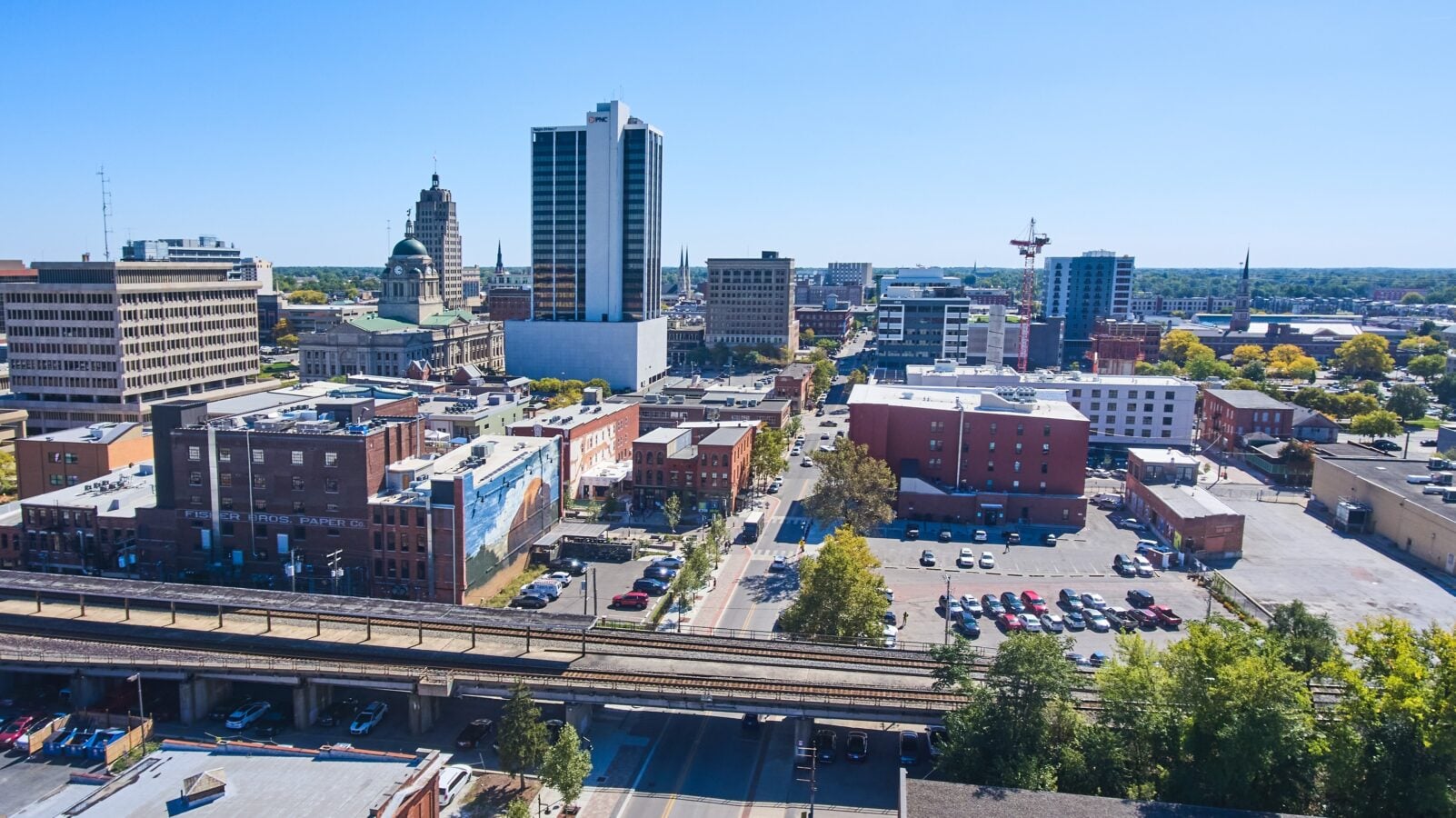
Indiana is noted for having a high percentage of adults with mental illness who do not receive treatment. This could be due to a combination of factors, including affordability and the availability of mental health professionals, making it a difficult place to be for those managing mental health conditions.
Kentucky
Kentucky consistently ranks among states with a high prevalence of depression. The CDC’s 2020 data showed that Kentucky had the second-highest age-standardized prevalence of lifetime depression diagnosis at 25.0%, trailing only West Virginia. This high rate suggests a significant underlying mental health burden in the state.
West Virginia
Often cited as having some of the highest rates of depression and mental health challenges, West Virginia’s mountainous terrain and socioeconomic factors contribute to significant mental health disparities.
In 2020, West Virginia reported the highest age-standardized prevalence of adults diagnosed with depression, at 27.5%, according to the CDC. This consistent high ranking paints a clear picture of the mental health landscape in that area.
More articles for you:
- 12 everyday work habits that are quietly destroying your mental health
- How the economy is destroying mental health
- Gut Feelings: How Your Microbiome Could Shape Mental Health
15 modern habits that are hurting our health

From sleep loss to screen addiction, today’s most common habits are fueling a global health crisis hiding in plain sight.
Your phone rings 80 times a day on average, you sit for 9.3 hours a day, and you unknowingly consume 17 teaspoons of added sugar. According to the World Health Organization, lifestyle illnesses account for 71% of all deaths globally, with our everyday habits being the main players in this frightening figure. Learn more.
14 anti-aging habits experts swear by for lasting health

Aging is an inevitable part of life, but how you age is largely within your control. Modern science has shifted the focus from “longevity” to “healthspan,” which is the period of life spent in good health, a study published in Regenerative Medicine notes. By adopting specific, evidence-based habits, you can slow the biological clock and maintain your vitality for decades.
Experts emphasize that it is never too late to start. Small shifts in your daily routine can lead to significant improvements in your cellular health. Here are 14 anti-aging habits supported by the latest clinical research. Learn more.
How the economy is destroying mental health

When we talk about the economy, most of us think about jobs, inflation, or stock markets. But there’s a deeper, human cost unfolding quietly in the background. Everyday financial pressures, unemployment, rising living costs, debt, job insecurity, and economic uncertainty are increasingly linked with worsening mental health outcomes across the world.
It’s not just individual stress; its effects ripple through families, communities, and even broader society in measurable, serious ways. Learn more.





