

It is easy to assume that iconic animals such as tigers, elephants, and leopards will always be part of the natural world. Yet for some species, survival now depends on populations so small that a single disease outbreak, environmental disaster, or loss of habitat could have devastating consequences.
Around the globe, conservationists are racing to protect animals whose numbers have fallen to critically low levels. Some now exist only in isolated pockets of habitat. Others can be counted in the dozens—or even single digits. While habitat loss, poaching, climate change, pollution, and human development continue to threaten wildlife, conservation efforts have helped prevent several species from disappearing entirely.
These animals are more than symbols of biodiversity. They play important roles in maintaining healthy ecosystems, from controlling prey populations to supporting forests, reefs, and grasslands. Their fate affects far more than the species themselves.
Here are 13 of the world’s most endangered animals and the challenges they face in their fight for survival.
Amur Leopard
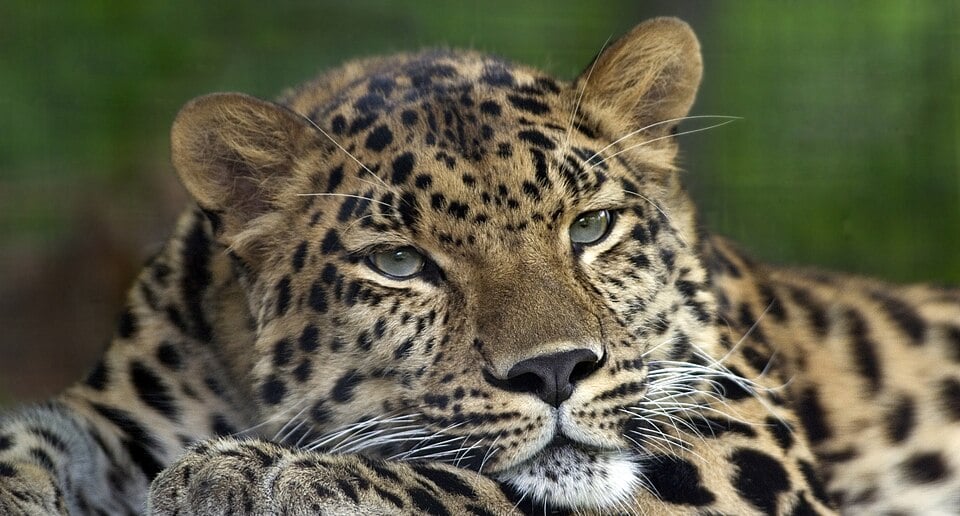
Creative Commons Attribution-Share Alike 3.0 Unported license.
The Amur leopard lives in the Russian Far East and parts of northeast China. With fewer than 100 individuals left in the wild, it’s considered the rarest big cat on Earth. Poaching and habitat loss are the main threats. These leopards are solitary, elusive, and need large areas to roam, which makes them even harder to protect.
Vaquita

This small porpoise is only found in the northern Gulf of California. Scientists estimate fewer than 10 vaquitas remain, according to the World Wildlife Fund. They’re often caught and killed in illegal fishing nets targeting another fish, the totoaba, prized in black markets for its bladder.
Javan Rhino
Once widespread across Southeast Asia, the Javan rhino is now restricted to one national park in Indonesia. Only around 80 remain. Conservationists have warned that any natural disaster or disease outbreak in that park could wipe them out completely. Human encroachment has left them with no place else to go.
Mountain Gorilla
Mountain gorillas live in the forests of Uganda, Rwanda, and the Democratic Republic of Congo. Their numbers have slowly increased due to conservation efforts, but they’re still endangered. According to the WWF, only about 1,063 remain. Tourists bring money to local economies, but they also bring risks, such as the transmission of human diseases to the gorillas.
Yangtze Giant Softshell Turtle
This turtle is the stuff of conservation nightmares. Only two known individuals exist worldwide. One lives in captivity, and the other is in the wild in Vietnam. Breeding efforts have repeatedly failed. It’s heartbreaking because these turtles can live for over 100 years, but it may be too late to save them.
Saola

Often called the “Asian unicorn,” the saola was discovered in 1992 in Laos and Vietnam. It’s so rarely seen that biologists still don’t know much about it. There hasn’t been a confirmed sighting in years. Habitat destruction and snare traps meant for other animals threaten their survival.
Northern Bald Ibis
Once common in Europe and the Middle East, this bird vanished from most of its range centuries ago. A reintroduction program in Europe has helped slightly, but the global wild population remains below 1,000. These birds are sensitive to environmental changes and human disturbances.
Axolotl
This unusual salamander from Mexico is famous for its ability to regrow limbs. But pollution and invasive species have pushed it to the brink. It is reported that the axolotl population in its native canals has dropped from 6,000 per square kilometer in 1998 to just 100 per square kilometer in 2008.
Cross River Gorilla
These gorillas live in the dense forests along the Nigeria-Cameroon border. There are fewer than 300 in the wild. Logging, farming, and poaching have made their survival incredibly difficult. Locals have started community-based conservation programs, but progress is slow.
Save this article
Pangolin
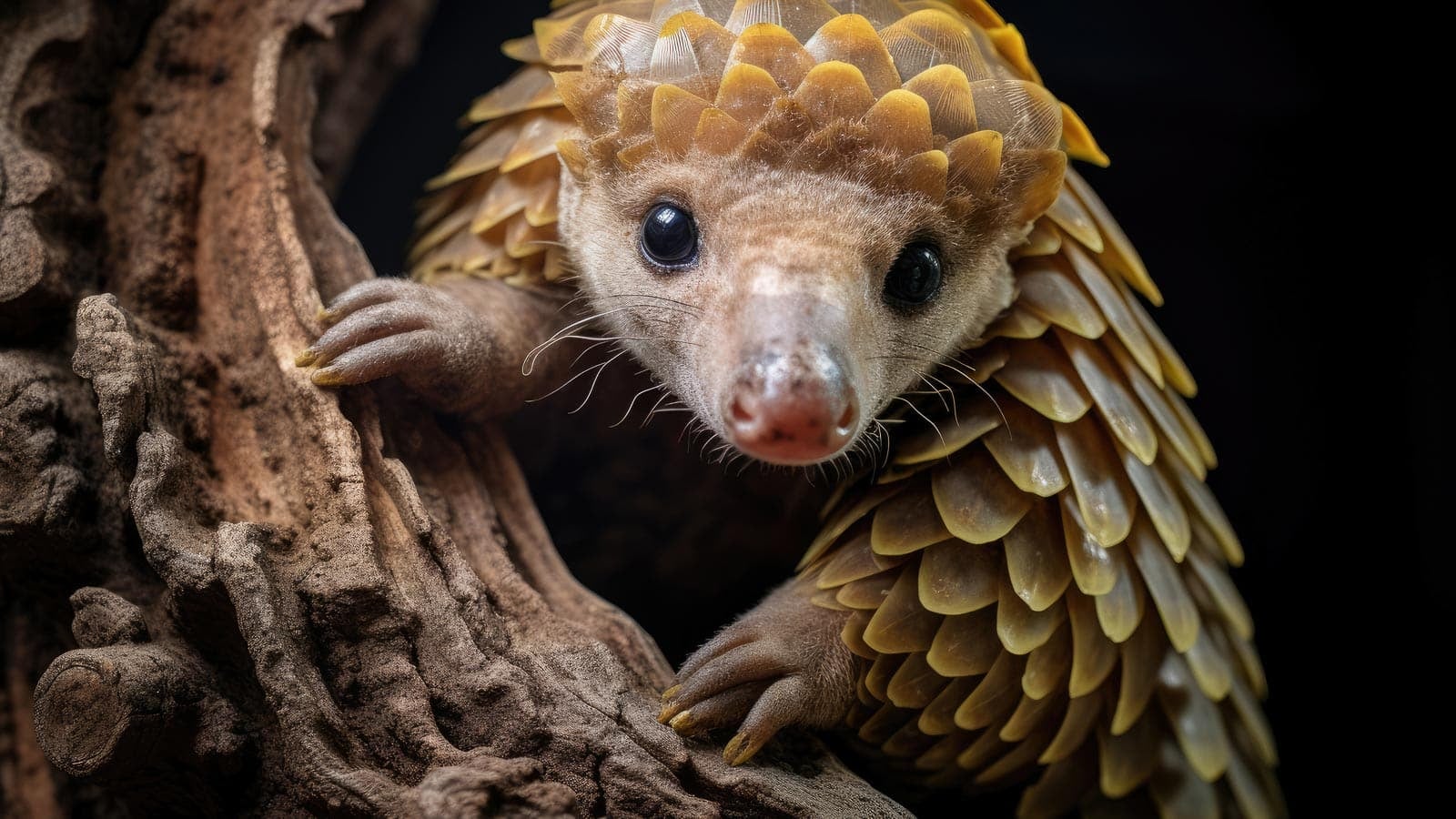
Pangolins are the most trafficked mammals in the world. In fact, an estimated one million pangolins were illegally traded in the past decade. Their scales are used in traditional medicine, and their meat is considered a delicacy in some countries.
Red Wolf
Once roaming across the southeastern U.S., the red wolf now lives mostly in North Carolina. The wild population dropped to as few as 20 in 2020, according to the U.S. Fish and Wildlife Service. Conservationists face challenges like habitat destruction, car strikes, and crossbreeding with coyotes.
Giant Chinese Salamander
This species is one of the world’s largest amphibians, growing up to 6 feet long. But it’s critically endangered due to habitat loss and demand in Chinese cuisine and medicine. Captive breeding programs are underway, but experts warn that many released individuals are hybrids, not pure species.
African Forest Elephant
These elephants are smaller and more secretive than their savanna cousins. But they’re disappearing fast. Between 2002 and 2011, their population dropped by 62%, according to various reports. Illegal ivory trade and habitat fragmentation are the main reasons behind this steep decline.
More articles:
- Why Migratory Birds Are in Trouble and How You Can Help
- 9 animals that can stand their ground against lions
- 9 wild U.S. Animals you can’t touch, no matter what
The 10 Most Expensive Wildlife Mistakes People Make in the U.S.

Wildlife can be awe-inspiring. It can also be incredibly costly if you don’t know what you’re doing. People make pricey mistakes with wild animals every day, whether it’s feeding a bear from your car window or trying to raise a raccoon like it’s a kitten.
Some of these missteps drain your bank account. Others get you slapped with serious fines or hospital bills. A few even put entire species or local ecosystems at risk. If you’re not careful, that photo op or animal rescue attempt might cost you a whole lot more than expected. Learn more.
12 dog breeds that are adorable, chaotic, and exhausting to own

That adorable puppy on your feed may also come with nonstop energy, shredded furniture, and a sleep schedule that no longer belongs to you.
Some dog breeds are undeniably charming, but charm and manageability are not always the same thing. High-energy and highly intelligent breeds often require far more time, structure, training, and stimulation than new owners expect. Learn more.
Why Jackals Are Key To Understanding Ecosystem Shifts
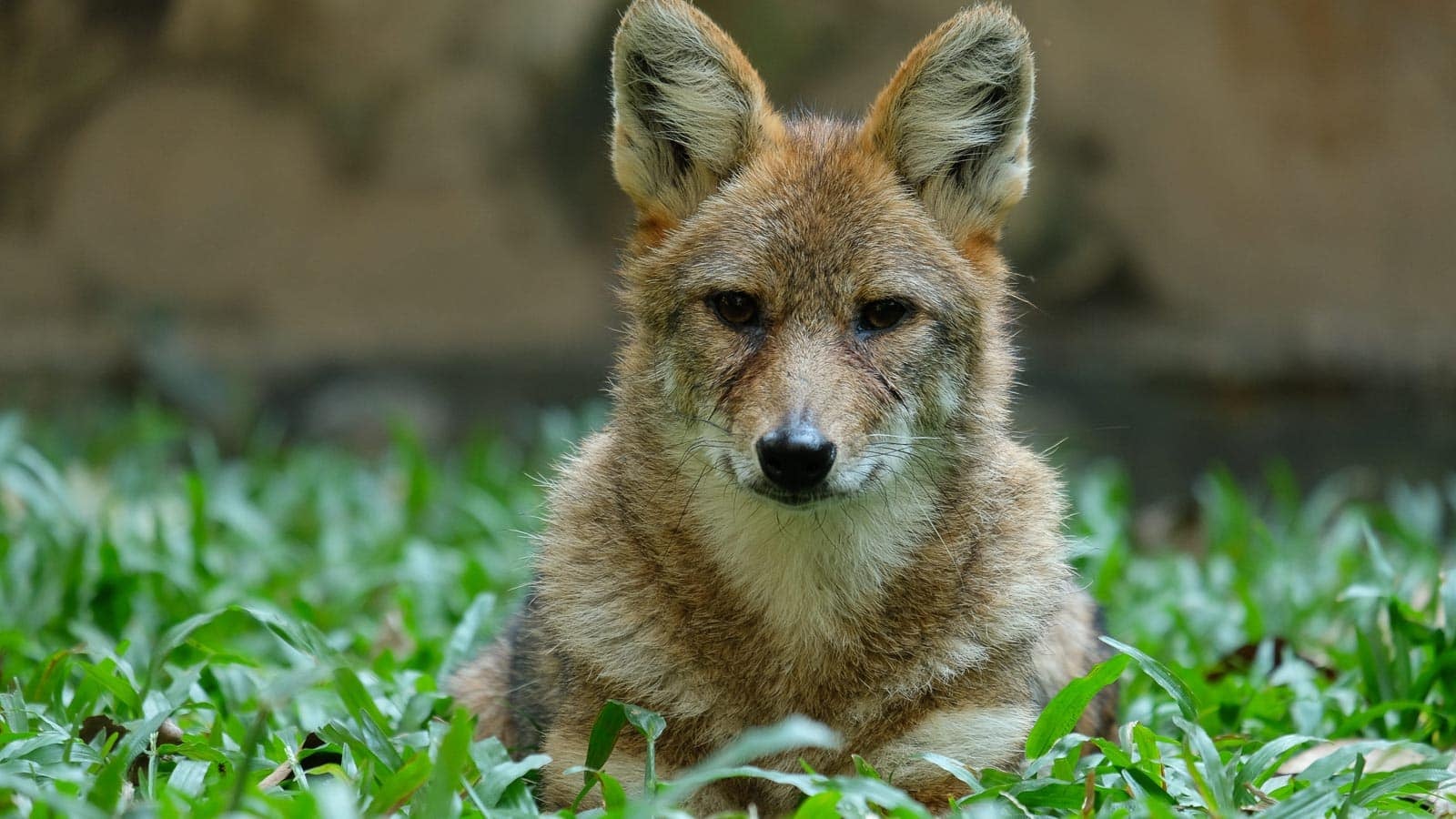
In a time when wildlife conversations focus on rarity, jackals stand out as a case study in resilience, adaptability, and shifting ecosystems.
Every April 19, World Jackal Day invites people to take a fresh look at an animal that has spent centuries in the shadow of bigger, better-known predators. Jackals may not be the most famous members of the dog family, but they are among the most adaptable. Found across Africa, Asia, and parts of Europe, they thrive in a wide range of habitats and survive by making smart use of whatever food and shelter the landscape provides. Learn more.





