

That adorable puppy on your feed may also come with nonstop energy, shredded furniture, and a sleep schedule that no longer belongs to you.
Some dog breeds are undeniably charming, but charm and manageability are not always the same thing. High-energy and highly intelligent breeds often require far more time, structure, training, and stimulation than new owners expect.
Social media tends to showcase the cute moments while skipping the barking, separation anxiety, destructive chewing, and constant exercise demands that can come with certain dogs. That disconnect is part of why conversations around responsible ownership are growing louder. A recent YouGov survey found many younger adults believe some especially demanding breeds may require more oversight or training expectations.
The truth is that some dogs are less like relaxed companions and more like full-time lifestyle commitments. Before bringing one home, it helps to know which breeds are famous not just for being lovable, but for testing their owners’ patience, routines, and sanity.
The Dalmatian
Dalmatians are beautiful, athletic, and high-strung. They were bred to run alongside carriages for miles, which means they have an engine that never quits. If they don’t get enough exercise, they become “creative” with their destructive tendencies.
They are also known to be somewhat sensitive and “moody” when their routine is disrupted. They are stunning, but they are a full-time job.
Dalmatians often end up in shelters when owners realize they can’t keep up with them. Supporting charities like Dogs Trust is vital for these spotted athletes, ensuring they find homes that can handle their unique blend of beauty and high-octane energy.
The Siberian Husky
If you enjoy the sound of a dramatic opera singer performing in your living room at 2 a.m., the Husky is for you. These dogs don’t just bark; they argue. They are world-class escape artists who view a six-foot fence as a “mild suggestion.” Despite their vocal opinions and shedding that could fill a mattress, their “wolf-like” aesthetic remains a massive draw.
YouGov surveys note that the Siberian Husky remains one of the most recognized dog breeds in the U.S., with approximately 88% of respondents reporting familiarity with the breed, largely driven by viral “talking dog” trends.
Just remember: a viral video is 30 seconds, but a Husky’s energy is forever. If you aren’t ready for a dog that talks back and sheds enough to create a second dog every week, you might want to look at a quieter breed.
The Beagle
Don’t let those soulful “Disney eyes” fool you; the Beagle is actually a nose with four legs attached. Once they catch a scent, your voice becomes background noise. They are notorious for selective hearing and a “baying” bark that can be heard three ZIP codes away.
They are adorable, yes, but they will absolutely lead you on a two-mile chase because they smelled a sandwich. Because we treat them like our children, we often let this bad behavior slide. As of 2025, 51% of U.S. pet owners told Pew Research that their pets are as much a part of their family as a human member.
This “furbaby” status means we often find their stubbornness charming rather than frustrating, at least until they start playing hide-and-seek with you in the grocery store.
The French Bulldog
The “Frenchie” is the undisputed king of the “companion” world, but they are also tiny tanks of stubbornness. They have a funny way of “forgetting” their potty training when it’s raining outside. Beyond their personality quirks, their unique physiology requires extensive specialized care.
They aren’t just an accessory; they are a major commitment. Being a “Frenchie parent” isn’t exactly cheap, either. “In 2026, The Wall Street Journal reported that the annual cost of owning a dog can range from about $1,390 to $5,295, with larger or higher‑maintenance breeds often exceeding $2,500 per year.
This spike is driven by the need for specialized grooming and professional training to manage their stubborn streaks. If you want a Frenchie, make sure your budget includes a “stubbornness fund.”
The Jack Russell Terrier
Imagine a giant espresso shot contained within a 15-pound dog. That is the Jack Russell. These dogs have enough energy to power a small city and an intellect that they mostly use for mischief. If they aren’t mentally stimulated, they will find their own “hobbies,” which usually involve deconstructing your sofa. They are smart, but they are also incredibly testy.
When these dogs act out, the public usually points the finger at the human. A 2023 study found that 63% of owners of aggressive dogs were not actively managing their dogs during incidents, strengthening the view that owner engagement is key to behavior, rather than simply the dog’s natural personality.
It’s a lot of pressure! If your Jack Russell is tearing up the bed, the neighbors might just be judging your training skills.
The Border Collie
The Border Collie is widely considered the smartest dog on the planet. This sounds great until you realize they are smarter than you. If you don’t give them a “job,” they will create one, like herding your children into the kitchen or “organizing” your shoes by color.
Their intense stare is legendary, but their need for constant movement can be exhausting. Because these high-intelligence dogs are often misunderstood and surrendered, there has been a massive push for better support systems.
In YouGov’s CharityIndex 2026 rankings in the UK, Dogs Trust recorded the largest year‑on‑year increase in donor consideration score, indicating growing public willingness to support the charity. People are finally realizing that a “bad” dog is often just a very bored genius.
The Chow Chow

The Chow Chow looks like a bear-lion hybrid and acts like an aloof cat. They are fiercely loyal to their inner circle but can be incredibly suspicious of strangers. This isn’t a “golden retriever” type that wants to be everyone’s best friend. They are dignified, independent, and occasionally very grumpy.
They require a confident owner who understands that “no” is a common part of their vocabulary. Training these dignified fluff-balls is essential because public spaces aren’t always welcoming to dogs with “attitudes.”
Historic YouGov polling shows that about 76 % of Americans opposed dogs in restaurants, 71 % opposed them in bars, and 58 % opposed them in shopping malls.” If you want a Chow Chow to be a part of your travel plans, you’ll need to put in serious work to ensure they are the ultimate “good citizen” in public.
The Akita
Akitas are stunning, powerful, and deeply devoted, but they aren’t for the faint of heart. They have a “one-person dog” reputation for a reason. They are highly protective and can be quite testy with other animals. An Akita doesn’t just “go with the flow”; they expect you to have a plan.
They are beautiful, but they require a firm hand and a lot of socialization to prevent them from becoming too “in charge.” Because breeds like the Akita are so powerful, the conversation around ownership is changing.
A 2022 survey of U.S. adults found that about 70% opposed outright bans on specific dog breeds, while a majority favored alternatives such as improved public education on dog behavior and stricter leash laws. This reflects a growing focus on responsible ownership. Owning an Akita is a badge of honor, but it requires you to be a true leader.
Save this article
The Shiba Inu
The Shiba Inu is the “cat” of the dog world. They are fastidious, independent, and famous for the “Shiba Scream”, a high-pitched sound they make when they are slightly inconvenienced. They don’t live to please you; they live to coexist with you on their own terms.
If you want a dog that comes when called every time, a Shiba will likely look at you and continue grooming itself. Despite being a “testy” breed, they remain incredibly popular due to their fox-like looks. However, maintaining that lifestyle is pricey.
Potential Shiba owners need to be ready for the long haul. Between specialized diets and the occasional professional “behavioral tune-up,” these spirited pups are a major investment in your happiness and your patience.
The Dachshund
The “Wiener Dog” might be small, but they have the ego of a Doberman. They are surprisingly brave and incredibly stubborn. Originally bred to hunt badgers, they don’t back down from anything, including your vacuum cleaner.
Their long backs mean they need special care, but it’s their “I’ll do it when I’m ready” attitude that truly tests an owner’s patience during training sessions. We treat these little hunters like royalty, often forgetting their working roots.
With 51% of U.S. pet owners viewing their pets as human family members (Pew, 2025), it’s no surprise we spoil them, often fueling their ‘big dog’ complex. If you’re considering a Dachshund, be ready for a dog that thinks it runs the house, all while looking absolutely adorable in a tiny, recipe-themed sweater.
The Cocker Spaniel
The Cocker Spaniel looks like a living stuffed animal with those long, velvety ears and expressive eyes. However, they are surprisingly sensitive and can be quite “testy” if they aren’t socialized properly from a young age. If they get bored, they will find ways to entertain themselves that you likely won’t appreciate.
Training these sensitive souls is essential because public spaces aren’t always welcoming to dogs with “attitudes.” If you want a Cocker Spaniel to be a part of your travel plans, you’ll need to put in serious work to ensure they are the ultimate “good citizen” in a crowd.
They are beautiful but occasionally difficult “furbabies” who require a lot of grooming and even more patience. You aren’t just getting a lap dog; you are getting a complex personality that needs a leader who understands their quirks.
The Bull Terrier
If you have ever wanted a dog that looks like a cartoon character and acts like a high-speed bumper car, the Bull Terrier is your match. These “egg-heads” are famous for their “zoomies” and a stubborn streak that can halt a walk in its tracks for no apparent reason.
They aren’t just pets; they are independent thinkers who view your commands as opening bids in a long negotiation. Owning a Bull Terrier is a full-time choice that involves constant mental stimulation and a lot of physical activity.
If they get bored, they will find their own “fun,” which usually involves a recipe for disaster regarding your favorite pair of shoes or the living room rug. If you can handle the “huckle-buck” runs and the selective hearing, you will have a loyal, hilarious companion who keeps you on your toes every single day.
Key Takeaways
Owning a “testy” breed is a major commitment that requires significant training, as most people believe behavioral issues are the owner’s responsibility. While trends show a spike in interest in “difficult” breeds like Huskies, responsible ownership, potentially including licensing in the future, is essential to ensuring these “family members” thrive in a society that remains largely hesitant about dogs in public spaces.
More articles:
- 11 high-maintenance dogs that are wrong for retirees
- 12 Dog breeds that may not be right for most owners
- 10 dangerous yet legal animals you can own as pets
Disclosure: This article was developed with the assistance of AI and was subsequently reviewed, revised, and approved by our editorial team.
Like our content? Be sure to follow us on Newsbreak.
New Ways to Detect Cancer in Dogs: What Every Owner Should Know

With half of senior dogs developing cancer, a new generation of noninvasive tests is redefining what early detection means in veterinary medicine.
Cancer is one of the most common and devastating diseases in dogs. By some estimates, half of dogs over the age of ten will develop some form of cancer. For years, diagnosis often relied on visible symptoms, biopsies, and advanced imaging. That usually meant the disease was caught late, when treatment options were limited. Today, however, new science is reshaping how veterinarians approach detection. From liquid biopsies to genetic markers, researchers are finding ways to catch cancer earlier and more accurately. These advances are not just exciting for dog owners but also important for the broader field of human cancer research, since many breakthroughs cross species lines. Learn more.
12 Surprising (and often hidden) Household Hazards That Could Harm Your Health, Safety, or Pets

You know that feeling of relief when you get home and finally relax? It’s your safe, cozy space. But some everyday household items could quietly be putting your health, safety, or pets at risk.
No need to bubble-wrap your life—just a little awareness goes a long way. From hidden fire hazards and toxic gases to common kitchen tools that can harm birds, here are 12 hidden dangers that might be lurking in your home—and what to do about them. Peace of mind starts here.
The 10 Most Expensive Wildlife Mistakes People Make in the U.S.
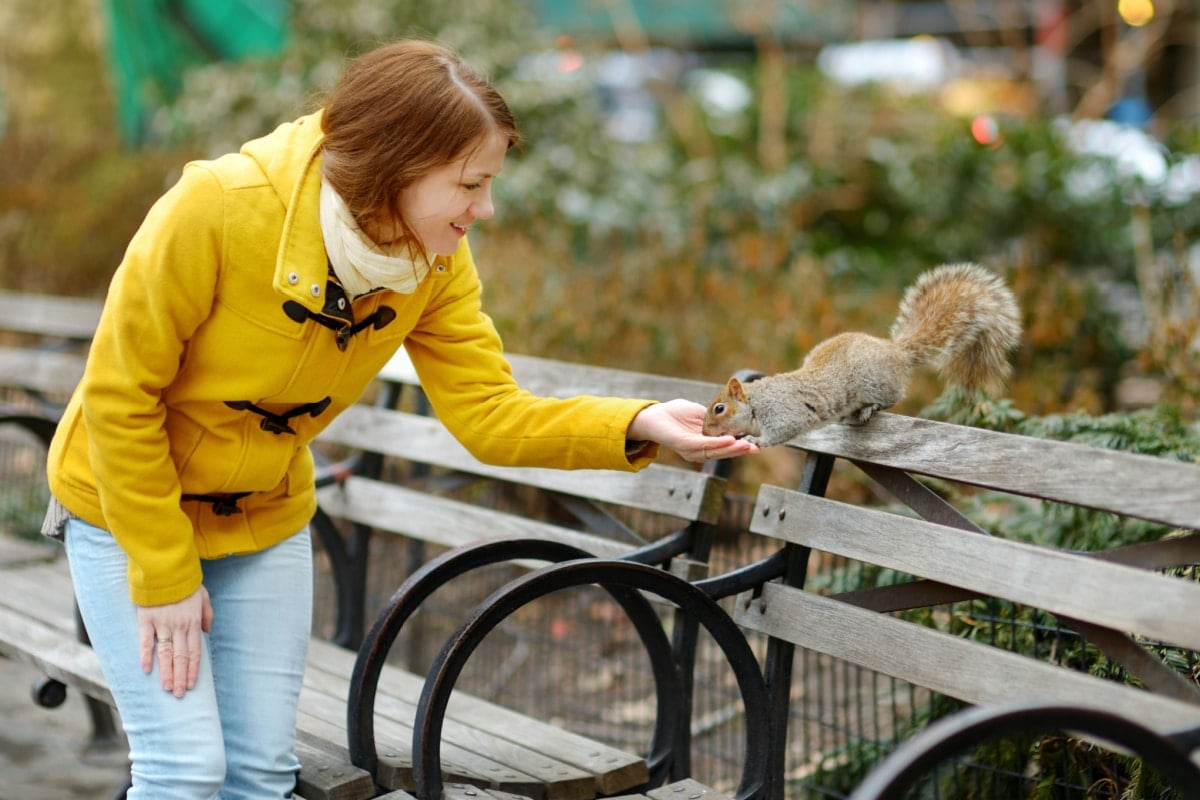
Wildlife can be awe-inspiring. It can also be incredibly costly if you don’t know what you’re doing. People make pricey mistakes with wild animals every day, whether it’s feeding a bear from your car window or trying to raise a raccoon like it’s a kitten.
Some of these missteps drain your bank account. Others get you slapped with serious fines or hospital bills. A few even put entire species or local ecosystems at risk. If you’re not careful, that photo op or animal rescue attempt might cost you a whole lot more than expected. Learn more.





