

Data from BBC Wildlife Magazine notes that deer, bears, venomous snakes, alligators, and other wild animals in the U.S. cause hundreds of injuries and deaths each year, which is exactly why experts say you should never try to touch them.
In the United States, some truly incredible wild animals inhabit forests, mountains, oceans, and even urban areas. While these creatures might be fascinating to observe, it’s important to remember that strict laws and regulations protect them. Touching or disturbing these animals is not only harmful to their well-being, but it can also lead to legal consequences for you.
Some animals are off-limits for conservation or public safety reasons. Here are 9 wild U.S. animals you should not touch, no matter how tempting it may be to interact with them.
Bald Eagles
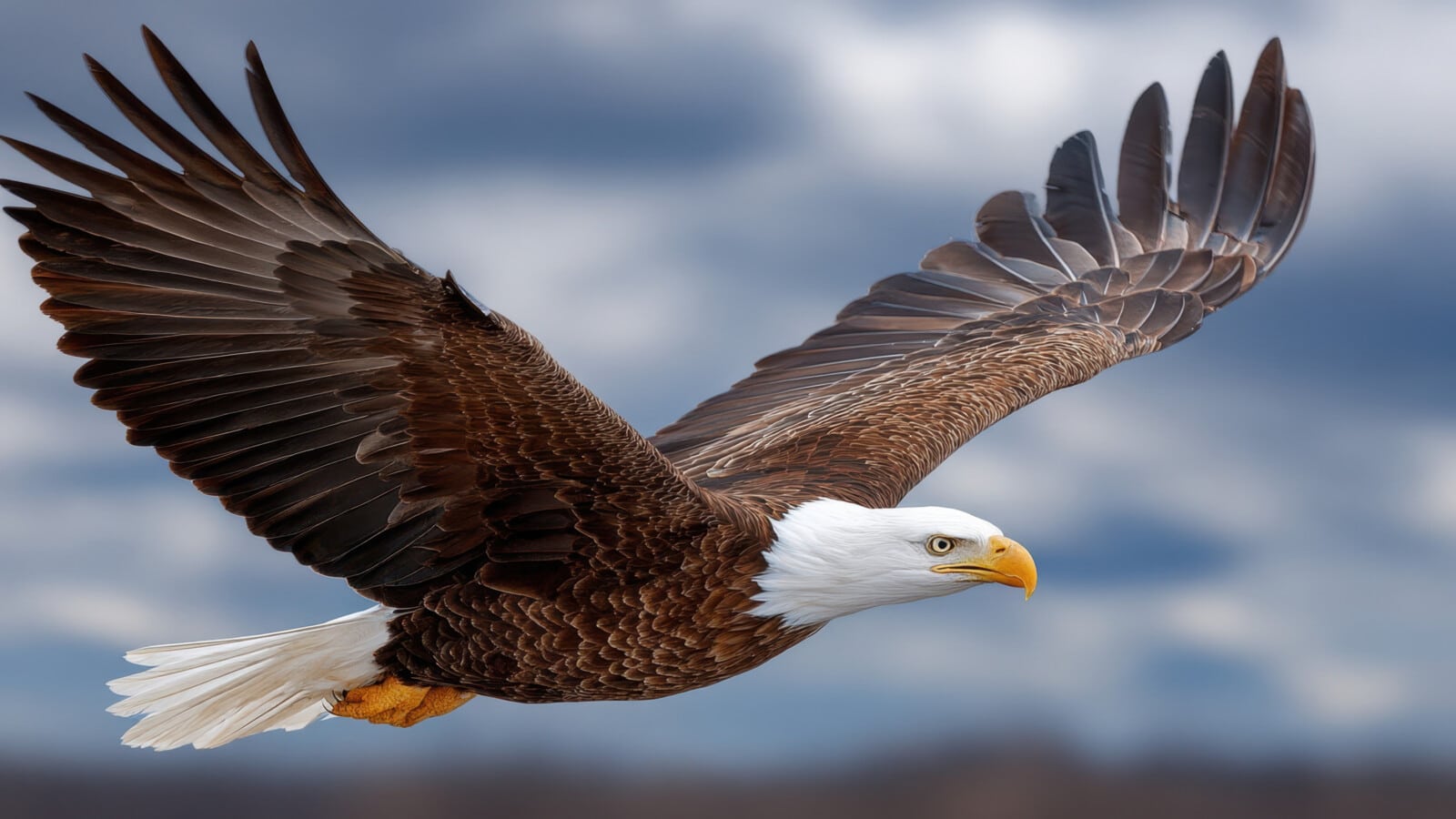
Data from the U.S. Fish and Wildlife Service shows that bald eagles are protected as a national symbol under the Bald and Golden Eagle Protection Act, which makes it illegal to harm, harass, or even intentionally disturb or handle them without a permit.
Disturbing a bald eagle or its nest is illegal and can result in hefty fines or imprisonment. It’s best to observe these incredible birds from a distance, so they can soar freely in their natural habitat.
Sea Turtles

Sea turtles, such as the loggerhead and green sea turtle, are endangered and protected under the Endangered Species Act. While they are a sight to behold, especially when they come ashore to lay eggs, touching or disturbing them in any way is illegal. This includes interfering with their nesting sites or collecting their eggs, both of which are crucial to the species’ survival.
Approaching sea turtles can harm not only them but also their fragile ecosystems. If you encounter one while swimming or on the beach, admire it from a distance and avoid touching it to help ensure its survival.
Gray Wolves

Gray wolves, once nearly driven to extinction in the U.S., have made a significant comeback, particularly in regions like Yellowstone National Park. However, these wild animals remain protected under the Endangered Species Act in many areas. While gray wolves can be fascinating to observe, approaching or touching them can be dangerous.
Wolves are wild animals with strong territorial instincts, and their behavior can be unpredictable. It’s crucial to respect their space, both for your safety and theirs. Interaction with wolves in the wild is illegal and should be avoided at all costs.
Bison

Bison, often associated with the American West, are another wild animal you should never touch. Although they may appear calm, bison are extremely powerful and dangerous, especially when threatened. Touching or approaching them, particularly in national parks where they roam freely, is not only dangerous but also illegal.
Bison are protected in many areas, and for good reason; they are a symbol of American wildlife, and their populations are still recovering. It’s essential to observe bison from a safe distance to avoid disrupting their natural behaviors and to keep yourself safe from potential harm.
Alligators

Alligators are native to the southeastern U.S. and are known for their large size and powerful jaws. While it may be tempting to get close to these reptiles, it is crucial to remember that they are wild animals and pose significant risks to human safety. Alligators are protected under state laws, and disturbing or attempting to touch one is illegal.
Save this article
Alligators are most active at dawn and dusk, so if you’re in an area where they live, it’s best to keep your distance and never approach them. In addition to the danger, interacting with alligators can harm them and disrupt their natural behavior.
Mountain Lions
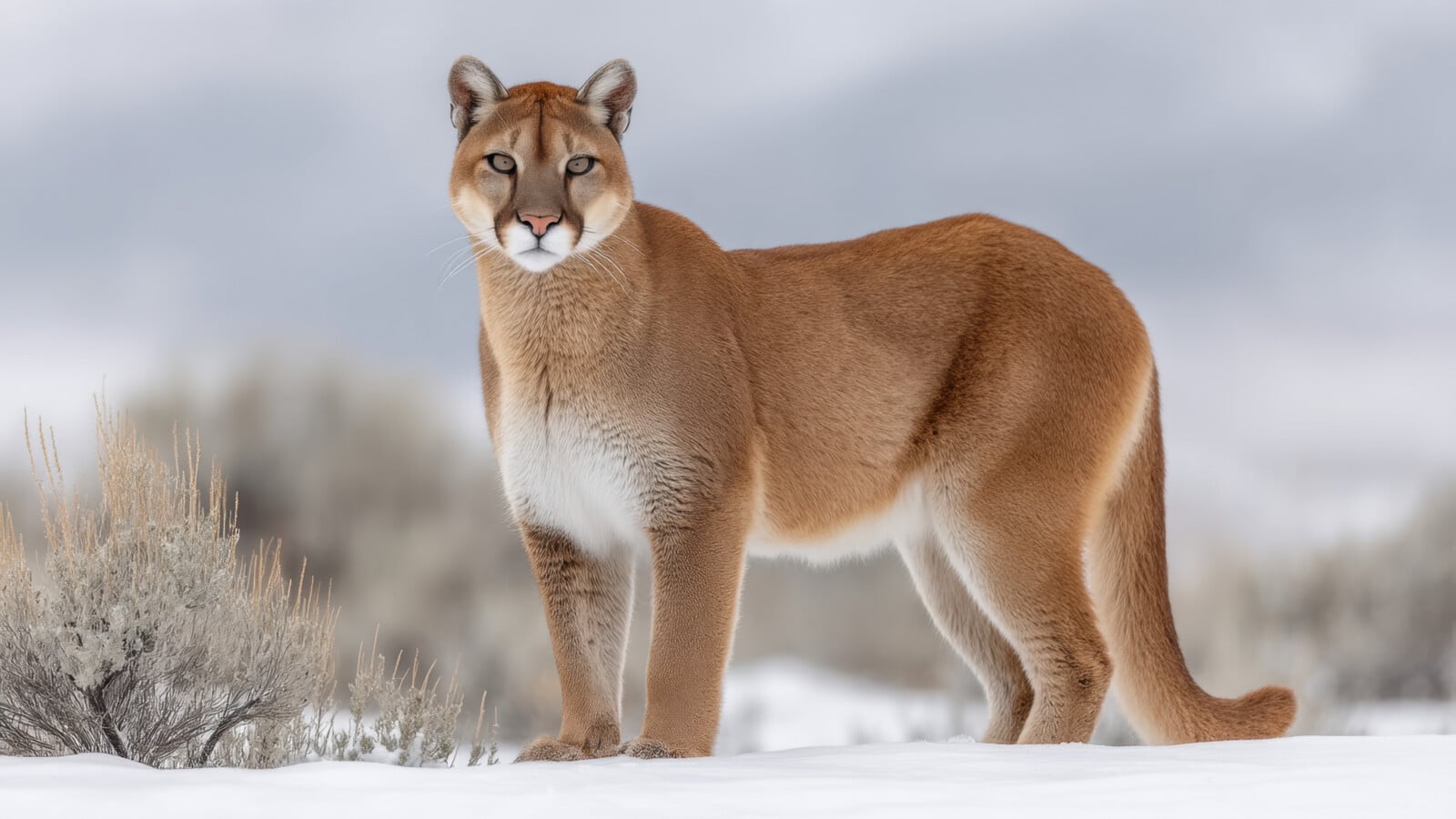
Mountain lions, also known as cougars or pumas, are elusive predators found in forests and mountainous regions across the U.S. They are protected in many states, and it’s illegal to approach or touch them. Though mountain lions are generally shy and avoid human contact, they can be dangerous when threatened or cornered.
These wild cats play a vital role in maintaining the balance of their ecosystem by controlling prey populations. Respecting their space and avoiding interaction helps ensure their survival in the wild and keeps both humans and animals safe.
Rattlesnakes
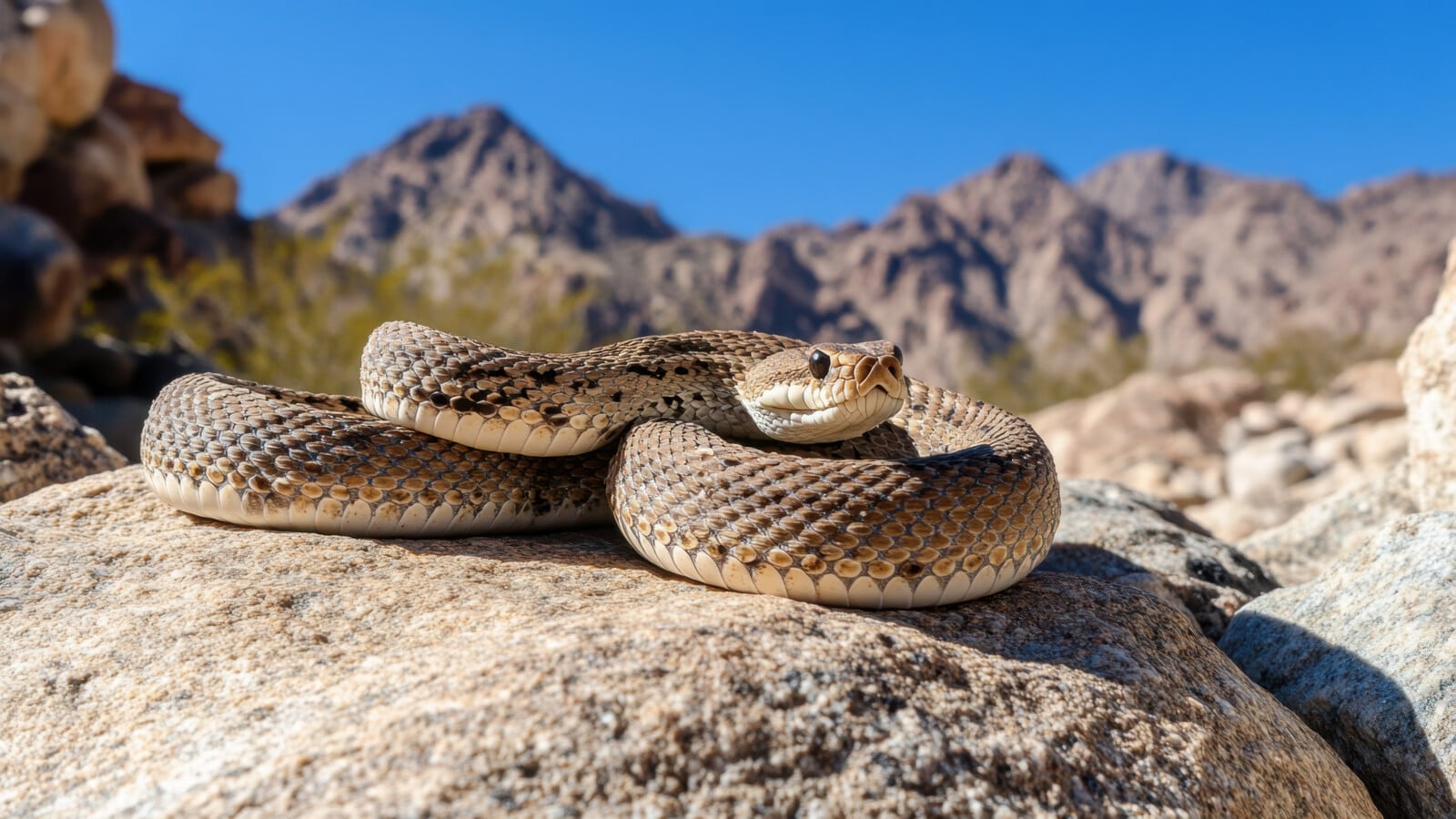
Rattlesnakes are among the most iconic snakes in the U.S., known for their distinctive rattle and venomous bite. These snakes play an important role in controlling rodent populations, but they are also protected in some areas due to their declining numbers. Approaching or attempting to touch a rattlesnake is dangerous for both the person and the snake.
Rattlesnakes will usually try to avoid human contact, but if they feel threatened, they will strike. It’s essential to respect their space and leave them alone if you encounter one in the wild, ensuring both your safety and their preservation.
Grizzly Bears

Grizzly bears, found primarily in the northern Rocky Mountains and Alaska, are powerful creatures that deserve respect from a safe distance. They are protected under various laws, and disturbing or touching them is not only dangerous but also illegal. Grizzly bears are known to be unpredictable, especially when they feel their cubs are threatened or when food is scarce.
If you encounter a grizzly bear in the wild, it’s crucial to stay calm, make yourself appear larger, and slowly back away. Never attempt to touch or interact with a grizzly bear, as this can provoke an aggressive response and put your life at risk.
Black Bears
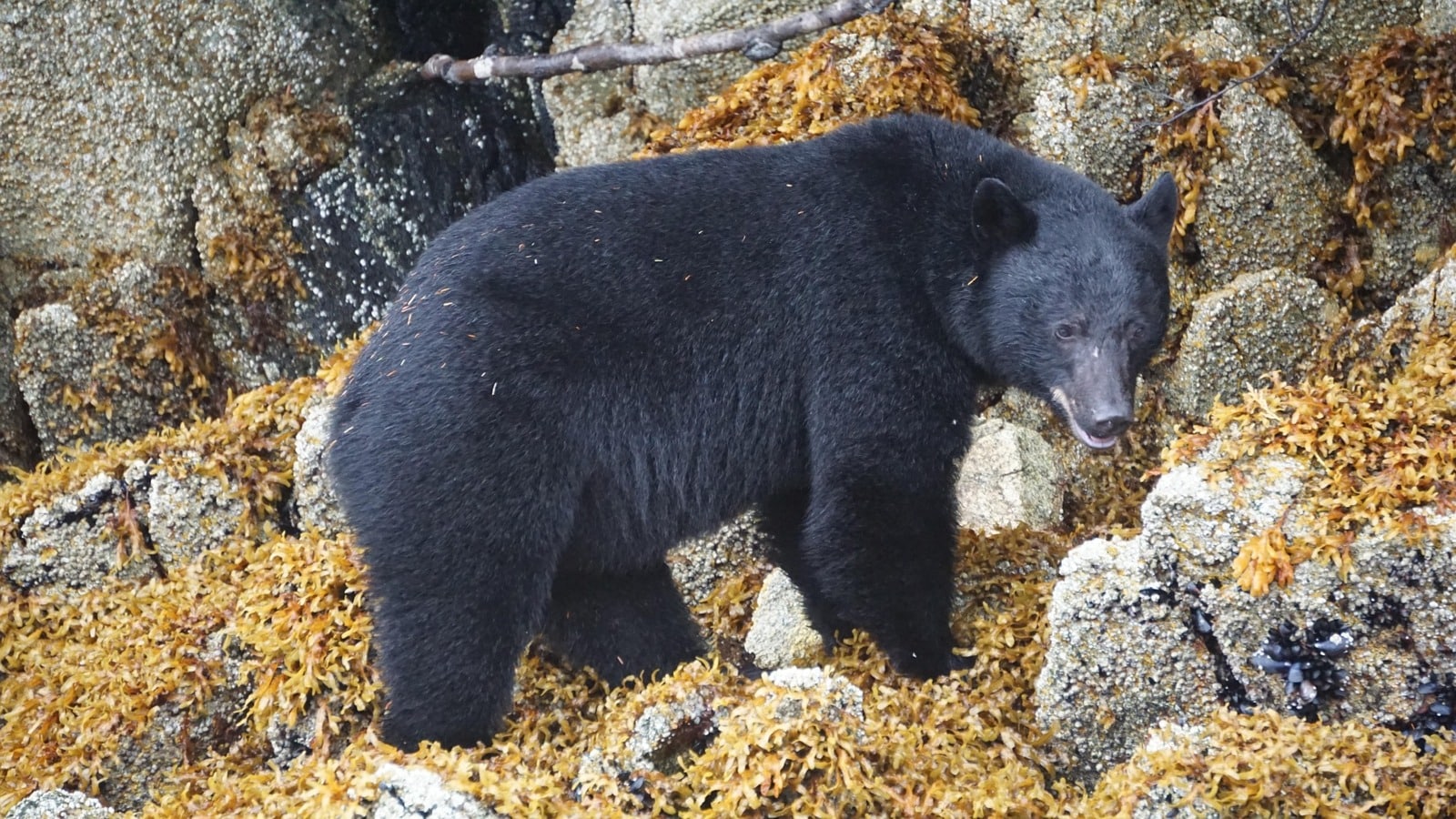
Black bears are the most common bear species in the U.S. and are found in forests, swamps, and national parks. Like grizzly bears, black bears are protected, and touching or interacting with them is illegal and dangerous. While they are generally less aggressive than grizzly bears, black bears can still pose a serious threat if they feel cornered or provoked.
It’s important to keep a safe distance from black bears and avoid feeding them, as human food can alter their natural behavior and lead to dangerous encounters. If you see a black bear in the wild, stay calm, keep your distance, and enjoy the sight from afar.
Key Takeaways

While many wild animals are fascinating to observe, it’s important to remember that they are not pets, and interacting with them can be harmful to both the animals and ourselves. Disturbing protected species can also lead to legal consequences, so it’s crucial to respect the laws in place to protect these creatures. Observing wildlife from a safe distance allows us to appreciate their beauty and play our part in preserving the ecosystems they belong to.
Disclaimer – This list is solely the author’s opinion based on research and publicly available information. It is not intended to be professional advice.
Like our content? Be sure to follow us.





