

Retiring abroad sounds romantic until you start dealing with taxes, visas, healthcare, banking, and bureaucracy.
As more Americans consider retiring abroad, understanding the financial, legal, healthcare, and cultural hurdles has become just as important as choosing the destination itself.
When you hear the words “retiring abroad,” it sounds like the ideal lifestyle during retirement: long beach walks, a lower cost of living, and the opportunity to learn a new culture. No wonder, according to a recent Monmouth University poll, almost 17 per cent of Americans aged 55 and above are seriously considering making the move. That is a significant step up compared to the 4 percent of people who found the concept worth considering in 1974.
However, before you go running to pack your bags and rehearsing on how you will spend your days sipping up espresso on one of the cobblestone streets, you have to reason it out. It may sound bland, but retiring abroad does not come without its blind spots, and some of them may prove to be a logistical nightmare to your dream, unless you are prepared. Buckle up, and let’s tackle 15 challenges you need to consider so your move feels as smooth as that first coffee in Paris
Language and Communication Challenges
Imagine that you have just taken possession of your lovely apartment in a small town in Spain. You go to the local store, and out of the blue, you tell a person you need a simple thing like sugar, and then it seems that you are solving a puzzle. Even simple tasks, such as obtaining food or explaining medication requirements to a healthcare expert, can be overwhelming due to a language barrier.
Of course, you can use an app such as Google Translate, but it just cannot match the level of confidence that fluency gives. When choosing a place where English is not widely spoken, it is worth setting some time to learn the local language (at least speaking).
Healthcare and Medical Access
Healthcare is something one never thinks much of until the time they need it most. Although countries like Spain and Thailand offer quality and affordable healthcare services, others may not meet your expectations. Imagine being in a situation where you urgently need medical care, only to find that your medical cover doesn’t cover the treatment or the hospital staff don’t speak English.
Research health systems in your desired location and consider expat-friendly healthcare plans that offer comprehensive coverage.
Legal and Residency Complexities
There is a secret about retirement abroad that no one tells you: not all countries welcome retirees. Visa requirements can be strict and complicated. You must show some income or savings each year, right? Is there an annual renewal process with added fees?
The number of hoops you need to leap through varies significantly depending on your destination. Failing to meet legal requirements may result in you being deported or, at the very least, scrambling to comply.
Financial and Taxation Pitfalls
The phrase “death and taxes” follows you across borders. Income earned throughout Mexico must also be declared to the U.S. IRS, even if you were sipping margaritas. You may be subject to paying taxes twice, depending on where you choose to retire.
Moreover, no one can be sure of exchange rates; this can be a nasty blow to your retirement savings. Before making the move, it is worth seeking tax consultancy with an expert who is conversant with international laws.
Distance from Family and Social Networks
Being many miles apart, your kids and grandkids may seem manageable until the time you miss a family event or a landmark. Although video calls can bridge the distance, nothing can replace seeing your granddaughter blow out her birthday candles.
When you are away from the social safety net, loneliness is quite an actual threat. It will take time to develop new relationships in your host country, so make preparations accordingly.
Cultural Differences and Adaptation
At first, everything feels charmingly foreign. However, after a month or two, you might grow tired of trying to understand why stores are empty in the middle of the day, why it is peculiar that you eat dinner before 8 p.m., and so forth.
Getting used to a foreign culture can be both fun and exasperating. It is all about perseverance, and the benefit of adjusting is massive.
Housing and Real Estate Challenges
Don’t start signing anything just yet, even though you have found your dream retirement home on a cliff’s edge overlooking the Mediterranean. There are also pitfalls associated with foreign property markets, such as high taxes on foreign buyers, unfamiliar rental contracts, and other challenges.
Adding to this, managing property repairs when you’re halfway across the world is no walk in the park. Engaging local professionals to provide advice is a valuable experience.
Transportation and Accessibility Issues
Can you rely on public transit? Do you feel free to drive on the opposite side of the road? How will you cope if you have to fly back to see your family and it ends up being more costly or complicated than you expect it to be? When you live in a rural place, the everyday chores can be an adventure without an easy commute.
Safety and Security Concerns
Beautiful postcard locations can sometimes come with risks. Conduct research on crime trends, stability, and natural calamities in your preferred petite patrie. As an illustration, the principal of pickpocketing might not be so serious in some places, but you may not want to bet on the absence of security when subjected to the flood season.
Technology and Connectivity
Friendly reminder: not every beachside paradise has strong Wi-Fi. Less-than-reliable service could prove shocking or irritating if you use the internet to bank, receive health care, or stay in contact with family. Make sure your chosen spot keeps you plugged in. Check in with local expat groups to answer any of your questions regarding connectivity.
Save this article
Employment and Income Opportunities
Have you considered consulting, part-time writing, or teaching? Certain states do not allow outsiders to work in the country, and others need special permits. Plus, foreign credentials might not translate seamlessly. Consider how to earn extra money creatively and legally, should it become necessary.
Emotional and Psychological Adjustment
You will be moved abroad, and you will not be sure how it will affect you. Culture shock, characterized by feelings of being lost or unable to establish a routine in a new environment, can significantly impact your emotional state, especially after the honeymoon period.
It is also worth building a support network and remaining a member of expat communities to make this transition easier.
Unexpected Costs and Inflation
You’ve planned your budget based on current conditions, but what about the future? Popular retirement destinations can be crushed by inflation,whose effects include increased prices of houses and groceries, among others. Failure to pad your retirement budget may make the process of maintaining your lifestyle stressful.
Visa and Residency Renewal Risks
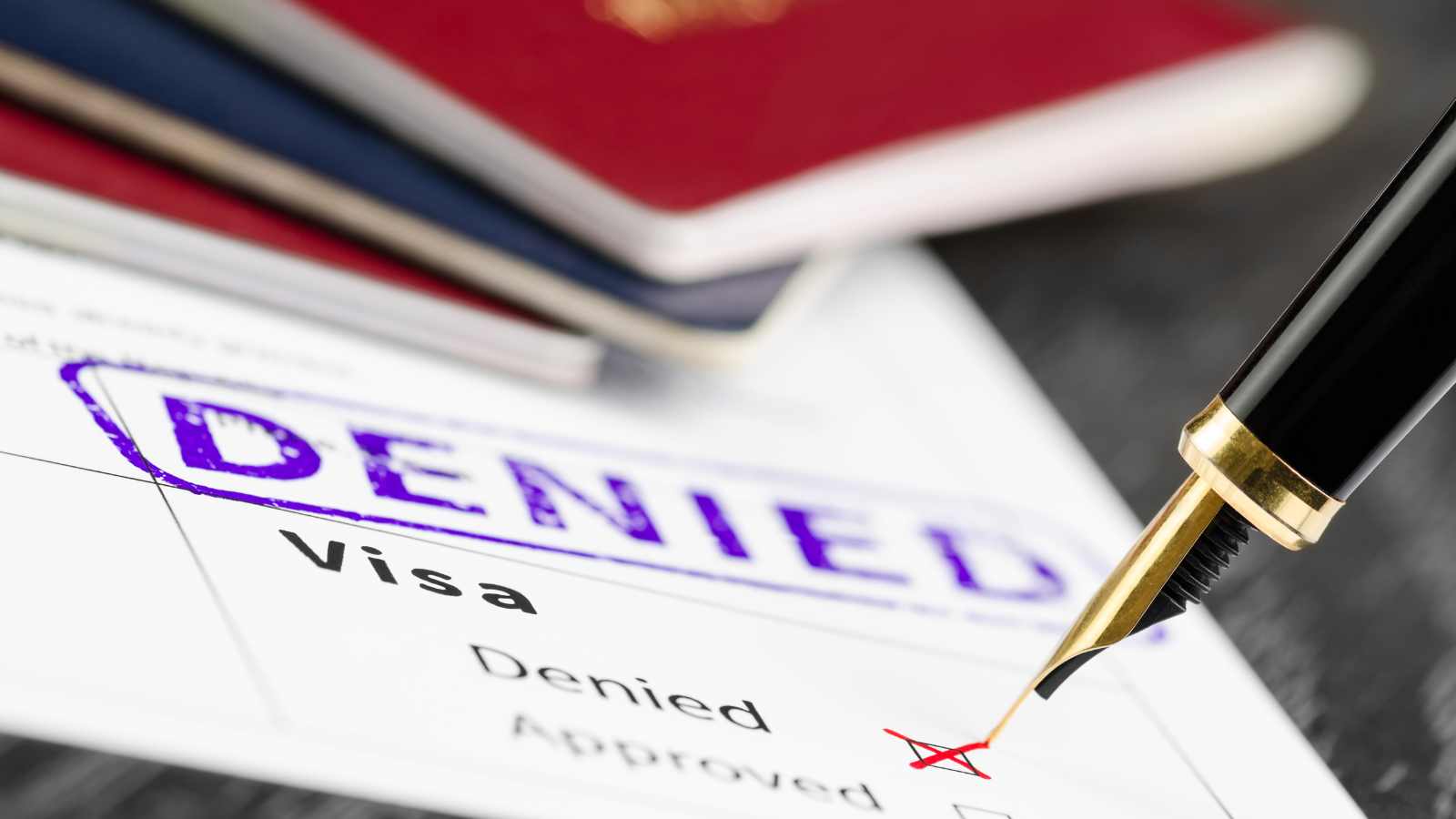
The worst-case scenario here is the settling-in trap, where you settle in only to lose your residency renewal due to changes in local policies. By keeping up with legal changes and anticipating renewal procedures early, you will achieve considerable savings in headaches in the future.
Lack of Immediate Emergency Support
Emergencies often strike when least expected. You should know who to call and where to go, whether it is a health scare or a natural disaster. Become acquainted with local emergency services, local hospitals, and your country’s touch-point in the city, usually the embassy or consulate.
Key Takeaway
Moving abroad is a great experience that can be defined as a satisfying adventure. However, it is crucial to do your homework, be prepared for surprises, and remain adaptive.
Learn about your destination, connect with local experts, and budget accordingly. There is, however, no reason why your retirement abroad should not be as thrilling a new adventure as you may have imagined.
More articles:
- 9 Reasons You Might Regret Retiring in Florida
- Why a cheap retirement destination may end up costing you your peace of mind
- Retirees say they don’t miss these parts of working life at all
These 14 common 401(k) mistakes could cost you thousands in retirement

For many Americans, a 401(k) is the single most important tool they have for building retirement wealth. Yet despite its importance, millions of workers make small mistakes that quietly reduce their future savings year after year.
The danger is that most of these errors do not feel serious in the moment. Skipping a contribution increase, ignoring investment choices, paying unnecessary fees, or failing to capture a full employer match may seem insignificant today. Over decades, however, those seemingly minor decisions can have a dramatic impact on the size of a retirement nest egg. Learn more.
Retirees: Trim these 9 costs to possibly save nearly $30K annually

As more retirees live on fixed incomes, financial advisors warn that overlooked monthly expenses are quietly draining hard-earned savings.
The golden years are finally here, and with them comes a sense of hard-earned freedom. But for many, that freedom feels a bit shaky when the monthly bills start rolling in like an unwanted tide. It is a classic puzzle: how do you keep the fun alive while making sure your nest egg stays plump and healthy? Learn more.
13 affordable Florida cities where Social Security alone covers the bills

Affordable retirement in Florida is still within reach, with lesser-known cities offering low living costs even as rents and expenses rise statewide
Have you ever fantasized about living in Florida, retired, sipping coffee on your porch and watching the sunrise over the palm trees? You are not the only person to consider the benefits of moving to the Sunshine State and retiring. With no state income tax, a sub-tropical climate all year round, and some of the finest beaches in the country, it practically is retirement heaven. Learn more.





