
Food is one of the few major household expenses where small decisions can produce immediate savings.
The average person’s grocery bill can feel like a runaway train, speeding up every time you pass the snack aisle. It’s a major part of household spending, but it’s also one of the areas where we have the most control. For many of us, getting a handle on our finances starts with getting a handle on our pantry. It’s a challenge, sure, but with the right mindset, you can stop feeling like your money is flying out the window with every trip to the supermarket.
The good news is, you’re not alone. Making a few simple adjustments to your shopping lifestyle can have a ripple effect on your entire budget, freeing up cash for other things.
Be Smart With Protein
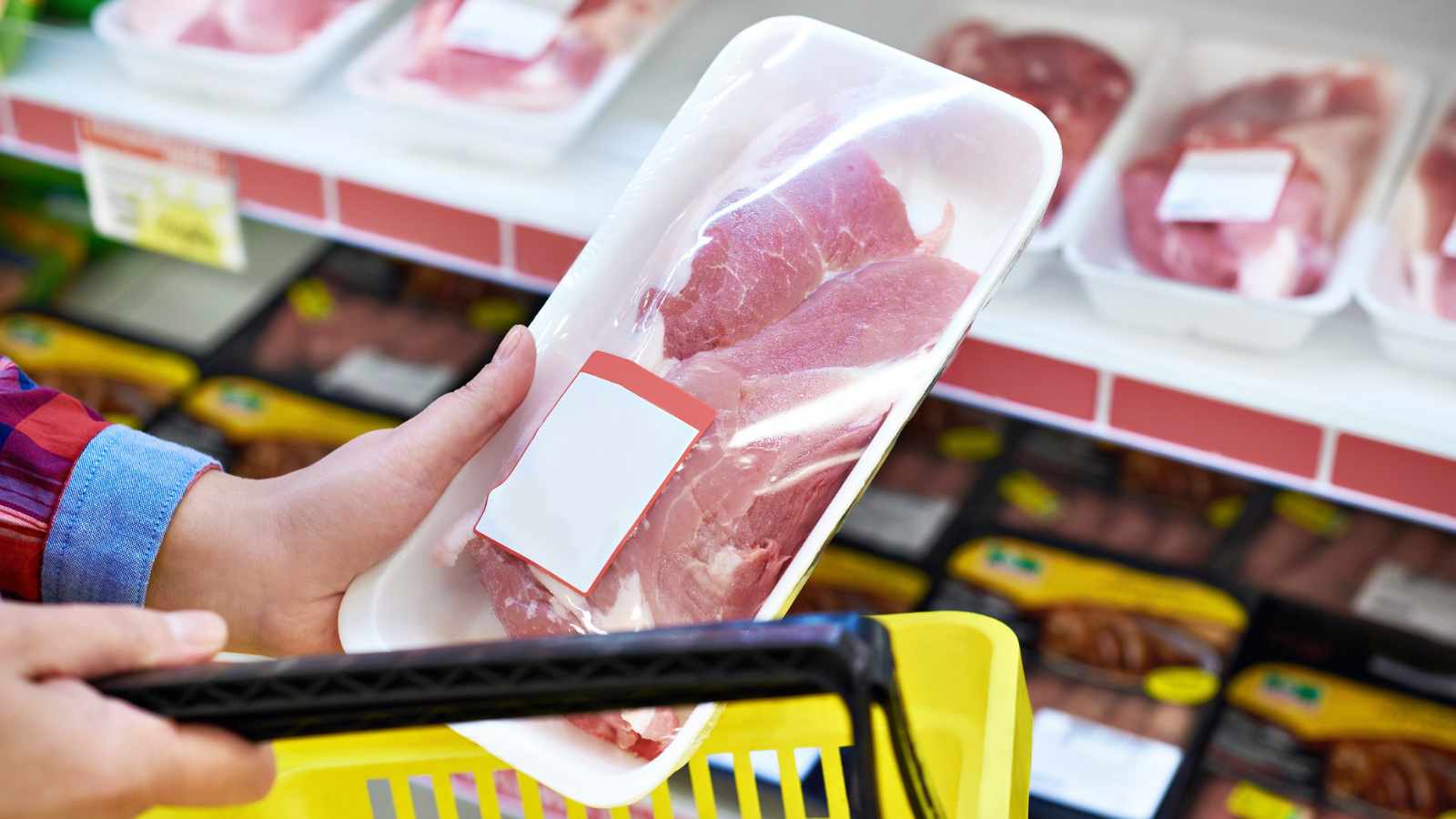
Meat and fish can be the most expensive items on your grocery bill. A smart budgeting tip is to be mindful of your protein sources. Incorporate more affordable options like lentils, beans, and eggs into your recipes. Making a vegetarian or vegan meal a few times a week can significantly lower your spending without sacrificing flavor or nutrition. These are often great sources of fiber.
Make Bulk Purchases

Think of staples like rice, beans, pasta, and spices. Buying them in bulk is often a lot cheaper per pound than buying smaller quantities. Buying in bulk can reduce waste by allowing you to have a steady supply of staples on hand. This is a great way to save money.
Create a Meal Planner

Before you even think about setting foot in a store, sit down and make a game plan. This isn’t just about figuring out what to eat; it’s about being strategic. “Meal planning is the single best way to reduce food waste and lower your grocery bill. A little bit of thinking can save you a whole lot of money and keep your family on a good diet all week long.
Always Shop With A List

A shopping list is your roadmap to better budgeting. Without one, you’re just wandering through the aisles, grabbing things on impulse and seeing what happens. This little piece of paper, or a note on your phone, can be your best friend.
Don’t Shop Hungry

This might sound like a rule your grandma would tell you, but there’s wisdom in it. Shopping on an empty stomach makes everything look delicious and necessary. A recent survey found that on average, customers who enter a grocery store on an empty stomach spend $26 more per trip. You’ll convince yourself that a box of sugary cereal or a bag of chips is essential, even if it doesn’t fit your budget. This is a small productivity tip that can make a big difference in the long run.
Use Loyalty Programs And Coupons

The days of clipping coupons from the Sunday paper are mostly over, but the practice is alive and well on our phones. A survey from Ibotta found that 57% of shoppers use a coupon or look for deals on their phone before or during a shopping trip. Shoppers who use a loyalty program save an average of 15% – 20% on their total bill, which is a significant chunk of change. This is all about working smarter, not harder.
Buy In Season
Save this article
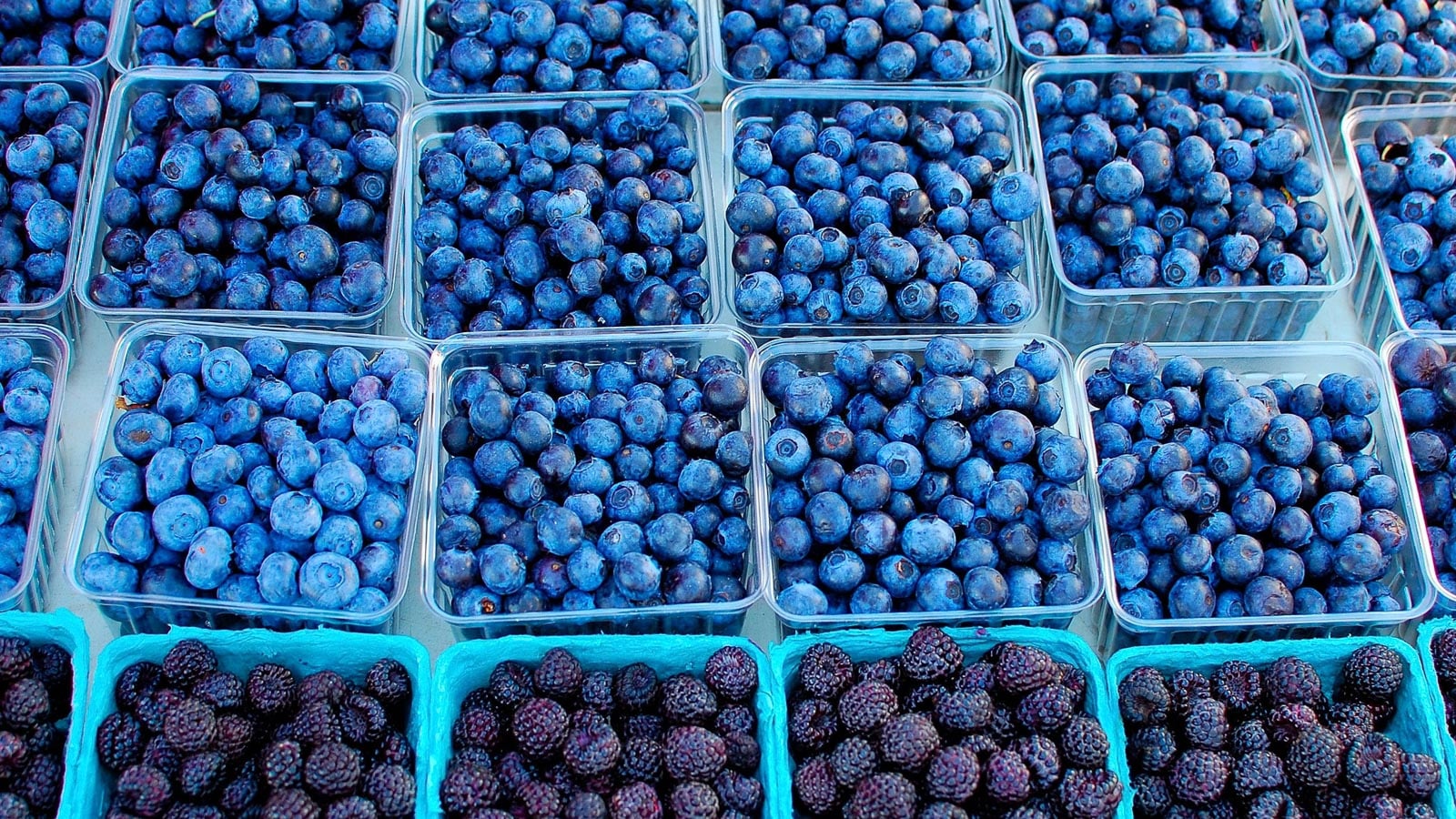
When fruits and vegetables are in season, they’re not only at their peak flavor but also at their lowest price. This is because the supply is high, which drives the price down. A can of green beans might be a dollar year-round, but fresh green beans in season could be even cheaper. A study revealed that a basket of in-season fruit and vegetables can be cheaper than the same basket out of season, proving that a little bit of planning for your meal planner can save you a lot of money.
Embrace The Freezer
The freezer is your best friend when it comes to saving money and reducing waste. When you see a good deal on meat or vegetables, you can buy them and freeze them for later. You can also freeze leftovers from a big recipe to have a future meal ready to go. According to the FDA, the average US household discards approximately 30%-50% of the food it purchases, resulting in significant waste. The freezer is a powerful tool to prevent that.
Shop Around
Loyalty is a good thing, but it can cost you. Don’t be afraid to visit more than one store. One store might have a great deal on produce while another has a special on meat. This is a small growth step that can help your finances in the long run.
Don’t Waste Your Leftovers
Leftovers can be a blessing or a curse. You can have the best intentions, but then they get lost in the back of the fridge. But with a little bit of inspiration, you can turn them into a new meal. Leftover roasted vegetables can become part of a new recipe for a healthy lunch, and leftover meat can be added to a soup. This is all part of a smart budgeting strategy, with research from the EPA estimating that the average household of four loses nearly $3,000 annually due to food waste.
More articles:
- 12 Reasons People Believe America Is Completely Falling Short
- 12 things that used to be free but now cost money
- 10 money habits boomers see as normal that can lead to financial trouble
8 subtle ways money stress shows up in your gut and your eating

Money stress is quietly reshaping how millions eat, sleep, and digest—often showing up first in their gut before their bank balance.
Money worries rarely stay neatly contained in your bank account or your budget spreadsheet. For many adults over 45, financial pressures from aging parents, grown children, housing costs, or healthcare bills spill over into sleep, mood, and everyday choices around food. You might notice that on the days when you are most anxious about bills, you feel more knotted up in your stomach, have more heartburn, or find yourself eating whatever is closest without really tasting it. Learn more.
These 10 middle-class money rules were gospel in 1990—now they’re financial sabotage

The playbook that once promised stability for the middle class has slowly turned into a blueprint for falling behind.
Think back to the days of neon windbreakers and dial-up internet when financial advice felt simple and safe. Your parents probably handed you a set of money rules that seemed practically guaranteed to build wealth over time. You were told to go to college, buy a house, and faithfully stash cash into a savings account until retirement. That classic playbook worked beautifully for a completely different economy that simply no longer exists. Learn more.
12 money habits that can make your savings run out faster

Saving money has become more challenging for many Americans as living costs continue to rise. Recent data from Trading Economics show the U.S. personal Costs continue tosaving rate has fluctuated between about 3% and 5% in recent years, significantly lower than the historical average of above 8% seen in earlier decades.
Financial surveys reveal that many households struggle to maintain emergency funds. According to the Federal Reserve’s Survey of Household Economics and Decision making, nearly 37% of Americans say they would have difficulty covering an unexpected $400 expense without borrowing or selling something. Learn more.





