

Our brains are wired to find the path of least resistance. Psychologists call these mental shortcuts “heuristics”—they help us make “fast and frugal” decisions without overthinking every little thing.
It’s a survival mechanism, really. But here’s the catch. This instinct to cut corners can sometimes lead us down a blurry path. And it seems we’re walking that path more often. A study published in the Journal of Personality and Social Psychology suggests that the average person tells one or two lies a day.
The real danger isn’t in one tiny fib. It’s the slow slide. As convicted fraudster Bernie Madoff once explained, “it starts out with you taking a little bit… You get comfortable with that, and before you know it, it snowballs into something big”.
Here are the 16 clever, common, and sometimes questionable shortcuts we all take, along with the blurry line between smart and sketchy.
Using AI to do your work (and not telling anyone)
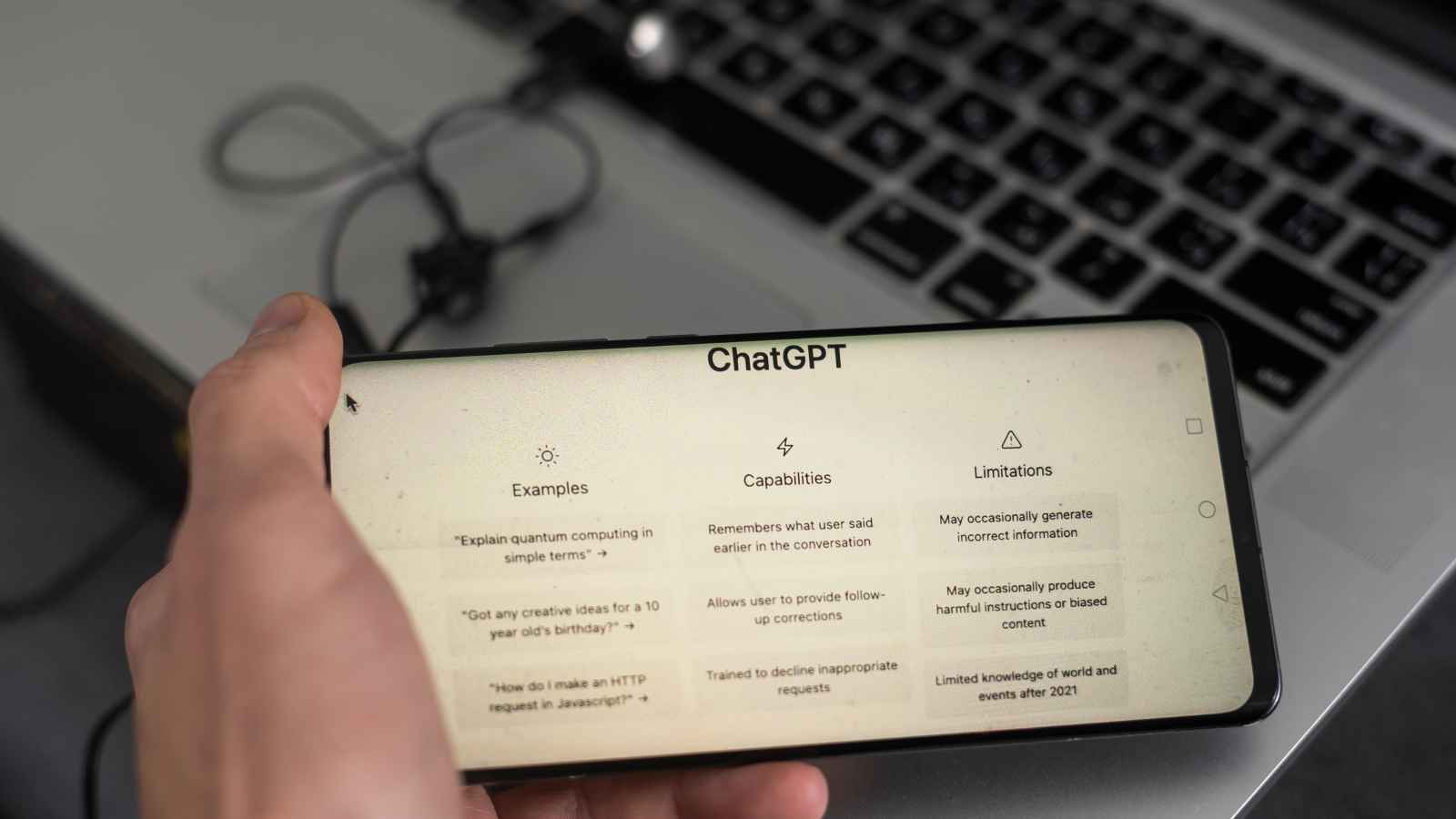
Let’s be real, AI is everywhere. Statistics show that a massive 75% of us were using AI at work in 2024, and nearly half of those individuals started using it in the last six months. Tools like ChatGPT are saving us a significant amount of time—90% of workers agree.
But here’s the twist: we’re doing it in secret. Over half of us (52%) are reluctant to admit we’re using AI for essential tasks, worried it makes us look replaceable.
Ethicists suggest a simple test: “Would the average employee assume this content was written entirely by a person? If they found out it wasn’t, would they feel misled?”. If the answer is yes, you should probably fess up. Plus, there’s a risk that over-relying on these tools can lead to the “erosion of critical thinking,” making us “intellectually lazy”.
This secrecy is creating a unique and unsettling form of impostor syndrome. You get praised for a brilliant report that AI helped write, and you can’t help but feel like a fraud. This creates a vicious cycle: you use AI to meet high expectations, which makes you more afraid of being found out, so you lean on it even more, letting your own skills get rusty.
“Enhancing” your resume to land the interview

The job market is tough, so it’s no surprise that the Resume Lab survey found that about 70% of U.S. workers admit to lying on their resumes. For Gen Z, that number is nearly half (47%).
The pressure to stretch the truth is real, especially when you’re trying to get past the automated resume screeners (ATS) that most companies use.
But the risk is enormous. A whopping 94% of employers run background checks. For those caught after getting the job, 41% had their offers rescinded, and 18% were fired.
It’s become a technological arms race. Companies use AI to filter candidates, so candidates use AI and “keyword embellishments” to get past the filters. It’s less about being the most qualified person and more about having the most search-engine-optimized resume.
Taking credit for a coworker’s brilliant idea

We’ve all seen it happen. In fact, one study found that 91% of people have either been a victim, a perpetrator, or a witness to this kind of “knowledge theft” at work.
It’s the number one reason people quit a job: a bad boss. Yet, over half (51%) of people whose ideas were stolen did absolutely nothing about it, often out of fear of appearing not to be a “team player.”
Organizational psychologist Dr. Adrienne Bradford says that while you need a “nuanced approach,” sometimes you have to speak up. As she puts it, “Some things are going to be hard to hear no matter how we say them”.
When ideas are constantly stolen, it kills the creative vibe of the whole company. People stop sharing their brilliant thoughts freely and start “idea hoarding” to protect themselves. This chokes the spontaneous brainstorming that fuels innovation, making the entire organization less agile and competitive.
“Quiet quitting” to reclaim your work-life balance

This has become a massive trend. It’s not about being lazy; it’s about rejecting the “hustle culture mentality” and just doing the job you’re paid for—no more, no less.
Journalist Jennifer L. Gaskin calls it a “resoundingly stupid name for simply doing your job”. After all, time is the one thing we can’t get back. However, others, such as career coach Gena Cox, warn that it’s a “passive-aggressive approach” that can damage your professional reputation.
Often, quiet quitting is a direct response to “quiet firing.” That’s when a manager tries to get rid of you by slowly freezing you out—ignoring your ideas, denying you raises, and ghosting your meetings. The employee feels undervalued and disengages (quiet quitting), and the manager uses that disengagement as proof of poor performance to justify letting them go. It’s a toxic cycle that replaces honest conversations with passive-aggressive games.
Running your side hustle on company time and tech

The line between your living room and your office has basically disappeared. So, it’s tempting to use your work laptop for a side project. Many people are doing it. A recent survey found 36% of employees use company tech for a side hustle, and 22% have even worked for another company on their current employer’s devices.
It’s part of a larger trend—only 10% of workers say they don’t use their work devices for personal stuff. While some managers think a little slack is fine, ethicists are clear: using company property without permission is “misappropriation”.
Think about it: that high-end work laptop, that expensive software subscription, that super-fast internet—it’s like an interest-free startup loan from your boss. When you multiply that by millions of workers, companies are basically funding a massive “shadow economy” of side gigs. This also creates an unfair advantage, as subsidized side hustlers can afford to undercut full-time freelancers who pay for their own equipment.
Sharing your Netflix password

Come on, who hasn’t done this? It seems like a harmless way to connect with a friend or family member. However, despite recent crackdowns, Americans continue to share their streaming passwords.
This “harmless” habit is costing the streaming industry a fortune. For years, companies looked the other way. As anti-piracy expert Ken Gerstein noted, they tolerated it because it helped grow their audience. But now, with intense competition, “it’s forcing the streamers to start taking action”.
This is a classic example of what psychologists refer to as the “familiarity heuristic.” We do it because it feels normal and safe, and everyone else is doing it. The industry crackdown is forcing us all to rethink a social norm we took for granted.
“Wardrobing” for that one-time event

You have a wedding to attend, but you don’t want to spend $200 on a dress you’ll only wear once. So you buy it, keep the tags on, wear it, and return it the next day. This is “wardrobing.”
This trend, often fueled by social media pressure to have a new #OOTD (Outfit of the Day), costs retailers billions. When you “borrow” an item, it becomes unavailable to a legitimate buyer.
The hidden costs are enormous. Stores have to hire more staff to inspect returns, and often the used item can’t be resold. This drives up prices for everyone. And the environmental impact is shocking: an estimated 5 billion pounds of returned merchandise ends up in U.S. landfills every year.
Stacking coupons and exploiting “glitches”

Everyone loves a good deal. However, some individuals take it a step further, employing tactics such as coupon stacking, exploiting “glitches” in online checkout systems, or even using counterfeit codes. It may seem like you’re just being a savvy shopper, but it’s a significant problem for businesses.
This isn’t just a few people bending the rules anymore. It’s become industrialized. AI-powered bots can now mimic human behavior, test thousands of code combinations in seconds, and create endless “new customer” accounts with realistic-looking email addresses. They can easily bypass old-school defenses like CAPTCHA, making it a high-tech game of cat and mouse.
Abusing free trials with multiple emails

We’ve all been there. You sign up for a free trial, forget to cancel, and get hit with a charge. To fight back, many of us have a collection of burner email addresses to keep the freebies rolling.
It’s a digital tug-of-war. Businesses know that many people who sign up for a free trial have no intention of ever paying.
So, companies fight back by requiring a credit card up front, hoping you’ll forget to cancel. This is called “negative option” billing, and it’s so problematic that the FTC has stepped in to strengthen consumer protections. This constant battle just adds friction for everyone, making it harder for legitimate customers to try a product and for businesses to find real users.
Lying about your kid’s age for a discount

Save this article
“Under 5s get in free.” It’s so tempting to say your six-year-old is five, just to save a few bucks. And you wouldn’t be alone. More than a third of parents have admitted to lying about their child’s age for a discount. One in 10 has even coached their kids on what to say if they’re asked.
And that’s the real cost. It’s not about the $10 you saved on a theme park ticket. It’s about the lesson you’re teaching. For a child, seeing a parent lie creates confusion—”Why is it okay for you to lie, but not for me?” It can undermine your moral authority and convey the message that dishonesty is acceptable as long as it’s convenient.
Leaving a fake positive (or negative) review

Online reviews are everything. An extra star can boost a business’s revenue. That’s why the internet is flooded with fakes. It’s estimated that approximately 30% of all online reviews are fraudulent, resulting in U.S. businesses losing $152 billion annually due to damaged reputations and lost sales.
It’s a vicious cycle. Some businesses claim they dislike paying for fake reviews, but they feel they “have to do it” just to compete with other sellers who are also engaging in the same practice. Amazon’s spokesperson, Claire O’Donnell, insists that the company has “zero tolerance for fake reviews” and is using machine learning to block them proactively.
But the problem is getting worse. AI can now generate realistic-sounding reviews at an incredible scale. This is creating a crisis of trust, making it nearly impossible for consumers to tell what’s real and what’s not.
Embellishing your life on social media

We spend an average of 2 hours and 24 minutes on social media every day, scrolling through everyone else’s highlight reels. It’s a world of perfect vacations, perfect families, and perfect bodies.
But it’s not just about how it makes others feel. Constantly performing and maintaining a false persona is emotionally draining. It can increase feelings of stress, anxiety, and guilt, creating a painful gap between your authentic self and the idealized version you project online.
Using bots to win online contests

Ever wondered who actually wins those “Retweet to win!” contests on Twitter? Sometimes, it’s not a person at all. One programmer decided to find out by building a bot that automatically entered online contests. Over the course of nine months, his bot entered 165,000 contests and won approximately 1,000 of them.
This win-at-all-costs mindset is a form of fraud when prizes are involved. It completely undermines the fairness of any online competition and erodes trust.
The implications go far beyond winning a free pizza. The same technology is used to manipulate everything from online surveys to political discussions. Studies have shown that a tiny number of bots—less than 1% of users—can be responsible for over 30% of the content on a given topic, giving a small group of people an enormous and unearned influence on public opinion.
“Borrowing” your neighbor’s Wi-Fi

Hopping on an unsecured Wi-Fi network seems like a victimless crime. It’s often referred to as “piggybacking” or “mooching,” and in some places, it’s surprisingly prevalent. In the Netherlands, for example, 18% of people admit to using their neighbor’s internet, compared to just 4% in the U.S..
But this shortcut isn’t just a bit cheeky—it can be illegal. Unauthorized access to a Wi-Fi network is against federal and state laws. Just like you wouldn’t enter someone’s house without permission, you shouldn’t tap into their Wi-Fi network without their consent”.
While you’re unlikely to get a knock on your door from the FBI, it’s not a risk-free move. Depending on the circumstances, it could lead to fines and even a misdemeanor conviction.
Snooping on your partner’s phone

That little green light on their phone is blinking, and the temptation is overwhelming. A YouGov Survey found that nearly one in five (19%) Americans admit to going through their partner’s phone without permission.
And most of them (73%) don’t regret it, mainly because they often find exactly what they were looking for. A third of snoopers found evidence of something they already suspected.
But relationship therapists warn that this is a destructive path. Snooping is a symptom of a more profound lack of trust, and the act itself can cause “irreparable damage” to the relationship. The discovery of a partner’s secret digital life is a form of “betrayal trauma”. Regardless of what you find, violating your partner’s privacy reinforces distrust and creates a cycle of resentment that’s incredibly hard to break.
Faking a family emergency

It’s the ultimate get-out-of-jail-free card. Need to skip a boring meeting? Get out of a terrible date? A sudden “family emergency” is the one excuse almost no one will question.
While there isn’t a lot of complex data on how often people use this excuse, we all know it happens. It works because it taps into a powerful social contract of empathy.
But abusing that trust has consequences. Not only does it destroy your own credibility if you get caught, but it also casts doubt on people who are facing genuine crises. Being ruthless about these excuses gives a company a terrible reputation. This shortcut slowly erodes the very empathy and goodwill it relies on to work.
Key Takeaway

So, what’s the bottom line? These shortcuts aren’t just about being “bad.” They’re often rooted in our very human desire for efficiency. Technology, from AI to easy online returns, just makes it easier to take them.
However, the “slippery slope” is a real phenomenon. As organizational behavior professor Michael Christian warns, small, easily justified actions can “pave the way for larger future transgressions”. And these “victimless” acts have real costs, whether it’s higher prices for everyone because of return fraud or a toxic work culture that stifles innovation.
Ultimately, it comes down to awareness. As the late Supreme Court Justice Potter Stewart famously said, “Ethics is knowing the difference between what you have a right to do and what is right to do”.
Disclaimer – This list is solely the author’s opinion based on research and publicly available information. It is not intended to be professional advice.
Like our content? Be sure to follow us.
How Total Beginners Are Building Wealth Fast in 2025—No Experience Needed

How Total Beginners Are Building Wealth Fast in 2025
I used to think investing was something you did after you were already rich. Like, you needed $10,000 in a suit pocket and a guy named Chad at some fancy firm who knew how to “diversify your portfolio.” Meanwhile, I was just trying to figure out how to stretch $43 to payday.
But a lot has changed. And fast. In 2025, building wealth doesn’t require a finance degree—or even a lot of money. The tools are simpler. The entry points are lower. And believe it or not, total beginners are stacking wins just by starting small and staying consistent.
Click here and let’s break down how.
5 Easy Steps to Change Any Habit

5 Easy Steps to Change Any Habit
We all click on them with the hope that just THIS time the secret to changing a bad habit or adopting a healthy one will be revealed and we’ll finally be able to stick to that diet, stop that one or ten things that might in the moment make us feel temporarily good but really just make us fat, unhealthy, sad, mad or just frustrated with ourselves.





