

Your stressed-out millennial coworker just booked another “working retreat” to a cabin in Vermont. Honestly, they’re onto something brilliant. Quiet quitting has been this generation’s workplace water cooler churner for years, but 2025 has introduced a refreshing plot twist that’s left HR departments scratching their heads. The 2025 Vacation Confidence Index reports that younger Americans (under the age of 35) are 70% confident they will take a summer vacation this year.
Forget passive on-the-job disengagement; we’re now onto a far more proactive trend: silent vacations that restore your soul even while helping to preserve your paycheck. This isn’t one of your passing, trendy, millennial movements that vanish in six months. This is A MOVEMENT, and it’s how a whole generation is beginning to think about their work-life balance.
Record-Breaking Vacation Confidence Has Millennials Booking Like Never Before

Numbers don’t lie, and they’re pretty brutal once you start digging into them. Roughly 31% of those within the 18-34 age demographic have taken a vacation within the past three months, a fact that seems almost mythical in our busy culture.
This is the most confident Americans have ever been about their vacation plans. This explosion of millennial wanderlust is not just wanderlust; it’s a carefully considered reaction to years of burnout and economic instability.
Getting Away From All That Noise Is a Good Health Habit

Here’s something that might come as a surprise: The European Environment Agency says that noise pollution is the second most significant threat to public health in Western Europe, following air pollution. Millennials seem to have taken note, with “calmcations” gaining popularity.
Sound-monitored Norwegian coastal retreats and tech-free cabins are selling as quickly as concert tickets, and it’s not just because they photograph well for Instagram.
When Solo Travel Isn’t Lonely Intentional Self-Care

Remember when traveling solo was considered a sad or risky endeavor? Those days are officially over, as 76% of millennials intend to take solo trips this year. This represents a significant cultural shift from traditional group travel to what experts are now deeming “self-care getaways.”
There are also some countries, such as Finland, Denmark, Latvia, and the Netherlands, which are among the least noise-polluted countries in the world, that are seeing massive spikes in bookings by millennials.
Wellness Tourism Became the New Spring Break

If you’re still under the impression that millennials value partying more than wellness, you are like a decade out. A report from Condor Ferries shows that 61% of millennial travelers’ priority reason for traveling is wellness, as opposed to only 38% of all other age categories.
This isn’t just about spa days or yoga retreats, though they, too, are booming, but about redefining travel as a kind of medicine for mental health. Millennials are taking trips to literally write themselves a prescription to leave home, viewing travel as a form of preventive healthcare rather than merely a leisure pursuit.
The Most Significant Trend for Travel Is Not a Destination, but a Pace

“Slow tourism” has emerged as the prevailing method of travel planning for millennials, and trips are evolving into longer, more immersive experiences that prioritize genuine experiences over ticking boxes or taking selfies.
Instead of shuffling through twelve countries in two weeks, millennials are opting to spend a week or longer in one place, rewarding local cafes, workshops, and genuine cultural exchange.
Smart Spending Is Choosing Peace Over Prestige

Despite what stereotypes might say, a survey by Peek Pro leads us to believe otherwise: 76% of U.S. respondents rank “affordability” as the most important factor when planning trips. This pragmatism has yielded a rather cool find: tranquil hideaways and nature getaways can often be had for a fraction of the price of your average tourist trap.
While generations before may have spent big on luxury shopping and the high cost of nightlife, millennials realise you can get so much more bang for your buck in terms of peace and tranquility.
Remote Work Allows for Lengthy Bleisure Travel

The remote work revolution has blessed millennials with a superpower that has long eluded previous generations: the option to stretch business trips into restorative breaks.
A robust 62% of millennials say they deliberately tack a day or more onto their work trips to explore or immerse themselves in a new culture or wellness experience, making “bleisure” travel the new normal rather than the exception. A millennial might tack on three days to a work conference in Austin, working remotely from a tranquil lakefront Airbnb instead of taking the next flight home to their crowded apartment.
Save this article
Environmental Consciousness Drives Destination Choices

The move toward eco-conscious travel isn’t simply a matter of feeling good; it’s about aligning with the values of millennials. An impressive 82% of millennial travelers seek vacations with a low environmental impact, as opposed to 67% in 2023.
Kristin Winkaffe, a sustainable luxury travel expert at Winkaffe Global Travel, says that millennials will continue to prioritize social and cultural connection above an Instagram shot. That means responsible, sustainable choices. This environmental consciousness has given rise to local travel, train travel over flights, and housings that prefer sustainability to extravagant facilities.
On Multi-Generational Travel and the Importance of Relaxing Together

Family vacation plans are changing significantly. In 2025, 58% of millennials plan to bring extended family with them on vacation, compared to just 31% of Gen X and boomers. But these are not 1960s-style crazy family vacations; they are meticulously designed “chill-cations” in the best destinations where people from all generations can hang out together.
The millennial approach to family travel values shared downtime over jam-packed itineraries and understands that quality time is more likely to emerge through quiet moments than organised activities.
Digital Detox Vacations

Tech-free holidays are the fastest-growing area of millennial travel, with hundreds of new cabin retreats and wellness centers created specifically as no-wifi zones. 38% of millennials actively seek digital-detox vacations, as reported by Condor Ferries, and want to treat screen time like it’s any old addiction that needs recovery time.
Outdoor Vacation Demand Powered by Nature Connection

Traveling with nature in mind is something I’m genuinely passionate about, and the numbers show I’m not alone. Searches for “nature retreats” have soared by 23% this year, while interest in hiking and walking tours has risen by 19%. This trend extends beyond the simple desire for fresh air; it’s a response to what researchers call “nature deficit disorder,” a condition associated with spending too much time indoors.
As Grzegorz Kowalski, CEO of TripOffice, explains, “Millennials are seeking experiences that connect them with nature and themselves, offering an escape from crowds and chaos.”
Experience Investment Reaches Record Spending Levels

The statistics surrounding millennial travel spending are astounding. TravHeir’s 2024 Millennial Travel Statistics & Trends report indicates that millennials collectively have approximately $200 billion to spend and are revolutionizing the travel industry, opting to invest in experiences over material possessions.
That represents a seismic shift in how an entire generation thinks about money and what holds value. Instead of putting money aside for cars, homes, or fancy gadgets, millennials are saving up for experiences; it’s memories, personal growth, and peace of mind that they’re investing in.
Disclaimer – This list is solely the author’s opinion based on research and publicly available information. It is not intended to be professional advice.
16 Grocery Staples to Stock Up On Before Prices Spike Again

16 Grocery Staples to Stock Up On Before Prices Spike Again
I was in the grocery store the other day, and it hit me—I’m buying the exact same things I always do, but my bill just keeps getting higher. Like, I swear I just blinked, and suddenly eggs are a luxury item. What’s going on?
Inflation, supply-chain delays, and erratic weather conditions have modestly (or, let’s face it, dramatically) pushed the prices of staples ever higher. The USDA reports that food prices climbed an additional 2.9% year over year in May 2025—and that’s after the inflation storm of 2022–2023.
So, if you’ve got room in a pantry, freezer, or even a couple of extra shelves, now might be a good moment to stock up on these staple groceries—before the prices rise later.
6 Gas Station Chains With Food So Good It’s Worth Driving Out Of Your Way For
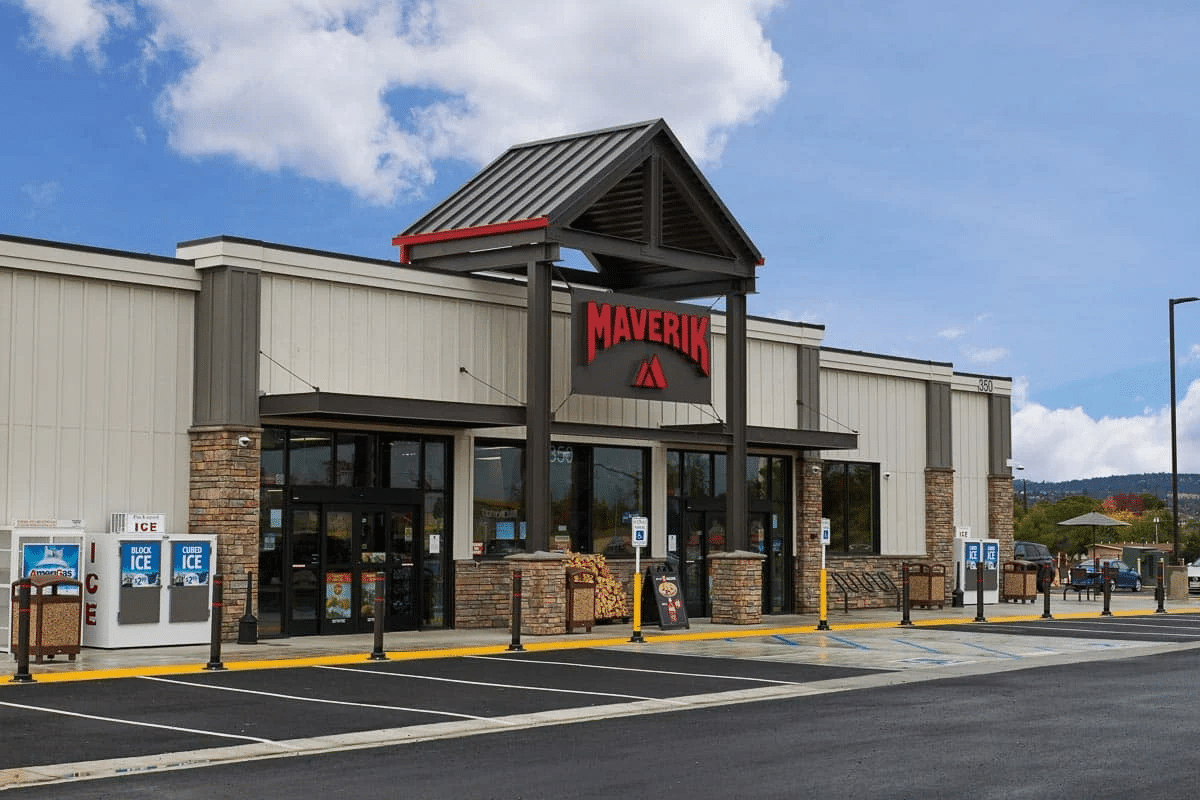
6 Gas Station Chains With Food So Good It’s Worth Driving Out Of Your Way For
We scoured the Internet to see what people had to say about gas station food. If you think the only things available are wrinkled hot dogs of indeterminate age and day-glow slushies, we’ve got great, tasty news for you. Whether it ends up being part of a regular routine or your only resource on a long car trip, we have the food info you need.
Let’s look at 6 gas stations that folks can’t get enough of and see what they have for you to eat.





