
Want to live to 100? Well, here’s some news that might make your pizza-loving heart skip a beat (and not in a good way). Longevity experts have identified five foods that could be seriously messing with your chances of joining the centenarian club. They’re calling them the “Poisonous Ps,” and honestly, you probably eat at least three of them regularly.
A meta-analysis found that eating one serving of processed red meat per day raises the risk of all-cause mortality by about 15%. The same study showed a similar increase in cardiovascular mortality.
Look, I’m not here to be the fun police. But when researchers consistently find that certain foods are linked to shorter lifespans, it’s worth paying attention. The good news? Small swaps can make a huge difference. Let’s get into what these experts are warning about and why your future 100-year-old self might thank you for listening.
Pizza

Pizza nights just got a lot more complicated. That cheesy, saucy slice of heaven hiding on your kitchen counter might actually be working against your longevity goals. Most commercial pizzas pack a triple threat of refined white flour crusts, processed cheese, and cured meats that spell trouble for your health.
Here’s the kicker: studies show that people who regularly eat processed foods (including our beloved pizza) face a higher risk of heart failure. That’s not exactly the kind of odds you want to bet your life on. The combination of high sodium, processed meats, and refined grains creates the perfect storm for obesity, high blood pressure, and heart disease. Plus, pizza is calorie-dense but nutritionally poor, meaning you’re getting lots of calories without the vitamins and minerals your body actually needs.
Pasta
Pasta lovers, brace yourselves. That bowl of creamy fettuccine alfredo might taste like a warm hug, but it’s giving your blood sugar levels whiplash. Refined pasta, made with white flour, causes rapid spikes in blood glucose and insulin, setting you up for insulin resistance and type 2 diabetes in the future.
High intake of refined grains increases your risk of developing type 2 diabetes. That’s a pretty steep price for those satisfying carbs. White pasta lacks fiber, protein, and healthy fats, which means your blood sugar goes on a wild ride, and you’re hungry again in no time. This cycle leads to overeating and chronic inflammation, neither of which is doing your longevity goals any favors.
Protein
Plot twist: you might be eating too much protein, particularly from animal sources. I know, I know, everyone’s obsessed with getting their protein, but hear me out. Consistently high intake of red and processed meats increases cancer risk, strains your kidneys, and can actually increase overall mortality rates.
The International Agency for Research on Cancer has classified processed meat as a Group 1 carcinogen. Translation? For every 50g of processed meat you eat daily, your colorectal cancer risk jumps by 17%. That’s roughly two strips of bacon or one hot dog. Excess animal protein also increases IGF-1 levels, a hormone associated with accelerated aging and certain types of cancer. Meanwhile, centenarians in Blue Zones obtain most of their protein from beans, rather than beef.
Potatoes

Before you panic, not all potatoes are villains here. It’s what we do to them that’s the problem. When potatoes get the deep-fryer treatment (hello, French fries and chips), they become loaded with acrylamide, unhealthy oils, and excessive sodium. This transformation turns a humble vegetable into a health hazard.
Research published in the American Journal of Clinical Nutrition found that eating fried potatoes two or more times a week doubled mortality risk compared to eating non-fried potatoes. Yikes. French fries and chips send your blood glucose and blood pressure through the roof, especially if you’re already dealing with prediabetes or hypertension. Acrylamide, formed when potatoes are fried at high temperatures, is recognized as a probable carcinogen and neurotoxin.
Pane (Bread)
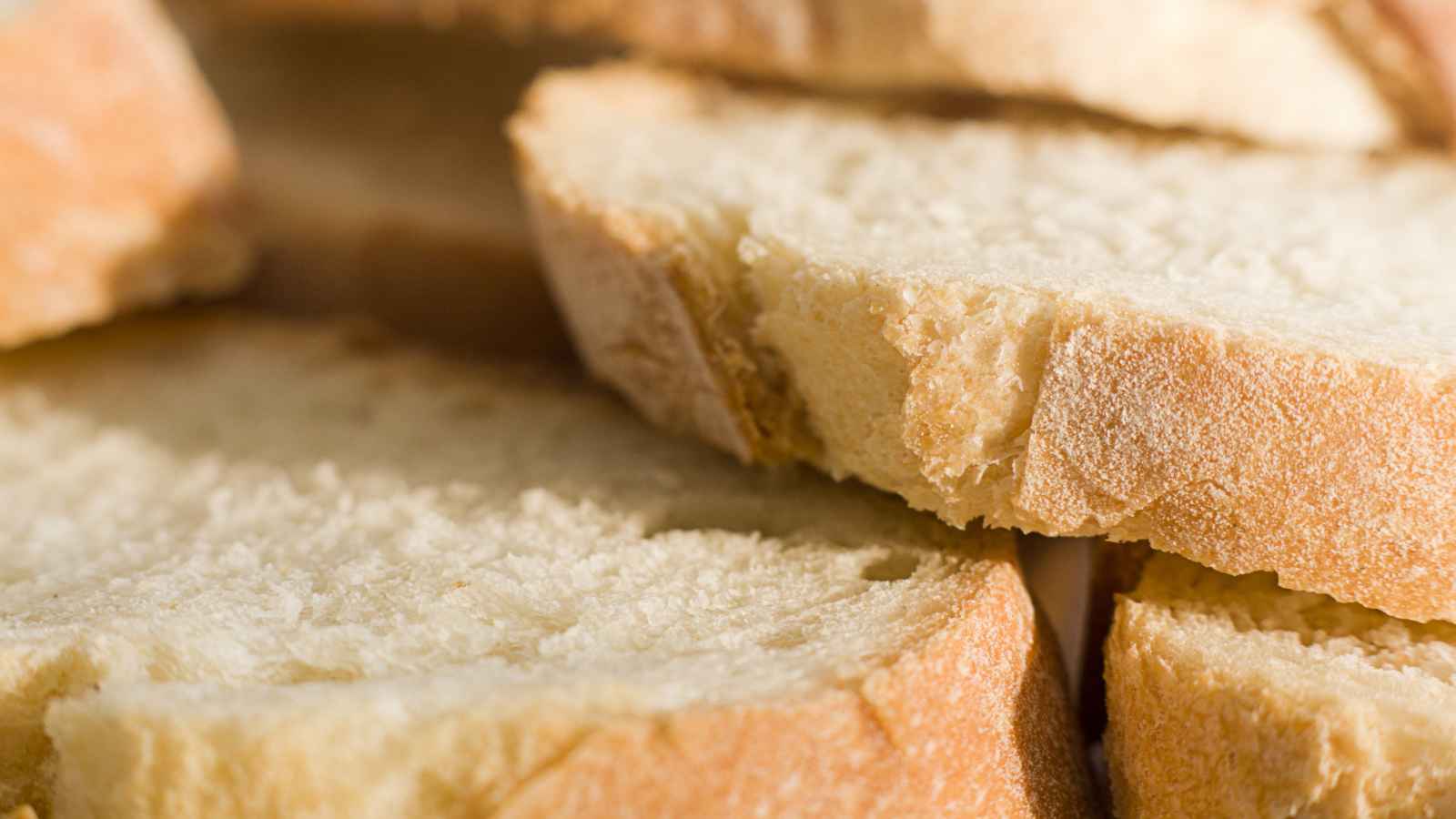
That soft, fluffy white bread might be perfect for sandwiches, but it’s not ideal for long-term storage. Refined white bread has been stripped of its fiber and nutrients, resulting in a rapid glucose surge that promotes weight gain and metabolic dysfunction. It’s basically sugar in disguise.
Several studies found that higher white bread intake was associated with an increased risk of developing type 2 diabetes. Ultra-processed breads are also loaded with additives and sodium, which can contribute to high blood pressure and cardiovascular problems. Approximately 70% of the daily sodium intake for U.S. adults comes from processed foods, with bread being a significant contributor.
The bigger picture: Why these foods made the “poisonous” list
Here’s the thing: these foods aren’t inherently deadly (despite the dramatic “poisonous” label). The real issue is that modern diets feature ultra-processed, refined versions of these foods, which are consumed in massive quantities. It’s not that pizza, pasta, or bread will kill you with one bite; it’s the cumulative effect of regularly eating highly processed versions.
Data from Blue Zones shows that people living to 100 and beyond focus on whole, minimally processed foods, including beans, greens, nuts, fruits, and whole grains. They’re not altogether avoiding carbs or never having a slice of pizza; they’re just making more intelligent choices most of the time. Studies confirm that diets high in ultra-processed foods increase mortality risk by 62% compared to diets with the least processed foods.
What longevity experts recommend instead
So what should you eat if you want to join the centenarian club? The answer might surprise you with its simplicity.
Plant-forward diets remain the foundation of nearly every longevity-focused eating plan. We’re talking vegetables, fruits, legumes, whole grains, nuts, and seeds. Individuals following primarily plant-based or Mediterranean-style diets tend to experience lower rates of chronic illness. By swapping processed foods for whole, nutrient-dense alternatives, they may add up to a decade to their life expectancy.
Healthy fats over saturated fats make a huge difference, too. Olive oil, nuts, seeds, avocados, and oily fish provide heart-healthy unsaturated fats that lower cholesterol and inflammation. Both are markers associated with an extended lifespan.
Smart swaps that actually work
You don’t have to give up everything you love. Here are some realistic swaps that can make a real difference:
Pizza: Choose thin whole-grain crusts with vegetable toppings and use cheese sparingly. Or better yet, make your own with cauliflower crust.
Save this article
Pasta: Replace refined pasta with whole-grain versions or opt for pasta made from legumes. These provide sustained energy, fiber, and essential nutrients.
Protein: Get most of your protein from plants like beans, lentils, nuts, and seeds. Think of meat as a side dish, not the star of your plate.
Potatoes: Bake or boil potatoes with their skin on instead of frying. You’ll keep the fiber and nutrients while avoiding harmful compounds.
Bread: Choose whole-grain or sourdough breads that offer fiber, vitamins, and prebiotic properties for better digestive and heart health.
The role of lifestyle beyond food
Food is just one piece of the puzzle for longevity. Time-restricted eating or intermittent fasting supports cell repair and lowers inflammation. Eating within a 10-to 12-hour window can improve metabolic health, particularly for individuals over 50.
Regular movement adds years to your life, too. Engaging in at least 150 minutes of exercise weekly, including activities such as walking, gardening, or dancing, reduces the risk of age-related decline. People over 40 who maintain active routines add up to five years to their lifespan compared to their most sedentary peers.
Don’t forget about the importance of quality sleep and effective stress management. Seven to eight hours of sleep per night, combined with effective stress reduction, can boost longevity by reducing inflammation and supporting immune health.
Evidence-backed foods to add to your plate

Want to know what foods are actually linked to longer, healthier lives? Here are the heavy hitters:
- Leafy greens (packed with calcium and vitamin K)
- Berries and colorful fruits (loaded with antioxidants)
- Yogurt and fermented foods (great for gut health with probiotics)
- Dark chocolate (mood-boosting antioxidants, in moderation)
- Fatty fish (omega-3s for brain and heart health)
- Legumes of all kinds (sustained energy, protein, and fiber)
Your takeaway: Small changes, significant impact
Look, I’m not suggesting you never eat pizza again (that would be cruel and unusual punishment). The key is making these foods occasional treats rather than dietary staples. Focus on whole, minimally processed foods most of the time, and save the “Poisonous Ps” for special occasions.
Remember, the people living in Blue Zones aren’t following strict diets or avoiding certain foods altogether. They primarily eat plants, stay active, manage stress, and enjoy meals with family and friends. It’s about creating sustainable habits that support long-term health, not perfect eating.
Your future centenarian self is counting on the choices you make today. Make them count, but don’t forget actually to enjoy the journey. After all, what’s the point of living to 100 if you’re miserable the whole way there?
Disclaimer – This list is solely the author’s opinion based on research and publicly available information. It is not intended to be professional advice.
How Total Beginners Are Building Wealth Fast in 2025—No Experience Needed

How Total Beginners Are Building Wealth Fast in 2025
I used to think investing was something you did after you were already rich. Like, you needed $10,000 in a suit pocket and a guy named Chad at some fancy firm who knew how to “diversify your portfolio.” Meanwhile, I was just trying to figure out how to stretch $43 to payday.
But a lot has changed. And fast. In 2025, building wealth doesn’t require a finance degree—or even a lot of money. The tools are simpler. The entry points are lower. And believe it or not, total beginners are stacking wins just by starting small and staying consistent.
Click here, and let’s break down how.
16 Grocery Staples to Stock Up On Before Prices Spike Again
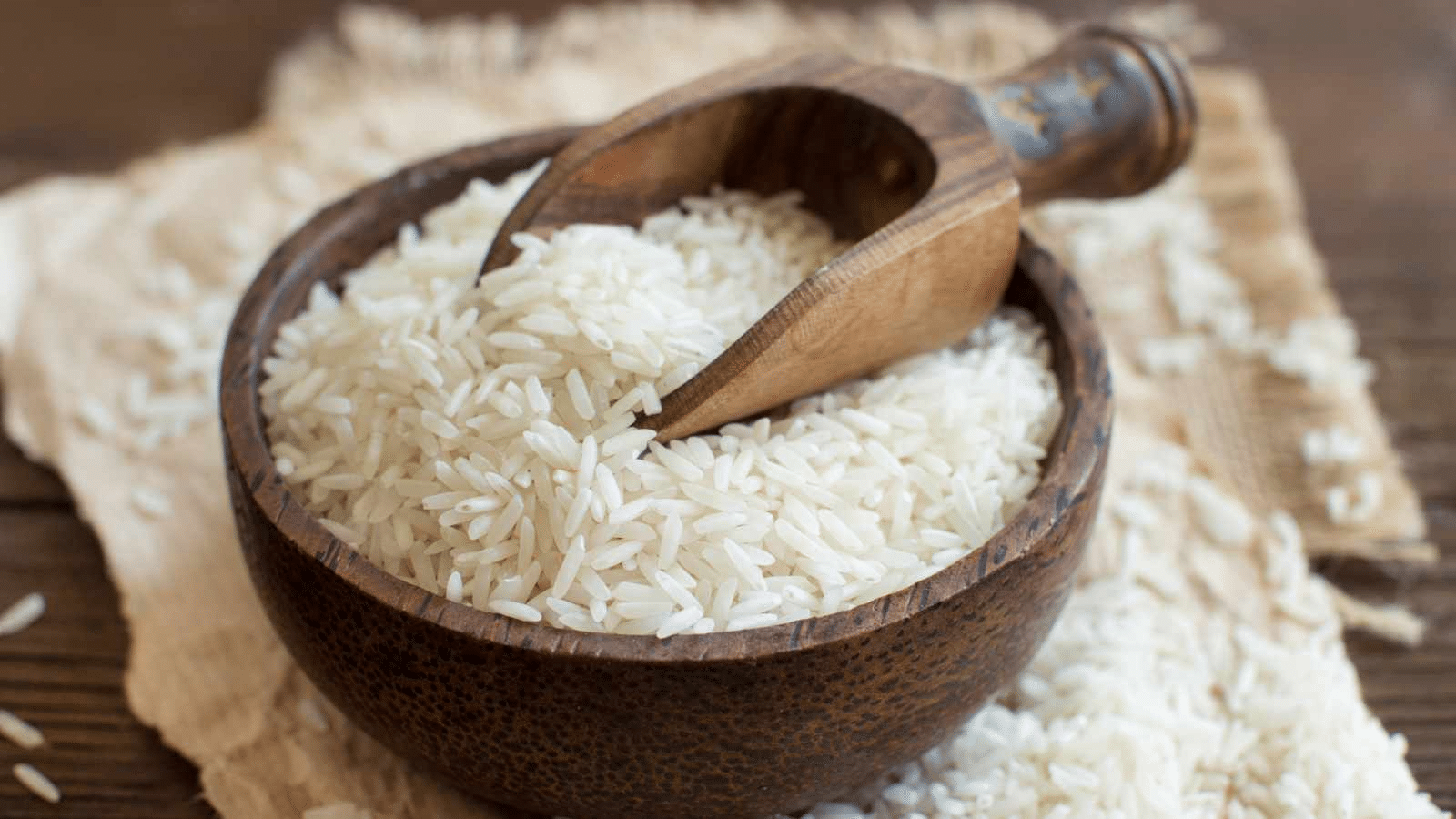
16 Grocery Staples to Stock Up On Before Prices Spike Again
I was in the grocery store the other day, and it hit me—I’m buying the same things I always do, but my bill keeps getting higher. Like, I swear I just blinked, and suddenly eggs are a luxury item. What’s going on?
Inflation, supply-chain delays, and erratic weather conditions have modestly (or, let’s face it, dramatically) pushed the prices of staples ever higher. The USDA reports that food prices climbed an additional 2.9% year over year in May 2025—and that’s after the inflation storm of 2022–2023.
So, if you’ve got room in a pantry, freezer, or even a couple of extra shelves, now might be a good moment to stock up on these staple groceries—before the prices rise later.





