

Plastic waste and carbon emissions are driving a silent ocean crisis that’s killing the very species keeping our planet alive.
That daily coffee cup, plastic grocery bag, or long commute feels pretty disconnected from the deep blue sea. It’s easy to live our lives on land without thinking about the massive ocean ecosystem that supports us. However, the truth is that our everyday habits are having a direct and devastating impact on the creatures that call that water home.
It’s a powerful one-two punch of pollution. The plastic we throw away chokes and entangles marine life, while the carbon dioxide from our cars and power plants makes the ocean more acidic. This combination is pushing many of our planet’s most incredible animals to the brink. They are facing a crisis, and it’s happening on our watch.
Sea Lions And Seals

If you’ve ever watched a sea lion, you know they are incredibly curious and playful. Unfortunately, this curiosity is what gets them into so much trouble with our plastic trash. They playfully poke their heads through plastic rings, bands, and loops of fishing line, getting them stuck around their necks.
As the animal grows, the plastic doesn’t. It cuts deeper and deeper, causing horrific infections, strangulation, or starvation. Discarded fishing gear, also known as “ghost gear,” is the deadliest culprit, accounting for a large percentage of all floating macroplastics in the ocean’s garbage patches. Our carelessness is maiming these animals.
Sea Turtles

These ancient mariners have a terrible time telling plastic from prey. A floating plastic bag resembles a jellyfish, which is a favorite food source for species like the Leatherback. Once they eat that plastic, it can block their digestive system and lead to a slow, painful starvation. They are also frequent victims of “ghost gear,” which refers to old fishing nets left adrift.
Turtles get tangled in these nets and lines, preventing them from surfacing for air, and many drown. The odds are truly stacked against them in the modern ocean. A study by Australian scientists (CSIRO) found that a turtle has a 22 percent chance of dying if it eats just one piece of plastic. It’s a heartbreaking statistic for such a beloved animal.
Coral Reefs
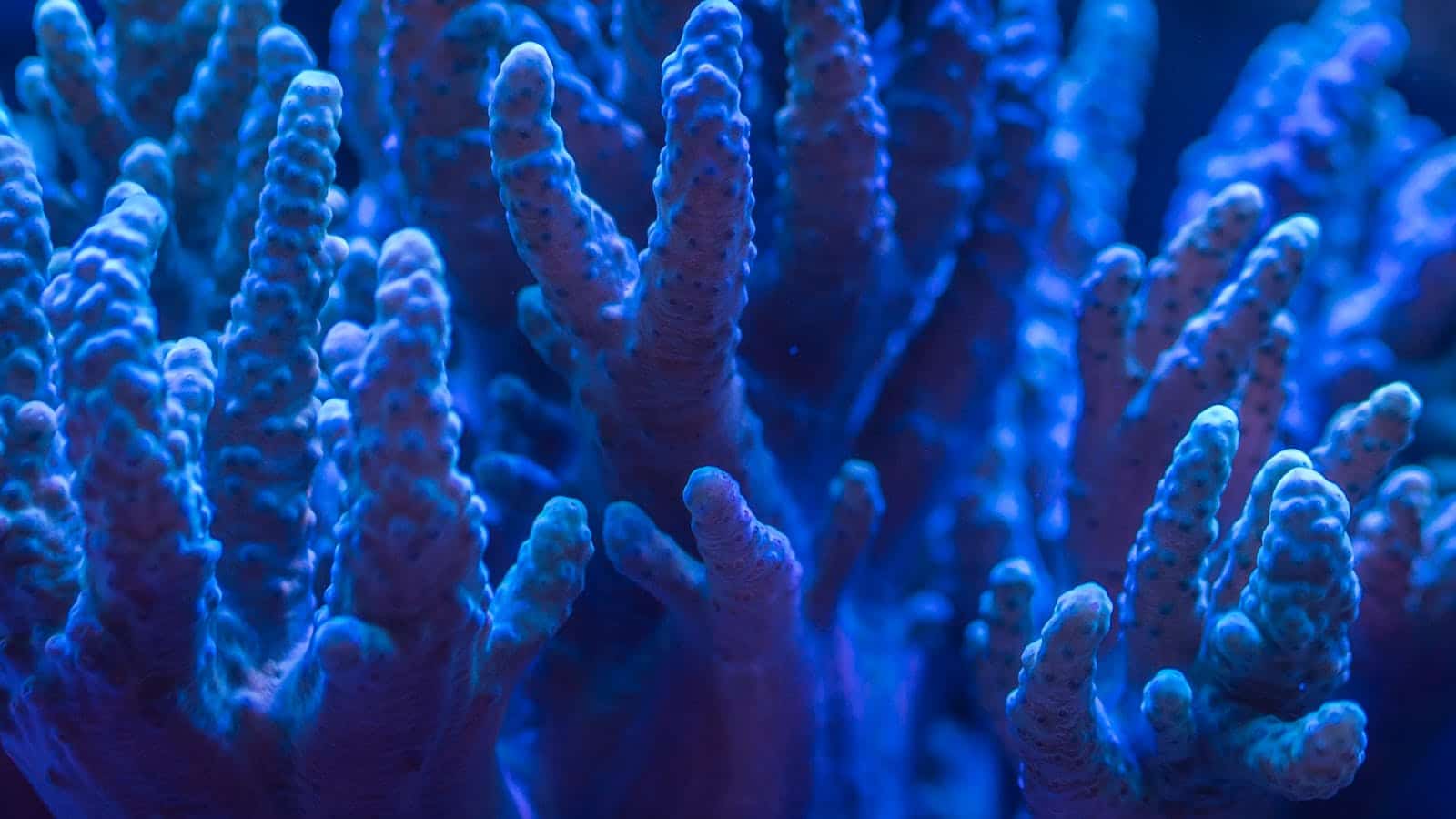
Coral reefs aren’t animals, but they are living structures that support thousands of other animal species. Think of them as the bustling cities of the sea, and right now, those cities are dissolving. The ocean has absorbed so much CO2 that its fundamental chemistry is undergoing significant changes. This process, ocean acidification, makes the water corrosive.
It’s like trying to build a house while someone splashes acid on the foundation. Since the Industrial Revolution began, the pH of surface ocean waters has decreased, representing an approximate 30 percent increase in acidity, according to NOAA. This acidic water, combined with rising temperatures, causes “coral bleaching,” turning vibrant reefs into sterile, white graveyards.
Whales

For the largest animals on Earth, the smallest plastics pose the biggest threat. Baleen whales, like the Blue Whale and Humpback whale, are filter feeders. They gulp massive amounts of water to catch tiny krill, but now they are also swallowing a soup of microplastics. These tiny particles accumulate in their bodies, leaching chemicals.
Plastic waste is becoming so widespread that it’s altering the very composition of the ocean. Researchers have predicted that by 2050, there could be more plastic in the sea by weight than fish. For an animal that lives its entire life in that water, there is simply no escape from the pollution we create.
Pteropods (Sea Butterflies)

You’ve probably never heard of a pteropod, but you should. These tiny, floating snails, known as “sea butterflies,” serve as a critical food source for a wide range of organisms, including krill, salmon, and whales. They are, quite literally, the potato chips of the sea, feeding countless other animals. They are also one of the first victims of our carbon footprint.
Pteropods have delicate shells made of calcium carbonate. As the ocean becomes more acidic, these fragile shells are literally dissolving. Scientists have observed pteropods in acidic waters with pitted, dissolving shells, struggling to survive. When the bottom of the food web collapses, the entire system goes with it.
Oysters And Clams
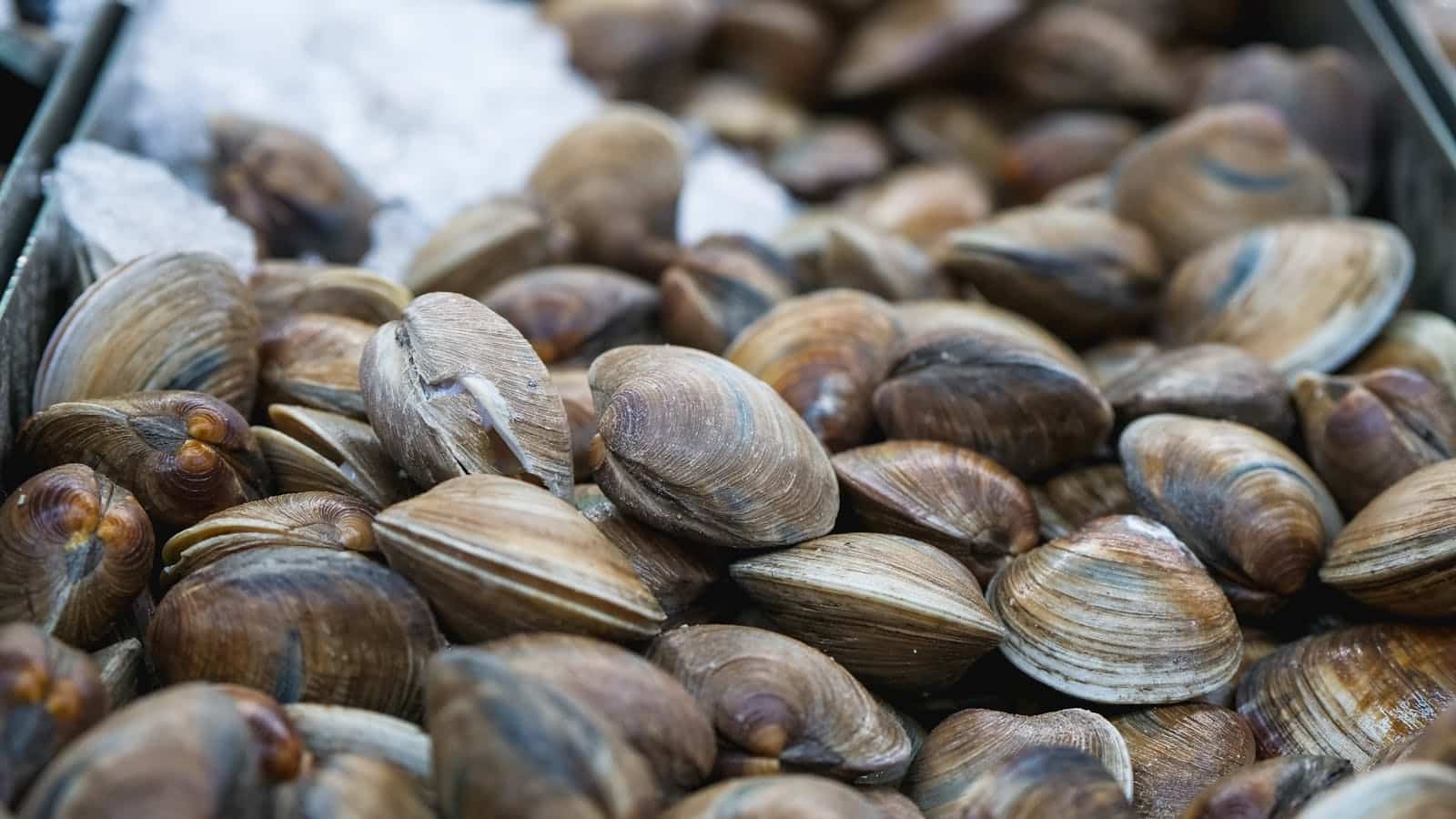
Your favorite seafood appetizers are struggling to survive what scientists call “osteoporosis of the sea.” Like corals, shellfish such as oysters, clams, and mussels require carbonate ions from the water to construct their protective shells. But as ocean acidification worsens, those building blocks become scarce, and the water becomes corrosive.
Their shells become thinner, more brittle, and weaker, making them vulnerable to predators. According to the Smithsonian, mussels and oysters are expected to grow less shell, by 25 percent and 10 percent, respectively, by the end of the century. This poses a significant threat to the entire shellfish industry and the livelihoods that depend on it.
Atlantic Puffins
Save this article
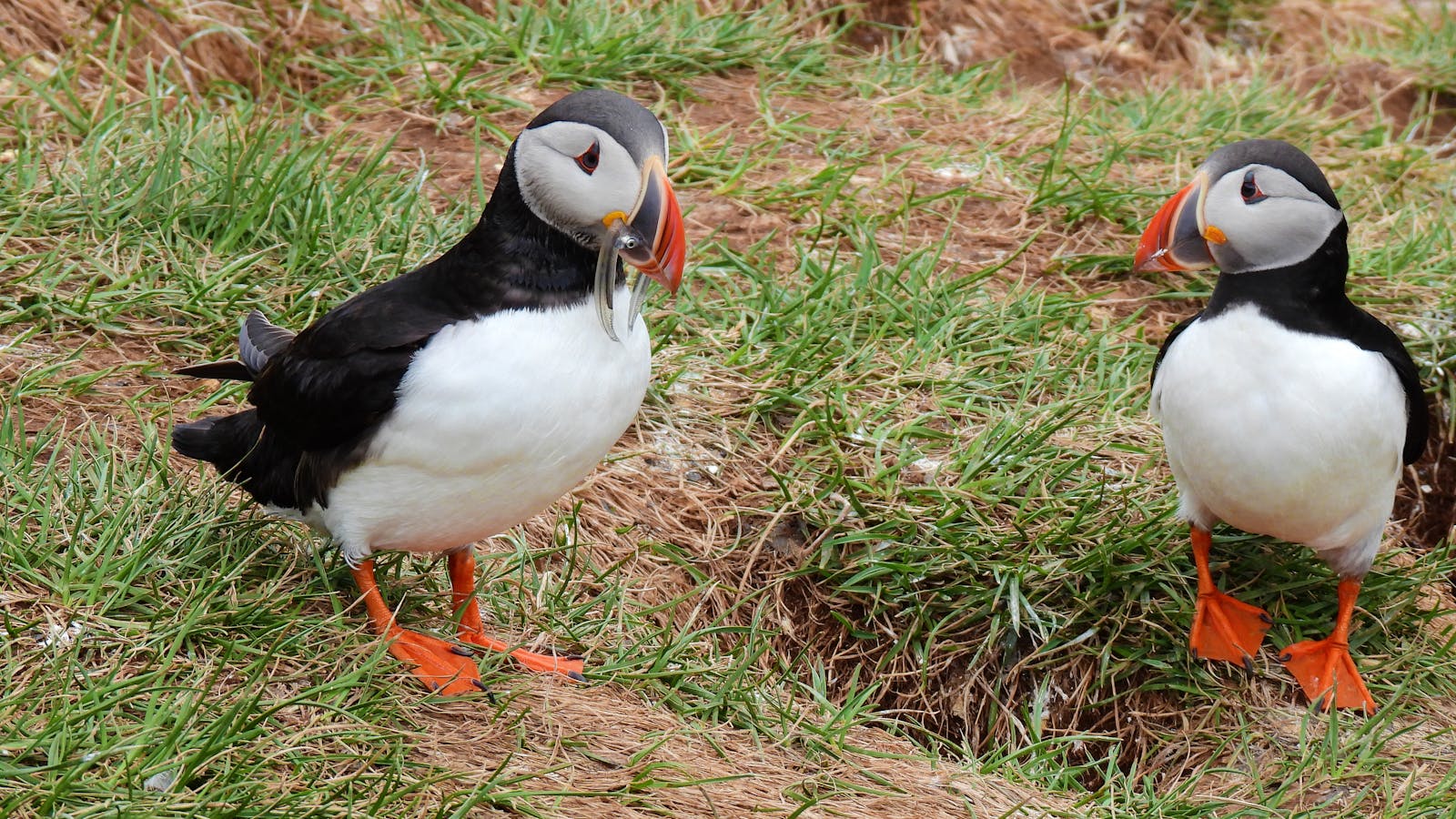
These colorful, comical birds are in serious trouble because of a warming ocean. Puffins rely almost exclusively on small, fatty fish like sand eels to feed their chicks, called pufflings. However, as sea temperatures rise, these critical prey fish are moving farther north in search of calmer waters.
This means puffin parents have to fly much farther from their burrows to find food. They often return exhausted with only a few, less nutritious fish, and their chicks starve in the nest. It’s a climate change story playing out right now, with whole colonies failing to raise a single chick.
Dolphins

Just like their larger whale cousins, dolphins are paying a high price for our plastic habit. Dolphins are intelligent, but they can’t always distinguish a plastic wrapper from a fish in murky water. They are frequently found washed ashore with stomachs full of plastic bags, bottle caps, and other debris.
This plastic can cause internal injuries and blockages, leading to a painful death. Even if the plastic doesn’t kill them directly, it fills their stomachs, tricking them into thinking they are full. This leads to malnutrition, making them weaker and more vulnerable to disease or predators.
Crabs And Lobsters
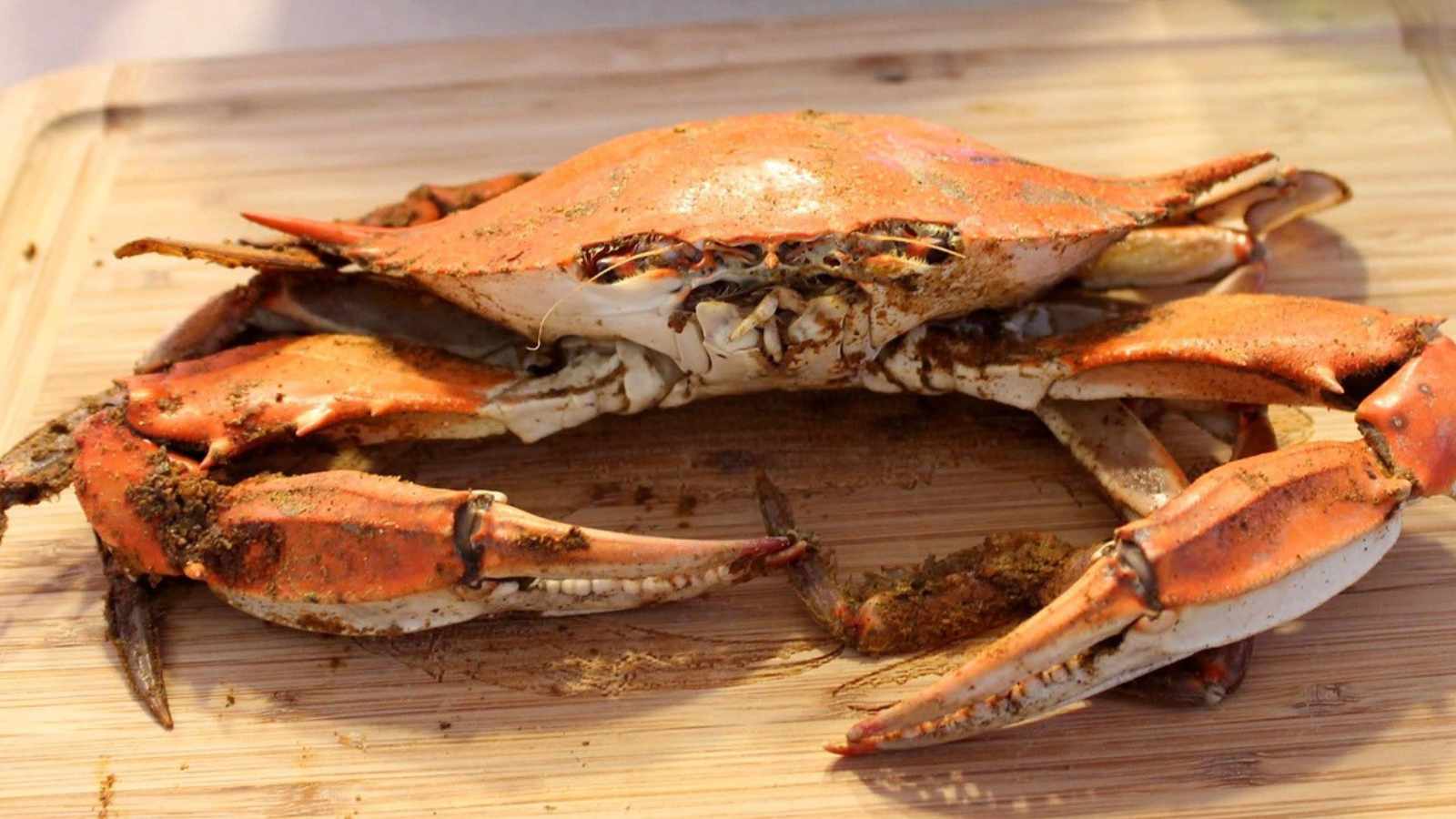
It’s not just their shells that are in trouble; it’s their sense of smell. Crabs and lobsters rely on chemical signals in the water to find food, avoid predators, and locate mates. Ocean acidification is scrambling these signals, effectively blinding their sense of smell.
Imagine trying to find dinner while your nose is plugged. These animals are left confused and vulnerable, struggling to perform their most basic functions. Furthermore, hundreds of thousands get trapped in “ghost pots,” or derelict crab and lobster traps, that sit on the ocean floor and continue to capture animals for years.
Manatees

These gentle giants, Florida’s beloved “sea cows,” are threatened on two fronts. As they graze on seagrass, they easily become entangled in discarded fishing lines and nets. These lines wrap around their flippers or tails, leading to deep cuts, infections, and slow, agonizing amputations.
At the same time, our carbon footprint is killing their food source. Climate change is fueling more intense algae blooms that block sunlight, killing the seagrass beds on which manatees depend. This has led to massive starvation events, with hundreds of manatees dying from hunger in a single season.
Seabirds (Like The Albatross)

The Laysan Albatross is a tragic poster child for plastic pollution. These magnificent birds skim the ocean surface for food, snatching up what appear to be fish eggs or squid. In reality, they are swallowing millions of bottle caps, cigarette lighters, and plastic fragments.
Worse, they bring this plastic back to their nests on remote islands and feed it to their chicks. The chicks’ stomachs fill with indigestible plastic, leaving no room for food, and they starve to death. ACAP research predicts that plastic ingestion rates are increasing so rapidly that they will reach 99 percent of all seabird species by 2050.
Sharks

Even the ocean’s apex predators are not safe from our waste. While sharks are less likely to eat plastic directly, they suffer from entanglement in ghost gear. Reports of sharks tangled in fishing nets and plastic strapping are heartbreakingly common, restricting their ability to swim and hunt.
They also suffer from “biomagnification.” Microplastics absorb toxins, which are eaten by small fish, which are eaten by bigger fish, which are then eaten by sharks. These toxins concentrate at the top of the food chain, accumulating in the sharks’ bodies and affecting their health and reproductive ability.
Disclaimer – This list is solely the author’s opinion based on research and publicly available information. It is not intended to be professional advice.
Like our content? Be sure to follow us.
How Total Beginners Are Building Wealth Fast in 2025—No Experience Needed

How Total Beginners Are Building Wealth Fast in 2025
I used to think investing was something you did after you were already rich. Like, you needed $10,000 in a suit pocket and a guy named Chad at some fancy firm who knew how to “diversify your portfolio.” Meanwhile, I was just trying to figure out how to stretch $43 to payday.
But a lot has changed. And fast. In 2025, building wealth doesn’t require a finance degree—or even a lot of money. The tools are simpler. The entry points are lower. And believe it or not, total beginners are stacking wins just by starting small and staying consistent.
Click here and let’s break down how.





