

With more than 53 million Americans living with arthritis, emerging research points to nutrient balance—not protein source alone—as the real driver of bone and joint health.
CDC estimates from 2019–2021 show about 21.2% of US adults (around 53.2 million people) report a doctor’s diagnosis of some form of arthritis (including osteoarthritis, rheumatoid arthritis, gout, lupus, etc.). Osteoarthritis (OA) is the most common joint disorder in the US (over 32.5 million US adults live with it), mainly affecting knees, hips, hands, and spine.
Animal and plant proteins both play important roles in bone and joint health, but they support the body in different ways. The real differentiating factor isn’t the source—it’s whether you’re getting enough total protein, along with nutrients like calcium, vitamin D, magnesium, omega-3s, and antioxidants.
So the answer isn’t as simple as “team plants” vs “team steak.”
Protein and Bone Health
Research consistently shows that higher protein intake supports bone strength. Multiple reviews link it to slightly higher bone mineral density (BMD) and lower hip-fracture risk, as long as calcium and vitamin D intake is adequate. Some studies show a 16% lower hip-fracture risk for those eating more protein, while large datasets (using data from the 2011–2018 National Health and Nutrition Examination Survey) suggest a 1.8–6% higher BMD at major sites like the hip and spine.
Protein helps bones in several ways. It stimulates insulin-like growth factor-1 (IGF-1), preserves muscle mass, improves calcium absorption, and reduces fall risk. Concerns that high protein leaches calcium are mostly outdated; balanced diets with enough fruits and vegetables offset any acid load.
Animal vs Plant Protein for Bones
When it comes to bone density, high-quality plant protein, especially soy, performs surprisingly well. A meta-analysis in peri- and postmenopausal women found no meaningful difference between soy and animal protein for spine, hip, or whole-body BMD. Gram-for-gram, soy can be just as supportive as animal protein when calcium and vitamin D are adequate.
That said, real-world diets show some nuances. Observational studies find that people who get most of their protein from plants sometimes have slightly lower BMD. Experts stress this is usually due to lower calcium, vitamin D, or total protein, not the plant protein itself. NHANES data also suggest that meeting daily protein thresholds matters more than source—for women, roughly 62 grams per day may optimize bone density, depending on size, age, and ethnicity.
Plant-Based Diets and Fracture Risk
Population studies show that vegans—and to a lesser extent vegetarians—can have higher fracture risk, particularly for hip fractures. The EPIC-Oxford study found vegans had more than double the hip-fracture risk compared to meat-eaters (roughly 15–20 extra fractures per 1,000 people over 10 years).
A 2025 meta-analysis of over 500,000 participants estimated 2 extra hip fractures per 1,000 vegetarians and 8 extra per 1,000 vegans compared with meat-eaters.
However, when researchers adjust for BMI, calcium, and protein, the risk largely disappears. It’s not the plants causing fractures—it’s low body weight and nutrient gaps. Well-planned plant-based diets that meet calcium, vitamin D, and protein targets are safe for bones, even in postmenopausal women.
Vegetarian and Vegan Diets: Bone Considerations
Vegetarians tend to have slightly lower BMD, and vegans slightly lower still, but differences are mainly linked to lower intakes of calcium, vitamin D, and protein. Plant-based diets offer nutrients that help bones indirectly, such as vitamin C, magnesium, potassium, and antioxidants.
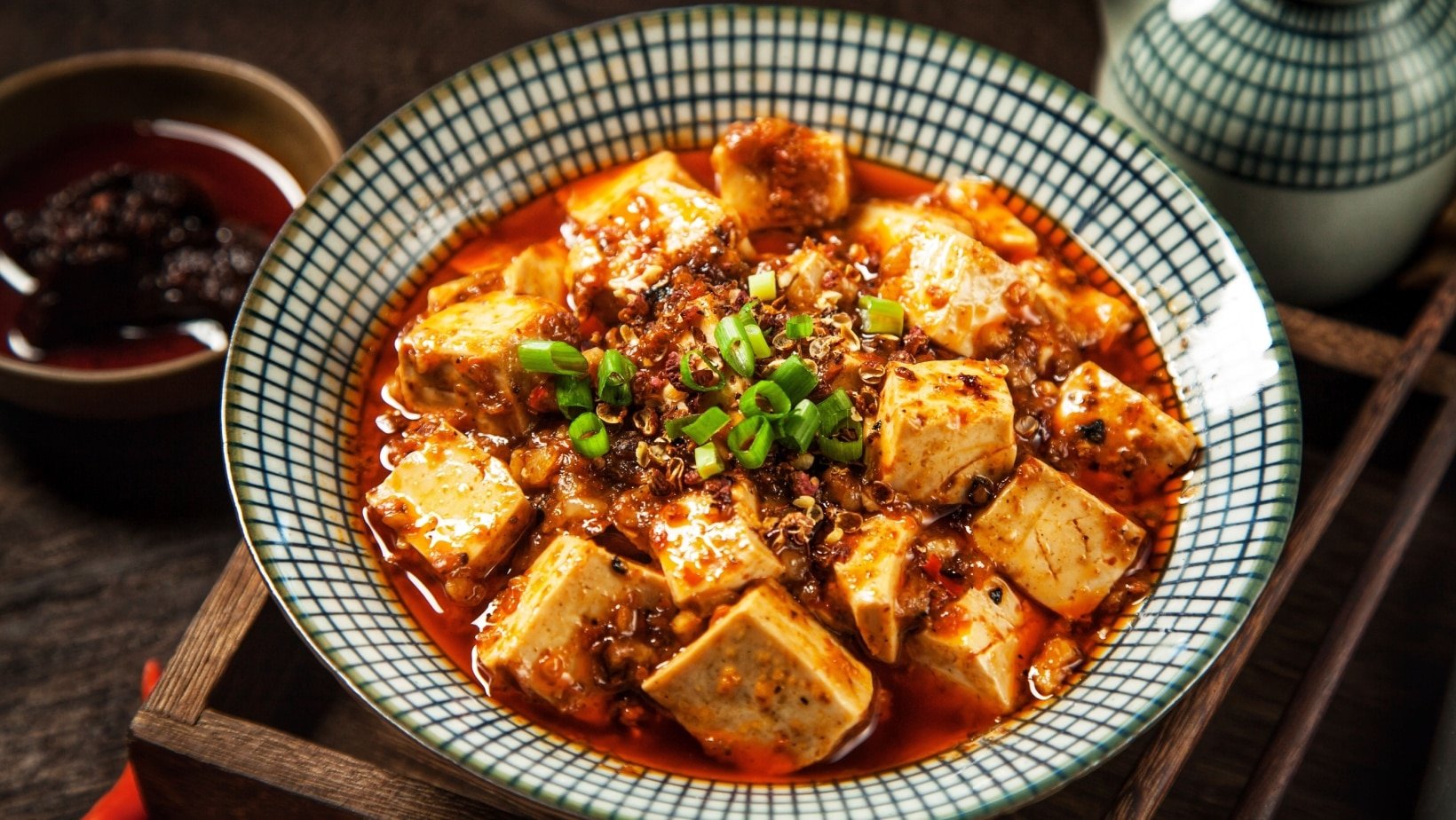
Soy foods like tofu, tempeh, and edamame are standout plant proteins because they provide complete amino acids and isoflavones that may modestly support bone formation. Still, calcium and vitamin D remain central to maintaining strong bones. Plant-based eaters should ensure they’re meeting needs for B12, iodine, and protein quality via a combination of legumes, grains, soy, nuts, and seeds.
Joints, Inflammation, and Arthritis
Plant-forward diets shine for joint health, especially in rheumatoid arthritis (RA). Trials show low-fat, plant-based diets reduce pain, stiffness, swelling, and disease activity, sometimes within weeks. Benefits come from fiber, antioxidants, and polyphenols, which support gut health, reduce systemic inflammation, and lower CRP levels.
For osteoarthritis, evidence is smaller but promising. Mediterranean-style or plant-rich diets may modestly reduce pain and improve function, partly through weight reduction and decreased inflammation. Diets high in processed meat and saturated fat often have the opposite effect, worsening inflammation and joint pain.
Animal vs Plant Protein: The Nutrient Package
Save this article
The biggest differences aren’t the protein itself—they’re the nutrients that come with it. Animal proteins provide complete amino acids, calcium, vitamin D, B12, iodine, and bioavailable zinc—all key for bone health. Plant proteins offer fiber, magnesium, potassium, antioxidants, and phytonutrients that reduce inflammation and protect joints.
For bones, adequate protein plus calcium and vitamin D is most important. For joints, especially with inflammatory arthritis, plant-forward diets have a clear edge. The most balanced approach is a mix: enough total protein from both sources, alongside plenty of anti-inflammatory plant foods.
Practical Tips
- Bones: Prioritize enough total protein (animal or plant), calcium, and vitamin D.
- Joints: Emphasize plant-forward, anti-inflammatory foods like fruits, vegetables, legumes, nuts, seeds, and whole grains.
- Plant-focused eaters: Make sure to get fortified plant milks, calcium-set tofu, B12, iodine, and varied plant proteins.
A balanced diet covering these nutrients supports strong bones, preserves muscle, and reduces joint inflammation.
Bottom Line
Bones thrive on protein, calcium, and vitamin D, whether from animal or plant sources. Joints thrive on anti-inflammatory plant foods. Combine them wisely, and you can maintain both bone strength and joint comfort well into midlife and beyond.
More articles:
- 10 antioxidant-rich foods that support immune defense
- Why yogurt and fruit may be one of the smartest snacks for long-term health & decreasing belly fat
- 12 reasons carrot juice should be part of your daily routine
Disclosure: This article was developed with the assistance of AI and was subsequently reviewed, revised, and approved by our editorial team.
Like our content? Follow us on Newsbreak.
Common spices linked to colon cancer prevention

In the quiet routine of seasoning a meal, you may be adding small, powerful defenses against one of the most common cancers.
Your spice rack might actually be hiding some powerful health benefits. It turns out that a handful of common pantry staples pack a serious punch against serious illnesses. Medical researchers are looking closely at how everyday seasonings can fight back against cellular damage in the digestive tract. Learn more.
12 ways extreme heat can change the way your body handles coffee

In places where the air no longer cools after sunset, even something as routine as coffee can feel like a different choice.
Your morning cup is still part of many people’s daily rhythm, but in hotter regions, extreme heat can change how the body responds to it. Across parts of the American Southwest, sustained high temperatures and longer heat waves have made hydration and heat stress more important factors in everyday habits. Learn more.
The key to better sleep and steady energy might come down to one mineral missing in your diet

Most people focus on getting more energy during the day and better sleep at night, but one key nutrient plays a role in both.
Magnesium supports muscle function, nerve signaling, and sleep regulation, yet many people don’t get enough of it through their daily diet. Health experts note that even mild deficiencies can affect rest, recovery, and overall well-being. Learn more.





