The American Community Life Survey conducted by the Survey Center on American Life shows that proximity to local amenities like parks, cafés, and libraries significantly boosts trust, safety, and feelings of community connection. Americans with regular “third places” (spots they visit outside home and work) are more likely to feel welcome, trust neighbors, and believe their communities will improve.
Have you ever stepped outside, looked around, and thought, “Wow… this street feels different than it used to?” I catch myself noticing little shifts, too, like how people rush past each other without making eye contact anymore. It’s not that the world suddenly turned cold, but something about our shared spaces feels a bit tense, a bit tired.
Lack of greenery makes everything feel harsher

A block without trees always feels hotter, louder, and more stressful. That small bit of shade changes how long people linger or how relaxed they feel. When greenery disappears, a sense of harshness takes its place almost immediately.
Public spaces keep shrinking

Cities have been quietly carving away at public gathering areas, and you can feel it as soon as you try to find a place to sit that isn’t part of a restaurant. According to the Trust for Public Land, nearly one in three Americans, including 28 million children, lack access to a quality park near their homes.
That creates a sense of “move along, don’t linger,” even when we’re just trying to catch our breath. And honestly, it’s hard to feel welcome when the only open space available requires buying something. It’s subtle, but it sets the tone the moment you step outside.
Noise levels are rising everywhere

Our streets are getting louder thanks to construction, traffic, delivery engines, and general city churn. It’s not just annoying; chronic noise leads to higher stress and even heart issues.
Ever try to have a peaceful moment outside while a motorcycle tears past you? It’s nearly impossible to feel welcome when your senses are constantly on guard.
Also on MSN: 13 reasons people say America isn’t what it used to be
Cars dominate almost every corner
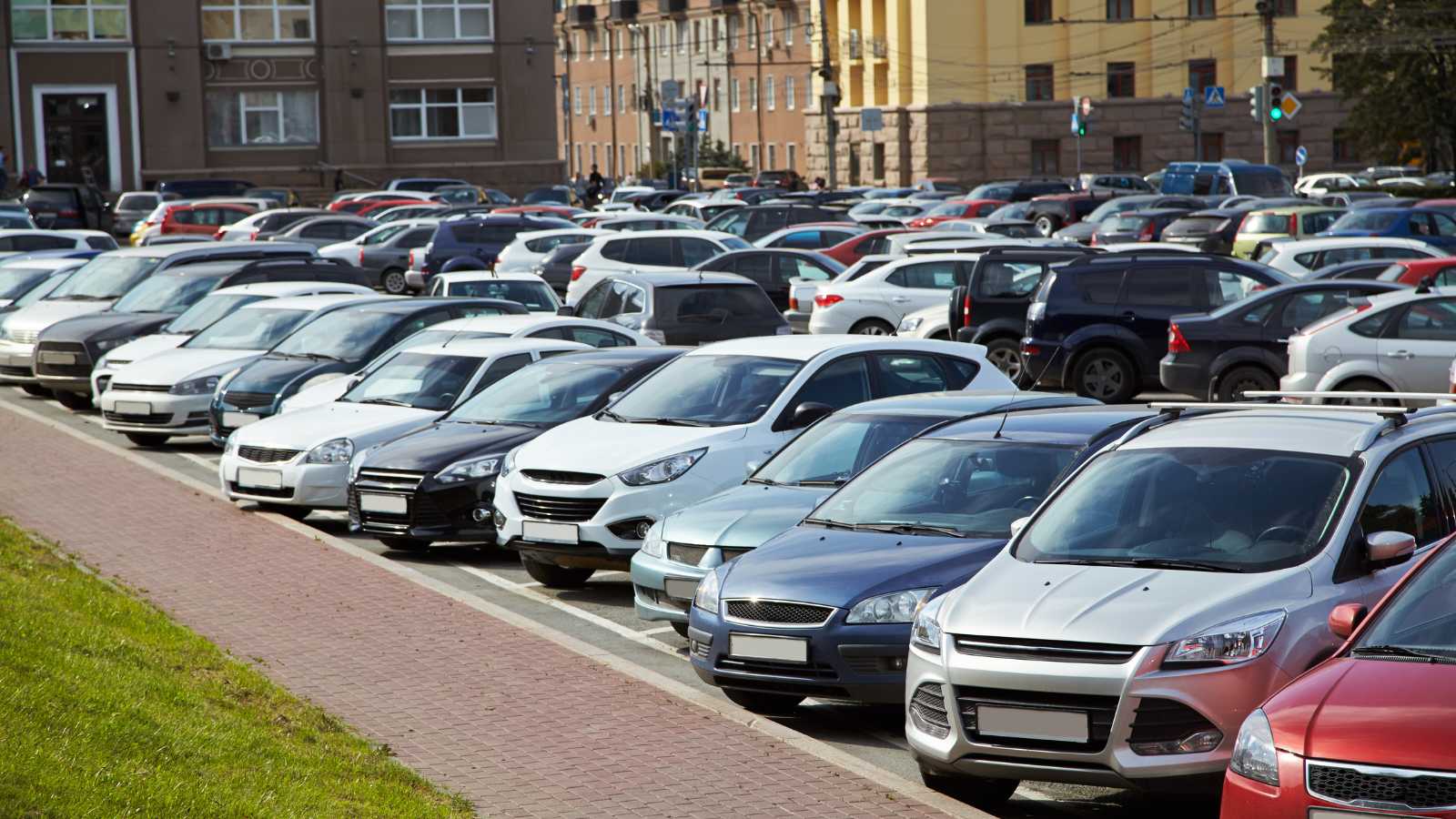
So many streets feel designed more for cars than people, and it really shows in how fast everything moves around us. Pedestrian fatalities have climbed for years, reaching more than 7,500 deaths in 2022, according to the CDC.
When every crossing feels like a hazard, people naturally retreat from walking altogether.
Lighting can be patchy or outdated

A dimly lit street can feel spooky even when absolutely nothing is happening. Some cities still use outdated lighting systems that leave long stretches of sidewalk in the dark.
People naturally avoid those spots, which makes them feel even emptier. And when fewer people walk through, the whole loop reinforces itself. Good lighting actually sends a message: “You’re meant to be here.”
Gig-era delivery traffic clutters sidewalks
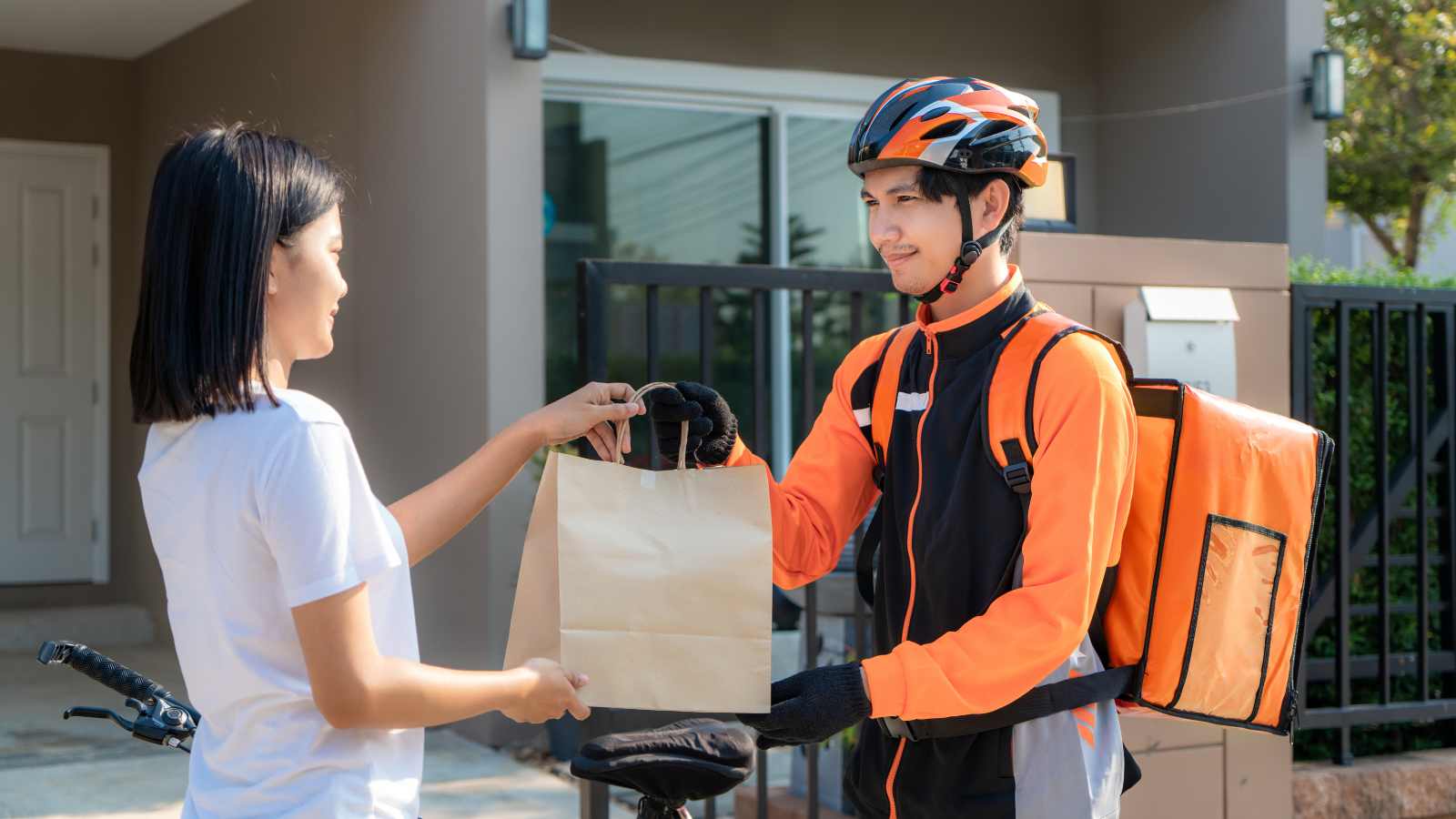
With delivery services booming, many streets host a constant stream of bikes, scooters, vans, and couriers stopping suddenly. The typical American city wasn’t designed for this level of curb activity.
Sometimes you see three delivery drivers trying to occupy the same patch of pavement, and everyone else is squeezed to the side. It creates a kind of organized chaos that never feels fully settled. It’s convenient, sure, but it changes the feel of the street.
Sidewalks are often cracked, narrow, or missing
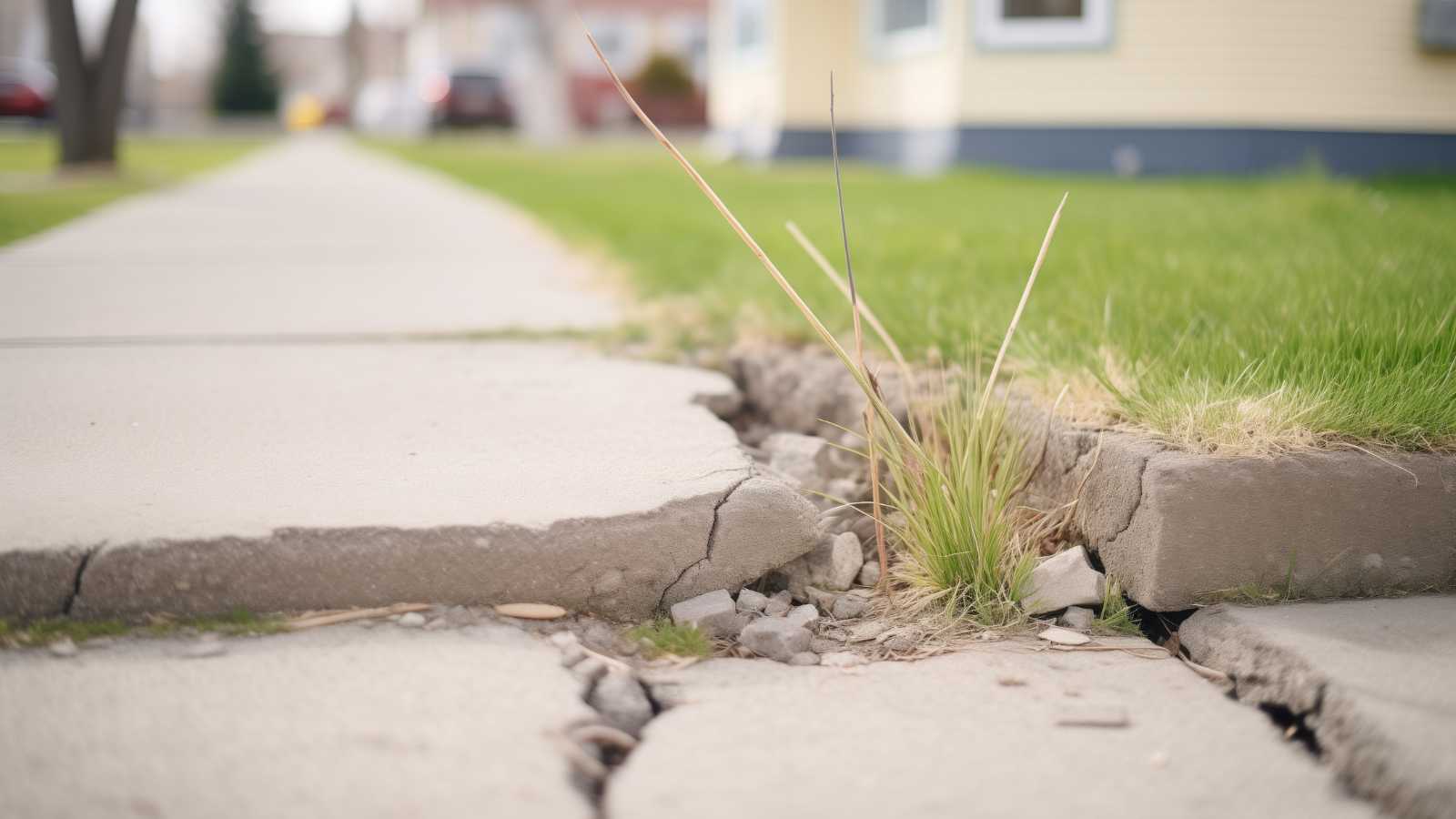
It’s tough to enjoy a stroll when you’re dodging holes or stepping into the road because the sidewalk just ends. For example, in Houston, about 40% of sidewalks are rated fair or poor. That’s a lot of lifted concrete and awkward edges.
And if you use a stroller, walker, or wheelchair, it becomes an obstacle course that drains the joy right out of going outside. When the path itself feels broken, the whole environment does too.
Public transit feels less reliable and less safe

Save this article
When buses ghost you or trains get delayed again, frustration builds fast. Public transit ridership dropped sharply during the pandemic and hasn’t fully recovered, leaving many systems underfunded.
A few high-profile incidents also shaped public perception of safety. Even if your ride is perfectly uneventful, the stories alone can create an undercurrent of unease. Streets connected to inconsistent transit just feel harder to trust.
More stores have closed, leaving “dead zones”
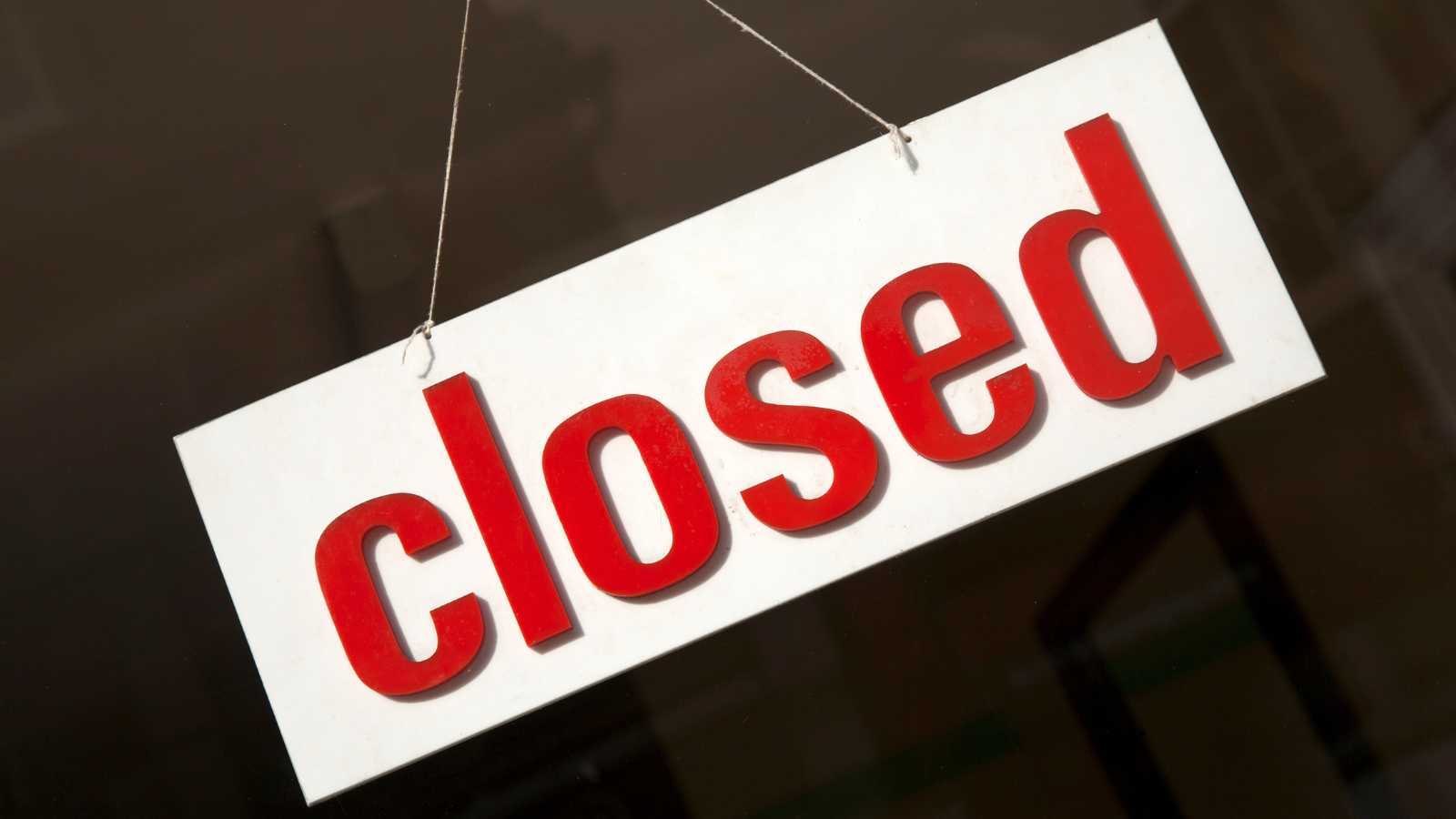
Walk down almost any commercial strip, and you’ll see dark windows and “for lease” signs staring back. The U.S. lost thousands of retail stores over the last few years, and some areas never recovered.
Empty storefronts create a sense of abandonment that makes people uneasy, even without realizing why. We’re wired to look for activity, and when it disappears, the vibe shifts completely.
Homelessness is more visible, but support systems haven’t kept up
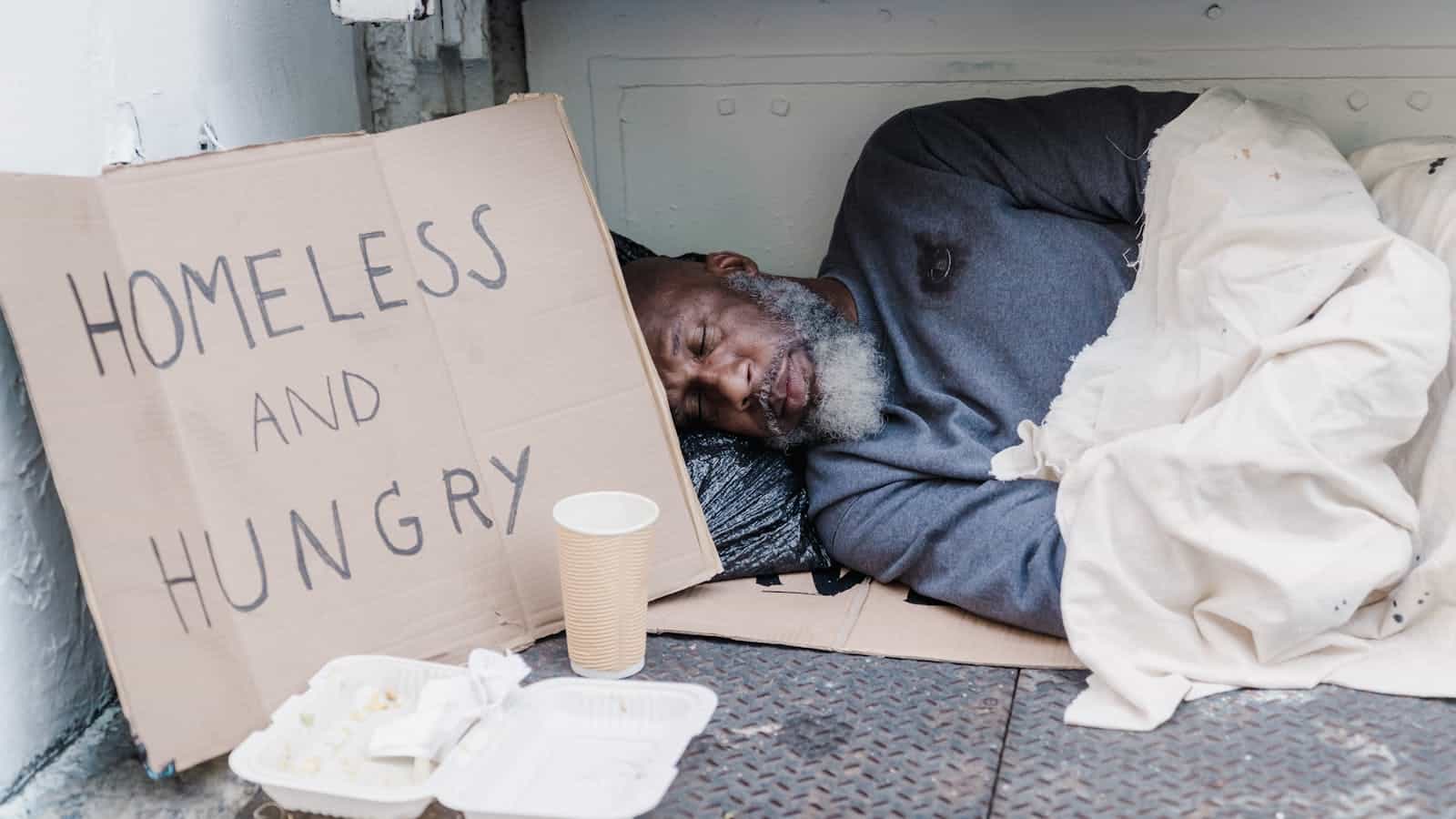
America’s homelessness crisis has grown, with over 650,000 people recorded as unhoused in 2023. Many cities lack the shelter space, mental health resources, and long-term housing options needed to meet the demand. This leaves vulnerable people in public spaces that aren’t designed to support them.
It’s heartbreaking, and it also creates tension on streets where no one’s needs are truly being met. The strain shows up in the atmosphere before you even put your finger on it.
Street harassment still happens way too often

A lot of people—especially women, LGBTQ+ folks, and young people—learn to walk with a kind of invisible shield. Even when nothing happens on a given day, the anticipation shapes how safe or welcome you feel.
I remember a friend telling me she plans her route based on lighting, not convenience. That’s not the mark of a street people feel comfortable inhabiting.
People walk with “head down” energy now

Phones changed how people move through space, and we all feel it—even when we’re the ones scrolling. When people keep their heads down and AirPods in, the vibe becomes disconnected.
You don’t get the subtle affirmations of passing smiles or little nods of acknowledgment. Without it, streets feel colder, even on sunny days.
Community events have become less common

Block parties, street fairs, festivals—these used to pull neighbors together without much planning. Budget cuts and strict permitting rules led many of these traditions to fade away.
Without them, communities lose some of that easy, natural connection. Streets feel different when you don’t recognize anyone on them anymore. A little shared celebration goes a long way in softening a place.
Key takeaways
American streets feel less welcoming because of a mix of shrinking public spaces, rising noise, safety concerns, and general social disconnection. These changes happened gradually, but we can all sense the shift when we step outside.
The good news is that small improvements—like better lighting, more greenery, and restored community events—can reshape the entire atmosphere. With the right attention, our streets can feel friendly again instead of overwhelming.
Disclaimer – This list is solely the author’s opinion based on research and publicly available information. It is not intended to be professional advice.
Disclosure: This article was developed with the assistance of AI and was subsequently reviewed, revised, and approved by our editorial team.
20 of the Worst American Tourist Attractions, Ranked in Order

20 of the Worst American Tourist Attractions, Ranked in Order
If you’ve found yourself here, it’s likely because you’re on a noble quest for the worst of the worst—the crème de la crème of the most underwhelming and downright disappointing tourist traps America offers. Maybe you’re looking to avoid common pitfalls, or perhaps just a connoisseur of the hilariously bad.
Whatever the reason, here is a list that’s sure to entertain, if not educate. Hold onto your hats and explore the ranking, in sequential order, of the 20 worst American tourist attractions.