

From lucky objects to bedtime routines, many common childhood habits mirror the same ritual patterns folk traditions have used for centuries to create comfort, control, and meaning.
Looking back, childhood was full of tiny rituals we took very seriously. We didn’t call them spells, signs, or charms, but somehow they carried meaning anyway. I still remember doing certain things and feeling oddly convinced they mattered, even if no adult ever explained why. When you zoom out, many of those habits line up neatly with folk magic practices that existed long before we were born.
Talking to imaginary friends like they were real
Imaginary friends weren’t just characters, they had opinions, schedules, and strong feelings. Anthropologists have long noted that spirit companions appear in folk traditions across cultures, especially among children.
Kids often treat these figures as protectors or confidants, which mirrors early spiritual practices meant to create emotional safety. Developmental psychologists estimate up to 65 percent of children have imaginary companions at some point. So was it imagination, or a tiny bit of magic mixed in?
Making wishes and believing the universe was listening
Birthday candles, shooting stars, loose eyelashes on your cheek, all of them carried weight. You didn’t just wish casually, you focused, stayed quiet, and hoped it worked. That intentional belief looks a lot like manifestation rituals found in ancient traditions. Studies on intention and goal visualization show focused belief can influence motivation and outcomes. As kids, we practiced that without even knowing the word for it.
Creating secret symbols only you understood
Maybe you drew strange shapes in notebooks or invented your own alphabet. Secret symbols have been used in magical traditions for centuries as personal protection or intention markers. Children naturally do this as a way to claim ownership over their inner world. Cognitive researchers say kids often invent symbolic systems between ages six and ten. It felt playful, but it also felt powerful.
Believing certain objects had special powers
A lucky rock. A favorite necklace. That one toy you could not sleep without. In folk magic, talismans are everyday objects given meaning through belief and repetition. Children instinctively attach emotional safety to physical items, which psychologists call transitional objects. You didn’t choose them randomly, either. Something about that object just felt right.
Avoiding cracks, stepping patterns, or certain numbers
You probably knew the rule and followed it without questioning it. Don’t step on the crack. Always hop over that line. Count your steps just in case. Anthropologists classify this as sympathetic magic, the idea that actions can influence outcomes. Even today, studies show humans use small rituals to manage anxiety. Kids just do it out loud and proudly.
Whispering secrets to the wind or the dark
Telling your worries to the night felt strangely comforting. Many ancient cultures believed the natural world could carry messages or absorb fears. Children often turn to nature when emotions feel too big to hold alone. Environmental psychology shows nature can regulate stress even in young kids. That quiet conversation felt private and important.
Playing pretend rituals with serious rules
Games had structure, rules, and consequences. If someone broke them, it felt wrong, not just annoying. Play researchers note that children often create ritualized games to understand order and control. In early societies, rituals served the same purpose. You weren’t just playing, you were practicing meaning.
Collecting small things for no clear reason
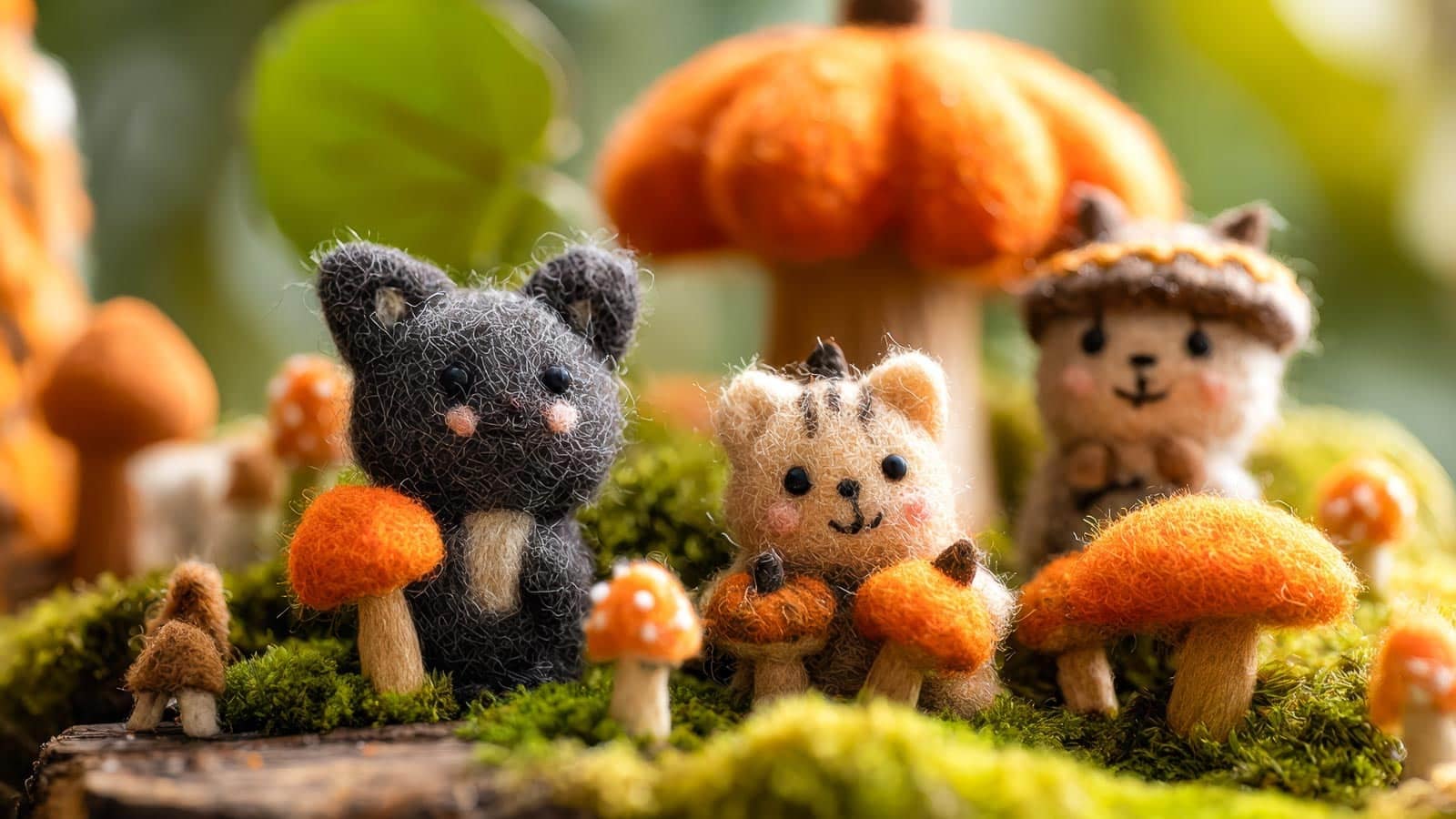
Buttons, feathers, shiny bits, paper scraps, they mattered to you. Folk magic traditions often involve gathering ordinary items believed to hold energy or memory. Psychologists say children collect objects as a way to create identity and continuity. You knew where every piece came from. Losing one felt personal.
Believing bedtime routines affected tomorrow
The order mattered. Pajamas first, then brushing teeth, then a specific story. Disrupting it felt risky. Ritual behavior helps create predictability, especially in uncertain environments. Neuroscience research shows routines lower cortisol levels in children. You were protecting tomorrow with tonight’s ritual.
Save this article
Making promises to yourself that felt binding
You didn’t write them down, but they felt real. Silent vows about being brave, kind, or never doing something again. In magical traditions, spoken or internal promises were believed to shape fate. Child development studies show kids begin forming moral identity earlier than adults assume. Those promises mattered because you believed they did.
Sensing when something felt off without knowing why
You just knew sometimes. A room felt wrong. A situation felt heavy. Intuition in children is often dismissed, but psychologists recognize heightened emotional sensitivity in early development. Many spiritual traditions frame this as awareness or perception. As kids, we trusted that feeling more easily.
Creating worlds where you were powerful
In those worlds, you made the rules. You could fix things, protect others, and change outcomes. Mythology scholars note storytelling has always been a way humans process fear and hope. Children naturally place themselves at the center of these narratives. Power felt safe there.
Key takeaways
Many childhood habits mirror ancient spiritual and magical practices more closely than we realize. Kids naturally use rituals, symbols, and belief to feel safe and understood.
Science now confirms many of these behaviors support emotional development and resilience. Maybe we weren’t pretending as much as we thought.
More articles:
- 9 toys Boomers loved that kids today wouldn’t even recognize
- 11 child-rearing “milestones” that are completely made up but society panics over
- 10 habits from childhood that shape your adult life
12 childhood items that said you’re living the luxe life

You could spot the rich kid before roll call. It was there in the polished backpack, the doll set everyone tiptoed around, and the bedroom that looked styled, not just lived in. Those details seemed small, but they carried the burden of money, space, and attention in ways kids understood. That instinct still applies now.
Future Market Insights estimates that the global luxury products for kids market reached $44.1 billion in 2025. It may hit $80.7 billion by 2036. The U.S. Census Bureau reports that the median household income in 2024 was $83,730. The Bureau of Labor Statistics puts average annual household spending at $78,535. Learn more.
If these items are still in your garage, it may be time to let them go

For many homeowners, the garage slowly transforms from a place for vehicles into a catchall storage space for everything that does not fit elsewhere.
Old tools, forgotten sports equipment, half-finished projects, seasonal decorations, and boxes filled with mystery items tend to accumulate year after year. Before long, valuable square footage is devoted to things that rarely get used—or are completely forgotten. Learn more.
13 everyday items pawn shops will gladly pay good money for

From old electronics to forgotten collectibles, many common household items can be worth far more than their owners realize.
Most people think pawn shops deal primarily in gold jewelry, watches, and family heirlooms. While those items remain popular, today’s pawn shops have expanded far beyond precious metals and collectibles. Learn more.





