
You could spot the rich kid before roll call. It was there in the polished backpack, the doll set everyone tiptoed around, and the bedroom that looked styled, not just lived in. Those details seemed small, but they carried the burden of money, space, and attention in ways kids understood. That instinct still applies now.
Future Market Insights estimates that the global luxury products for kids market reached $44.1 billion in 2025. It may hit $80.7 billion by 2036. The U.S. Census Bureau reports that the median household income in 2024 was $83,730. The Bureau of Labor Statistics puts average annual household spending at $78,535.
The Federal Reserve adds that 73% of adults in late 2024 said they were doing okay or living comfortably. That is down from 78% in 2021. All of this helps explain why those “special” childhood items still shimmer in memory. They were never just things. They were tiny status symbols shining in plain sight.
American Girl or “High-Ticket” Doll Sets
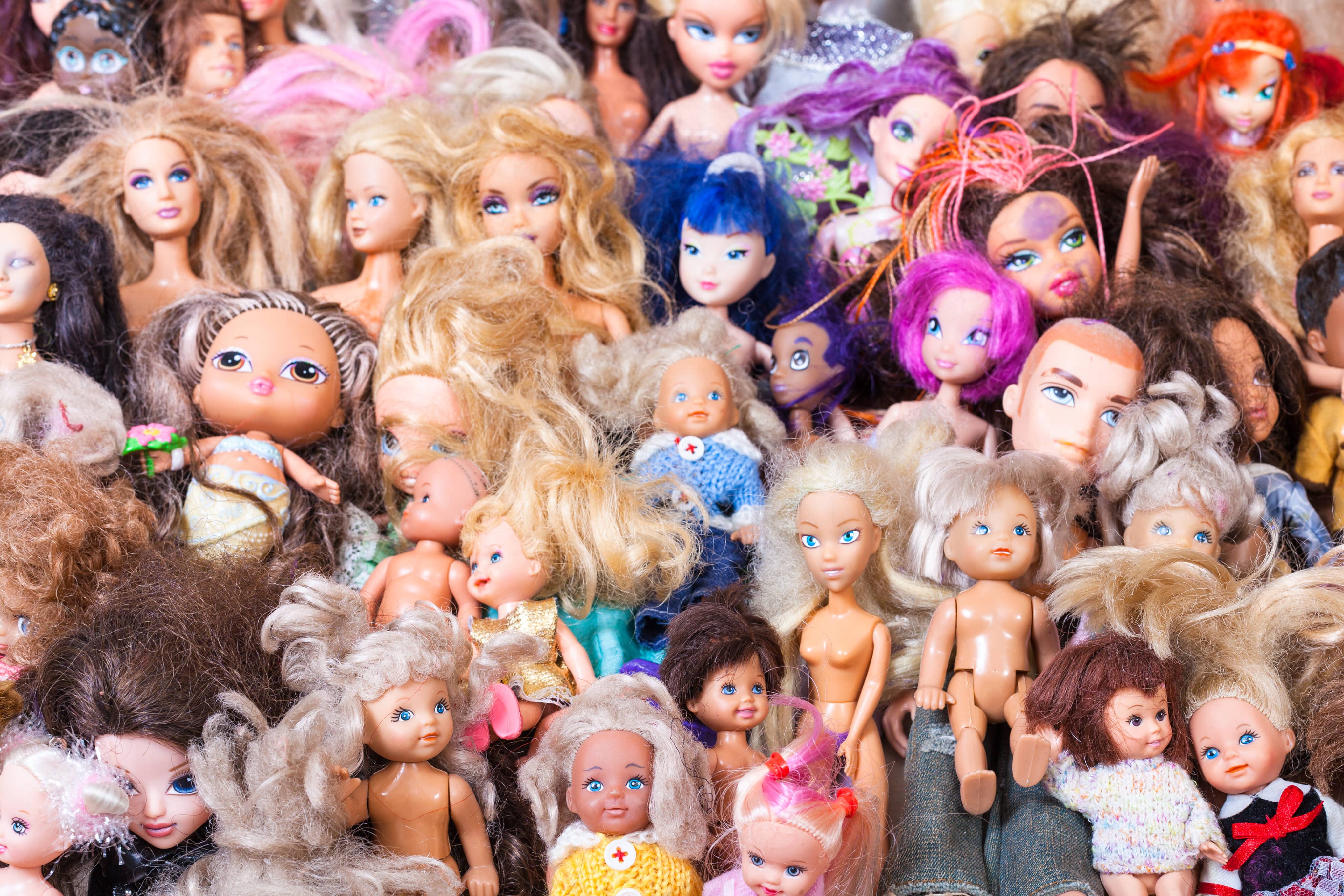
An American Girl doll never arrived alone. She came with a story, a catalog, a wish list, and that soft electric feeling that somebody in your house could say yes to extras. American Girl’s 2025 Girl of the Year doll lists at $135, and that is before the outfits, furniture, pets, and salon-style add-ons that turn one gift into a small private economy.
Circana says the U.S. toy industry grew 6% in 2025, with toys priced from $30 to $69.99 rising 18%, which tells you “premium play” still has a strong pulse. That old childhood signal has not faded; it has simply changed costumes.
Circana’s Juli Lennett put it plainly, calling 2025 a shift toward “higher-value purchases,” and that line lands because it sounds so familiar to anyone who once stared at a doll trunk like it contained the moon. The luxe part wasn’t only plastic and fabric. It was the scale of the yes.
Designer Backpacks and “Real” Leather School Bags
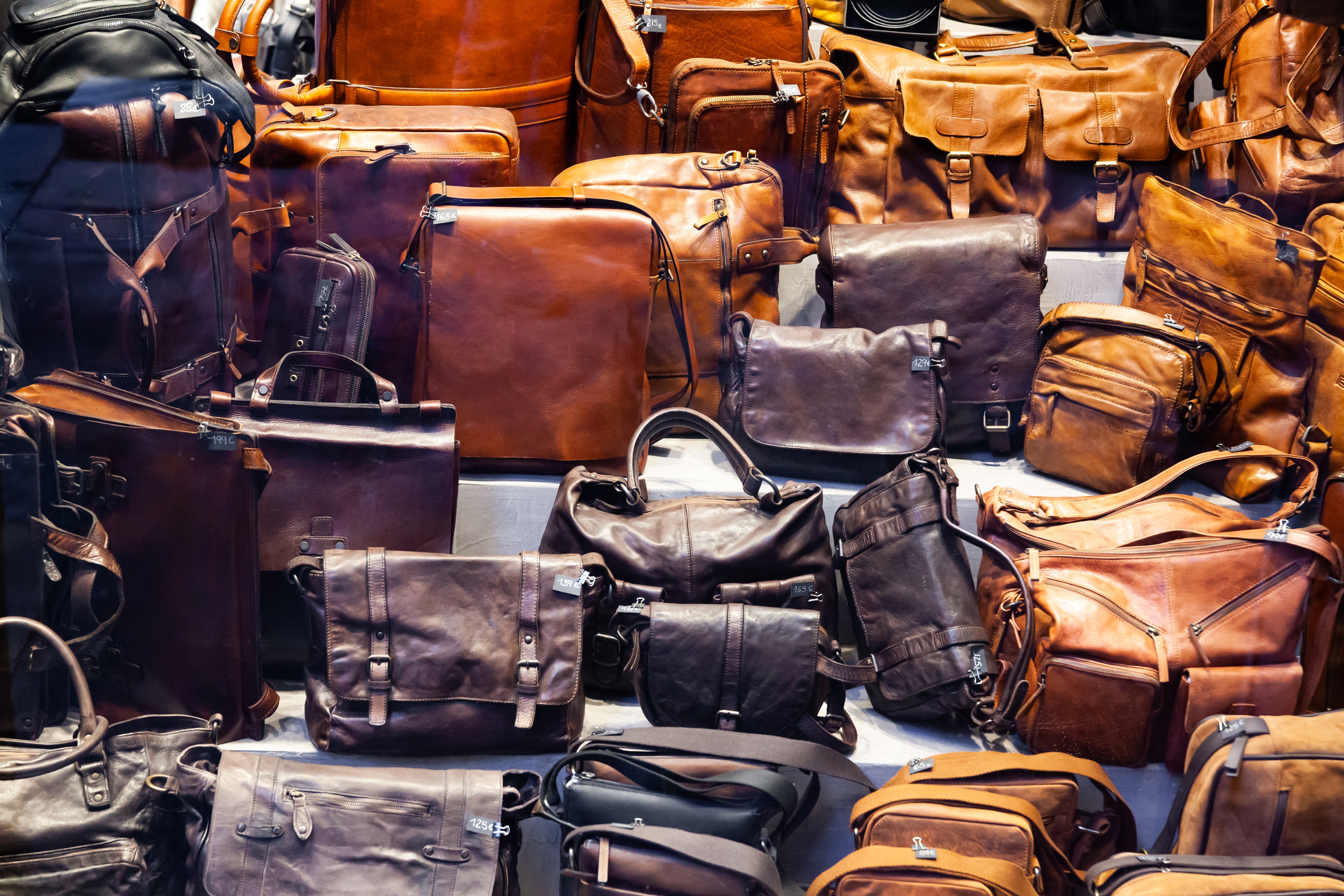
A backpack sits on your shoulders like a headline. It tells the hallway who you are before you even open your mouth, and kids pick up that language fast.
The National Retail Federation says families with K-12 students planned to spend an average of $858.07 on clothing, shoes, supplies, and electronics in 2025, while Deloitte estimated about $570 per student and found that lower-income parents expected to spend 10% more year over year because prices kept rising.
That helps explain why a designer backpack or a real leather school bag feels bigger than a bag. It looked sturdy, polished, grown-up, as if it belonged to a child whose mornings ran smoother and whose parents had room in the budget for beauty along with function. One bag held pencils. The other held a message. Kids heard that message even if nobody said a word.
Lisa-Frank Folders and “Coveted” School Supplies
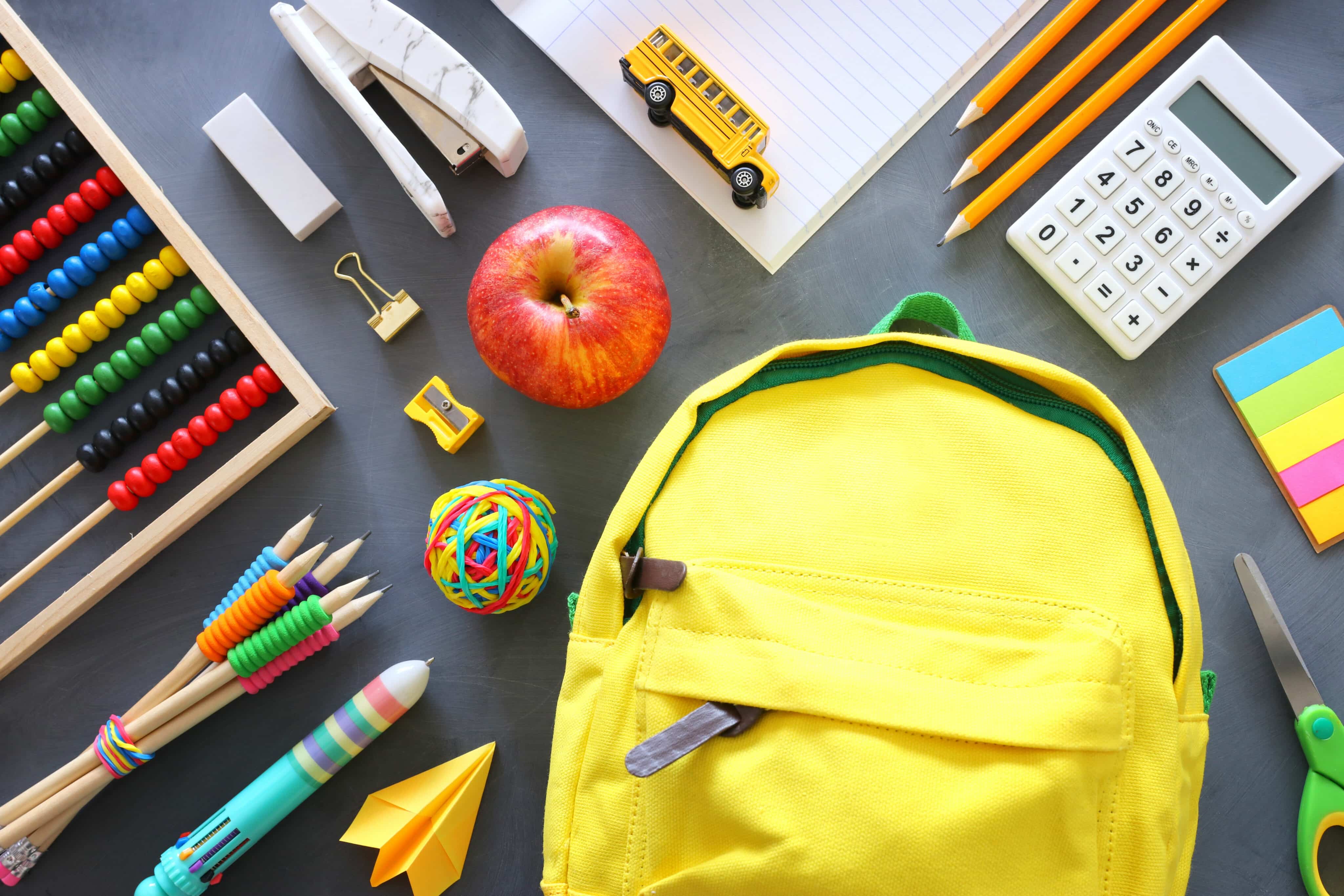
Lisa Frank supplies were bright enough to change the air around a desk. Dolphins, kittens, rainbows, neon leopards, all of it looked like pure sugar for the eyes, and for a lot of kids, that folder felt like social currency dressed up as stationery.
KJZZ reported in late 2024 that Lisa Frank, at its height, was bringing in an estimated $66 million a year, which helps explain why the brand came across as less like a passing fad and more like a full childhood empire. Put that beside 2025 back-to-school spending, with NRF projecting $39.4 billion in total K-12 spending, and those glittery folders start to read as tiny luxury objects hiding in plain sight.
They did the same basic job as a plain folder, sure, but childhood has never judged things by function alone. It judged them by magnetism. Some supplies looked like homework. Others looked like they were chosen.
Computer and Gaming Consoles in Your Own Room
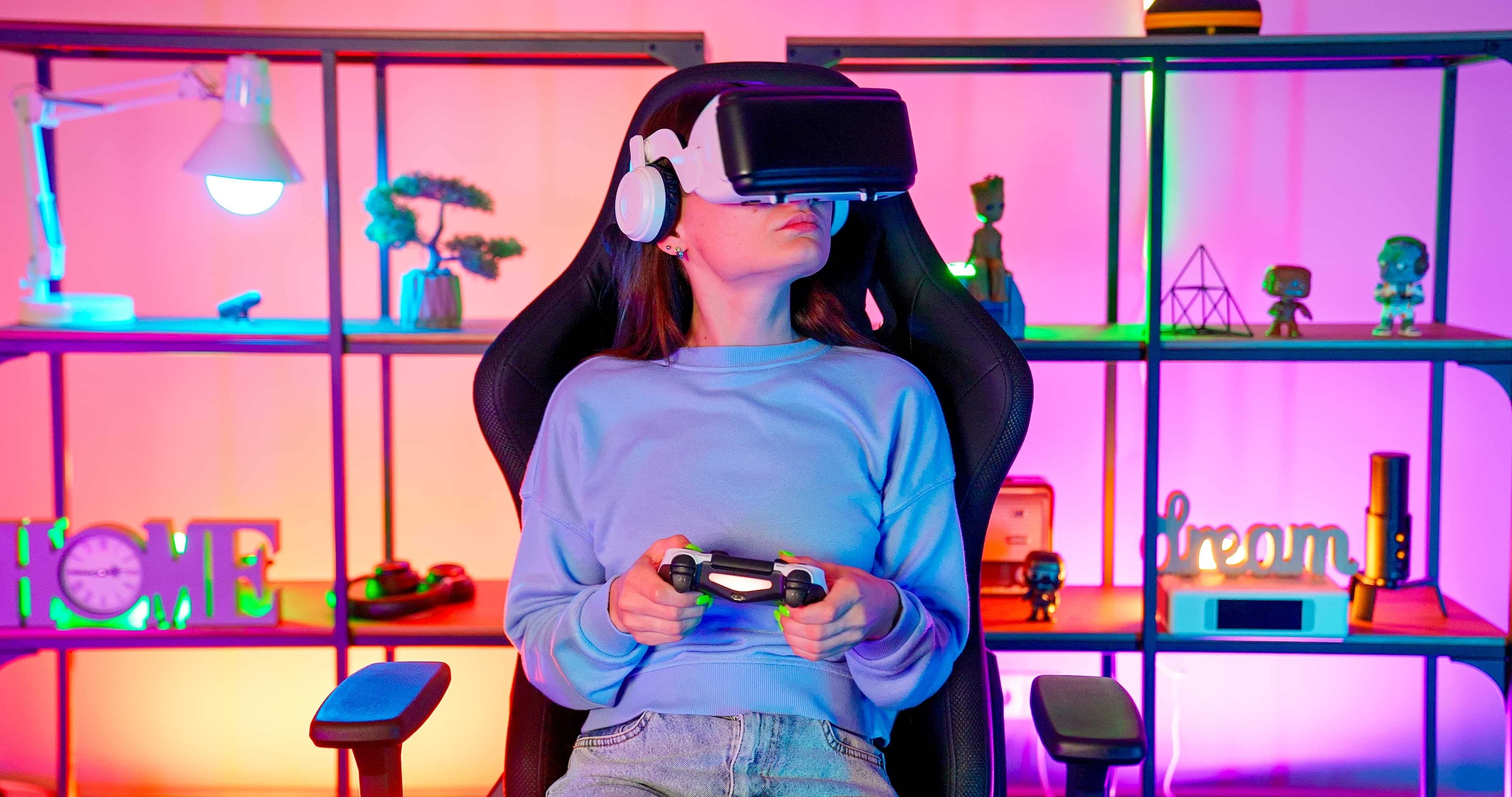
A game console in the family room appeared fun. A game console in your own room appeared rich. The difference wasn’t merely the machine; it was the private square footage wrapped around it, the sense that your fun did not have to be shared or negotiated.
Circana said U.S. toy dollar sales rose 6% in the first half of 2025, with youth electronics up 9%, while Harvard’s 2025 housing report said home prices were up 60% nationwide since 2019, and the median existing single-family home price hit $412,500 in 2024. That pairing says a lot.
Personal electronics still signal spending power, and private room space may signal even more. A playStation humming beside your bed or a family computer glowing in your bedroom carried a soft brag that reached past the screen. It said your home had a margin. It said your parents could buy the toy and the room to place it in.
Designer Nursery and Stroller Sets
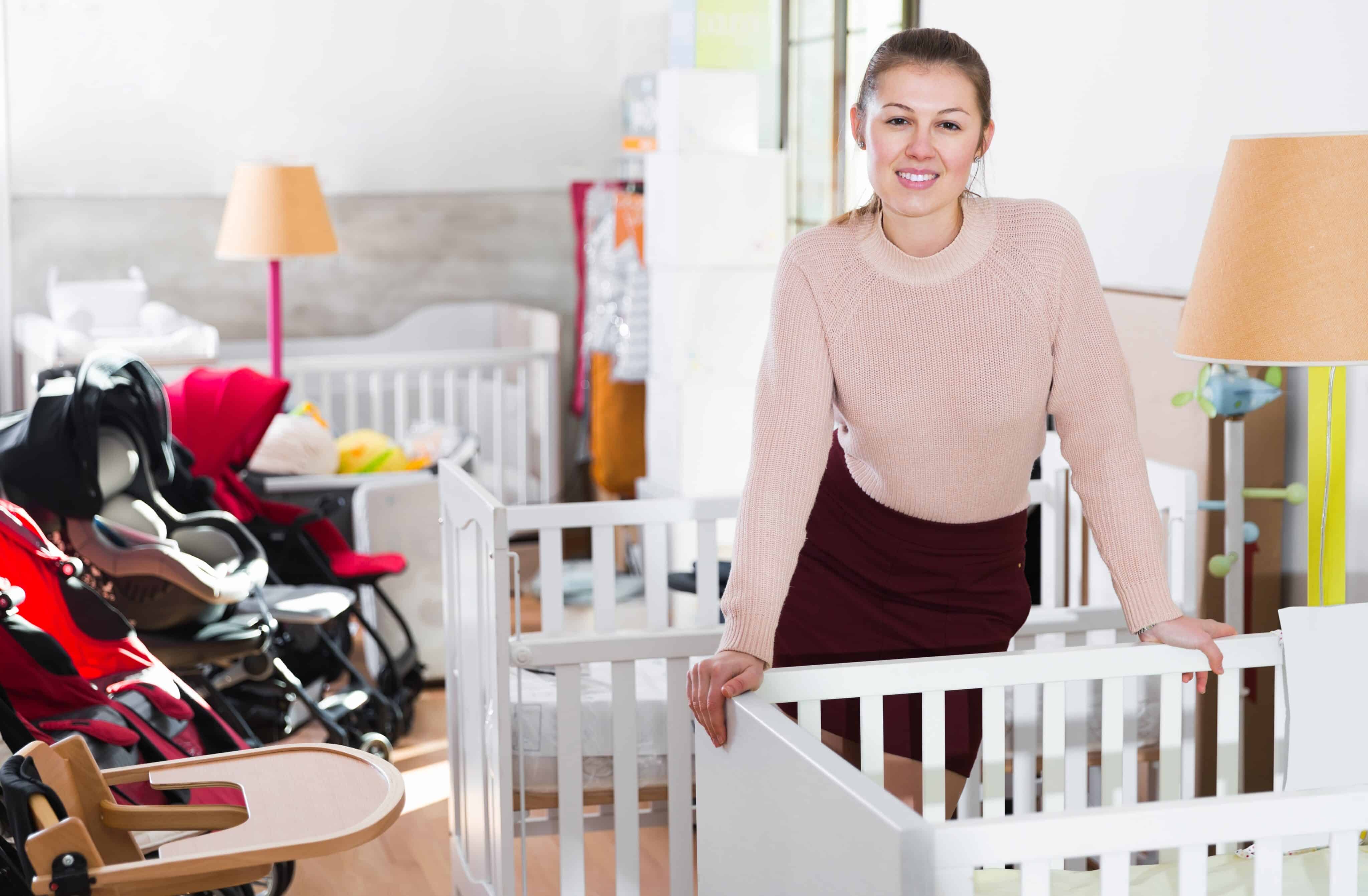
Luxury sometimes started before a child could even say the brand name. A stroller with polished hardware, a nursery with matching furniture, monogrammed blankets, soft lighting, and a crib that looked as though it belonged in a magazine all told the same story: this baby arrived with a premium frame around them.
Future Market Insights estimates that infants and toddlers account for about 42% of the luxury-kids market volume, a striking sign that status performance now begins at the starting line. Nature reported in 2026 that the average investment from birth to age 18 was $502,152 in 2024 dollars, with early childhood spending gaps frequently exceeding 50%, mostly due to housing and child care costs.
Those numbers give texture to an old feeling many people already knew in their bones. Some babies came home with diapers and love. Some came home with a whole aesthetic. The stroller was never simply wheels. It was a family announcement.
Branded Apparel from Designer Kids’ Lines
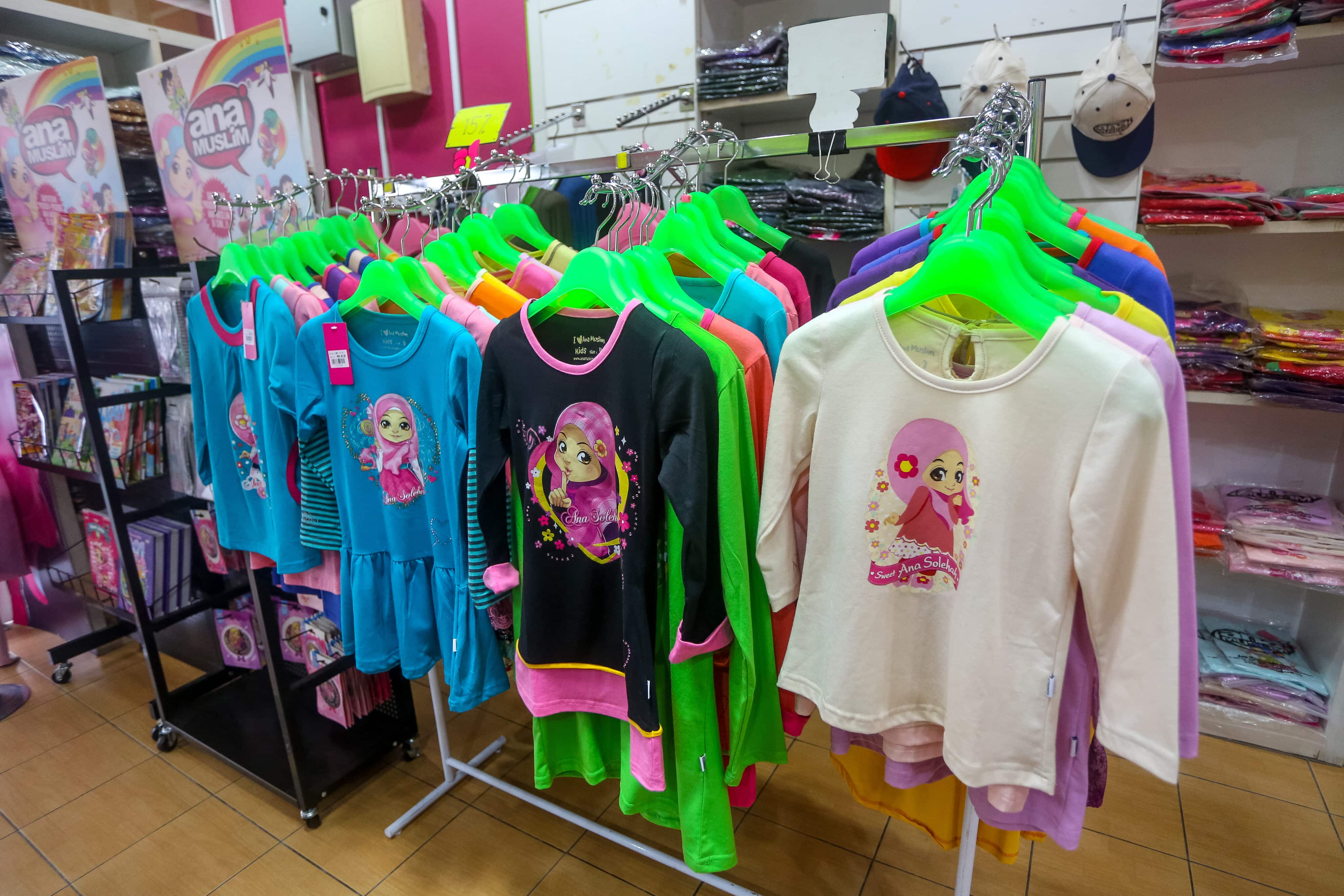
Children’s clothes can whisper, but branded clothes tend to sing. A recognizable logo on a small jacket or a polished pair of little shoes carried a message that went beyond warmth and fit into family taste, spending confidence, and the quiet desire to be seen as the kind of people who buy the special version.
Future Market Insights says the U.S. luxury children’s wear market is on track for a 5.6% CAGR through 2036, and the same source notes that average equipment spending in that segment already reaches $1,837 per child.
Put that beside the BLS finding that average annual household expenditures reached $78,535 in 2024, and premium children’s clothing looks less like a throwaway extravagance and more like a choice families make inside real financial tradeoffs.
That is why those outfits stood out in memory. They did not simply look nice. They looked deliberate, polished, and expensive in a way children could spot instantly.
“House Calls” Gadgets and High-End Electronics
A cordless phone in your bedroom, your own TV, a VCR that did not belong to the whole family, those were little signs of abundance in an era when plenty of households still shared almost everything.
The Federal Reserve says 63% of adults in 2024 could cover a $400 emergency expense with cash or its equivalent, and the BLS says household spending ranged from $35,046 in the lowest income quintile to $150,342 in the highest in 2024.
Save this article
That gap helps explain why extra electronics for a child felt so dazzling. These were not basic household tools. They were duplicates, comfort layered on comfort, convenience stacked on convenience.
In childhood, an extra gadget often read like proof that a family had crossed into the land of surplus. The lucky kid got more than a screen or a phone. They got a small, private border around themselves, and it looked luxurious.
Private Lessons and “Elite” Activities

Some of the biggest childhood status signals were not objects at all. They were calendars. Ballet on Tuesday, piano on Thursday, horseback riding on Saturday, travel soccer all month long, that kind of schedule told other kids your family had money, rides, time, and an inclination to pour all three into your growth.
Census data released in 2026 found that 8.8% of children in families at or above 200% of the poverty threshold participated in sports, lessons, and clubs, compared with 1.2% of children in families below the poverty threshold. The Aspen Institute’s Project Play survey adds that the average U.S. sports family spent $1,016 on a child’s primary sport in 2024, up 46% from 2019.
That is why elite activities felt so glossy from the outside. They created a different kind of child, one who moved through town with gear bags, recital shoes, and the look of someone whose life contained a budget line for polish.
Designer Toys and Collectible Limited-Edition Lines
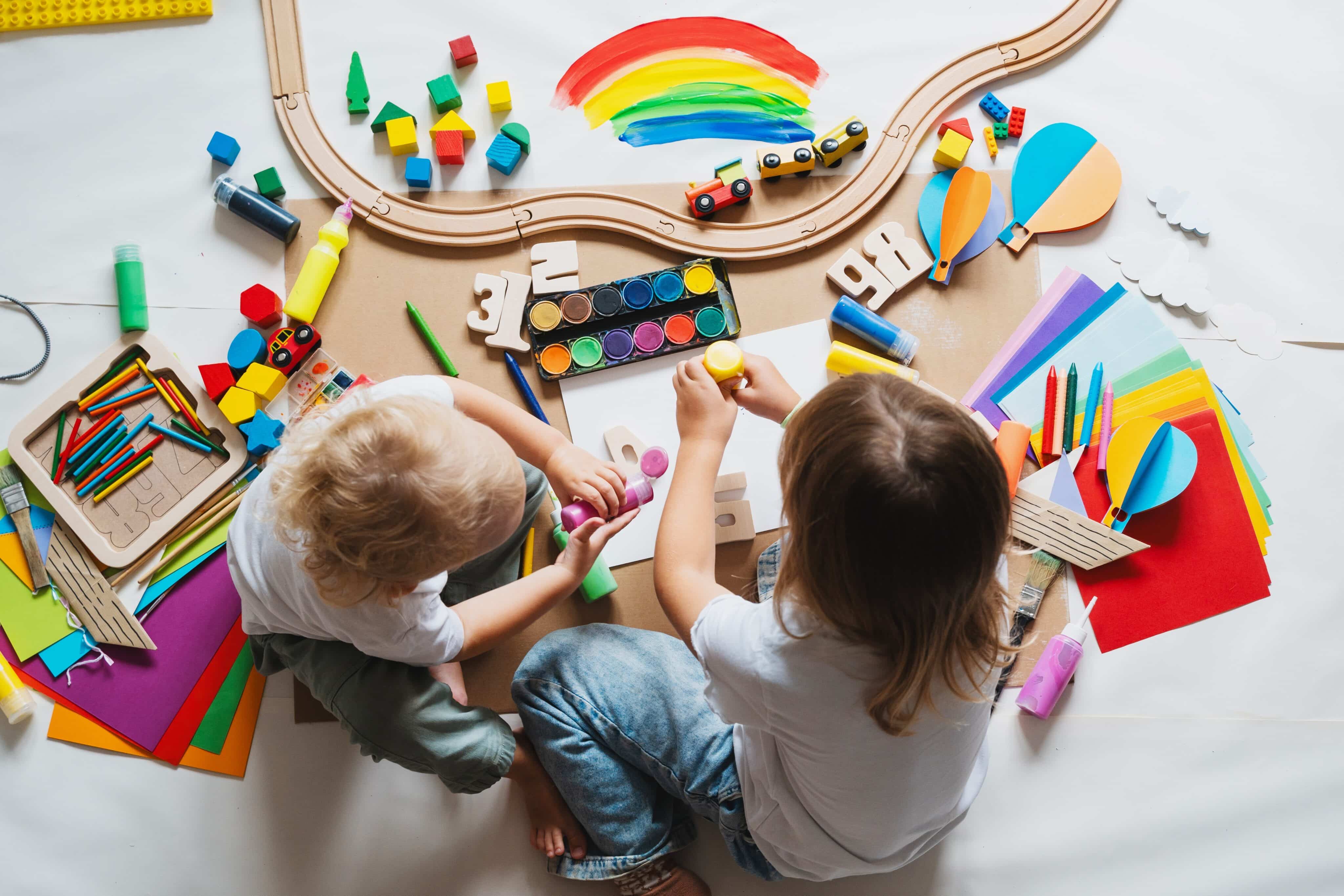
There’s a calm around toys that are too pretty, rare, or expensive for rough play. They stay on shelves, get handled with care, and every child recognizes the difference. Circana says pricier toys gained share in 2025, with $30-$69.99 toys up 18%, and Pokémon sales reached $2.5 billion, up 87% in a year.
The market rewards collectibility and rarity. A room of special-edition plush or arranged collectibles said the family could afford toys not meant for rough play. These were more curated treasures than clutter, making the owner seem defined by a richer sort of magic.
“Family Travel” and Souvenir-Heavy Rooms

A bedroom filled with shells from another coast, museum tickets tucked in drawers, airport tags, postcards, and a tiny stack of souvenirs had its own accent. It sounded like motion. It sounded like plane seats, hotel keys, and parents who could turn memory into mileage.
NYU’s 2025 Family Travel Survey found that the average family spent about $8,052 on travel in 2024, up about 20% from the prior year, and 92% of parents said they were likely to travel with their children in the next 12 months, even as 73% named affordability as the top challenge. Peter Bopp, a research advisor to the Family Travel Association, said “families associate positive outcomes from travel,” and that insight helps explain why vacation souvenirs glowed so brightly in childhood bedrooms.
Those rooms did not just display objects. They displayed movement, access, and stories gathered far from home. For a kid staring from the doorway, that looked a lot like luxury.
Premium Bedroom Furniture and “Princess Canopy Beds.”
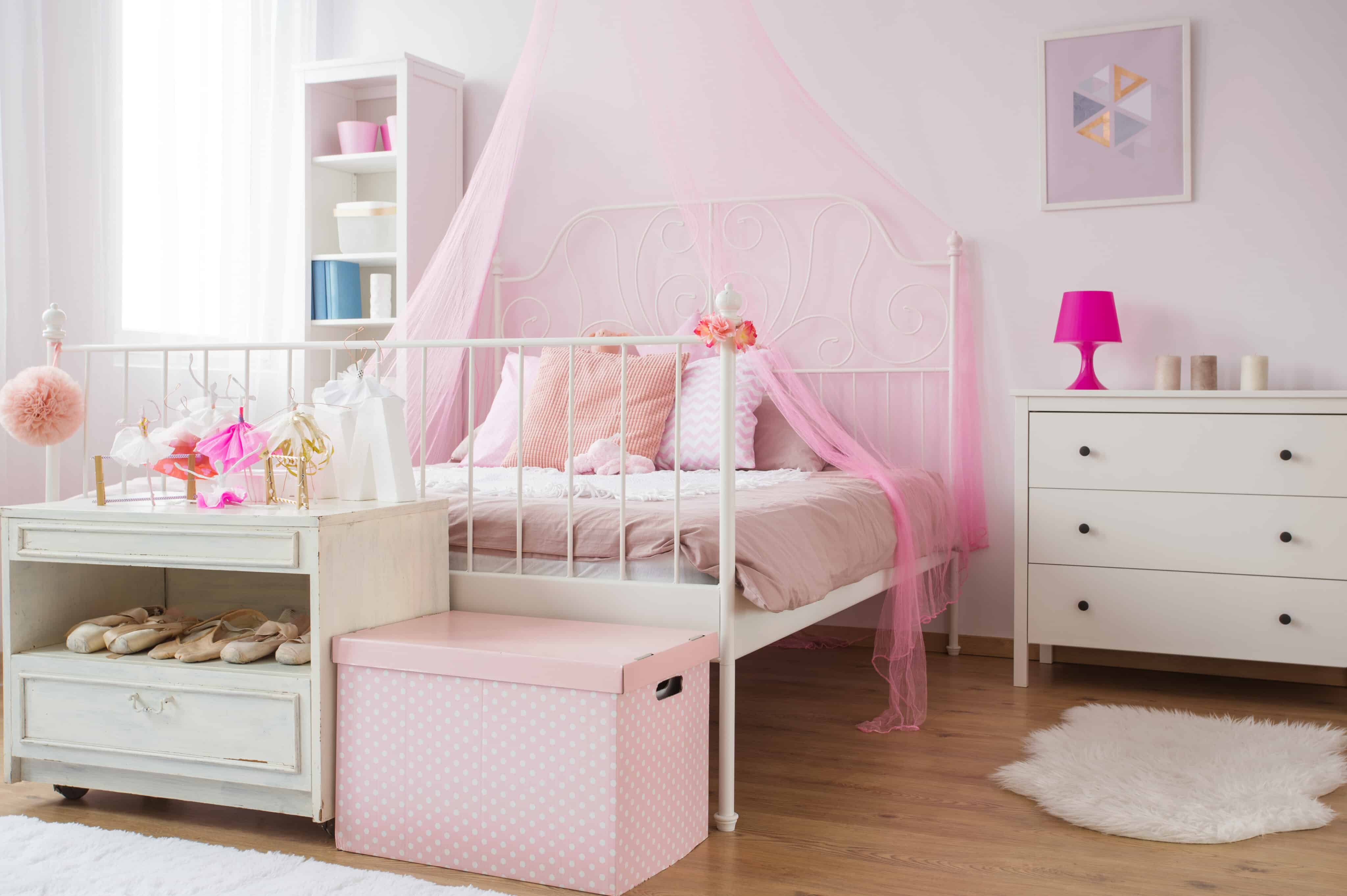
Some childhood beds looked like places to sleep. Others looked like crowns with mattresses. A canopy bed, a polished vanity, a matching desk set, the whole arrangement could make one child seem less like a kid in a room and more like the star of her own small kingdom.
Harvard says the median price of an existing single-family home hit $412,500 in 2024, up 60% from 2019 levels, while Census says median household income in 2024 was $83,730. That gap sharpens the old image. A lavish child’s room has always signaled more than style. It signals room to spare, money to decorate, and a family willing to center a child visually.
Consumer researcher Russell Belk wrote that “our possessions are a major contributor to and reflection of our identities,” and that line lands especially hard here, because childhood furniture often taught status before language did. The bed did not just hold a body. It helped build a self.
Private “Play-Room” or Dedicated Play Space
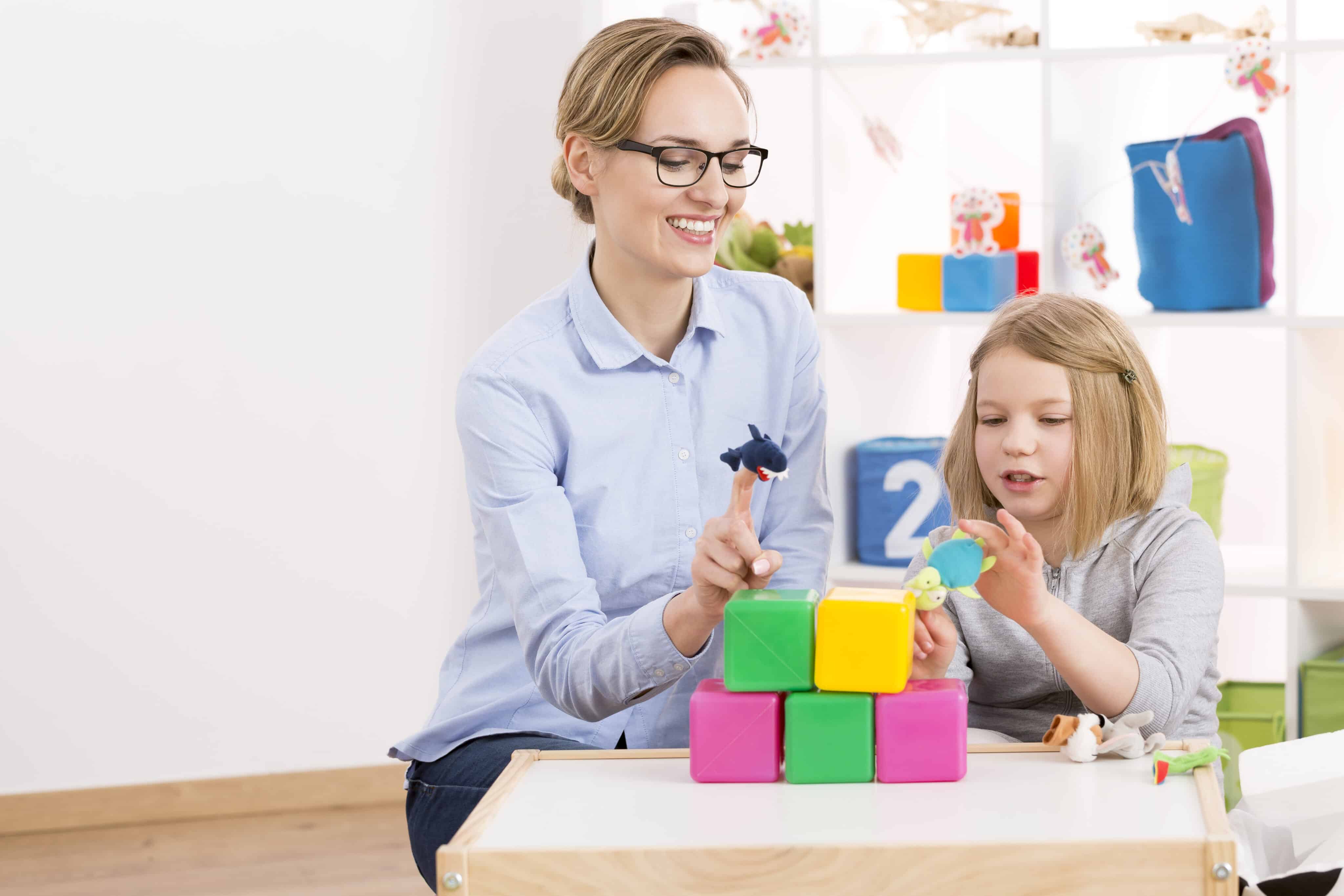
The child with a playroom occupied more space than the child without a playroom. They occupied the imagination at full volume.
A separate room for toys, crafts, games, and noise announced that this family had enough square footage to carve out a zone just for delight, and that has always been one of the clearest markers of comfort in America.
HUD’s 2025 report says 8.46 million renter households still had worst-case housing needs in 2023, and only 59 affordable units were available per 100 very low-income renter households, with just 38 per 100 extremely low-income renter households. Set that beside Harvard’s finding that home prices were up 60% since 2019, and the old playroom starts to look even more telling.
It has never been merely a bonus room. It was a visible surplus, a child-sized estate tucked inside an ordinary house. Toys stored in a shared closet tell one story. A room built just to hold play tells another, and kids heard that difference instantly.
A short reflective close
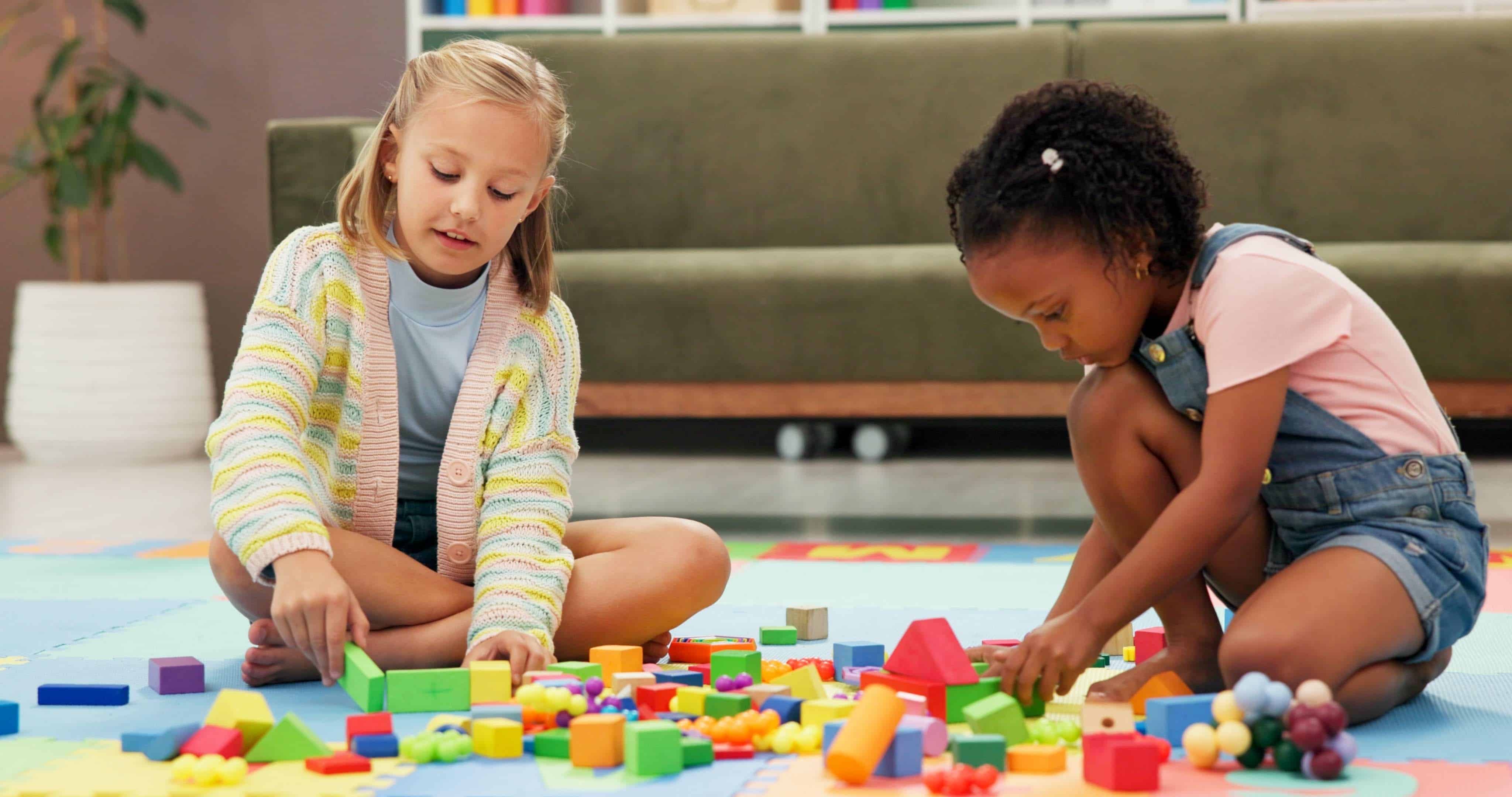
What keeps these memories alive is how small the signals were. A doll, a folder, a phone line, a riding lesson, a shell from another country, none of them looked like a stock portfolio. Still, children read status with astonishing speed. They knew who had more room, more extras, more softness around the edges of life.
That instinct still lives with us now, in a context where the luxury-kids market is already estimated at $44.1 billion, and the Fed still finds nearly 1 in 4 adults are not living comfortably. Childhood did not need a lecture in class. Sometimes it needed one glance across a bedroom.
Key Takeaways

The quiet lesson running through all 12 items is simple. Childhood “luxury” was never merely about expensive stuff. It was about visible surplus, the extra room, the extra lesson, the extra trip, the extra version of a basic thing.
Today’s data backs up that old feeling, from a kids’ luxury market projected to reach $80.7 billion by 2036, to family travel averaging $8,052 in 2024, to youth sports costs rising 46% since 2019, to sharp gaps in access to activities between higher- and lower-income children.
The objects changed shape over time, but the message stayed familiar. The kid with the special version of everything often seemed to live in a sunnier weather system, and everybody around them noticed.
Disclaimer –This list is solely the author’s opinion based on research and publicly available information. It is not intended to be professional advice.
Like our content? Be sure to follow us





