
January often feels like a reset, but it also quietly rewires behavior. Short days, cold weather, and post-holiday fatigue nudge people to say no more often, even when they do not notice it happening. What starts as staying in for one night or postponing one plan can turn into a pattern of avoidance that shapes the rest of winter.
In winter polling from the American Psychiatric Association, between 38 and 41 percent of adults report that their mood worsens, and 28 percent say they feel more fatigued. That emotional dip makes it easier to avoid small but meaningful things like social plans, outdoor movement, or creative routines. These shifts feel protective in the moment, but they can quietly narrow daily life as January moves on.
Skipping social invitations and plans

In winter polling from the American Psychiatric Association, between 38 and 41 percent of adults report that their mood worsens. In the same polling, 20 percent say they lose interest in activities they usually enjoy, and 28 percent report feeling more fatigued. January and February consistently emerge as the most difficult months.
Mental health organizations describe withdrawing from social activities as a hallmark of winter blues. People cancel plans quietly, citing low energy, finances, or recovery from the holidays. Framed as rest, this retreat often chips away at mood and resilience, even as it feels like self-care.
Avoiding hobbies and leisure for productivity

Post-holiday mental health guides list loss of interest in enjoyable activities and difficulty concentrating as classic January symptoms. Many people respond by trimming hobbies first, redirecting time toward work or self-improvement.
Psychologists caution that when leisure disappears, stress tolerance drops with it. Nonproductive hobbies are not indulgences but essential buffers against low mood, especially during the dark months.
Dodging the gym after the first rush

Fitness industry analytics show a predictable January arc. Attendance spikes in the first two weeks, then drops sharply by late January and early February. Multiple analyses suggest that about 80 percent of New Year fitness resolutions are abandoned by mid-February.
Lemon8 indicates that only 20 percent of people maintain fitness goals past March. The enthusiasm fades, soreness sets in, and avoidance replaces intention. The gym becomes a place where people quietly stop going rather than consciously quit.
Avoiding discretionary spending and treats
Consumer behavior reports consistently show a post-December pullback. In one UK cost-of-living analysis, 46 percent of adults planned to spend less during January sales despite discounts, reflecting financial fatigue after the holidays.
InternetRetailing describes the rise of No Spend January and No Buy challenges, encouraging people to avoid dining out, entertainment, and small luxuries. These challenges can slide from mindful restraint into avoiding any pleasure that costs money.
Avoiding alcohol and nights out

Dry January has moved into the mainstream, with millions participating each year. The National Library of Medicine describes it as a low-stakes way to reset habits and reassess alcohol’s role.
Harvard Health experts frame Dry January as an experiment rather than a punishment, noting improvements in sleep, energy, and blood pressure. Socially, however, people often avoid bars and invitations altogether, not just to skip drinks, but to dodge temptation and explanation.
Putting off medical and mental health appointments

Save this article
Winter mental health resources estimate that about 24 percent of Americans feel depressed during winter, while up to 41 percent report worsening mood. Yet many delay seeking care.
Health system guidance describes a pattern of postponing checkups, therapy, or medication reviews until symptoms intensify. The Cleveland Clinic warns that waiting for spring to resolve mood issues is common, but addressing seasonal symptoms early is far more effective.
Avoiding honest money talk and bill opening
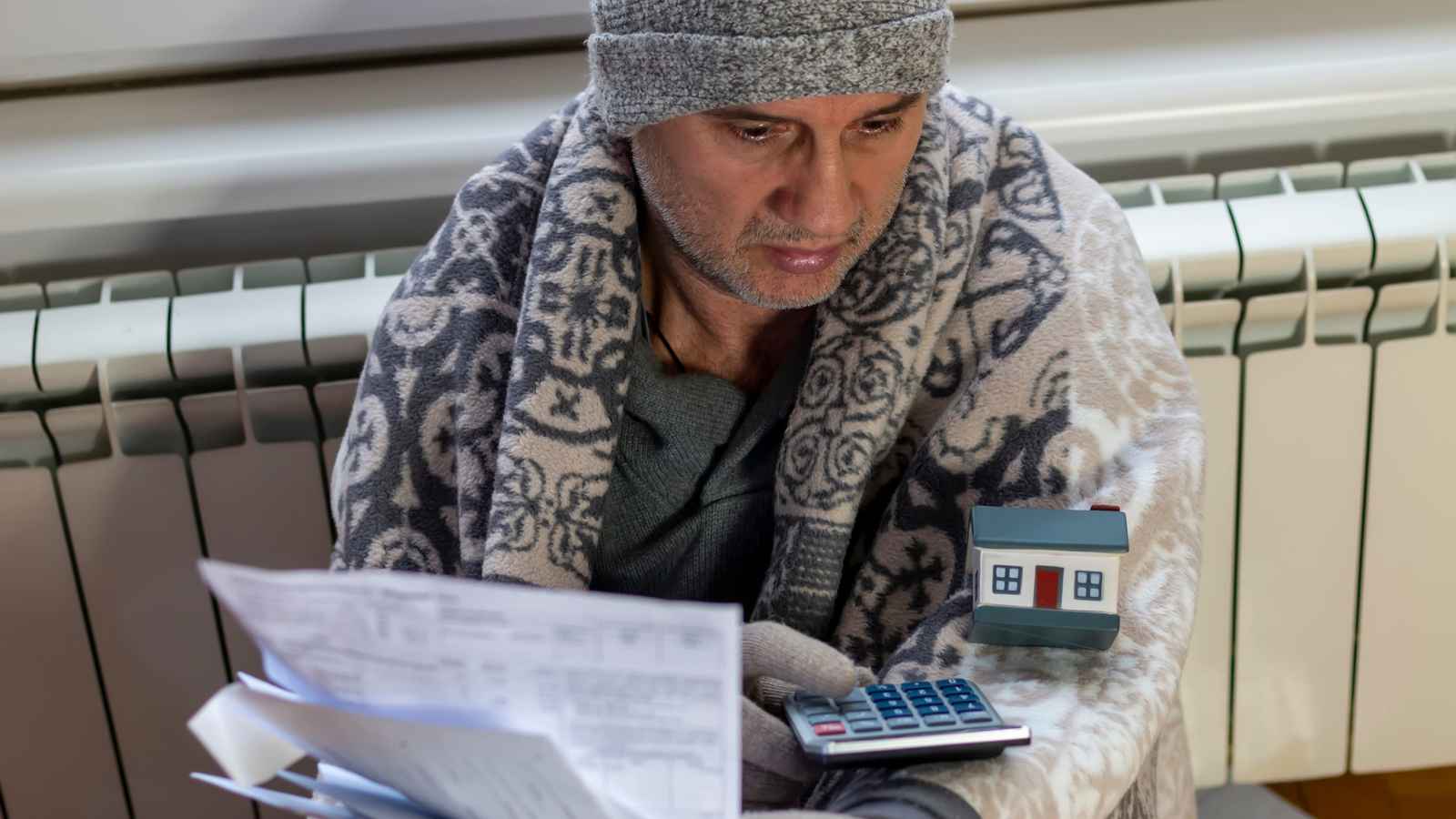
January brings higher utility bills and delayed holiday statements. The Talk Shop describes a January cash crisis marked by unopened envelopes and ignored banking apps.
Financial advisors consistently recommend early budgeting and tracking of expenses. Avoidance, they note, amplifies anxiety and shame. Looking away from the numbers does not soften them; it sharpens them.
Avoiding news or social media or both

Digital health research documents a growing interest in digital detox. Reviews describe it as a deliberate, time-limited break to reduce stress and information overload.
A 2025 survey by ExpressVPN reports that nearly half of Gen Z actively experiment with limiting screen time, with sharp increases in searches for digital detox ideas. In January, many people disengage without naming it, explaining that they simply cannot deal with everything right now.
Avoiding rest in favor of self-improvement

January wellness culture often promotes optimization after excess. Winter mental health guides note that people pursue strict goals while avoiding genuine rest, leading to irritability and burnout.
Experts argue that this clashes with the body’s natural seasonal rhythm. January is not the season to bully oneself into constant productivity; rest is a strategic choice, not a moral failure.
Avoiding unstructured time and reflection

After the intensity of the holidays, January can feel empty. Therapists describe a tendency to outrun that void with work, screens, or rigid goals rather than sitting with reflection.
Avoiding unstructured time, they warn, prolongs dissatisfaction. Reflection on what worked, what did not, and what needs to change is uncomfortable, but skipping it often makes resolutions reactive and hollow.
Key takeaway
January avoidance rarely looks dramatic. It looks like staying in, delaying, trimming joy, and calling it responsibility. The data show that these quiet no’s accumulate, shaping mood, energy, and resilience long before spring arrives.
What people avoid in January often matters more than what they resolve to do.
Disclosure: This article was developed with the assistance of AI and was subsequently reviewed, revised, and approved by our editorial team.
Disclaimer – This list is solely the author’s opinion based on research and publicly available information. It is not intended to be professional advice.
Like our content? Be sure to follow us