

As high-protein foods flood grocery shelves, mounting evidence suggests our digestive systems may be paying the price for the trend.
Protein has become the new virtue signal of the grocery aisle. It promises satiety, strength, and metabolic virtue. It shows up everywhere, stitched into yogurts and cookies, poured into shakes, and folded into snack bars. Yet alongside this boom runs a quieter story told in waiting rooms and group chats: gas that lingers, bellies that harden by afternoon, a sense that eating “right” is somehow making the body revolt. The collision is not about protein being bad. It is about biology meeting excess, speed, and imbalance.
While protein offers important health benefits, experts say the way many people consume it may contribute to bloating, constipation, and other digestive complaints.
Protein is booming, and so are complaints
High-protein eating has escaped the gym and entered daily life. Market tracking from Mintel and Euromonitor shows that U.S. food products carrying high protein claims roughly quadrupled between 2013 and 2024.
A separate global analysis projects an additional 50.2 billion USD in high-protein food sales between 2023 and 2028, growing at about 8.65 percent per year. Protein is no longer a niche. It is a default.
Consumer data explains why. Surveys summarized by the International Food Information Council show that 44 percent of U.S. adults are actively trying to eat more protein, a figure that rises above 50 percent among Gen Z and millennials. Athletes, dieters, older adults, and wellness-focused shoppers now share the same macro goal, even if their guts do not share the same tolerance.
What excess protein does in the gut
Digestion has limits. When protein intake rises and carbohydrates, especially fiber, fall, more undigested protein reaches the colon. There, microbes ferment amino acids instead of carbohydrates.
A major review in the National Library of Medicine described how high-protein, low-carbohydrate diets shift the gut microbiome toward a more pro-inflammatory profile. This shift reduces beneficial short-chain fatty acids while increasing ammonia, phenols, and hydrogen sulfide.
These byproducts are not benign. They can irritate the gut lining, alter motility, and contribute to bloating, gas, and foul-smelling flatulence. The discomfort many people feel is not imagined. It is a chemical consequence of what reaches the colon.
When high protein meets high fiber
Ironically, trouble can also arise when people try to do everything right at once. In a Johns Hopkins-led analysis of adults adopting high fiber diets, those whose fiber intake occurred alongside high protein patterns reported significantly more bloating. This effect was not seen among those eating high fiber with higher carbohydrate intake. The gut noticed the stack.
The mechanism is straightforward. High fiber increases fermentation. High protein increases the pool of undigested amino acids. Together, they give microbes abundant substrate, producing more gas and osmotic shifts in the colon.
People who leap from moderate eating to protein plus fiber overhauls often report a brief honeymoon of fullness. This is followed by days of distention, a pattern that mirrors what fermentation data predict.
Supplements, sweeteners, and FODMAP landmines

Much of the protein surge is powered by powders, shakes, and bars. These products carry risks that go beyond protein grams. An exploratory study of dietary supplement users published in Nutrients found that protein supplementation was uniquely associated with higher rates of gastrointestinal complaints. These included cramping, gas, and altered stools.
Formulation matters. Many protein products rely on lactose-rich whey, sugar alcohols, and fibers such as inulin and fructo-oligosaccharides. Reviews of FODMAPs in Gastroenterology consistently show that these rapidly fermented carbohydrates can provoke bloating, pain, and bowel changes in people with sensitive guts. A high-protein bar can look virtuous on the front and behave like a FODMAP challenge test in the colon.
Microbiome shifts and long-term questions
Beyond daily discomfort lies a deeper question about microbial ecology. An integrated metagenomic and metaproteomic study published in 2025 showed that the dietary protein source altered which microbes thrived.
It also changed which enzymes they expressed. Protein intake reshaped amino acid-degrading pathways and glycan metabolism, suggesting system-wide effects on gut function.
Save this article
Protein fermentation produces a mix of metabolites. Some short-chain fatty acids can be beneficial. Others, such as ammonia and sulfides, can compromise the colonic epithelium. Newer microbiome research presented at ASM Microbe has emphasized that source and context matter as much as total grams. Animal versus plant protein, processed versus whole foods, and fiber-poor versus fiber-rich patterns appear to shape whether protein feeds resilience or irritation.
Expert perspectives and quotable lines
Gastrointestinal researchers often describe high-protein, reduced-carbohydrate diets as promoting potentially pathogenic and pro-inflammatory microbiota profiles. Reviews in Alimentary Pharmacology and Therapeutics emphasize that these effects can be mitigated by adding resistant starches and diverse fibers.
They also note that moderating total protein intake, especially sulfur-rich amino acids, can help. The message is not to fear protein, but to rebalance the plate.
Market analysts tell a different story. Reports from NielsenIQ describe protein fortified snacks and drinks as default purchases for younger consumers, not occasional supplements. This gap between microbiome science and marketing creates a paradox. People follow wellness cues faithfully and still end up bloated, constipated, and confused about what went wrong.
Key Takeaway
The rise in high-protein eating is colliding with basic gut biology. For many people, discomfort comes not from protein itself but from excess, rapid increases, supplements, and poor pairing with gut-friendly carbs and fibers.
Protein works best in context. When it overwhelms that context, the gut is often the first to complain.
- 12 fruits that contain more vitamin C than oranges
- 12 reasons dragon fruit may be one of the healthiest fruits you’re not eating enough of
- Starting Your First Garden? Here Are the 10 Easiest Vegetables to Grow
The Best Root Vegetables for Better Vision
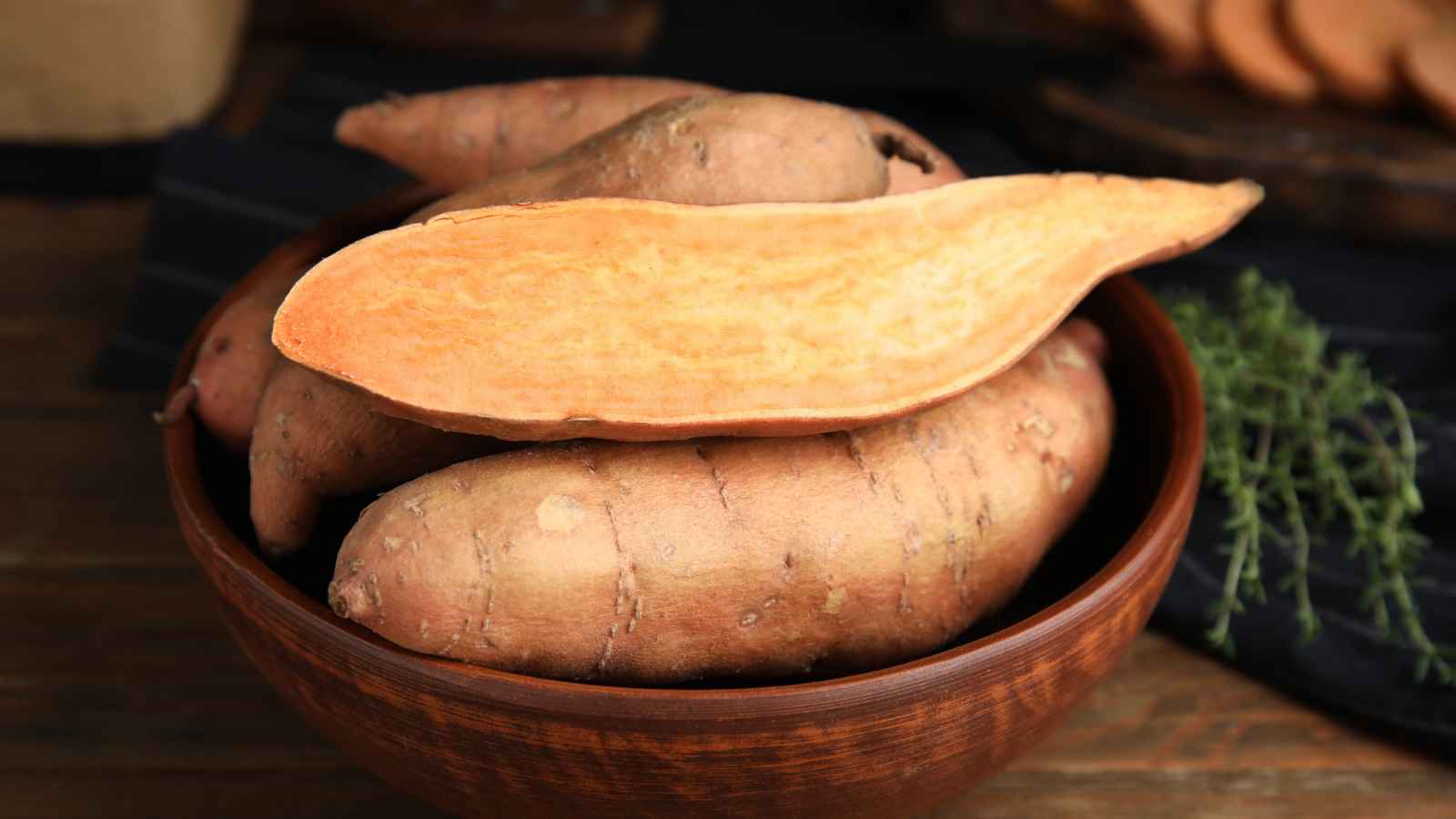
Around the world, most conversations about eye health focus on things like glasses, screen time, or supplements. But in public-health circles, the story actually starts much deeper—literally underground. Root vegetables, especially the ones loaded with carotenoids, play a major role in keeping our eyes healthy.
Vitamin A deficiency is still the leading cause of preventable childhood blindness around the globe, according to the World Health Organization. It contributes to an estimated 250,000 to 500,000 cases every year, especially in places where people don’t have access to foods rich in provitamin A. Learn more.
Common spices linked to colon cancer prevention

In the quiet routine of seasoning a meal, you may be adding small, powerful defenses against one of the most common cancers.
Your spice rack might actually be hiding some powerful health benefits. It turns out that a handful of common pantry staples pack a serious punch against serious illnesses. Medical researchers are looking closely at how everyday seasonings can fight back against cellular damage in the digestive tract. Learn more.
Which protein is actually better for arthritis, plant or animal?
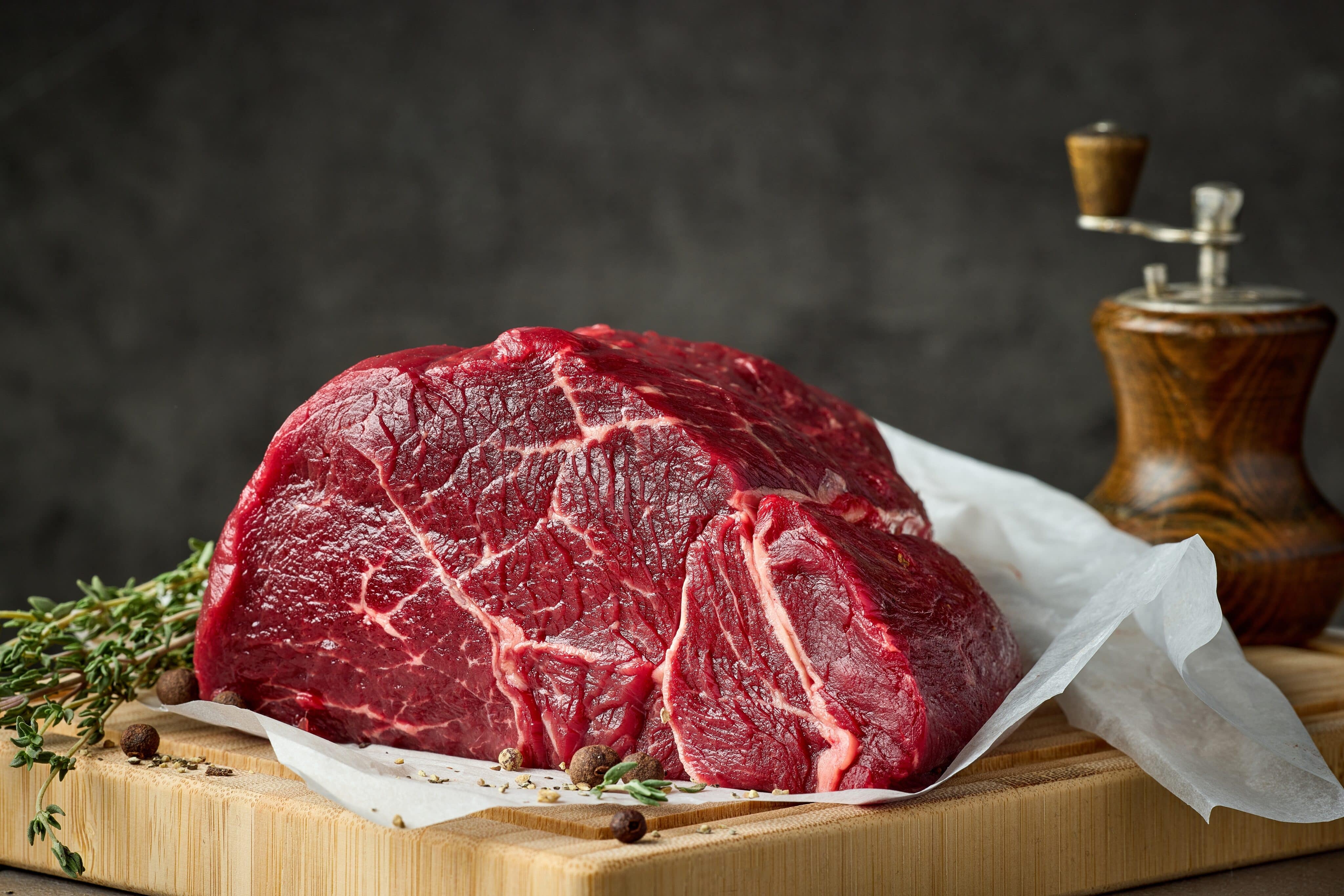
With more than 53 million Americans living with arthritis, emerging research points to nutrient balance—not protein source alone—as the real driver of bone and joint health.
CDC estimates from 2019–2021 show about 21.2% of US adults (around 53.2 million people) report a doctor’s diagnosis of some form of arthritis (including osteoarthritis, rheumatoid arthritis, gout, lupus, etc.). Osteoarthritis (OA) is the most common joint disorder in the US (over 32.5 million US adults live with it), mainly affecting knees, hips, hands, and spine. Learn more.





