

Most people assume hunger and fullness are opposites. You are hungry, you eat, and then you stop thinking about food.
In reality, the process is far more complicated.
Many people have experienced the strange feeling of finishing a meal, knowing they have eaten enough, yet still wanting something more. The stomach feels full, but the desire to keep eating lingers. That disconnect often feels frustrating, leading people to question their willpower or self-control.
Researchers who study appetite say the explanation usually has little to do with discipline. Hunger, fullness, satisfaction, reward, stress, sleep, hormones, food quality, and eating habits all influence when the brain decides a meal is truly finished. In many cases, feeling physically full and feeling psychologically satisfied are not the same thing.
Understanding that difference can help explain why some meals leave you content for hours while others leave you searching the pantry shortly after eating.
Here are eight science-backed reasons you may still want more food even when you’re already full.
Your Hunger and Fullness Hormones Are Out of Sync
Appetite is governed by a conversation between hormones. Ghrelin rises before meals to prompt eating, while leptin reflects longer-term energy stores and helps quiet appetite afterward. In a well-regulated system, ghrelin initiates, and leptin helps conclude. But research shows that obesity, chronic dieting, sleep loss, and psychological stress can disrupt this dialogue.
Studies examining the leptin to ghrelin ratio, including work summarized in the National Library of Medicine, find that people with a higher post-meal leptin relative to ghrelin experience stronger hunger suppression.
Those with lower ratios often report a lingering desire to eat despite recent meals. Clinicians frequently explain that feeling full but unsatisfied is a signaling problem, not a character flaw.
Ultra Processed Foods Can Trick Satiety Signals
One of the clearest demonstrations of food structure comes from a tightly controlled National Institutes of Health study led by Kevin Hall and published in Cell Metabolism. When adults were given ultra-processed diets, they consumed about 500 extra calories per day compared with when they ate minimally processed meals.
This happened even though the diets were matched for calories, macronutrients, sugar, sodium, and fiber on paper. Participants on the ultra-processed diet also ate faster and gained about 0.9 kilograms in two weeks, while they lost a similar amount on the unprocessed diet.
Researchers suggest that soft textures, high energy density, and engineered palatability delay satiety signaling. It is possible to feel physically stuffed after fast food and still want more because the brain never received the slow, chew-heavy cues it expects.
Eating While Distracted Blunts Satisfaction
Attention shapes appetite more than most people realize. Experimental studies summarized in the National Library of Medicine show that using smartphones or reading while eating increases calorie intake by roughly 15 percent. The increase comes particularly from fat. The act of distraction dulls awareness of how much is being consumed.
Television studies reveal a second layer. People who eat while watching TV not only eat more at that meal, but they also tend to eat more at the next one. Reviews on attention and eating behavior explain this through memory.
When the brain fails to encode a meal, satiety fades faster. Feeling full but restless an hour later is often the echo of a meal half noticed.
The Meal Was Volumizing, Not Satisfying
Stomach stretch matters, but it is not the whole story. Protein, fiber, and fat strongly influence how long fullness lasts. Research comparing meals with different macronutrient profiles consistently finds that higher protein meals reduce subsequent intake. They do so more effectively than meals dominated by refined carbohydrates.
A large salad with little protein or fat can create rapid volume fullness without triggering satiety hormones or reward pathways. The stomach says enough, but the body keeps asking for something else. Clinicians often describe this as volume fullness without nutrient fullness, a common reason for post-meal snacking after meals labeled healthy.
Your Brain Wants Reward, Not Just Calories
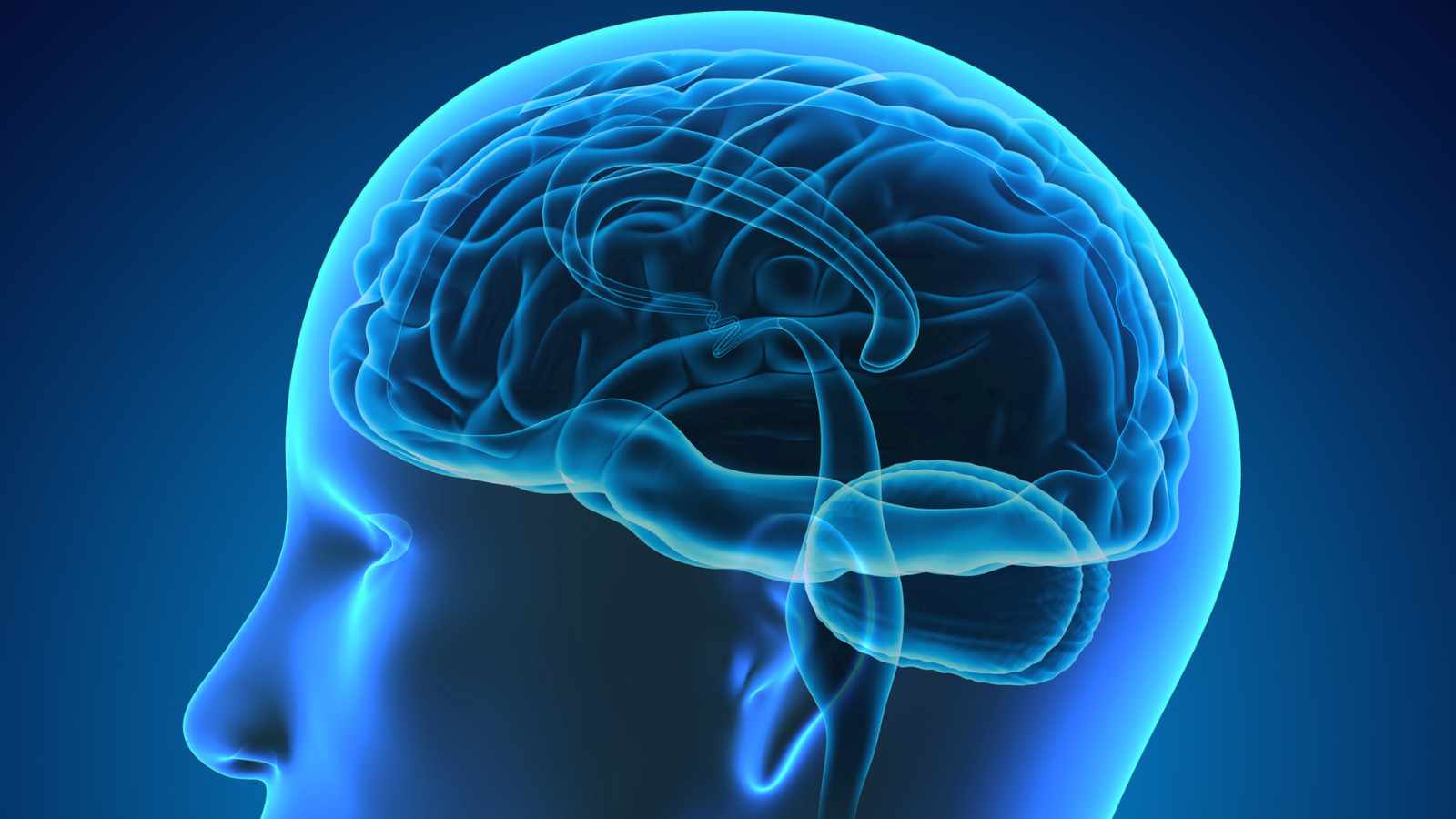
Energy regulation lives largely in the hypothalamus, but eating is also driven by dopamine-rich reward circuits. These systems respond powerfully to sweet, salty, and fatty foods, especially during stress or fatigue. Even when caloric needs are met, sensory cues and learned associations can sustain the desire to eat.
This phenomenon, often called hedonic hunger, explains why dessert still sounds appealing after a large dinner. ScienceDirect notes that people who are bored, emotionally depleted, or stressed frequently report being full but unsatisfied. The body is not asking for calories. It is asking for comfort or stimulation.
Save this article
Learned Habits and Portion Norms Override Internal Cues
Eating behavior is shaped by rules learned early and reinforced socially. Finishing the plate, always having seconds, or pairing dinner with dessert can become automatic scripts. Environmental research from institutions like Cornell’s Food and Brand Lab shows that larger plates and default portions reliably increase intake.
When these norms dominate, people stop using internal cues to decide when to stop. Instead, they rely on visual signals or routine. It is common to feel full yet keep eating because that is simply what happens next. Clinicians often work with patients to identify these habits so hunger can be distinguished from ritual.
Sleep and Stress Are Making You “Hungrier” Than You Really Are
Sleep loss alters appetite hormones in predictable ways. Studies in Sleep and Annals of Internal Medicine show that short sleep is associated with higher ghrelin and lower leptin, a combination that increases hunger and preference for calorie-dense foods.
Chronic stress adds another layer. Elevated cortisol is linked to increased desire for high-fat and high-sugar foods as a form of rapid relief. Doctors frequently hear the same story from patients who are exhausted or overwhelmed. They eat full meals yet continue grazing through the evening. The body is seeking energy and comfort, not nourishment.
Your Eating Speed Does Not Give Satiety Time to Catch Up
Signals from the gut take time. Hormones like cholecystokinin and GLP 1 require about 15 to 20 minutes to reach the brain and register fullness. Studies on eating rate show that faster eating is associated with higher calorie intake before satiety is perceived.
Ultra-processed foods, which are easier to chew and swallow, encourage speed. When meals are finished in minutes, people can overshoot fullness and still feel unsatisfied afterward because pleasure and satiety never synchronize. Clinicians often recommend slowing the meal so the brain can catch up with the stomach.
Key Takeaway
Feeling full but still wanting more is rarely a personal failure. It is the result of hormones, food design, attention, habit, and stress pulling the appetite in different directions.
Understanding these forces makes it easier to respond with strategy and compassion rather than blame.
More articles:
- 10 antioxidant-rich foods that support immune defense
- Why yogurt and fruit may be one of the smartest snacks for long-term health & decreasing belly fat
- 12 reasons carrot juice should be part of your daily routine
Common spices linked to colon cancer prevention

In the quiet routine of seasoning a meal, you may be adding small, powerful defenses against one of the most common cancers.
Your spice rack might actually be hiding some powerful health benefits. It turns out that a handful of common pantry staples pack a serious punch against serious illnesses. Medical researchers are looking closely at how everyday seasonings can fight back against cellular damage in the digestive tract. Learn more.
12 ways extreme heat can change the way your body handles coffee
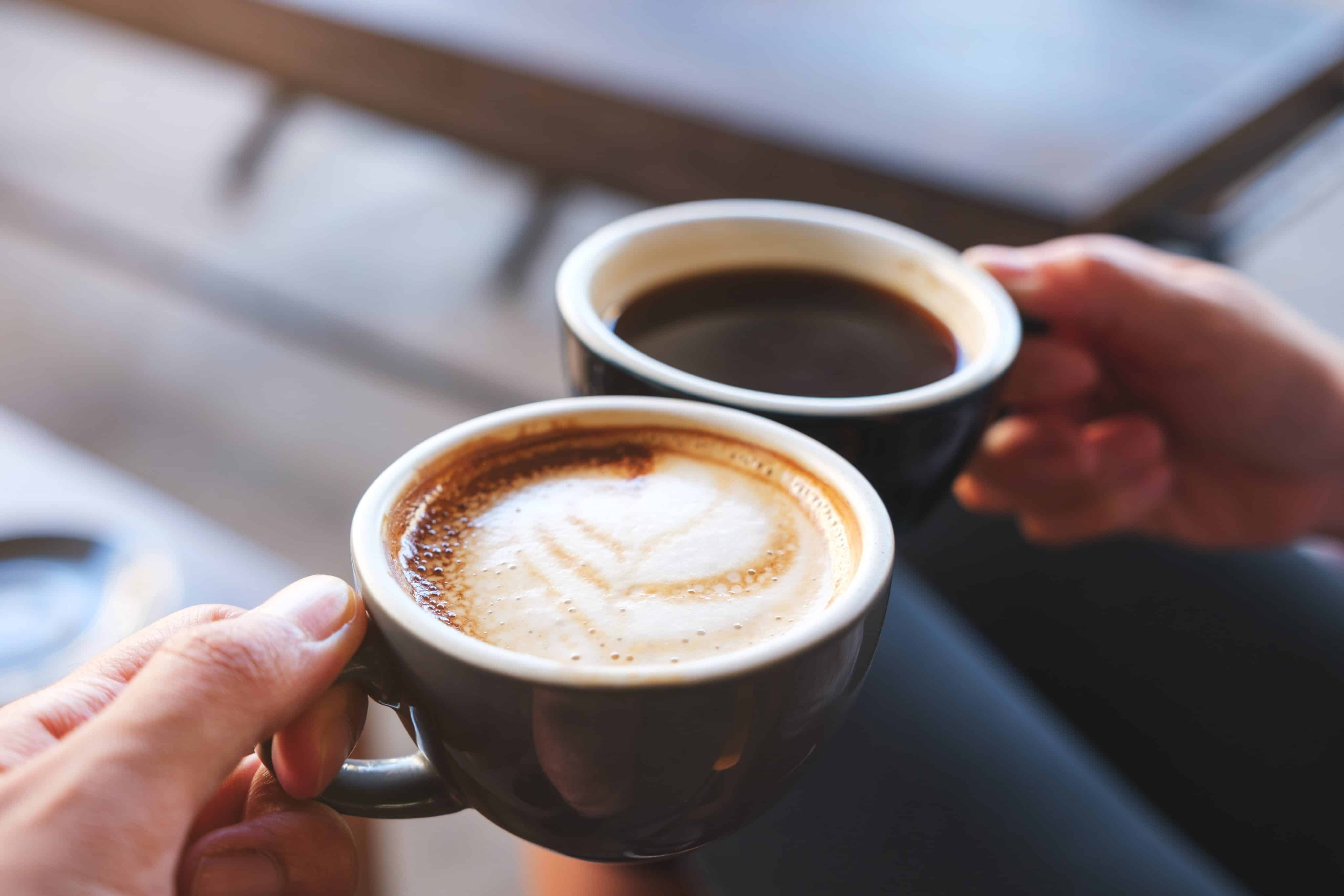
In places where the air no longer cools after sunset, even something as routine as coffee can feel like a different choice.
Your morning cup is still part of many people’s daily rhythm, but in hotter regions, extreme heat can change how the body responds to it. Across parts of the American Southwest, sustained high temperatures and longer heat waves have made hydration and heat stress more important factors in everyday habits. Learn more.
The key to better sleep and steady energy might come down to one mineral missing in your diet

Most people focus on getting more energy during the day and better sleep at night, but one key nutrient plays a role in both.
Magnesium supports muscle function, nerve signaling, and sleep regulation, yet many people don’t get enough of it through their daily diet. Health experts note that even mild deficiencies can affect rest, recovery, and overall well-being. Learn more.





