
It’s unsettling to realize how many everyday products looked perfectly safe right up until they started hurting people.
Most people assume that if a product reaches store shelves, it has already been proven safe. History shows that assumption is not always true.
Over the years, numerous popular products, from toys and household items to electronics and medications, were later recalled, restricted, or banned after causing injuries, health risks, or widespread legal controversy. In some cases, the dangers became obvious only after millions of people had already used them.
Federal agencies such as the U.S. Consumer Product Safety Commission and the U.S. Food and Drug Administration have repeatedly stepped in to remove or regulate products found to pose serious risks to consumers.
Looking back at these cases reveals how safety standards evolved, how companies responded to public pressure, and how everyday products that once seemed harmless sometimes turned out to be far more dangerous than anyone expected.
Easy-Bake Oven (2007 Model)
While the brand itself is still around, one specific model faced a catastrophic recall years ago. The front-loading design allowed children to trap their hands in the heating chamber easily. Regulators received reports of severe burns and even a partial finger amputation.
Hasbro recalled massive numbers of ovens to prevent further injuries to young bakers. It serves as a reminder that cooking toys that involve real heat require a well-designed safety system to be safe. The company had to redesign the entire mechanism to regain parental trust.
Lawn Darts

These heavy metal-tipped darts were a backyard staple in the 1970s and 80s until tragedy struck. The CPSC banned them in 1988 after they were linked to thousands of injuries and the deaths of at least three children. The sharp points could easily pierce a human skull if the dart was thrown too high or went astray.
The ban is so strict that it is actually illegal to sell or even give away existing sets of lawn darts in the United States. It serves as a grim example of how a simple game can become a lethal weapon.
Kinder Surprise Eggs
These famous chocolate treats are beloved worldwide but remain strictly illegal to import into the United States. The FDA banned them under a 1938 law because they contain a “non-nutritive object” completely embedded inside the food.
Customs and Border Protection agents seize tens of thousands of these eggs every year from travelers’ luggage. You can face a surprisingly steep fine per egg if you try to sneak them across the border.
Buckyballs
These high-powered magnetic spheres were marketed as an addictive desk toy for adults. However, the CPSC sued the manufacturer after reports surfaced of children swallowing the tiny magnets. When ingested, the magnets could attract each other across intestinal walls and cause severe internal injuries that required surgery.
The legal battle resulted in a massive recall and the dissolution of the original company. Today, it is illegal to sell high-powered magnet sets that are small enough to be swallowed.
Four Loko (Original Formula)
The original version of this malt beverage was infamously known as “blackout in a can” by college students. In 2010, the FDA sent warning letters to the manufacturers stating that mixing caffeine with alcohol was unsafe. The combination masked the feeling of intoxication, which led to numerous hospitalizations.
The government effectively forced the company to remove caffeine, guarana, and taurine from the recipe. While the brand still exists today, the potent original formula is illegal to produce or sell. It stands as a significant victory for regulators cracking down on dangerous party culture trends.
Sky Dancers

These fairy dolls were designed to spin into the air when a cord on their launcher base was pulled. However, the hard plastic wings spun wildly and unpredictably, which turned the dolls into dangerous projectiles. In 2000, the company recalled nearly 9 million units after receiving reports of scratched corneas and broken teeth.
The CPSC received over 150 injury reports, including cases of temporary blindness and facial lacerations. The recall was one of the largest in toy history and effectively ended the product’s run on store shelves. It showed that even a pretty fairy doll could be a serious health hazard.
Samsung Galaxy Note 7
This smartphone became the subject of a global travel ban after battery defects caused devices to catch fire spontaneously. Aviation authorities issued an emergency order making it a federal crime to bring a phone onto an airplane. Passengers were denied boarding if they refused to part with their devices.
Save this article
The government treated the phone as hazardous material due to the risk of mid-air explosions. Samsung was forced to issue a total recall and permanently discontinue the model to save its reputation. It remains the only smartphone to be singled out by name in a federal flight ban.
Clackers

Clackers were simple toys consisting of two heavy acrylic balls attached by a string. Kids would swing them to make loud noises, but the acrylic spheres were prone to shattering on impact. The exploding plastic sent sharp shrapnel flying into the eyes and faces of children.
Regulators banned the sale of these mechanical hazards decades ago to prevent further injuries. Courts upheld the ban, finding the toys posed an unnecessary risk to public safety. Modern versions use shatterproof plastic to comply with updated safety standards.
Aqua Dots
This craft kit featured small beads that would fuse when sprayed with water. Scientists later discovered that the beads were coated with a chemical that metabolized into a powerful drug when ingested. This caused children to fall into comas after swallowing the beads, which is every parent’s nightmare.
Authorities announced an immediate recall of millions of kits after multiple children were hospitalized. It was a terrifying incident for parents who thought they were buying a harmless art project at the grocery store. The scandal led to stricter chemical testing protocols for imported toys.
Hoverboards (Non-UL Certified)
The hoverboard craze came to a crashing halt when the devices started burning down houses. Poorly manufactured batteries were causing fires, turning a fun gift into a massive budget waste.
Major airlines banned them from flights, and retailers halted sales of non-compliant models. The government effectively banned the import and sale of any board that had not passed rigorous safety testing. It was a swift regulatory response to a viral gadget that moved too fast for safety rules.
Key Takeaways
Consumer safety laws are often written in response to tragedy rather than to prevent it. These ten items show that even the most popular trends can hide dangerous legal and physical risks. It is always wise to check for recalls and safety warnings before bringing a new product into your home.
More articles:
- Live alone? These 10 safety tips could save your life
- 10 common 1960s food-handling habits that break today’s safety rules
- 7 expiration date myths that food safety specialists say are misleading
Disclosure: This article was developed with the assistance of AI and was subsequently reviewed, revised, and approved by our editorial team.
Like our content? Follow us on Newsbreak.
8 everyday safety hazards kids encountered in the 70s

Back in the ’70s, kids were out there riding bikes without helmets, climbing trees without any safety nets, and taking car rides without seatbelts. Well, seatbelts were more of a suggestion than a rule. The safety standards we take for granted today simply didn’t exist back then.
In fact, child mortality rates have dropped dramatically since then, with unintentional injuries falling by nearly 50% between 1960 and 1990! Despite the progress, accidents were still the leading cause of death for kids in that era. Learn more.
12 Surprising (and often hidden) Household Hazards That Could Harm Your Health, Safety, or Pets
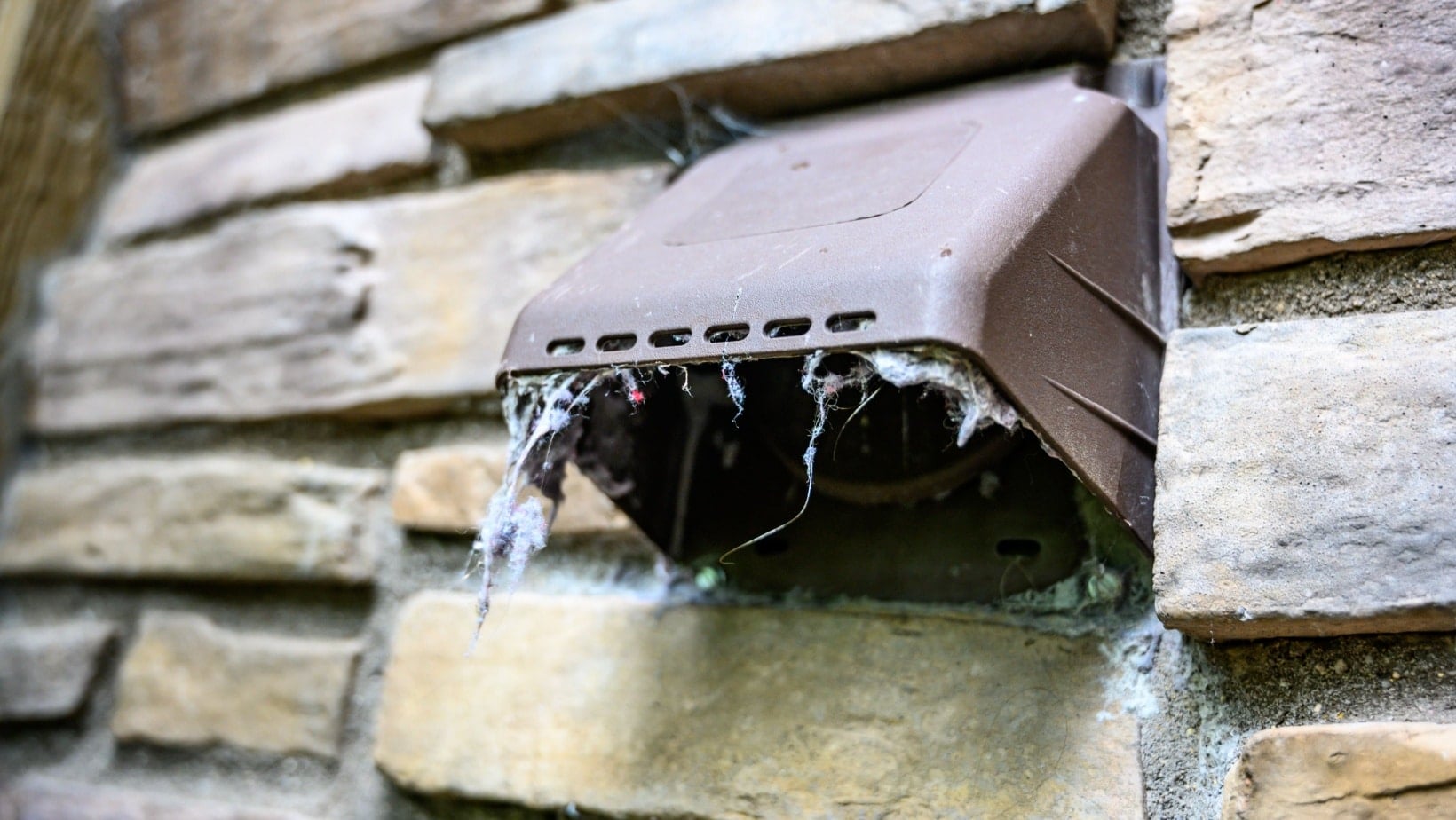
You know that feeling of relief when you get home and finally relax? It’s your safe, cozy space. But some everyday household items could quietly be putting your health, safety, or pets at risk.
No need to bubble-wrap your life—just a little awareness goes a long way. From hidden fire hazards and toxic gases to common kitchen tools that can harm birds, here are 12 hidden dangers that might be lurking in your home—and what to do about them. Peace of mind starts here. Learn more.





