

As life accelerates, many are turning to traditional home habits for a sense of stability and mindfulness. What was once considered outdated is now being embraced by a younger generation seeking more intentional living, with practices from our grandparents making a major comeback.
The modern world is moving so fast that many people are looking backward for a sense of peace and stability. We are seeing a massive resurgence in traditional home habits that our grandparents practiced daily out of necessity. These old-fashioned routines are being rediscovered by a younger generation looking to slow down and live more intentionally.
What was once considered outdated is now being rebranded as mindful living or sustainable habits. Whether it is a desire to save money or a quest for better health, these vintage practices are making a huge comeback. Here are ten classic grandparent home habits that are trending in modern households once again.
DIY Home Remedies

Grandparents had a solution for almost every minor ailment using items already found in the pantry. Whether it was a honey-and-lemon tonic for a sore throat or an oatmeal bath for itchy skin, they relied on nature first.
While modern medicine is essential, many find comfort in the simple efficacy of a warm saltwater gargle or a cup of peppermint tea. These remedies often save a trip to the store and help people feel more in tune with their own bodies. It is an empowering way to manage minor wellness issues at home.
Line Drying Laundry

There is nothing quite like the scent of sheets that have spent the afternoon baking in the fresh air and sunshine. Using a clothesline is a simple way to extend the life of your clothes by avoiding the high heat of a tumble dryer.
The savings from this habit are more than just anecdotal for your household budget. According to an energy analysis based on U.S. Department of Energy data, clothes dryers account for about 6% of a home’s total energy use. Switching to the sun for drying can save the average household over $100 annually in utility costs.
Keeping a Kitchen Scrap Jar
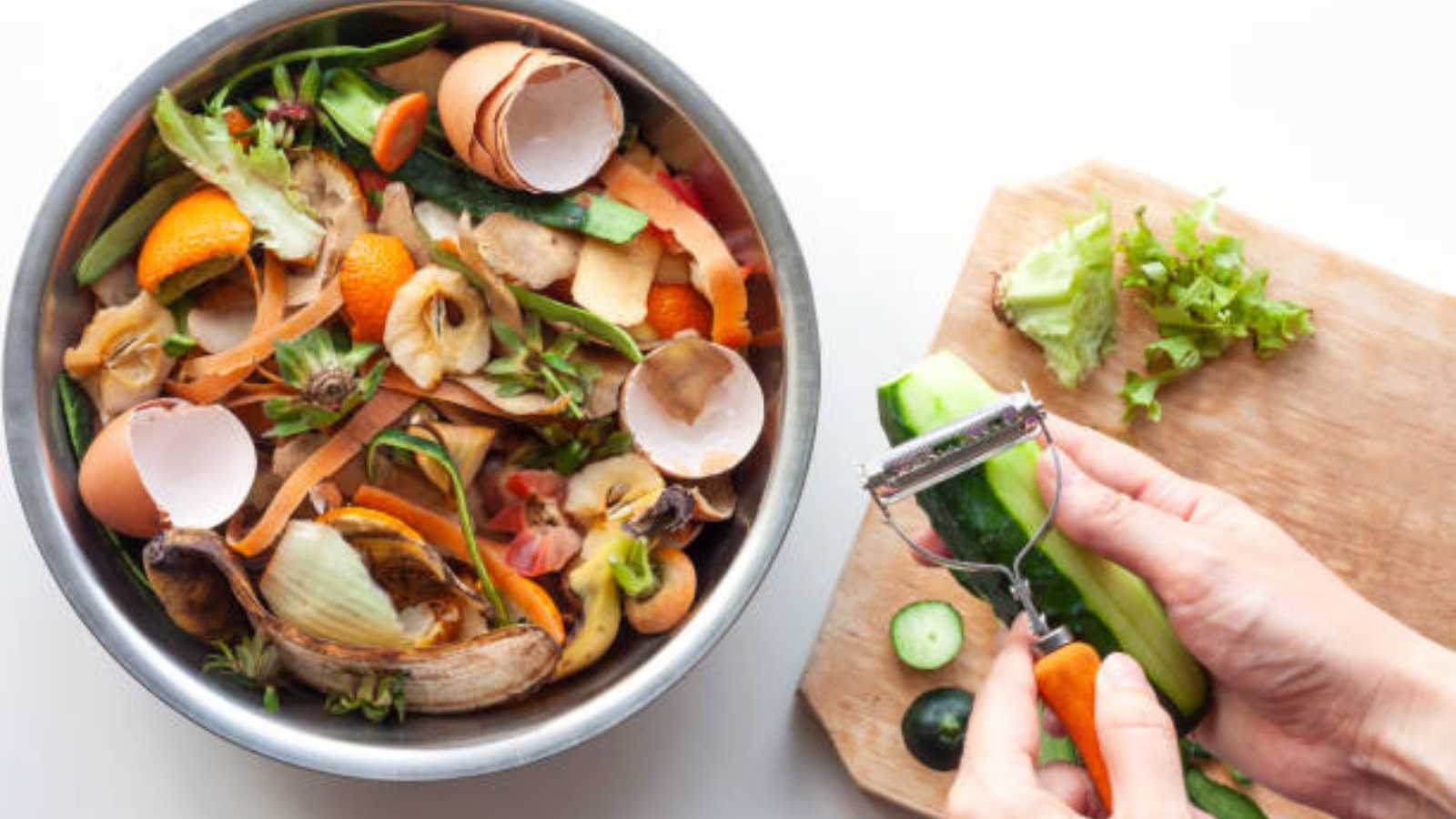
Grandparents knew that nothing in the kitchen should ever go to waste if it could be used elsewhere. They kept jars of bacon grease for cooking and scrap bins for the garden. Today, the zero-waste movement has brought the countertop compost bin back into the mainstream spotlight.
Modern home cooks are realizing that food waste is a massive environmental and financial burden. The EPA reports that food waste makes up about 24% of municipal solid waste in landfills. Turning those scraps into compost or broth reduces your footprint while providing free nutrients for your garden.
The Art of Mending
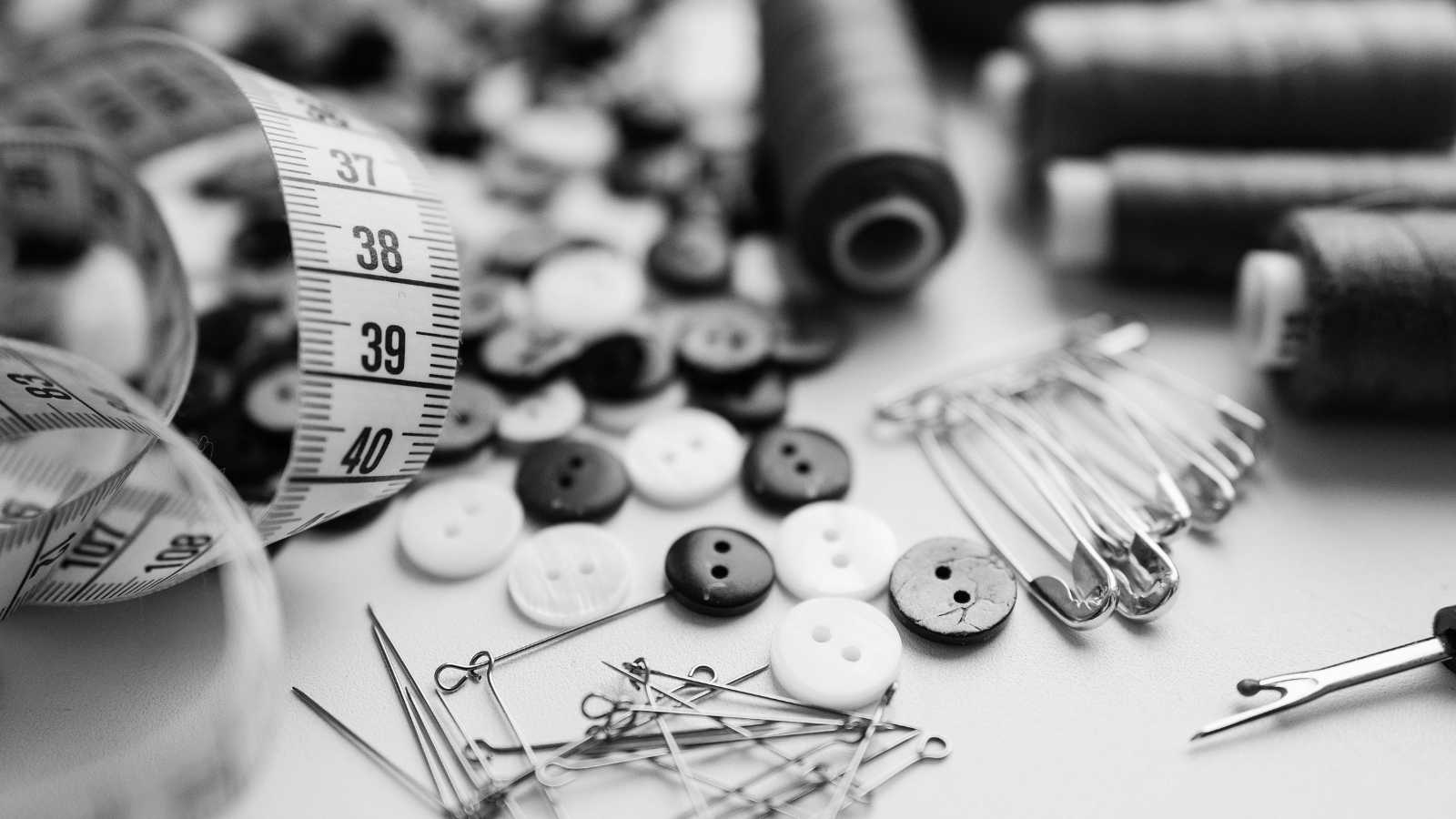
In the past, if a favorite shirt lost a button, you did not just throw it away. Grandparents were masters of patching to keep their belongings in use as long as possible. As people push back against fast fashion, the skill of visible mending is becoming a trend in self-expression.
The need for mending is evident when you look at how much clothing we currently discard. Data from the EPA show that the average American throws away roughly 81 pounds of clothing and textiles each year. Learning to sew a simple patch can divert significant waste and save you from buying new replacements.
Seasonal Canning and Preserving
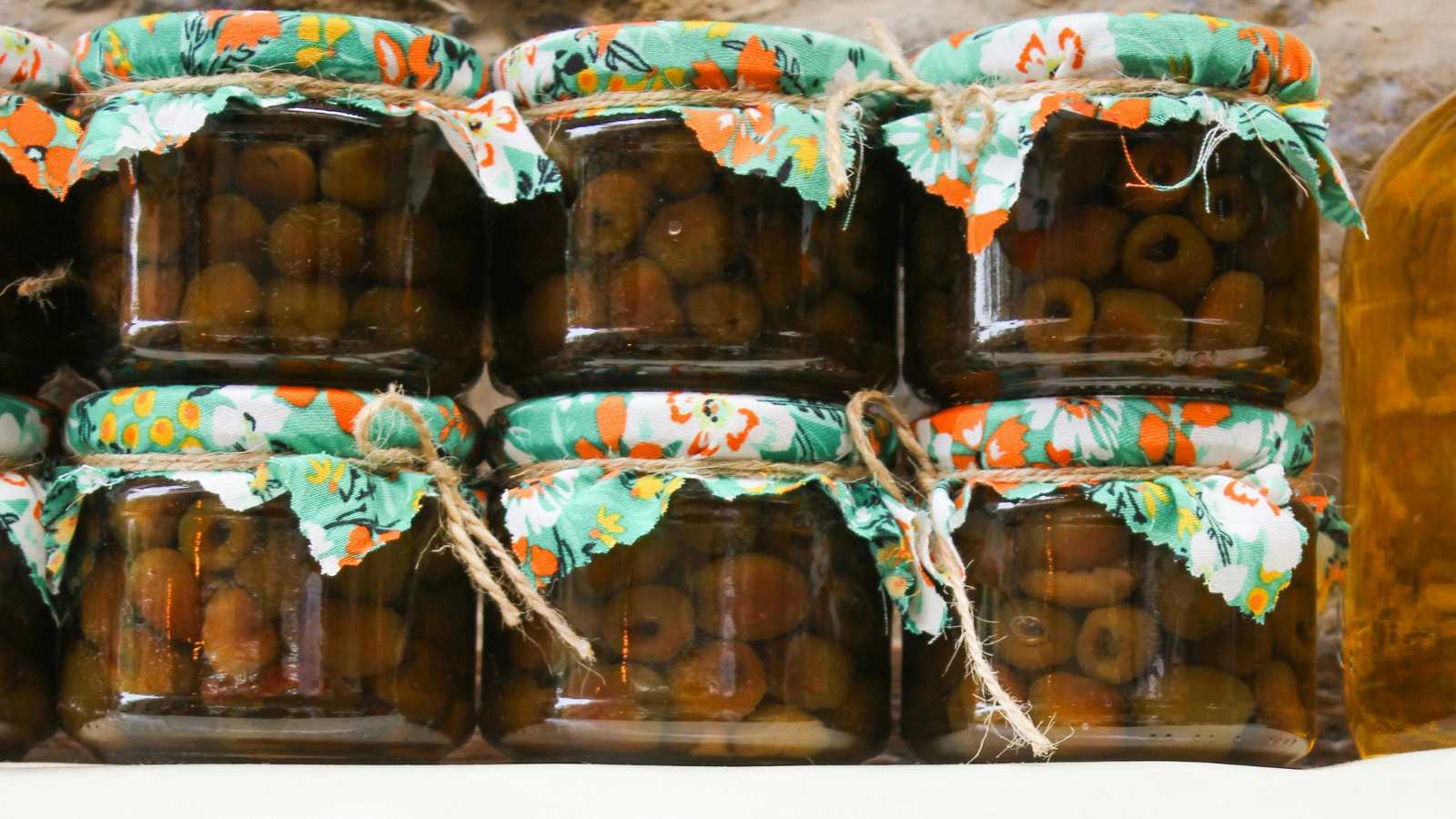
A pantry full of colorful glass jars was once the hallmark of a prepared, hardworking household. Grandparents spent their summers “putting up” tomatoes, pickles, and jams to ensure they had high-quality food throughout the winter months.
The popularity of home canning is officially on the rise among younger generations. Market research indicates that the global home canning jars market is projected to grow by several billion dollars over the next decade. People are willing to invest in equipment to ensure their families eat preservative-free produce year-round.
5. Using Cast Iron Cookware
Save this article
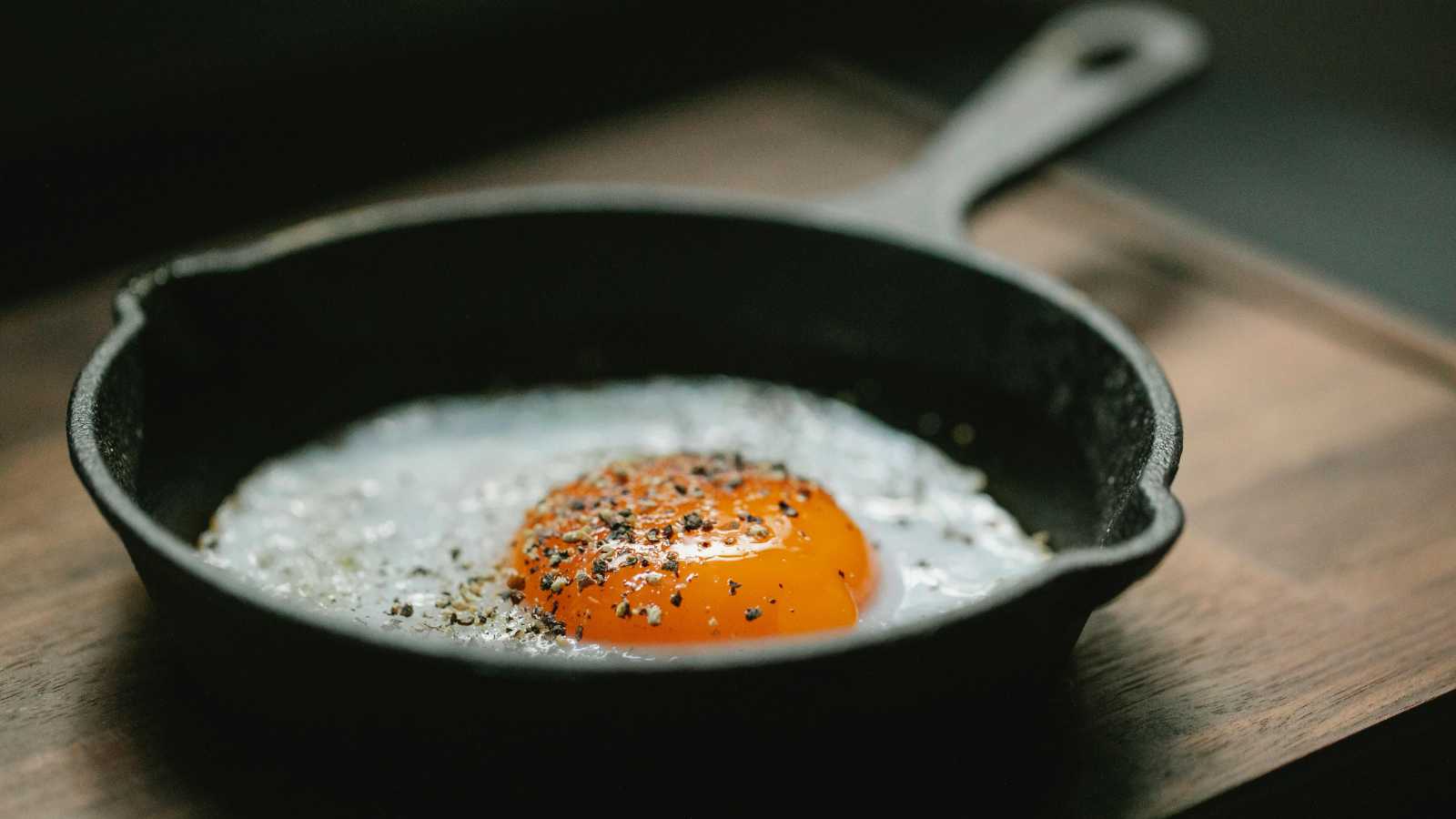
Many of us remember the heavy black pans that lived on the back of our grandmother’s stove for decades. These pans were prized for their durability and their ability to create a perfect sear on any meal. After years of being replaced by non-stick coatings, cast iron is reclaiming its spot as a kitchen essential.
People are moving away from synthetic coatings due to concerns about chemicals like PFOA. Market research indicates that the cast iron cookware market is projected to reach roughly $7 billion by 2030. Home cooks appreciate that these pans actually improve with age and can last for several lifetimes.
Curating a Cutting Garden
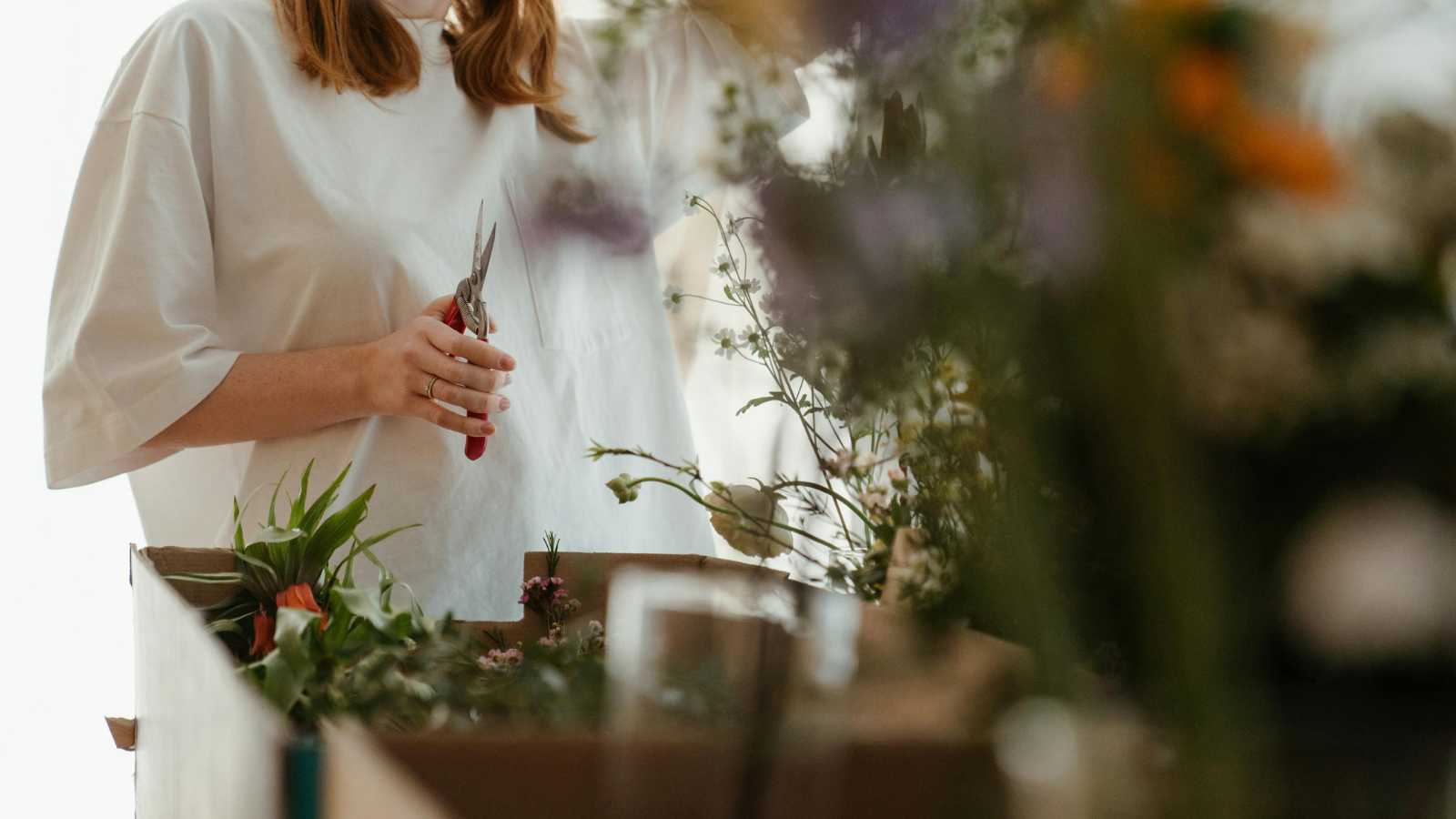
Grandparents often kept a small patch of the yard dedicated to flowers that could be brought inside to brighten the home. Today, more homeowners are trading perfectly manicured lawns for messy and beautiful flower beds.
The trend of “homegrown” flowers is part of a larger boom in gardening across the country. Data from the National Gardening Association shows that Americans spent a record $52.3 billion on lawn and garden retail products in recent years. Growing your own bouquets is a way to enjoy luxury without the high price tag.
Handwriting Letters and Cards

Before the era of instant messaging, the mailbox was the primary way to stay connected with distant loved ones. In a world full of digital noise, receiving a physical letter has become a rare and cherished experience.
While digital communication is fast, it lacks the personal touch many people crave. Taking the time to sit down with a pen and paper forces a person to slow down and think about their words. It is a meaningful way to improve your mental well-being and build a stronger connection with friends.
Sitting on the Front Porch
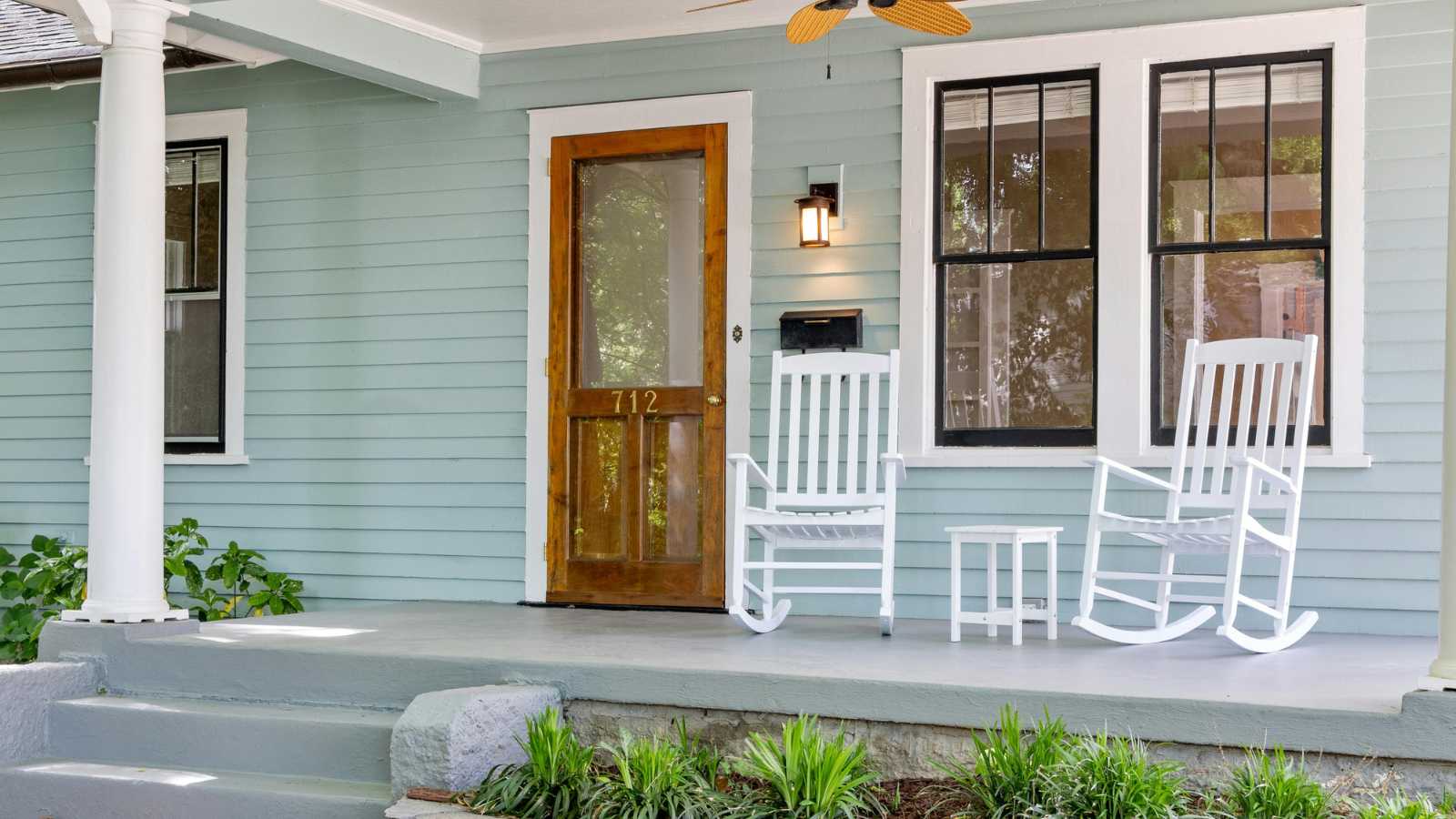
The front porch was once the neighborhood’s social hub, where grandparents would relax and chat with passing neighbors, helping them stay connected to the community. As we become more isolated, many are returning to the porch to reclaim that sense of belonging.
Spending time on the porch encourages unplanned interactions that build stronger bonds between neighbors. It is the perfect spot for a morning coffee or an evening wind-down after a long day. This simple habit turns a house into a home that feels open and welcoming to the world.
Planning for “Meatless” Meals

During leaner times, grandparents often built their menus around affordable staples like beans, eggs, and seasonal vegetables. Meat was usually seen as a luxury or a treat for Sunday dinner rather than a daily requirement. This frugal habit is now being adopted for both environmental reasons and to help the family’s grocery bill.
Rediscovering the versatility of lentils or the humble potato can yield surprisingly delicious and creative meals. It challenges the cook to find flavor in herbs and spices rather than relying on meat as the centerpiece. This practice is a win for your wallet.
Key Takeaways

The revival of grandparent habits shows that the “old ways” often hold the secrets to a more balanced and fulfilling life. By line-drying our clothes or mending our own jeans, we reclaim a sense of self-reliance that is often lost in the modern world. These habits remind us that sometimes the best way to move forward is to take a page from the past.
Disclaimer: This list is solely the author’s opinion based on research and publicly available information. It is not intended to be professional advice.
Disclosure: This article was developed with the assistance of AI and was subsequently reviewed, revised, and approved by our editorial team.
Like our content? Be sure to follow us





