

Resistant starch may be one of the missing pieces in low FODMAP IBS care, but whether it helps or hurts often depends on which IBS subtype you have.
Resistant starch (RS) is a unique type of carbohydrate that escapes digestion in the small intestine and is slowly fermented in the colon, where it can support gut health and potentially help people with irritable bowel syndrome (IBS), especially when used alongside a low FODMAP approach. The way you use resistant starch, and even which starchy foods you emphasize, may need to look different depending on whether you have IBS‑D, IBS‑C, or a mixed pattern.
- Quick refresher: resistant starch vs FODMAPs
- What does the research say about RS and IBS?
- Why IBS subtype matters for starch and fiber choices
- How to think about starches and RS if you have IBS‑D
- How to think about starches and RS if you have IBS‑C
- What if you have IBS‑M or your pattern fluctuates?
- Practical low FODMAP RS ideas to tailor by subtype
- The Takeaway
Quick refresher: resistant starch vs FODMAPs
Resistant starch is the portion of starch that resists digestion by human enzymes and reaches the large intestine intact, where it becomes fuel for gut microbes. It behaves more like fiber than a typical starch: you don’t fully digest it, it contributes fewer calories, and it is fermented into short‑chain fatty acids (SCFAs) like butyrate.
FODMAPs, on the other hand, are small, rapidly fermented carbohydrates that pull water into the gut and produce gas quickly when fermented. That rapid fermentation and osmotic effect are a big reason FODMAPs can trigger pain, bloating, diarrhea, or urgency in people with IBS. RS ferments more slowly, so gas is generated gradually rather than in a sharp burst, which can be easier to tolerate for some people with IBS, particularly when amounts are introduced carefully.
Importantly, resistant starch is not itself classified as a FODMAP, although RS‑rich foods may also contain FODMAPs depending on the source and portion size.
What does the research say about RS and IBS?

Human data are still limited but informative.
A pilot trial by Yao et al. looked at the tolerability of type 2 resistant starch (RS2 from Hi‑Maize 1043) in people with IBS and healthy controls. Participants consumed RS2, a minimally fermented fiber (sugarcane bagasse; bagasse is the fibrous, pulpy residue left behind after crushing sugarcane stalks to extract their juice), or a combination of both in escalating doses up to 20 g/day over three‑week periods. Bloating scores increased with RS2 across doses, but overall IBS symptom scores did not significantly worsen versus baseline or the minimally fermented fiber, suggesting RS2 can be tolerated if introduced gradually, though some extra gas is likely.
Tuck et al. then layered fibers (including an RS component) onto a low FODMAP diet in adults with IBS using a randomized cross‑over design. Compared with a standard‑fiber low FODMAP diet, adding fiber blends increased total fiber intake and improved stool bulk and very hard stool consistency without worsening global IBS symptoms or reducing response to the low FODMAP diet. The RS‑containing arm did not deliver large extra symptom benefits beyond the minimally fermented fiber, but it also did not aggravate symptoms.
At the same time, observational work in Australian adults with IBS on a low FODMAP diet found that their habitual RS intake was relatively low, raising concerns about long‑term impacts on microbial diversity and SCFA production. A recent review in Nutrients highlights that RS can increase beneficial postbiotics such as butyrate, indoles, and bile acid derivatives that may support barrier integrity, modulate inflammation, and influence gut–brain signaling in IBS, and argues for personalized RS strategies by IBS subtype.
If this section above was a tad confusing, here are the highlights: Research suggests resistant starch can usually be added to an IBS‑appropriate, low FODMAP diet without making overall symptoms worse, especially if you increase it slowly. People may get a bit more gas and bloating, but stool consistency often improves, and resistant starch can help feed beneficial gut bacteria that support long‑term gut health.
Why IBS subtype matters for starch and fiber choices

IBS is typically divided into four subtypes based on stool pattern: IBS‑D (diarrhea‑predominant), IBS‑C (constipation‑predominant), IBS‑M (mixed), and IBS‑U (unsubtyped). Different fiber types can have very different effects on motility, stool form, and gas production, which is why “just eat more fiber” is often unhelpful advice in IBS.
A large review on fiber in IBS notes that:
- Short‑chain, highly fermentable fibers (such as many oligosaccharides) tend to generate gas quickly and can worsen bloating and discomfort.
- Long‑chain, moderately fermentable soluble fibers (for example, psyllium) generally produce less gas and can improve overall IBS symptoms in IBS‑D, IBS‑M, and IBS‑C.
- Insoluble fibers increase fecal bulk and speed transit but can aggravate symptoms if increased too quickly.
Resistant starch sits somewhere between these categories: it is fermentable but tends to be more slowly fermented than classic FODMAP fibers, and different RS types (RS2 vs RS3 vs RS4) may behave differently. That means the “best” way to use RS can look different in IBS‑D versus IBS‑C.
How to think about starches and RS if you have IBS‑D
If your IBS is diarrhea‑predominant, your main goals are to reduce urgency, calm motility, and avoid big, rapid spikes in fermentation and fluid in the colon.
For IBS‑D, general fiber guidance emphasizes:
- Prioritizing soluble, moderately fermentable fibers (like psyllium, oats, chia) that help form gel‑like stools and slow transit a bit.
- Avoiding large amounts of highly fermentable, short‑chain fibers and sugar alcohols that pull in water and generate gas quickly.
When it comes to starches and resistant starch for IBS‑D:
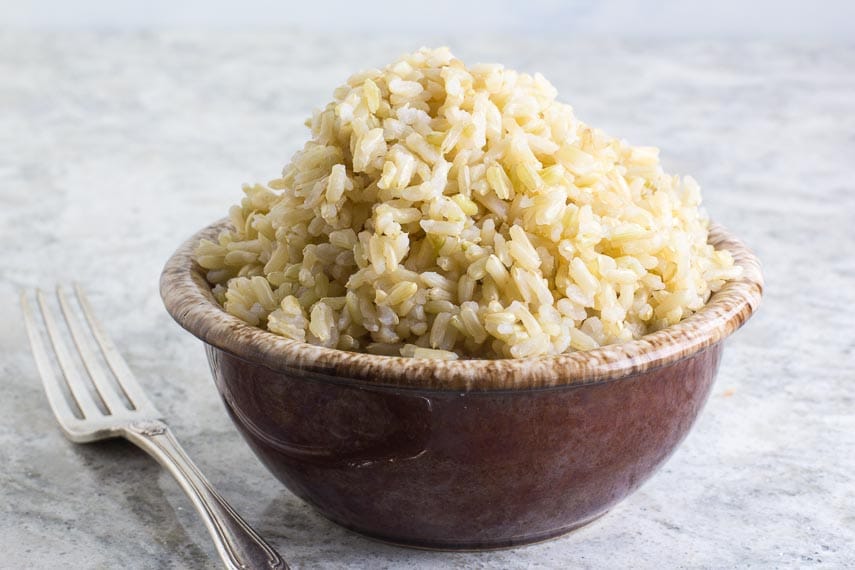
- Start with lower‑dose, food‑based RS from low FODMAP sources. A small portion of cooled rice, cooled potatoes, or firm banana within Monash‑tested servings is often better tolerated than large doses of isolated RS2 powders.
- Be more cautious with big jumps in RS intake. The RS2 pilot showed increased bloating at all doses up to 20 g/day, and IBS‑D patients can be particularly sensitive to rapid gas and distension. Consider very small RS steps (for example, adding a half serving of cooled rice at lunch) and holding for several days before increasing.
- Pair RS with binding, soluble fiber. Combining RS‑containing foods with soluble, gel‑forming fibers (like psyllium or chia, if tolerated) may help slow transit and stabilize stool form, similar to the way fiber blends improved stool consistency in the Tuck trial.
- Emphasize starches that are low FODMAP and not highly osmotic. Well‑cooked white rice, firm bananas, and low FODMAP portions of oats are often first‑line starches in IBS‑D, and you can strategically “retrograde” some of that starch by cooling part of your rice or potatoes.
A practical example for IBS‑D might be: warm oats at breakfast, a modest serving of cooled white rice in a low FODMAP lunch bowl, and mostly non‑retrograded starch at dinner (such as freshly cooked potatoes) while you assess tolerance.
How to think about starches and RS if you have IBS‑C
Save this article
If your IBS is constipation‑predominant, the priorities usually shift toward increasing stool bulk, softening hard stools, and supporting motility—without triggering a lot of extra pain or bloating.
For IBS‑C, fiber guidance often includes:
- Increasing total fiber, particularly soluble and some insoluble fiber, while hydrating adequately to help stool bulk move.
- Introducing fiber gradually (for example, no more than an extra 5 g/day per week) to limit gas and discomfort.
The Tuck cross‑over trial is especially relevant here: adding extra fibers, including sugarcane bagasse and a RS component, to a low FODMAP diet increased stool bulk and improved hard stool consistency and slow transit. Global IBS symptoms did not worsen, suggesting this approach can be appropriate for at least some people with IBS‑C or slow transit physiology.
For IBS‑C, you might:
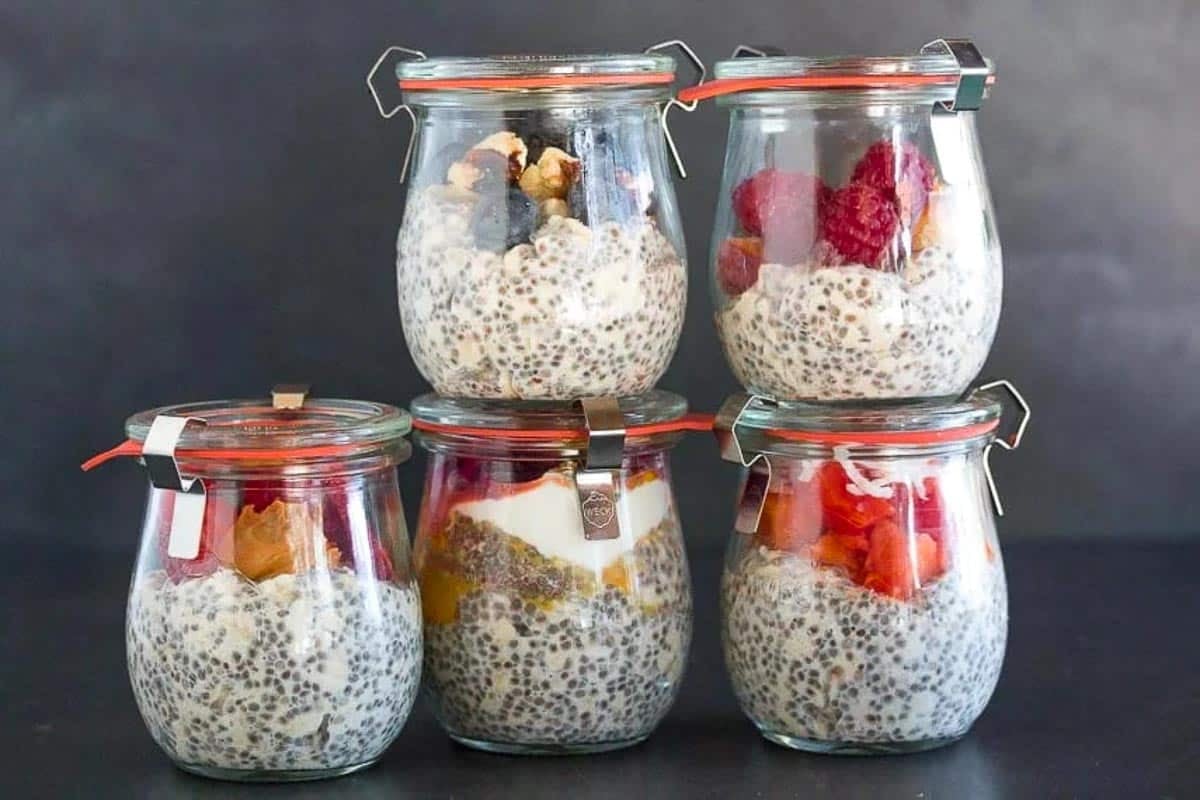
- More proactively use RS‑rich low FODMAP foods. Within tolerated ranges, cooked‑and‑cooled potatoes, cooled rice, oats (including overnight oats), and small amounts of lentils are all ways to increase RS and overall fermentable substrate to soften stool and encourage motility.
- Build up to moderate RS intakes rather than staying at very low levels long‑term. Because RS fermentation generates SCFAs (particularly butyrate) that can stimulate colonic motility and improve stool form, a moderate RS intake may be more of a “feature” than a bug in IBS‑C, as long as increases are gradual.
- Combine RS with adequate fluids and some insoluble fiber. For example, pairing cooled potatoes with low FODMAP vegetables that provide a bit of insoluble fiber can help increase bulk and transit, but you still want to avoid sudden, large jumps that could lead to bloating.
A sample day for IBS‑C might include: overnight oats with firm banana at breakfast, a lentil‑containing salad within low FODMAP portions at lunch, and cooled potato salad alongside a protein and vegetables at dinner.
What if you have IBS‑M or your pattern fluctuates?
Many people fall into IBS‑M (mixed) or find they swing between constipation and diarrhea over time. In that case, a more conservative, symptom‑responsive approach makes sense:
- Start as if you were IBS‑D: modest RS intakes from low FODMAP food sources, introduced slowly, while symptoms are unstable or diarrhea‑leaning.
- When your pattern is trending more constipated and relatively stable, cautiously move toward the IBS‑C pattern—slightly more RS and total fiber, with careful monitoring of gas and pain.
- Use a symptom and stool diary. Since RS effects are partly delayed due to slow fermentation, tracking your stool form (using something like the Bristol stool scale) and symptoms across several days is more informative than focusing on a single meal.
The emerging postbiotic‑focused research suggests that personalized RS strategies informed by subtype, microbiome, and symptom pattern will likely be the future of IBS nutrition care.
Practical low FODMAP RS ideas to tailor by subtype
Within Monash‑tested portions, some examples for IBS‑D or IBS‑C needs include:
- Firm (just‑ripe) bananas
- Rolled or steel‑cut oats (including overnight oats)
- Cooked‑and‑cooled white potatoes
- Cooked‑and‑cooled white rice or brown rice pasta
- Small portions of lentils or chickpeas that test low FODMAP per serve
For IBS‑D, you might choose one RS‑containing food per day, in small amounts, and stick to gentle options like cooled rice or firm banana, paired with soluble fiber and low fat. For IBS‑C, you might include 2–3 RS‑containing foods across the day, combined with additional fiber and fluids, titrating up slowly as long as bloating remains tolerable.
The Takeaway
Resistant starch doesn’t need to be on your “fear” list if you live with IBS; in fact, it can be one of the tools that helps you protect your gut over the long haul.
When you choose low FODMAP sources and match the type and amount of starch to your IBS subtype, you can often get the benefits of better stool consistency, more microbial “fuel,” and a healthier colon without giving up the symptom control you’ve worked so hard to achieve.
References
Yao CK, Tuck CJ, Christophersen CT, et al. Evaluating tolerability of resistant starch 2, alone and in combination with minimally fermented fibre, in patients with irritable bowel syndrome and healthy controls. British Journal of Nutrition. 2022;127(4):550-560.
https://pmc.ncbi.nlm.nih.gov/articles/PMC8889220/
Tuck CJ, Yao CK, Vanner SJ, et al. Supplementing Dietary Fibers With a Low FODMAP Diet in Irritable Bowel Syndrome Patients: A Randomized Cross-Over Trial. Clinical Gastroenterology and Hepatology. 2022.
https://pubmed.ncbi.nlm.nih.gov/34929392/
Ran Y, Devine A, Marlow E, et al. Resistant Starch Intake Is Low in Australian Adults With Irritable Bowel Syndrome Who Follow a Low FODMAP Diet. Journal of the Academy of Nutrition and Dietetics. 2022.
https://www.sciencedirect.com/science/article/pii/S2475299123205958
So D, Whelan K, Rossi M, et al. Resistant Starch and Microbiota-Derived Secondary Metabolites: Therapeutic Potential in Irritable Bowel Syndrome. Nutrients. 2025.
https://pmc.ncbi.nlm.nih.gov/articles/PMC12386623/
Rinninella E, Cintoni M, Raoul P, et al. A Focus on Postbiotic Pathways in Gut Health and Irritable Bowel Syndrome.Nutrients. 2025.
https://pubmed.ncbi.nlm.nih.gov/40869071/
Nasr ZG, et al. A randomized clinical trial using smart caps to measure gastrointestinal effects of a novel resistant starch blend. Frontiers in Nutrition. 2022;9:987216.
https://www.frontiersin.org/articles/10.3389/fnut.2022.987216/full
Monash FODMAP. Dietary fibre series – resistant starch. Monash University FODMAP Blog.
https://www.monashfodmap.com/blog/dietary-fibre-series-resistant-starch/
Melini V, Melini F. Strategies for Producing Low FODMAP Foodstuffs. Nutrients. 2023;15(4).
https://pmc.ncbi.nlm.nih.gov/articles/PMC9956220/
Eswaran S, Tack J, Chey WD. Dietary fiber in irritable bowel syndrome: A review. International Journal of Molecular Medicine. 2017;40(5):607-616.
https://pmc.ncbi.nlm.nih.gov/articles/PMC5548066/
FODMAP Friendly. Prebiotics, Resistant Starch and IBS Related Symptoms. 2025.
https://fodmapfriendly.com/blog-posts/resistantstarch/
International Foundation for Gastrointestinal Disorders (IFFGD). Subtypes of IBS – Know the 3. 2022.
https://aboutibs.org/signs-and-symptoms/subtypes-of-ibs/





