

Many of us have experienced the disappointment of biting into a childhood favorite only to discover it doesn’t taste the way we remember. While nostalgia may play a role, food scientists say there are real reasons some modern foods seem less flavorful than they once were.
Over the past several decades, the food system has undergone a dramatic transformation. Farmers and producers have increasingly prioritized traits such as higher yields, disease resistance, uniform appearance, and the ability to withstand long-distance shipping. In many cases, flavor became a secondary consideration.
Research suggests that some fruits, vegetables, and other grocery staples contain lower levels of the sugars, acids, and aromatic compounds responsible for their distinctive taste. At the same time, processing techniques and artificial flavoring have changed how many foods reach our plates.
The result is a growing perception that some beloved foods simply don’t deliver the same flavor they once did. Here are 10 foods that many consumers and experts say have lost some of their former appeal—and the science that may explain why.
The Modern Tomato
If you think the tomatoes at the shop taste like wet cardboard, you are actually correct. Commercial growers have spent decades breeding tomatoes that are perfectly round and firm enough to survive a thousand miles in a crate. This trade-off has left us with beautiful red spheres that have almost zero aromatic flavor.
The sensory profile of the modern tomato has declined as efficiency has taken center stage. Most mass-produced varieties lack the rich and earthy notes that once defined a summer garden harvest.
This is a primary reason home gardeners are seeing a massive resurgence in the popularity of heirloom seeds. These older varieties remind us of what a real tomato is supposed to be.
Store Bought Strawberries
The giant strawberries you see in the plastic clamshells are a far cry from the tiny wild berries of the past. These berries have been bred for size and a long shelf life so that they can look perfect for days. However, as the berries get larger, the concentration of flavor compounds and natural sugars becomes diluted. You end up with a fruit that looks like a ruby but tastes like a crunchy cucumber.
Industrial farms often prioritize water weight to increase their profit margins at the grocery store. This results in a fruit that is visually impressive but flavorless. Many shoppers now find that the centers of these berries are white and tasteless rather than red and sweet.
Choosing smaller or local berries is often the only way to find that classic summer sweetness again. It is a reminder that bigger is rarely better in the world of fruit.
Industrial Chicken
Chicken used to be a special Sunday treat, with a rich, savory flavor profile. Today, the average bird is raised so quickly that the meat often lacks any distinct character.
Modern chickens are bred to reach market weight in a fraction of the time compared to birds from previous decades. This rapid growth leads to a change in texture, with the muscle fibers becoming tough and tasteless.
Statistics show that the average weight of market chickens has more than doubled, from about 3 pounds in the 1950s to around 6 pounds today. This change makes it much harder to find a bird that tastes like real food without paying a premium price.
Chocolate Bars
The candy bars you grab at the checkout counter have undergone a subtle but noticeable recipe shift. To reduce costs, many manufacturers have replaced expensive cocoa butter with cheaper vegetable oils.
They also use a process called “Dutching,” which strips away the natural acidity and complexity of the cocoa bean. The result is a bar that feels more like sweet wax than the decadent indulgence it once was.
Market reports on the confectionery industry show a massive surge in the use of cocoa butter alternatives. Data indicate that the global market for cocoa butter equivalents expanded to $ 1.35 billion in 2025. Protecting your holiday budget might mean buying fewer but higher-quality treats.
Apples
In the past, you could walk into an orchard and find dozens of varieties with unique tart and spicy notes. Today, the market is dominated by a few specific types, like Red Delicious, which were bred entirely for their color.
These apples have thick skins and a mealy texture that most people find completely unappealing. The focus on a “perfect” appearance has robbed the fruit of its natural juice and crispness.
Reports show that while 7,000 apple varieties were once grown in the United States, only 15 now make up 90% of sales. Keeping your health goals in mind often requires hunting for heirloom varieties at a local stand.
Farmed Salmon
Wild salmon spend their lives swimming thousands of miles and eating a diverse diet of shrimp and krill. Farmed salmon are kept in crowded pens and fed a processed pellet diet that lacks natural nutrients.
This restricted environment results in a fish that is much fatter and lacks the firm texture of its wild cousins. The vibrant orange color you see is often just a synthetic dye added to the feed.
Trends show that farmed fish account for over 70% of the salmon consumed in the United States today. Spending a bit more of your money on wild-caught fish is a smart move for your palate.
Peaches
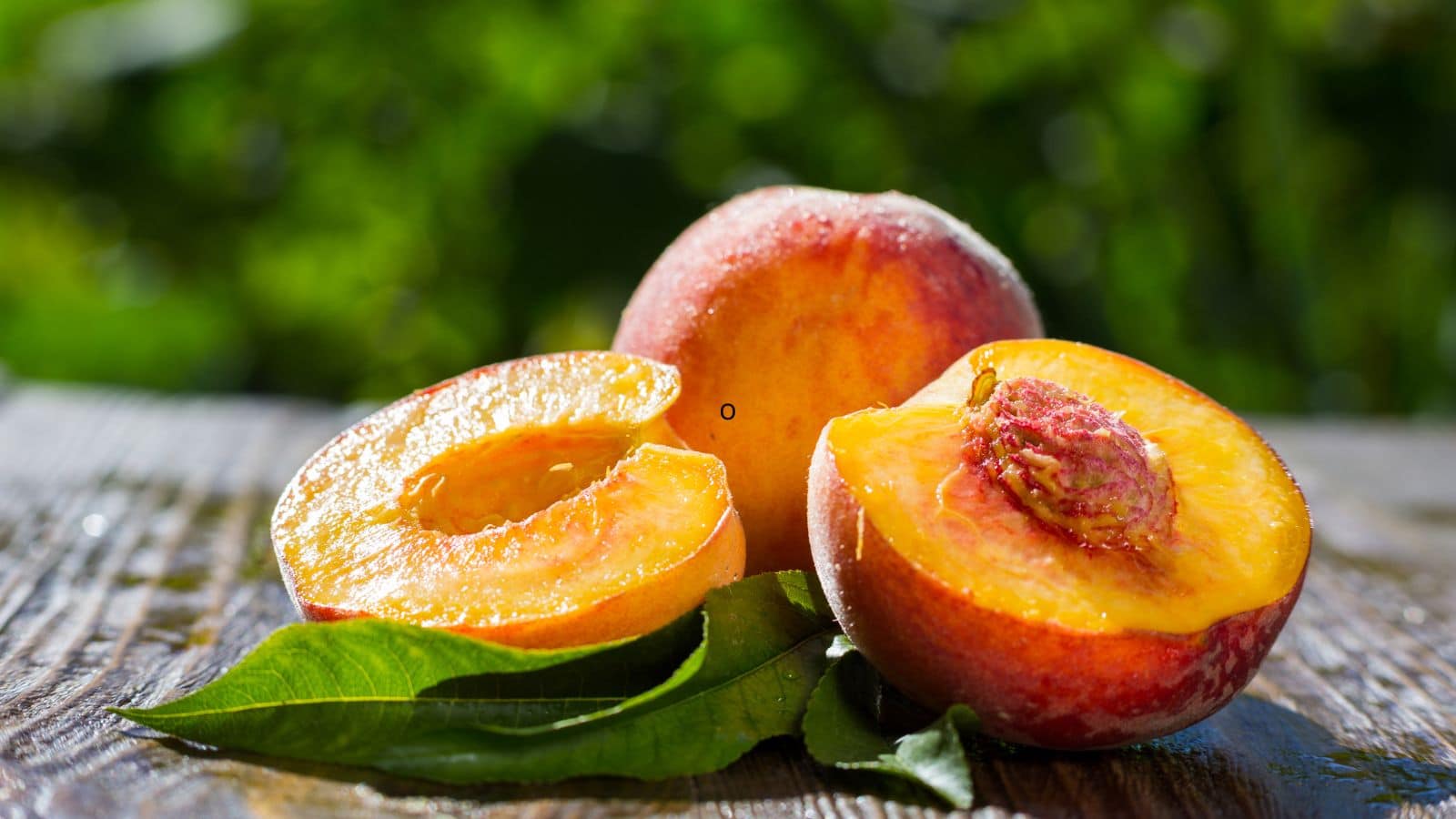
A perfect peach should be so juicy that you have to eat it over a kitchen sink. Modern peaches are often picked while still rock-hard, so they do not bruise during shipping. This prevents the fruit from ever developing its full sugar content or that intoxicating floral aroma. You end up with a fuzzy ball that stays hard for a week and then immediately turns to mush.
Save this article
Research on peach ripening shows that fruit picked early for commercial shipping generally has lower sugar content and less sweetness than peaches allowed to ripen fully on the tree.
It is a blow to your summer lifestyle when the fruit fails to deliver that burst of flavor. Finding a tree-ripened peach is like finding gold in a world of stone fruit disappointments.
Bread
The sliced bread in the grocery aisle is a marvel of chemistry designed to stay soft for weeks. Traditional bread requires only four ingredients and a long fermentation process to develop a complex sourdough flavor.
Modern commercial loaves use fast-acting yeast and conditioners that bypass the flavor-building stages of baking. You are left with a sponge-like texture that lacks any real crust or soul.
Data indicate that the average commercial loaf contains more than 20 ingredients, including preservatives and dough strengtheners. This efficiency might save your budget, but it ruins your morning toast experience.
Pork
Pork was once known as the “other white meat,” but it used to have a lot more flavor and fat. In an effort to make pork leaner for health-conscious consumers, the industry bred out the intramuscular marbling. The rich and savory notes of a heritage pig have been lost in the pursuit of leanness.
Modern hogs are bred to be much leaner than they were just a few decades ago. This change in biology means the meat lacks the moisture that once made pork chops a family favorite.
Driving your car to a local butcher who sources heritage breeds is often the only way to find authentic flavor. You can really tell the difference when the meat is darker and has visible fat. It is a reminder that fat is often the source of the flavor we crave.
Corn on the Cob
Corn has become so incredibly sweet that it often tastes more like candy than a vegetable. Modern “super sweet” varieties have been engineered to convert starch into sugar at a much higher rate.
While this sounds good, it has masked the complex, earthy flavors that corn once provided. The texture has also become much more watery and less satisfying to chew.
High-sugar hybrids now dominate the typical produce section. This change affects your summer food experience and how we use corn in our favorite recipes. The balance between sweetness and substance has been tilted too far in one direction.
Key Takeaways
Selective breeding for size and shipping durability has stripped many industrial fruits and vegetables of their natural sugars and aromatic compounds. Modern meat production prioritizes rapid growth and leanness, which often results in a tougher texture and a complete loss of savory flavor. Choosing local and heirloom varieties is the most effective way to rediscover the bold, authentic flavors of the past.
- 10 fruits that may help reduce visceral fat
- Top 12 Nutrient-Dense Spring Fruits and Vegetables to Boost Your Health Naturally
- The hidden role of saturated fats in metabolic health
Disclosure: This article was developed with the assistance of AI and was subsequently reviewed, revised, and approved by our editorial team.
Like our content? Follow us on Newsbreak.
12 Eating Habits That Increase the Risk of Liver Cancer

Research increasingly links modern eating habits, from sugary drinks to ultra-processed foods, with the rising global burden of liver cancer.
Liver cancer, mostly hepatocellular carcinoma (HCC), is one of the deadliest cancers, with over 850,000 new cases diagnosed annually worldwide. Learn more.
12 foods that may be making your hair thinner over time

When the body runs low on nutrients, hair is one of the first systems it stops prioritizing.
We often blame hair products or genetics for thinning hair, but the real culprit may be what’s on your plate. Hair health starts from within, and if you’re not fueling your body with the right nutrients, your hair may suffer the consequences. Learn more.
You might be eating too much protein, here’s what it can do to your body

Protein is often seen as one of the safest ways to improve your diet. But more isn’t always better.
It plays an essential role in muscle repair, metabolism, and overall health. That’s part of why many people are increasing their intake, especially through supplements and high-protein foods. But in some cases, consistently consuming large amounts can put added strain on the body, particularly the kidneys. Learn more.





